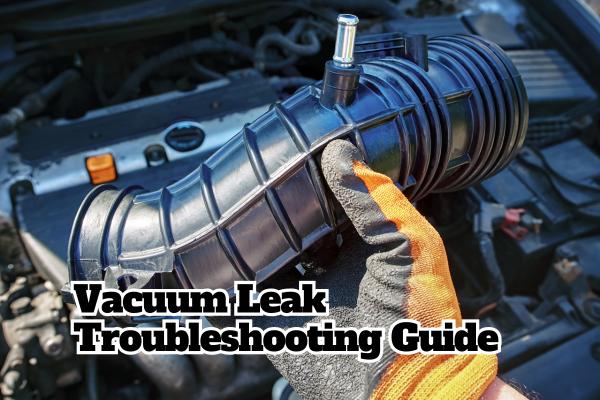
Have you ever noticed your car acting a bit strange, like idling roughly or lacking power? It might seem like a mystery, but the culprit could be something as simple as a vacuum leak.
Imagine this: your car’s engine is like a well-oiled orchestra, and a vacuum leak is that one rogue instrument playing off-key, disrupting the entire performance. Understanding what a vacuum leak is and how it affects your vehicle can save you from a lot of frustration and costly repairs.
You’ll discover what a vacuum leak is, why it matters, and how to spot the signs before they become a bigger problem. Keep reading to ensure your car continues to perform like a well-tuned symphony.

Credit: m.youtube.com
Vacuum Leak Basics
A vacuum leak in a car occurs when extra air enters the engine through a broken or loose seal. This uncontrolled air changes the air-to-fuel ratio, causing the engine to run poorly. Understanding vacuum leak basics helps car owners recognize problems early. It also aids in knowing why fixing leaks is important for the car’s performance.
What Happens During A Vacuum Leak
The engine uses vacuum pressure to control many parts. When a leak happens, extra air sneaks in. This air is not measured by the engine’s sensors.
The result is a lean mixture, meaning more air than fuel. This makes the engine hard to start and run smoothly. You may notice rough idling, stalling, or poor acceleration. The car might also use more fuel than normal.
Why Vacuum Leaks Matter
Vacuum leaks reduce engine efficiency and can cause damage over time. The engine struggles to burn fuel properly. This leads to increased emissions and pollution.
Leaks can affect brakes and other systems that rely on vacuum pressure. Ignoring a vacuum leak can lead to costly repairs. Detecting and fixing leaks keeps the engine healthy and saves money.
Common Causes
Vacuum leaks in cars can cause a variety of issues, from rough idling to poor fuel efficiency. Understanding the common causes helps you spot problems early and avoid costly repairs. Let’s look at the main culprits behind vacuum leaks and how they affect your vehicle’s performance.
Damaged Hoses And Connectors
Hoses and connectors carry vacuum pressure to different parts of your engine. Over time, these rubber or plastic components can crack, become brittle, or detach. Even a small tear in a hose can let air in, disrupting the engine’s air-fuel balance and causing rough running.
Have you ever noticed a hissing sound coming from under your hood? That often signals a damaged hose. Checking these parts regularly can save you from sudden engine problems.
Faulty Gaskets And Seals
Gaskets and seals prevent air and fluid leaks where engine parts meet. When these get worn out or damaged, they allow unmetered air into the engine. This can lead to stalling, hesitation, or increased emissions.
Replacing a gasket might seem minor, but it can restore your engine’s smooth operation. Think about the last time you heard about an expensive engine rebuild—many start with a simple gasket failure.
Cracked Intake Manifold
The intake manifold distributes air to the engine cylinders. Cracks in this part often cause vacuum leaks. Since the manifold handles a lot of heat and pressure, it can develop fractures over time.
If you notice poor acceleration or engine misfires, a cracked intake manifold might be the reason. Have your mechanic inspect this part if you see these symptoms, as ignoring it can lead to bigger engine trouble.
Loose Or Missing Components
Sometimes, vacuum leaks happen because a component wasn’t tightened properly or is missing altogether. This could be a loose clamp on a hose or a missing bolt on the intake system.
It’s worth double-checking these small details during maintenance. Have you ever fixed a problem just by tightening something that was loose? It’s often the simplest fixes that make the biggest difference.
Symptoms To Watch For
Vacuum leaks in a car can cause many issues. The engine needs the right air-fuel mix to run smoothly. A vacuum leak lets extra air enter, disrupting this balance. This leads to several noticeable symptoms. Recognizing these signs early helps avoid bigger problems and costly repairs.
Engine Performance Issues
A vacuum leak often causes rough idling. The engine may stall or hesitate during acceleration. You might feel a loss of power while driving. The car could struggle to maintain speed on hills. These issues occur because the engine does not get the correct air-fuel mixture.
Unusual Noises
Hissing or whistling sounds near the engine are common signs. These noises come from air escaping through the leak. The sound may change with engine speed or load. Listening closely can help pinpoint the leak’s location.
Check Engine Light Activation
The check engine light often comes on with a vacuum leak. The car’s computer detects the irregular air flow. It triggers a warning to alert the driver. A diagnostic scan can confirm the presence of a leak.
Poor Fuel Economy
A vacuum leak causes the engine to burn more fuel. The air-fuel mixture becomes too lean, so the engine compensates. This leads to increased fuel consumption and higher costs at the pump. Watching fuel efficiency can help spot a leak early.

Credit: www.youtube.com
Detecting Vacuum Leaks
Detecting a vacuum leak in your car is crucial for maintaining engine performance and fuel efficiency. A leak can cause rough idling, poor acceleration, and increased emissions. Knowing how to spot these leaks early can save you time and costly repairs.
Visual Inspection Tips
Start by looking under the hood with the engine off and cool. Check all vacuum hoses and connections for cracks, splits, or loose fittings. Pay close attention to areas where hoses bend or connect to the intake manifold.
Don’t overlook the intake gasket and brake booster hose, common leak spots. Use a flashlight to spot any signs of wear or damage. Sometimes, you might even see dirt or oil buildup around a leak, indicating escaping air.
Using A Smoke Machine
A smoke machine is a powerful tool for finding hidden vacuum leaks. It pumps smoke into the vacuum system, and the escaping smoke reveals the exact leak location. This method is especially helpful when visual inspection isn’t enough.
You don’t need to be a mechanic to use one—many auto shops offer this service. Watching the smoke escape from tiny cracks can be surprisingly satisfying and gives you a clear path to fix the problem.
Spray Test Method
The spray test is a quick and effective way to detect vacuum leaks using common household items. Spray a small amount of carburetor cleaner, starter fluid, or even soapy water around suspected leak areas while the engine is running.
If the engine idle changes or smooths out, you’ve likely found the leak spot. Be cautious and use flammable sprays in a well-ventilated area away from open flames. This simple test can save you a trip to the mechanic and help you understand your car better.
Simple Fixes
Simple fixes can often solve a vacuum leak in your car. These repairs are usually quick and cost-effective. Small issues like damaged hoses or loose connections cause many leaks. Checking these parts regularly helps keep your engine running smoothly.
Replacing Damaged Hoses
Hoses carry air and fuel to different engine parts. Cracks or holes in hoses cause vacuum leaks. Inspect hoses carefully for any signs of wear or damage. Replace any hose that looks brittle or cracked. Use the correct hose type for your car’s model. Proper replacement stops air leaks and improves engine performance.
Tightening Loose Connections
Loose connections allow air to escape from the system. Check clamps and fittings around hoses and parts. Tighten any loose clamps with a screwdriver or wrench. Make sure all connections are secure but not over-tightened. This simple step can restore proper air pressure in the vacuum system.
Applying Sealants
Sealants help close small cracks or gaps causing leaks. Use a sealant designed for automotive vacuum systems. Clean the area before applying the sealant. Apply it evenly and let it dry as per instructions. Sealants are a quick fix but not a permanent solution. Replace damaged parts for long-term repair.
When To Seek Professional Help
Some vacuum leaks need expert attention. Complex leaks or hard-to-reach areas require a mechanic’s tools. Persistent engine problems after simple fixes also need professional diagnosis. A trained mechanic uses special equipment to find hidden leaks. Consult a professional if you feel unsure about repairs.
Credit: www.cgsulitstore.com
Frequently Asked Questions
What Causes A Vacuum Leak In A Car?
A vacuum leak happens when air enters the engine through cracks or loose connections. It disrupts the air-fuel mix, causing poor engine performance and reduced fuel efficiency.
How To Detect A Vacuum Leak In A Car?
Listen for hissing sounds near the engine, check for rough idling, or use a smoke machine. A mechanic can also perform a diagnostic test for precise detection.
What Are Common Symptoms Of Vacuum Leaks?
Symptoms include rough idling, engine stalling, increased RPM, poor acceleration, and check engine light activation. These signs indicate the engine is not running optimally due to air leaks.
Can A Vacuum Leak Damage My Car Engine?
Yes, prolonged vacuum leaks can cause engine misfires and damage components. It reduces fuel efficiency and can lead to costly repairs if not fixed early.
Conclusion
A vacuum leak in a car can cause many problems. It makes the engine run rough or stall. Fuel efficiency may drop, costing more money. Detecting leaks early saves time and repairs. Simple checks help spot issues before they grow.
Keeping your car’s vacuum system tight improves performance. Small leaks can lead to bigger troubles fast. Stay alert to strange engine sounds or smells. Fixing leaks keeps your car safe and reliable. Regular maintenance is key to avoiding vacuum leaks.