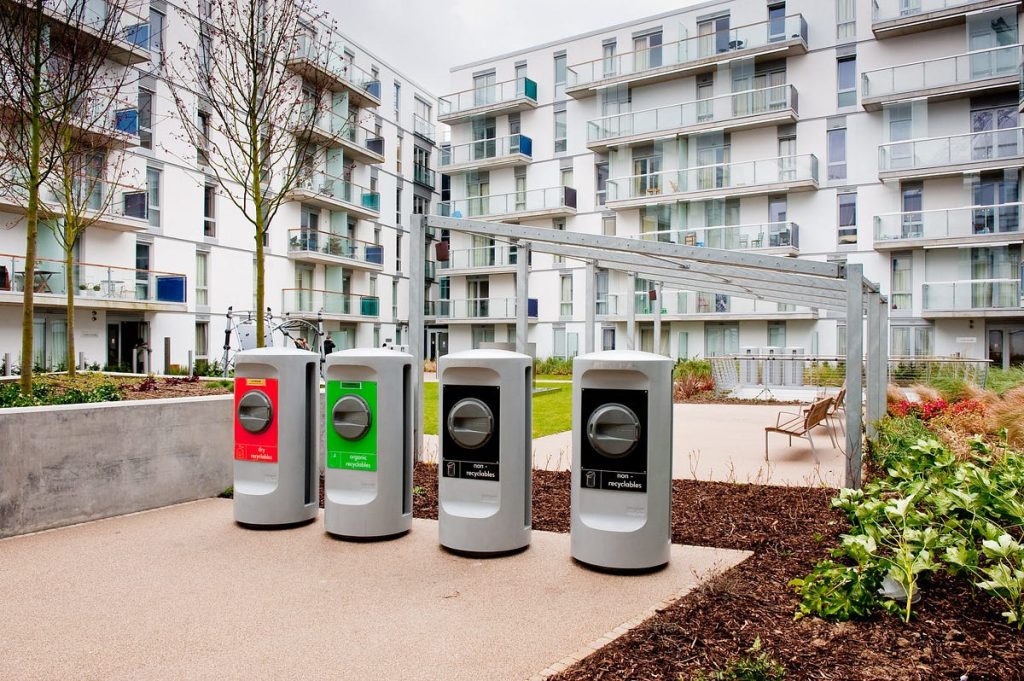
Imagine a world where cleaning becomes not just a chore, but a seamless part of your daily routine, freeing up your time for things you truly enjoy. That’s the promise of “Vacuum to Waste,” a concept that might just transform the way you think about keeping your space spotless.
But what exactly is this intriguing idea, and why should you care? You’ll discover the ins and outs of “Vacuum to Waste,” a game-changing approach to household cleaning. Whether you’re tired of the constant battle against dust and debris or simply curious about innovative ways to maintain a pristine environment, this guide is for you.
We’ll delve into how it works, its benefits, and why it might just be the solution you’ve been looking for. Stick around, and you might find yourself embracing a cleaner, more efficient way of living.
Vacuum To Waste Basics
Understanding the basics of Vacuum to Waste can change the way you think about waste management. This system uses suction to move waste efficiently from one point to a designated disposal area. It’s not just about convenience; it’s about improving hygiene and saving space in busy environments.
Core Components
The Vacuum to Waste system relies on several key parts working together smoothly. First, there is the vacuum pump, which creates the suction needed to move waste through the pipes.
Next, collection chambersact as holding tanks where waste gathers before disposal. Pipes connect everything, directing waste from points of use to the collection chambers.
Finally, control panels allow users to operate the system safely and efficiently. Each part plays a crucial role in ensuring the system runs without clogs or spills.
How It Works
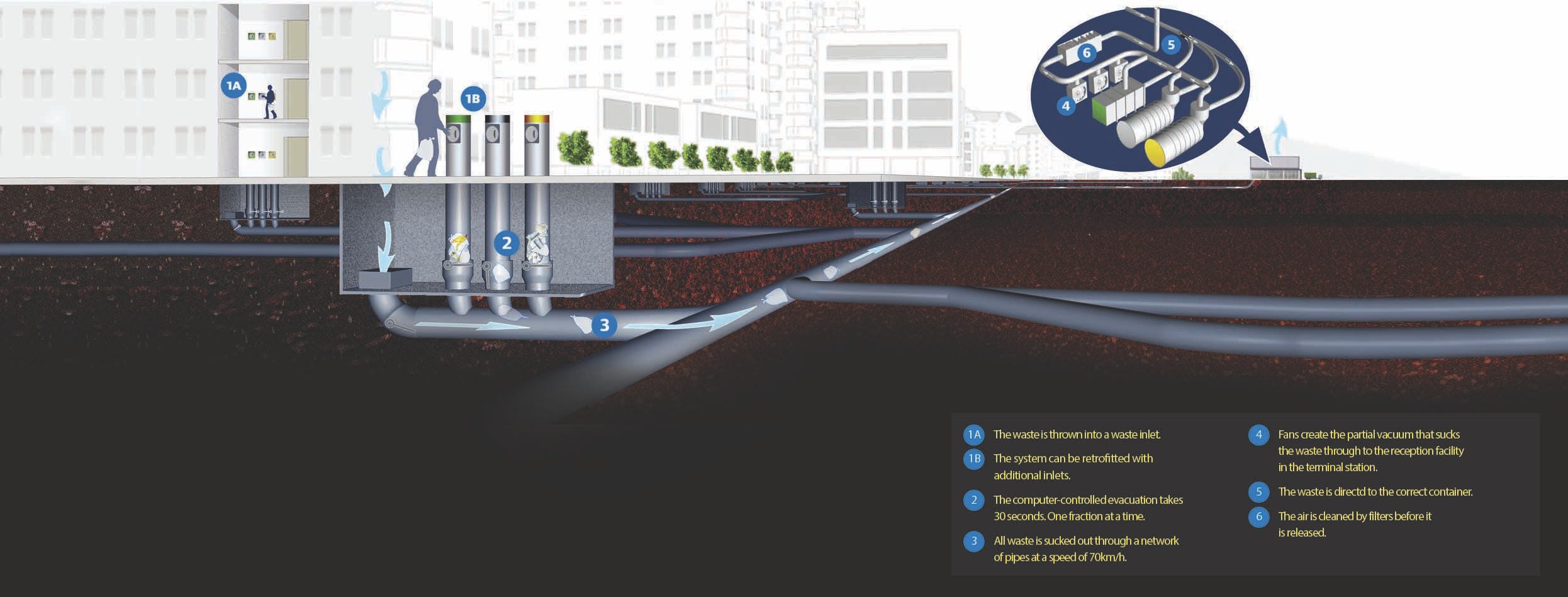
When you dispose of waste through a vacuum inlet, the pump creates suction that pulls the waste through the pipes.
This suction moves the waste quickly and hygienically to the collection chamber, often located some distance away. The process eliminates the need for manual handling, reducing the risk of contamination.
Have you ever wondered how hospitals manage so much waste without constant mess? Vacuum to Waste systems offer a clean, efficient answer by automating the transport of waste through sealed pipes.

Credit: superyachttechnologyshow.com
Types Of Vacuum To Waste Systems
Vacuum to waste systems come in different types, each designed to fit specific needs and environments. Understanding these types helps you choose the right system for your space and waste management goals. Let’s take a closer look at the main categories you might encounter.
Centralized Systems
Centralized vacuum to waste systems are built around a single, powerful vacuum unit that serves multiple collection points. These systems are common in large facilities like hospitals or commercial kitchens, where waste is generated in various locations but needs to be managed efficiently in one place.
One key benefit of centralized systems is their ability to handle large volumes of waste quickly. Imagine a busy hospital where waste from different wards is sucked into a central vacuum line—this reduces manual handling and speeds up cleanup.
However, installation requires careful planning and infrastructure, including piping throughout the building. Are you ready to invest in a system that offers high capacity but demands upfront setup?
Portable Systems
Portable vacuum to waste systems offer flexibility and ease of movement. These units are ideal for smaller spaces or temporary setups where you need to manage waste without permanent installation.
For example, a food truck operator might use a portable system to quickly vacuum waste without bulky equipment taking up space. These systems often come with wheels and compact designs, making them easy to maneuver and store.
While they may not handle as much waste as centralized systems, portability gives you control and convenience. Could a portable system be the practical solution for your day-to-day waste needs?
Benefits Of Vacuum To Waste
The benefits of vacuum to waste systems go beyond simple waste removal. This technology transforms how waste is handled, offering clear advantages that impact hygiene, space use, and the environment. Understanding these benefits helps you see why many modern buildings choose vacuum to waste solutions.
Improved Hygiene
Vacuum to waste systems reduce the chance of germs spreading. Since waste moves through sealed pipes using suction, there is less contact with waste material. This means fewer odors and lower risk of bacteria or viruses lingering in the area.
Think about hospitals or food processing plants where hygiene is crucial. Using vacuum to waste keeps the environment cleaner and safer for everyone. Would you want to manage waste any other way in such sensitive places?
Space Efficiency
Traditional waste bins and collection rooms take up valuable space. Vacuum to waste systems eliminate the need for large bins by transporting waste through compact pipes. This frees up room for other uses like extra seating or storage.
In crowded urban buildings, saving space can make a big difference. You can design smarter layouts because you don’t have to allocate large areas for waste. How much more could you do with the extra space in your building?
Environmental Impact
Vacuum to waste systems use less water and energy compared to conventional waste disposal methods. The sealed system also prevents leakage and contamination of soil and water. This means less pollution and a smaller carbon footprint.
Many cities aim to reduce waste and emissions. By using vacuum to waste, you support these goals and contribute to a cleaner planet. Could your building be part of a greener future with this technology?
Common Applications
Vacuum to waste systems play a vital role in many settings. They help move waste quickly and safely. These systems keep environments clean and reduce manual handling. Below are common places where vacuum to waste is used.
Healthcare Facilities
Hospitals and clinics use vacuum to waste systems to handle medical waste. This includes items like bandages, gloves, and syringes. The system moves waste directly to a secure disposal area. It lowers the risk of infection and keeps patient areas clean.
Commercial Buildings
Office buildings and shopping malls use these systems for everyday trash removal. Vacuum to waste systems reduce the need for trash bins in public spaces. They keep areas tidy and reduce odors. Cleaning staff can work faster and more efficiently.
Residential Use
Some modern homes install vacuum to waste systems to manage household garbage. Waste is sent through pipes to a central collection point. This reduces the need to carry trash outside. It also helps control smells and pests in the home.
Installation Considerations
Installing a Vacuum to Waste system requires careful planning to ensure it operates efficiently and lasts long. You need to think about the physical space, how the system will be set up, and what kind of upkeep it will demand. These factors can make or break the success of your installation.
Site Requirements
Space is a major consideration. You’ll need enough room for the central vacuum unit, piping, and waste collection points without disrupting existing workflows.
Check the structural layout of your building. Are there suitable areas for pipe routing? Sometimes, walls or ceilings might need modification to fit the system.
Also, consider access to power and water. These are essential for system operation and maintenance tasks.
System Design
Your system’s design must match your waste volume and types. A mismatch can cause blockages or poor suction, leading to frequent breakdowns.
Think about pipe diameter, length, and layout. Sharp bends and long distances can reduce efficiency.
In one project, choosing a slightly larger pipe diameter prevented frequent clogging, saving time and money on repairs.
Maintenance Needs
Plan for easy access to filters, valves, and the vacuum unit itself. Regular cleaning and checks are crucial to avoid costly downtime.
Ask yourself: who will maintain the system? Proper training for staff can extend the system’s life and improve performance.
Maintenance schedules should be realistic and fit your daily operations without causing major disruptions.
Troubleshooting Tips
Troubleshooting a Vacuum to Waste system can feel tricky at first, but understanding the common problems and how to prevent them saves you time and stress. Knowing what to look for helps you spot issues early and keeps the system running smoothly. Let’s dive into some practical tips that you can apply right away.
Common Issues
One frequent problem is blockages in the vacuum lines. These occur when debris or waste material clogs the pipes, reducing suction power or stopping it completely.
Another issue is leaks in the system, which can cause loss of vacuum pressure and poor waste disposal. Leaks often happen at connection points or damaged seals.
Sometimes, the vacuum pump may overheat or fail due to continuous operation without breaks. This can lead to system shutdown and expensive repairs.
Have you noticed strange noises or reduced suction? These signs often indicate worn-out parts or improper maintenance.
Preventive Measures
Regularly inspect and clean the vacuum lines to avoid blockages. Removing buildup early prevents bigger problems down the road.
Check all seals and connections for tightness. Replacing worn gaskets can maintain proper vacuum pressure and prevent leaks.
Give your vacuum pump breaks during heavy use to prevent overheating. Installing a temperature sensor can alert you before damage occurs.
Keep a maintenance log to track inspections, cleaning, and part replacements. This habit helps you spot patterns and predict when issues might arise.
Have you tried setting a routine check? Small, consistent efforts often save you from major repairs and downtime.
Future Trends
The future of vacuum to waste systems is shaping up to be both exciting and essential for modern waste management. As technology evolves, these systems will become smarter, more efficient, and better aligned with environmental goals. Let’s look at the key trends that will influence how vacuum to waste operates in the years ahead.
Technological Advances
Smart sensors and automation are becoming core parts of vacuum to waste setups. These technologies improve waste sorting accuracy and reduce maintenance needs by alerting you before issues arise.
Artificial intelligence will also play a bigger role. Imagine a system that learns your building’s waste patterns and adjusts itself to optimize collection schedules and energy use. This means less downtime and lower costs for you.
Wireless connectivity is another game changer. It allows remote monitoring and control, so you can manage your waste system from anywhere, saving time and improving responsiveness.
Sustainability Focus
Environmental concerns are driving vacuum to waste systems towards greener solutions. Future designs will focus on reducing energy consumption and minimizing carbon footprints.
Many systems will prioritize recycling by integrating better sorting technologies. This helps separate recyclables automatically, making your waste management more eco-friendly and compliant with stricter regulations.
Water usage is also on the radar. New systems aim to recycle water used in waste transport, cutting down on waste and conserving resources. How could adopting these eco-friendly features impact your waste costs and corporate responsibility?
Credit: medium.com

Credit: www.youtube.com
Frequently Asked Questions
What Does Vacuum To Waste Mean In Medical Settings?
Vacuum to waste is a system that safely disposes of medical fluids. It uses suction to remove waste directly into a sealed container. This prevents contamination and keeps clinical areas clean. It’s common in surgeries and dental clinics for efficient waste management.
How Does Vacuum To Waste Improve Hospital Hygiene?
Vacuum to waste reduces the risk of fluid spills and contamination. It quickly removes biological waste, minimizing infection risks. This system maintains a sterile environment, ensuring patient safety. It also lowers cleaning time and improves overall hospital hygiene standards.
Where Is Vacuum To Waste Typically Used?
Vacuum to waste is mainly used in operating rooms and dental offices. It handles fluids like blood and saliva during procedures. It’s also found in labs and clinics for safe waste disposal. The system supports infection control and efficient clinical operations.
What Are The Benefits Of Vacuum To Waste Systems?
Vacuum to waste systems enhance safety by reducing exposure to hazardous fluids. They improve workflow by speeding up waste removal. These systems also help comply with health regulations. Overall, they promote a cleaner, safer, and more efficient healthcare environment.
Conclusion
Vacuum to waste helps keep spaces clean and safe. It moves waste quickly and stops spills. Many places use this system to save time and effort. It also reduces bad smells and germs. Choosing vacuum to waste means less mess and easier cleanup.
This system works well in hospitals, labs, and factories. Understanding how it works can help you see its value. Clean environments matter for health and comfort. Vacuum to waste offers a smart way to manage waste daily.