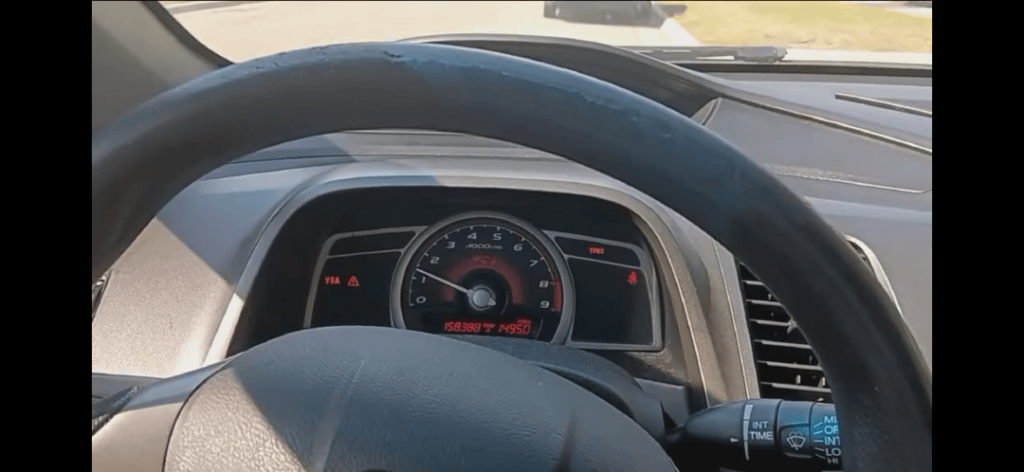
Have you ever wondered what makes your Honda Civic handle so smoothly, especially when you’re turning corners or driving on slippery roads? The answer lies in a smart feature called VSA, or Vehicle Stability Assist.
Understanding what VSA Honda Civic is can help you appreciate how your car keeps you safe and in control, no matter the road conditions. You’ll discover how VSA works, why it’s important for your driving experience, and how it benefits your safety every time you get behind the wheel.
Keep reading to unlock the secrets of this powerful system designed just for you and your Honda Civic.
Credit: www.9thgencivic.com
Vsa System Basics
The VSA system in the Honda Civic helps keep the car safe on the road. It works by improving stability and traction. This system is especially useful on slippery or uneven surfaces. Understanding how VSA works can help drivers feel more confident while driving.
What Vsa Does
VSA stands for Vehicle Stability Assist. It helps prevent the car from slipping or skidding. The system controls the brakes and engine power to keep the car on track. It also helps during sharp turns or sudden stops. VSA improves overall vehicle control and safety.
How Vsa Works
VSA uses sensors to monitor the car’s speed and direction. It detects if the car is losing traction or stability. When needed, VSA applies brakes to individual wheels. It can also reduce engine power to help regain control. This process happens quickly and automatically, without driver input.
Vsa Features In Honda Civic
The VSA (Vehicle Stability Assist) features in the Honda Civic play a crucial role in enhancing your driving experience. They work quietly behind the scenes to keep your car balanced and secure, especially when road conditions are less than perfect. Understanding these features helps you appreciate how your Civic supports you in staying safe and confident on the road.
Safety Benefits
VSA continuously monitors your vehicle’s movement and driver inputs. If it detects a loss of control, it automatically adjusts braking and engine power to help you regain stability. This means you get an extra layer of protection against skidding or sliding, reducing the risk of accidents.
Think about a sudden sharp turn or an unexpected slippery patch. VSA steps in to prevent the car from spinning out, giving you more control when every second counts. Have you ever felt your car reacting just in time to keep you safe? That’s VSA doing its job.
Driving Stability
Driving stability is more than just keeping your car straight. VSA works by balancing braking force on individual wheels to maintain your intended direction. This helps you stay on track, especially during quick maneuvers or on uneven surfaces.
Imagine driving through a winding road after rain. The Civic’s VSA system actively helps manage your vehicle’s stability so you feel confident navigating sharp curves. Stability isn’t just about comfort—it’s about keeping control under challenging conditions.
Traction Control
Traction control is a key part of the VSA system. It prevents your wheels from spinning too much when accelerating on slippery surfaces like wet or icy roads. By adjusting engine power and applying brakes to specific wheels, it helps your tires grip the road better.
Have you ever tried to speed up on a slick driveway and felt your wheels slip? The Honda Civic’s traction control reduces that frustration and keeps you moving forward safely. It’s like having a helping hand whenever traction is limited.
Impact On Driving Experience
The VSA (Vehicle Stability Assist) system in the Honda Civic plays a key role in shaping the driving experience. It helps keep the car steady and responsive on the road. This system detects changes in vehicle motion and adjusts braking and engine power. The result is smoother driving and greater safety.
Improved Handling
VSA improves how the car responds to the driver’s commands. It helps maintain traction by reducing wheel slip. This makes steering easier and more precise. Drivers feel more confident controlling the car, even on slippery roads.
Enhanced Cornering
VSA supports the vehicle during turns by balancing power and brakes. It prevents the car from sliding or drifting out of the lane. This allows safer and smoother cornering. The car stays more stable and predictable on curves.
Better Control In Adverse Conditions
VSA activates during rain, snow, or uneven surfaces. It helps prevent skidding and loss of control. The system quickly corrects the vehicle’s path to keep it safe. This means fewer worries about road hazards and sudden changes.
When Vsa Activates
The Vehicle Stability Assist (VSA) system in a Honda Civic activates to help keep control during challenging driving conditions. It works by detecting when the car starts to lose traction or stability. Once triggered, VSA adjusts engine power and applies brake force to specific wheels. This action helps prevent skidding or sliding, improving safety on the road.
Slippery Roads
VSA activates on slippery surfaces like wet or icy roads. When tires lose grip, the system senses wheel slip. It then reduces engine power and brakes the slipping wheels. This helps the car maintain its path and avoid sliding off the road.
Sudden Steering Corrections
Sharp or quick steering changes can cause instability. VSA detects when the car does not follow the intended direction. It adjusts power and brakes to help realign the vehicle. This support makes sudden turns safer and reduces the risk of losing control.
Emergency Maneuvers
During emergency actions, like sudden stops or quick lane changes, VSA steps in. It works fast to keep the vehicle stable. By controlling wheel braking and engine output, VSA helps the driver maintain control. This reduces chances of accidents in critical moments.
Vsa Maintenance Tips
Keeping your Honda Civic’s Vehicle Stability Assist (VSA) system in top shape is crucial for safe driving. Regular maintenance helps the system respond accurately during slippery or sudden steering situations. Here’s how you can stay on top of VSA care and ensure your car handles well in any condition.
System Checks
Start by routinely checking the VSA system components like wheel speed sensors and the yaw rate sensor. Dirt or damage on these sensors can cause the system to malfunction without warning. You can gently clean sensors and wiring during routine car washes or service visits to avoid buildup that affects performance.
Have you ever noticed your car pulling unexpectedly on wet roads? That could be an early sign your VSA sensors need attention. Staying alert to these subtle hints can save you from bigger repairs later.
Dashboard Indicators
Pay close attention to your dashboard warning lights related to the VSA system. A steady or flashing VSA light means the system is active or has detected an issue. Never ignore these alerts; they are your car’s way of telling you to check the stability controls.
Many drivers overlook these warnings until something feels off while driving. But noticing them early helps you address problems before they affect your safety. Keep your vehicle manual handy to understand what each indicator means and what action to take.
Professional Inspection
Even if everything seems fine, schedule regular professional inspections for the VSA system. Technicians can run diagnostic tests that reveal hidden faults you might miss. These inspections often include checking brake components and electronic controls tied to VSA performance.
Think of it as a health check for your car’s stability system. Just like you wouldn’t skip a doctor’s visit when you feel slightly unwell, don’t delay expert checks on your VSA system. A well-maintained VSA can be the difference between a safe drive and a dangerous skid.
Credit: www.crvownersclub.com
Comparing Vsa With Other Systems
Understanding how Honda’s Vehicle Stability Assist (VSA) stacks up against other safety systems can help you make smarter choices for your driving safety. Each system targets different aspects of vehicle control, yet they often work together to keep you secure on the road. Let’s break down the differences and see what makes VSA unique.
Abs Vs Vsa
Anti-lock Braking System (ABS) focuses on preventing your wheels from locking during hard braking. This helps you maintain steering control when you slam the brakes. VSA, on the other hand, goes beyond just braking—it actively manages both braking and engine power to keep your car stable in tricky turns or slippery conditions.
Think about a sharp curve on a rainy day. ABS stops your wheels from locking, but VSA steps in to prevent your car from sliding off the road by adjusting power and brakes on individual wheels. So, while ABS is crucial for stopping safely, VSA adds an extra layer of control when your vehicle’s balance is at risk.
Traction Control Systems
Traction Control Systems (TCS) prevent wheel spin during acceleration. They’re great for maintaining grip when you’re speeding away on wet or loose surfaces. VSA includes traction control features but combines them with stability control, which means it can correct both oversteer and understeer situations.
Have you ever noticed how your car sometimes pulls in one direction during acceleration? Traction control alone can’t always fix that. VSA detects these subtle shifts and corrects them by adjusting brake force and engine output to keep you on your intended path.
Other Stability Technologies
Many car makers offer their own versions of stability control systems, but not all are created equal. Some focus solely on braking intervention, while others include steering input or use more sensors for better accuracy. Honda’s VSA stands out by integrating multiple sensors that monitor wheel speed, steering angle, and lateral acceleration simultaneously.
This comprehensive approach means VSA can react faster and more precisely to sudden changes in road conditions. Imagine driving on uneven gravel—VSA helps your car adapt instantly, minimizing the risk of skidding. Would you prefer a system that only reacts to one factor or one that looks at the whole driving picture?
Credit: www.civinfo.com
Frequently Asked Questions
What Does Vsa Mean On A Honda Civic?
VSA stands for Vehicle Stability Assist. It helps maintain traction by controlling brake force and engine power during slippery conditions or sudden turns, enhancing driving safety and stability.
How Does Vsa Honda Civic Improve Driving Safety?
VSA detects loss of traction and applies brakes to specific wheels. It also adjusts engine power, preventing skidding and helping drivers maintain control in emergencies or slippery roads.
Can I Turn Off Vsa On My Honda Civic?
Yes, you can turn off VSA using a button inside the car. However, it’s recommended to keep it on for maximum safety unless driving in deep snow or mud.
Is Vsa The Same As Traction Control On Honda Civic?
VSA includes traction control but also manages stability by braking and reducing engine power. Traction control focuses only on preventing wheel spin, while VSA offers broader vehicle stability.
Conclusion
The VSA in a Honda Civic helps keep your car steady and safe. It works by adjusting brakes and engine power during tricky driving. This feature is useful on wet or slippery roads. Many drivers feel more confident with VSA active.
Understanding VSA can help you drive better and avoid accidents. It is a smart safety tool built into your car. Remember, VSA is one part of safe driving habits. Stay alert and drive carefully every time you get behind the wheel.