
Are you setting up a new laundry space or upgrading your current one? Understanding washer dryer connections is key to making sure your appliances work smoothly and safely.
These connections might sound technical, but they’re simpler than you think—and knowing about them can save you time, money, and frustration. Keep reading to discover exactly what washer dryer connections are, why they matter, and how you can get everything hooked up perfectly in your home.
Washer Dryer Connection Basics
Washer dryer connections link your appliances to water, electricity, and drainage. Proper connections ensure safe and efficient operation.
Understanding these connections helps you install or troubleshoot your washer and dryer with ease.
Types Of Connections
There are different connections needed for washers and dryers. Each type plays a specific role in appliance function.
- Water Supply:Connects the washer to cold and hot water lines.
- Drainage:Allows used water to exit the washer safely.
- Electrical:Powers both washer and dryer units.
- Ventilation:Exhausts hot air and moisture from the dryer.
Required Tools And Materials
You need specific tools and materials to connect your washer and dryer properly. Using the right items makes installation easier and safer.
- Adjustable wrench for tightening connections
- Screwdrivers for securing hoses and panels
- Water supply hoses for hot and cold water
- Drain hose to direct wastewater
- Electrical cords or plugs matching appliance requirements
- Dryer vent hose and clamps for proper airflow
- Teflon tape to prevent leaks at threaded joints
- Level tool to ensure appliances sit evenly

Credit: www.amazon.com
Preparing The Installation Area
Setting up washer dryer connections needs a clean and ready space. This helps the machines work well and stay safe.
Check the area carefully before you start installing your washer dryer. This saves time and trouble later.
Choosing The Right Location
Pick a flat and stable place for your washer dryer. It should be easy to reach and have good air flow.
Avoid spots near direct sunlight or heat sources. Keep the area dry to stop damage and rust.
Checking Water Supply And Drainage
Make sure you have hot and cold water pipes near the location. The pipes must be strong and leak-free.
Drainage must be close by to carry out used water. Check if the drain pipe is clear and not blocked.
- Water valves should be easy to reach
- Use hoses that fit tightly to avoid leaks
- Check the drain for proper flow
Electrical Requirements
Your washer dryer needs a proper power source. Use a grounded outlet with the right voltage and amperage.
Check if the power cord is long enough and in good condition. Avoid using extension cords or adapters.
- Use a dedicated circuit for the washer dryer
- Check local codes for electrical rules
- Install a GFCI outlet for safety
Connecting Water Supply Lines
Washer dryer connections need proper water supply lines. These lines bring hot and cold water to your appliance. Connecting them correctly prevents problems.
Good water connections keep your washer dryer working well. They stop leaks and water damage. Let’s look at how to connect these lines.
Hot And Cold Water Connections
Washer dryers usually need both hot and cold water. Each connection has its own valve and hose. Make sure to match hot water to the hot inlet and cold water to the cold inlet.
Use flexible hoses made for washers. Connect the hoses tightly to the water supply valves. Avoid crossing the hoses to prevent confusion later.
- Identify hot and cold water valves before connecting
- Use new hoses for better durability
- Hand-tighten connections, then use a wrench slightly
- Check for labels on washer dryer inlets
Preventing Leaks And Ensuring Secure Fittings
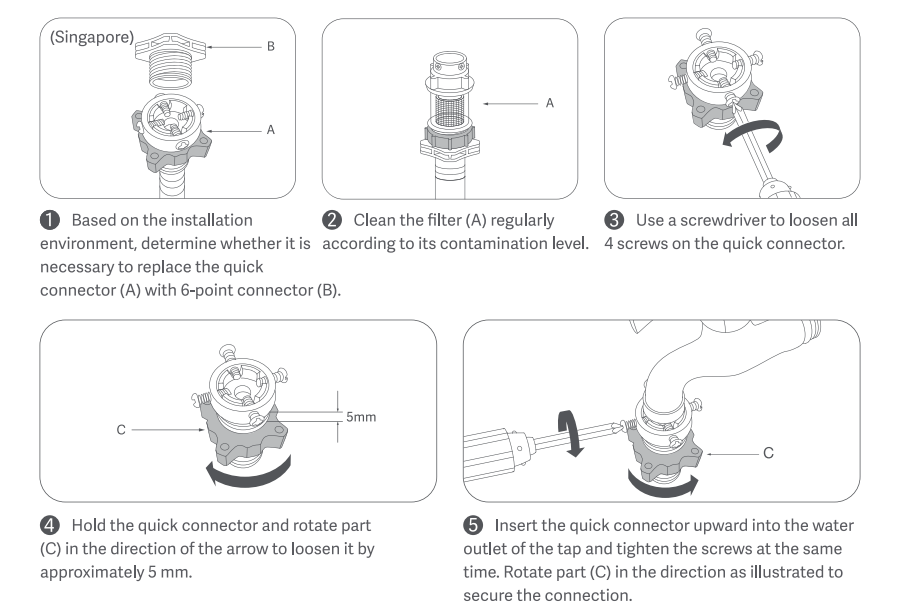
Leaks happen if fittings are loose or damaged. Check hoses for cracks and replace if needed. Use washers inside hose connectors to stop leaks.
After connecting, turn on water slowly. Watch for drips at the fittings. Tighten connections more if you see water escaping. Test the machine to confirm no leaks.
- Inspect hoses for damage before installation
- Use rubber washers inside hose ends
- Tighten fittings but avoid over-tightening
- Run water and check all joints carefully
- Replace hoses every 5 years for safety
Credit: www.mi.com
Setting Up The Drain Hose
Setting up the drain hose for your washer dryer connections is important. It helps water flow out safely. Proper setup stops leaks and water damage.
This guide explains how to place the drain hose correctly. It also covers ways to avoid common drainage problems.
Proper Drain Hose Placement
Place the drain hose so water flows freely without kinks. The hose should connect firmly to the drain pipe or standpipe. Keep the hose end above the water level in the drain to stop backflow.
- Attach hose securely to prevent leaks.
- Keep hose end at least 18 inches above the floor.
- Ensure the hose is not twisted or bent sharply.
- Use a hose clamp for a tight fit.
- Position the hose to avoid tripping hazards.
Avoiding Common Drainage Issues
Drainage problems can cause water spills or slow drainage. Avoid these by checking hose length and placement. Clean the hose regularly to stop clogs.
| Issue | Cause | Solution |
| Water leaks | Loose hose connection | Tighten hose clamp |
| Backflow | Hose end too low | Raise hose end above water level |
| Slow drainage | Clogged hose | Clean or replace hose |
| Kinks in hose | Improper hose placement | Straighten hose path |
Electrical Hookup For Washer And Dryer
Washer dryer connections need proper electrical setup. This ensures the machines work safely and well.
Electric power is essential for washers and dryers. Correct hookup prevents damage and accidents.
Power Cord Installation
Power cords connect washers and dryers to electricity. Choose cords that match your machine’s power needs.
Check the cord type and plug design. Dryers often need a 240-volt outlet, washers use 120 volts.
- Turn off power before installing cords
- Use the right cord for your appliance
- Secure the cord to avoid loose connections
- Plug into a grounded outlet
Safety Tips For Electrical Connections
Electricity can be dangerous if not handled right. Follow safety tips to protect yourself and your home.
Inspect outlets and cords regularly. Replace damaged parts to prevent fire or shock.
- Do not use extension cords for washers or dryers
- Keep cords away from water and heat sources
- Use a dedicated circuit for the dryer
- Call a professional for complex wiring
Testing And Troubleshooting Connections
Washer dryer connections are essential for proper appliance function. Testing these connections helps prevent issues and maintain efficiency.
Regular checks can identify problems early. This guide covers water leaks, electrical functionality, and common fixes.
Checking For Water Leaks
Water leaks can cause damage to your home. It’s important to inspect connections regularly.
- Check hoses for cracks or wear
- Ensure connections are tight
- Look for water pooling around the washer
Verifying Electrical Functionality
Electrical issues can affect washer dryer performance. Confirm that all connections are secure.
Make sure the power cord is plugged in properly. Test the outlet with another device to ensure it works.
Common Problems And Fixes
Identifying common problems can save time and money. Many issues have simple solutions.
| Problem | Solution |
| Water not draining | Check the drain hose for clogs |
| No power | Reset the circuit breaker |
| Strange noises | Ensure the appliance is level |
Maintenance Tips For Washer Dryer Setup
Washer dryer connections are crucial for efficient laundry setups. Proper maintenance ensures longevity and performance of your appliances.
Regular care of your washer dryer can prevent costly repairs. Follow these tips to maintain your setup effectively.
Regular Inspection
Inspect your washer and dryer regularly. Look for any leaks or unusual noises. Check hoses for wear or cracks.
Examine the connections to ensure they are tight. Loose connections can cause water damage or inefficient drying.
- Inspect hoses monthly for signs of wear
- Listen for unusual noises during operation
- Check connections for tightness
Cleaning And Care
Clean your washer and dryer to keep them running smoothly. Wipe down surfaces and remove lint from traps.
Use a damp cloth to clean the exterior. Regular cleaning prevents mold and build-up inside the machines.
- Clean lint traps after every load
- Wipe down the exterior weekly
- Run a cleaning cycle monthly

Credit: festoolownersgroup.com
Frequently Asked Questions
What Are Washer Dryer Connections?
Washer dryer connections are plumbing and electrical hookups. They enable the washer and dryer to receive water, drain, and power. Proper connections ensure efficient and safe appliance operation.
How To Install Washer Dryer Connections?
Install connections by securing water supply lines, drain hoses, and electrical outlets. Use appropriate fittings and ensure tight seals to prevent leaks. Follow manufacturer instructions and local codes for safety.
Why Are Washer Dryer Connections Important?
Connections provide water, drainage, and power needed for washers and dryers. Proper setup prevents leaks, electrical hazards, and appliance damage. They ensure smooth laundry operations.
Can I Use One Connection For Washer And Dryer?
No, washers need water supply and drainage; dryers require power and venting. Each appliance has distinct connection needs. Combining connections can cause malfunctions and safety risks.
Conclusion
Washer dryer connections help your laundry work well and save space. Knowing how to set them up makes your home more useful. Proper connections keep your machines safe and running smoothly. Take time to check water, electricity, and vent needs.
Good setup means less trouble and more clean clothes. Simple steps lead to a better laundry experience every day.