Have you ever wondered what the wheelbarrow position is and why it’s gaining attention? Whether you’ve heard the term in fitness, therapy, or parenting circles, understanding this simple yet powerful posture can make a big difference for you.
This position isn’t just about balance or exercise—it can boost strength, improve coordination, and even enhance your child’s development. Ready to discover how the wheelbarrow position can benefit you or someone you care about? Keep reading, and you’ll learn everything you need to know in an easy, clear way.

Credit: exercises.virtuagym.com
Wheelbarrow Position Basics
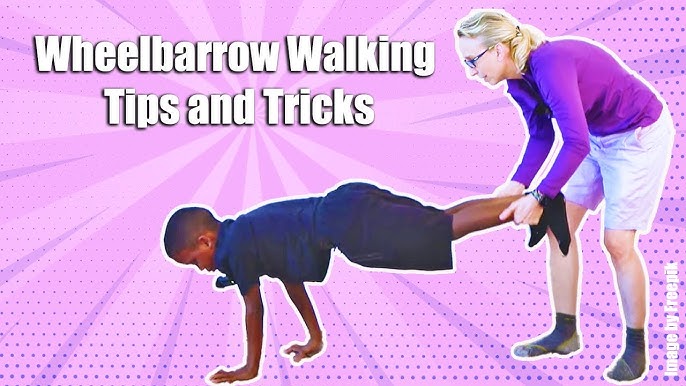
The wheelbarrow position is a physical pose where one person supports their body with their hands while another holds their legs. This position looks like a wheelbarrow, with the person’s arms acting as the handles.
This position is used in exercises, play, and sometimes therapy. It helps build strength and balance.
Origin And History
The wheelbarrow position has roots in childhood play and physical training. Children often use it as a fun way to build upper body strength.
It has also been part of gymnastic and physical therapy routines for many years. The pose helps improve coordination and muscle control.
How To Get Into The Position
To get into the wheelbarrow position, follow these steps carefully:
- One person stands behind and holds the ankles of the other person.
- The person being held places their hands on the ground, shoulder-width apart.
- The person holding lifts the legs, keeping them straight.
- The person on the ground supports their weight with their hands and arms.
- Both maintain balance and communicate for safety.
Common Uses
| Use | Purpose |
| Exercise | Strengthen arms, shoulders, and core muscles |
| Play | Fun activity for children and adults |
| Physical Therapy | Improve motor skills and balance |
| Training | Build endurance and coordination |
Key Benefits
The wheelbarrow position is a popular exercise that enhances overall fitness. It involves teamwork and focus, making it a fun and effective workout.
This position helps in building strength, improving flexibility, and stabilizing the core. It is a versatile exercise with multiple benefits.
Physical Strength And Endurance
In the wheelbarrow position, you use your body weight to build strength. This exercise increases endurance over time.
- Enhances upper body strength
- Improves stamina and endurance
- Strengthens arms and shoulders
Core Stability Improvement
The wheelbarrow position engages the core muscles. It helps in stabilizing the torso and improving posture.
| Muscle Group | Impact |
| Abdominals | Increased strength |
| Lower back | Improved support |
Flexibility And Balance
Flexibility and balance are essential in the wheelbarrow position. This exercise requires coordination and control.
Engaging Multiple Muscle Groups
The wheelbarrow position activates various muscle groups at once. It is a comprehensive workout for the body.
Safety And Precautions
The wheelbarrow position is a fun exercise that helps build strength. It is important to practice it safely to avoid injuries. Knowing the right way to do it and who should avoid it keeps you safe.
Warming up your muscles before trying the wheelbarrow position reduces the risk of strains. Following safety tips helps you enjoy the exercise without harm.
Proper Form To Avoid Injury
Keep your arms straight and strong while holding the person’s legs. The person walking on their hands should keep their back flat and head up. Avoid letting the back arch or sag.
- Hold the legs firmly but gently at the ankles.
- Keep your arms locked to support the weight.
- The person walking should keep their core tight.
- Do not rush; move slowly and carefully.
Who Should Avoid It
People with wrist or shoulder pain should avoid the wheelbarrow position. Those with back problems or balance issues may get hurt. Children should try this only with adult supervision.
- People with wrist injuries.
- Those with shoulder pain.
- Anyone with back problems.
- Young children without adult help.
Warm-up Recommendations
Start with simple stretches for the wrists, shoulders, and back. Light cardio like jumping jacks or walking warms up the whole body. Warm muscles work better and stay safe.
- Do wrist circles and stretches for 2 minutes.
- Stretch your shoulders gently in all directions.
- Try light jogging or jumping jacks for 3 to 5 minutes.
- Finish with a few back stretches.

Credit: www.lover.io
Tips For Beginners
The wheelbarrow position is a fun exercise that helps build strength and balance. It involves holding yourself up with your hands while someone supports your legs.
Starting this position can be tricky. Here are some simple tips to help you begin safely and comfortably.
Starting Slowly
Begin by practicing the wheelbarrow position for a short time. Do not try to hold it too long at first. This helps your muscles get used to the new pose.
Take breaks between attempts. Gradually increase how long you hold the position as you feel stronger.
Using Support Or Assistance
Ask a friend or trainer to hold your legs. Their support helps you balance better and feel safe. Using a soft mat underneath can also protect your hands and wrists.
Try holding on to a stable surface like a low table or wall if no one is available. This support can help you focus on your arm strength.
- Have a partner hold your legs
- Use a soft mat for comfort
- Hold on to a sturdy surface
Breathing Techniques
Remember to breathe slowly and deeply while in the wheelbarrow position. Holding your breath can make you tired faster.
Try to keep a steady rhythm of breathing. Inhale through your nose and exhale through your mouth. This helps your body stay relaxed and strong.
Advanced Variations
The Wheelbarrow Position is a strong exercise for core and upper body strength. Advanced variations make it more challenging. These variations improve balance, endurance, and muscle control.
Use different methods to increase difficulty. You can add resistance, include the position in workouts, or try partner drills. Each method targets muscles in new ways.
Adding Resistance
Adding resistance makes the Wheelbarrow Position harder. It increases muscle engagement and builds strength faster.
- Wear ankle weights for leg resistance
- Use resistance bands around the arms or legs
- Hold light dumbbells while supporting your upper body
- Place a weighted vest for overall body resistance
- Increase hold time with added resistance for endurance
Incorporating Into Workouts
Include the Wheelbarrow Position in your exercise routine. It works well with other bodyweight moves for a full workout.
| Workout Type | How to Use Wheelbarrow Position | Benefits |
|---|---|---|
| Core Circuit | Hold position for 30 seconds between planks | Improves core stability and strength |
| Upper Body Strength | Combine with push-ups and dips | Boosts arm and shoulder power |
| Balance Training | Use on one arm or leg to increase challenge | Enhances coordination and balance |
Partner Drills
Partner drills add fun and challenge to the Wheelbarrow Position. Working with someone improves teamwork and motivation.
- One partner holds the ankles while the other walks forward on hands.
- Partners switch roles after a set distance or time.
- Try passing a ball between partners while holding the position.
- Use a timer to see who can hold the position longer.
- Encourage gentle spotting for safety and support.
Common Mistakes To Avoid
The wheelbarrow position is a useful exercise in many workouts. It helps build strength and balance. But some common mistakes can cause injury or reduce its benefits.
Knowing what to avoid can make your practice safer and more effective. Below are some common errors and how to fix them.
Incorrect Posture
One big mistake is using the wrong posture. This can strain your back, shoulders, and wrists. Proper form keeps your body safe and working well.
- Keep your arms straight and strong.
- Hold your back flat, not arched or rounded.
- Engage your core muscles for stability.
- Make sure your legs are steady and balanced.
- Avoid letting your head drop too low or tilt back.
Overexertion
Pushing too hard can cause muscle pain or injuries. It is important to work within your limits. Rest when you feel tired.
| Signs of Overexertion | What to Do |
| Muscle shaking | Pause and rest |
| Sharp pain | Stop immediately |
| Excessive sweating | Slow down pace |
| Dizziness or nausea | Take a break and drink water |
Neglecting Warm-up And Cool-down
Skipping warm-up or cool-down can cause stiffness and injury. Warm-up prepares your muscles. Cool-down helps your body recover.
Follow these simple tips for warm-up and cool-down:
- Start with light stretching before the exercise.
- Do gentle movements to increase heart rate.
- After exercise, stretch muscles slowly and hold each stretch.
- Take deep breaths to relax your body.

Credit: exercises.virtuagym.com
Frequently Asked Questions
What Is The Wheelbarrow Position Used For?
The wheelbarrow position is used in physical therapy and fitness. It strengthens the arms, shoulders, and core muscles effectively. It also improves balance and coordination.
How Do You Perform The Wheelbarrow Position?
To perform, support your body weight on your hands while a partner holds your legs. Keep your arms straight and core engaged. Maintain a neutral spine throughout the exercise.
What Are The Benefits Of The Wheelbarrow Position?
This position builds upper body strength and enhances core stability. It improves motor skills and coordination, especially in children. It also aids in rehabilitation after injuries.
Is The Wheelbarrow Position Safe For Beginners?
Yes, it is safe if done with proper technique and supervision. Beginners should start slowly to avoid strain. Consulting a professional is recommended for personalized guidance.
Conclusion
The wheelbarrow position offers a unique way to stretch and strengthen muscles. It helps improve balance and coordination effectively. This position suits both exercise and play, making it fun and useful. Practicing it regularly builds body control and confidence. Always ensure safety and proper support while trying this pose.
Give the wheelbarrow position a try to add variety to your routine. Small steps lead to better strength and flexibility over time. Simple, safe, and effective—worth adding to your daily activities.