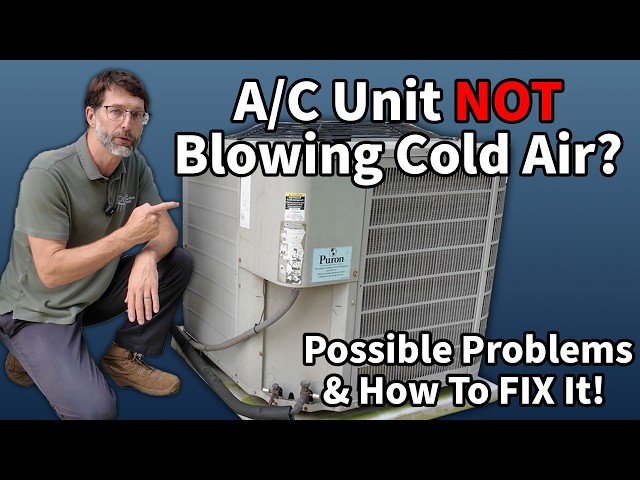
Is your air conditioner acting up when you need it most? You might be wondering, “What is wrong with my air conditioner?” It’s frustrating when your cool escape turns into a warm, uncomfortable space.
But don’t worry—you’re not alone, and most AC problems have simple explanations. You’ll discover the common signs that your air conditioner needs attention and easy steps to fix it. Keep reading, because by the end, you’ll know exactly what’s going on with your AC and how to get it running smoothly again.
Common Ac Problems
Air conditioners can stop working properly for many reasons. Knowing common problems helps you find the issue fast.
Below are some common AC problems you might face. Each problem has simple causes and solutions.
No Cooling
Your AC runs but does not cool the air. This problem is very common in hot weather.
It can happen because of low refrigerant, dirty filters, or a broken compressor.
Poor Airflow
When air moves weakly from vents, your room will not cool well. Poor airflow can make the AC less effective.
Clogged filters, blocked ducts, or a failing blower fan can cause this issue.
- Dirty air filters reduce airflow
- Blocked air ducts stop air movement
- Faulty blower fan lowers air pressure
Strange Noises
Unusual sounds like grinding, squealing, or banging show the AC has a problem.
These noises come from loose parts, motor problems, or debris inside the unit.
- Grinding means worn out motor bearings
- Squealing shows belt or fan issues
- Banging can be loose or broken parts
Water Leaks
Water dripping near or inside your AC is a sign of trouble. This leak can damage your home.
Leaking happens from clogged drain lines, frozen coils, or broken pumps.
- Clogged drain pipes cause water buildup
- Frozen coils melt and drip water
- Broken pumps fail to remove condensation
Unpleasant Odors
Bad smells from your AC can make your home uncomfortable. Odors show dirt or mold inside the system.
Dirty filters, moldy coils, or dead pests cause these smells.
- Change dirty air filters regularly
- Clean coils to stop mold growth
- Check for pests inside the unit

Credit: jacksonmechanicalllc.com
Diy Troubleshooting Tips
Air conditioners sometimes stop working properly. You can fix small problems yourself. This saves time and money.
Here are simple checks you can do before calling a repair person.
Checking The Thermostat
Make sure your thermostat is set to cool. Check the temperature setting. Replace batteries if needed. A wrong setting can stop your AC from running.
Cleaning Or Replacing Filters
Dirty filters block airflow and reduce cooling. Clean or replace filters every 1-3 months. This keeps your AC running well.
- Turn off the unit before removing the filter
- Wash reusable filters with water and let dry
- Replace disposable filters with the correct size
- Check filters monthly during heavy use
Inspecting The Circuit Breaker
Look at your home’s circuit breaker panel. Find the switch for your AC. If it is off or tripped, reset it by flipping it fully off and on.
| Problem | Possible Cause | Action |
| AC not turning on | Breaker tripped | Reset breaker switch |
| AC runs then stops | Overloaded circuit | Limit other devices on the circuit |
| Breaker trips often | Electrical fault | Call electrician |
Clearing The Condensate Drain
Condensate drains can get clogged. This causes water leaks and stops AC from working. Clear the drain line carefully.
Try these tips to clear the drain line:
- Turn off the power to the AC.
- Locate the drain pipe outside or near the indoor unit.
- Use a wet/dry vacuum to remove blockages.
- Flush the drain line with a cup of bleach and water mix.
- Check for water flow and leaks.
When To Call A Professional
Air conditioners can stop working for many reasons. Some problems are easy to fix. Others need a professional’s help. Knowing when to call an expert can save time and money.
If your AC shows signs of serious trouble, do not wait. Calling a professional ensures the system gets the right care and stays safe.
Refrigerant Issues
Refrigerant leaks cause your AC to lose cooling power. Low refrigerant can damage the system. A professional can find and fix leaks safely.
- Your AC is blowing warm air.
- You see ice on the coils or pipes.
- The unit runs longer but cools less.
Electrical Problems
Electrical issues can stop your AC from turning on. Faulty wiring or blown fuses cause this. A pro can check wiring and replace parts safely.
- AC does not start at all.
- Breaker trips when AC runs.
- Burning smell near the unit.
Compressor Failures
The compressor is the heart of your AC. If it fails, the system stops cooling. Repair or replacement needs a trained technician.
| Symptom | What It Means |
| Loud noises from outside unit | Possible compressor damage |
| AC runs but no cold air | Compressor not working |
| Unit shuts off suddenly | Compressor overload |
Major Component Replacements
Some parts wear out over time. Replacing them needs skill and tools. Professionals ensure parts fit and work right.
- Contactors and capacitors
- Fan motors
- Thermostats
- Condensers and evaporators
Preventive Maintenance Steps
Air conditioners need regular care to work well. Preventive maintenance helps avoid big problems and saves money.
Simple steps keep your air conditioner cool and efficient all year. Follow these tips to keep it running smoothly.
Regular Filter Changes
Changing filters often keeps air clean and the system healthy. Dirty filters block airflow and make the unit work hard.
Check your filter every month. Replace it if it looks dirty or after three months of use.
- Use the right filter size for your AC
- Choose filters with good dust-trapping ability
- Keep extra filters at home for quick changes
Scheduled Tune-ups
Professional tune-ups find small problems before they grow. They check parts, clean coils, and test the system.
Plan a tune-up once a year, ideally before summer starts. It helps your AC run cooler and use less energy.
- Inspect electrical connections
- Clean evaporator and condenser coils
- Check refrigerant levels
- Test thermostat accuracy
Keeping Outdoor Unit Clean
The outdoor unit works best when it is clean and free of debris. Dirt and leaves reduce airflow and cause overheating.
Clear around the unit often. Use a garden hose to wash the fins gently without bending them.
- Remove leaves, grass, and trash near the unit
- Trim plants at least two feet away
- Keep the area dry to avoid rust
Ensuring Proper Insulation
Good insulation keeps cool air inside and heat outside. Poor insulation makes your AC work harder and wastes energy.
Check windows, doors, and ducts for leaks. Seal gaps and add insulation where needed.
- Use weatherstripping around doors and windows
- Seal duct leaks with mastic or foil tape
- Add insulation to attics and walls
Energy Saving Tips For Ac
Air conditioners use a lot of energy, so saving power helps lower bills. Small changes in how you use your AC make a big difference.
Learn simple ways to save energy while keeping your home cool and comfortable.
Setting Optimal Temperatures
Keep your AC set at a temperature that cools without wasting energy. Setting it too low uses more power and costs more money.
Experts suggest setting your thermostat to 78°F (25°C) when you are at home. Raise it a few degrees when you leave to save energy.
Using Programmable Thermostats
Programmable thermostats help control your AC without extra work. You can set different temperatures for day and night or when you are away.
- Set higher temperatures during work hours
- Cool your home before you arrive
- Lower temperature at night for comfort
- Save energy by avoiding constant cooling
Sealing Air Leaks
Air leaks let cool air escape and warm air enter. This makes your AC work harder and use more energy.
| Common Leak Areas | How to Seal |
| Windows | Use weatherstripping or caulk |
| Doors | Install door sweeps and seal gaps |
| Vents | Check for loose fittings and seal |
Upgrading To Energy-efficient Models
Older AC units use more energy than newer models. Upgrading to an energy-efficient unit lowers electricity use and saves money.
Look for these features when choosing a new AC:
- Energy Star certification
- High Seasonal Energy Efficiency Ratio (SEER)
- Variable speed compressors
- Smart controls for better management

Credit: www.reddit.com
Credit: fischerheating.com
Frequently Asked Questions
Why Is My Air Conditioner Not Cooling Properly?
Your air conditioner may not cool properly due to dirty filters, low refrigerant, or blocked vents. Regular maintenance and cleaning can improve cooling efficiency. Check for leaks or faulty components if problems persist.
What Causes My Ac To Make Strange Noises?
Strange noises often come from loose parts, debris in the unit, or motor issues. Timely inspection and tightening or replacing faulty parts can resolve noise problems and prevent further damage.
How Do I Fix My Air Conditioner That Won’t Turn On?
An AC that won’t turn on might have electrical issues, a tripped breaker, or a faulty thermostat. Check power supply, reset breakers, and ensure the thermostat is working properly for quick troubleshooting.
Why Is My Air Conditioner Leaking Water Indoors?
Indoor leaks usually occur from clogged drain lines, frozen coils, or improper installation. Cleaning the drain line and ensuring proper airflow can stop leaks and protect your home from water damage.
Conclusion
Your air conditioner might have common issues. Check the thermostat settings first. Ensure it’s set correctly. Dirty filters can block airflow. Clean them regularly for better performance. Listen for unusual noises. They might indicate mechanical problems. Inspect for leaks around the unit.
Leakage could mean refrigerant issues. Regular maintenance helps prevent bigger problems. Call a professional if issues persist. They can provide expert help. Keep your home cool and comfortable. Your air conditioner’s efficiency matters. Address problems early for a longer lifespan.
Enjoy a pleasant indoor environment all year round. Stay cool and relaxed.