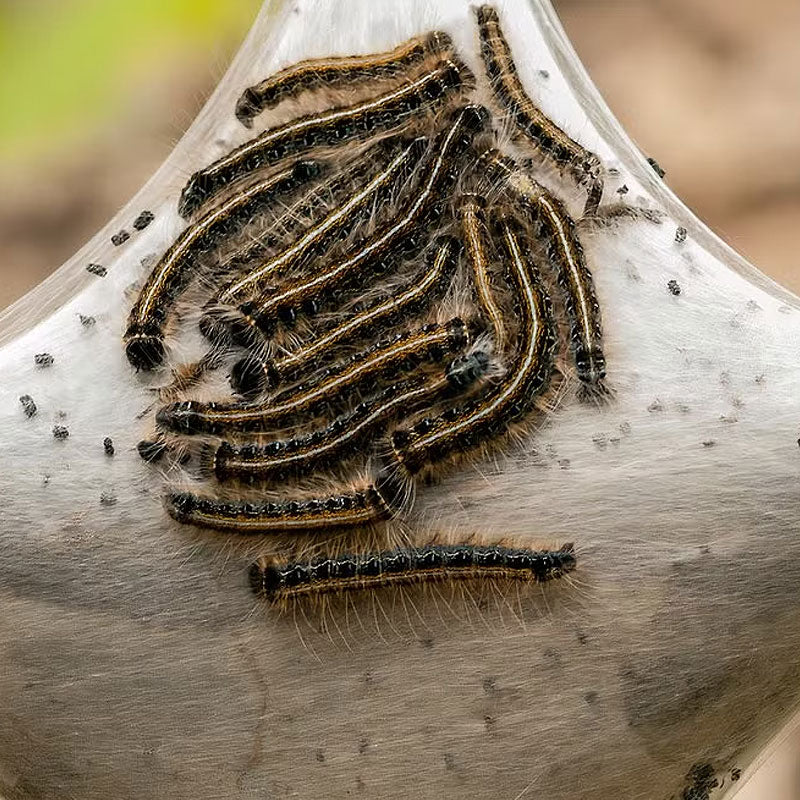
Are tent worms taking over your trees and garden? You’re not alone, and you probably want to know the quickest way to get rid of them before they cause serious damage.
These pests can strip leaves and weaken your plants fast. But what really kills tent worms effectively without harming your garden? Keep reading, because we’ll reveal simple, proven methods that you can use today to protect your green space and bring your yard back to life.
Your trees deserve better—and so do you.
Identifying Tent Worms
Tent worms live in groups inside webbed tents on trees. They eat leaves and can harm plants. Knowing how to spot them helps protect your garden.
Look closely at trees and shrubs in late spring and summer. You may see their silk tents or clusters of caterpillars inside.
Recognizing Signs Of Infestation
Tent worm infestations show clear signs on trees and leaves. Early detection stops damage to your plants.
- Webbed tents on branches or twigs
- Clusters of caterpillars inside the tents
- Chewed or skeletonized leaves around the tree
- Sticky residue from caterpillar droppings
- Visible egg masses on bark or leaves
Understanding Their Life Cycle
Tent worms grow through stages. Knowing their life cycle helps in timing control methods.
| Stage | Description | Duration |
| Egg | Laid on tree bark or leaves in clusters | 2 weeks |
| Larva (Caterpillar) | Feeds on leaves inside silk tents | 4-6 weeks |
| Pupa | Forms cocoon away from tents | 2 weeks |
| Adult Moth | Flies and lays eggs to start cycle again | 1 week |
Natural Predators
Tent worms have many natural enemies in the wild. These predators help keep their numbers low. Using nature’s balance is a safe way to control tent worm populations.
Birds and insects are two main groups that eat tent worms. They play a big role in stopping tent worms from damaging trees.
Birds As Natural Predators
Many birds eat tent worms and their larvae. Birds find tent worms easy to spot because of their movement and nests. They help reduce tent worm numbers naturally.
- Chickadees search tree branches for larvae.
- Woodpeckers peck into tents to get worms inside.
- Blue jays pick worms from leaves and branches.
- Orioles break open tents and eat the insects.
Insects That Prey On Tent Worms
Some insects hunt tent worms at different life stages. These insects attack eggs, larvae, or adult worms. They help lower tent worm populations by killing many of them.
| Insect | Method of Attack |
| Parasitic Wasps | Lay eggs inside tent worm larvae |
| Ladybugs | Eat tent worm eggs and small larvae |
| Ground Beetles | Hunt young worms on tree bark |
| Predatory Flies | Feed on tent worm larvae |
Biological Control Methods
Biological control uses natural enemies to reduce tent worm numbers. This method is safe for the environment and people. It helps keep tent worms under control without chemicals.
Two effective biological controls are Bacillus thuringiensis and beneficial nematodes. Each works differently to kill tent worms and stop damage.
Using Bacillus Thuringiensis
Bacillus thuringiensis (Bt) is a natural bacterium. It kills tent worm larvae after they eat leaves sprayed with Bt. It does not harm plants, animals, or people.
- Spray Bt on leaves where tent worms feed.
- Apply in early larval stages for best results.
- Repeat treatments every 7 to 10 days if needed.
- Use in the morning or evening to avoid sunlight damage.
Employing Beneficial Nematodes
Beneficial nematodes are tiny worms that attack tent worm larvae in the soil. They enter the larvae and release bacteria that kill them. This method controls tent worms before they become adults.
| Benefit | Details |
| Safe | Does not harm plants, pets, or humans |
| Effective | Kills larvae hidden in soil |
| Easy to apply | Mix with water and spray on soil |
| Works fast | Starts killing larvae within 48 hours |
Credit: www.gardeningknowhow.com
Chemical Treatments
Chemical treatments can help control tent worms effectively. Using insecticides kills the worms and stops them from spreading.
Choosing the right insecticide and using it safely is important. This guide explains how to do both.
Selecting The Right Insecticide
Pick an insecticide designed for tent worms or caterpillars. Look for products with active ingredients like Bacillus thuringiensis or spinosad.
- Choose insecticides labeled for use on trees and shrubs.
- Consider environmental impact before selecting a product.
- Check if the insecticide is safe for pets and wildlife.
- Use sprays that target larvae for best results.
- Read product instructions carefully before buying.
Safety Precautions When Using Chemicals
Using chemicals needs caution to protect yourself and the environment. Follow these safety tips to stay safe.
| Precaution | Details |
| Wear protective gear | Use gloves, masks, and goggles during application. |
| Keep children and pets away | Do not allow access to treated areas until dry. |
| Follow label instructions | Apply the correct amount at recommended times. |
| Avoid spraying on windy days | Prevents chemicals from drifting to unwanted areas. |
| Store chemicals safely | Keep products in original containers and out of reach. |
Manual Removal Techniques
Tent worms can harm trees by eating the leaves and making webs. Removing them by hand helps protect your plants without chemicals. This method works well for small infestations.
Use care and tools when handling tent worms. Removing them early stops damage and keeps your garden healthy.
Pruning Infested Branches
Cut off branches that have many tent worms or webs. This lowers the number of worms and stops them from spreading. Use clean, sharp pruning shears to make clean cuts.
- Wear gloves to protect your hands.
- Cut branches at least 6 inches below the webs.
- Seal the cut branches in a plastic bag.
- Dispose of the bag far from your garden.
- Sanitize tools after pruning to avoid spreading pests.
Destroying Tents Manually
Remove the tents by hand or with a stick. This action breaks the web and removes many worms at once. Do this early in the morning or late in the evening when worms are inside the tents.
| Step | Action | Tip |
|---|---|---|
| 1 | Locate the webbed tents on trees or bushes. | Look carefully for silk webs on branches. |
| 2 | Use gloves to protect your hands. | Wear thick gloves to avoid irritation. |
| 3 | Remove the tents by pulling them off or using a stick. | Be gentle to catch all worms inside. |
| 4 | Place tents in a sealed bag. | Do not leave webs on the ground. |
| 5 | Destroy tents by soaking in soapy water. | Soak for at least 24 hours to kill worms. |

Credit: london.ca
Preventive Measures
Stopping tent worms before they appear is the best way to protect your plants. Preventive steps keep your garden healthy and safe.
Using simple habits can reduce the chance of tent worm damage. These habits focus on keeping plants strong and free from pests.
Maintaining Garden Hygiene
Clean gardens make it hard for tent worms to grow and spread. Remove fallen leaves and dead plants often.
Clear away plant debris where tent worms lay eggs. Keep garden tools clean to avoid moving pests.
- Pick up fallen leaves and branches weekly
- Dispose of dead plants and weeds
- Trim overgrown plants to improve air flow
- Clean gardening tools after use
- Avoid piling garden waste near plants
Choosing Resistant Plant Varieties
Some plants are less likely to attract tent worms. Choose these strong varieties to protect your garden.
Resistant plants need less care and can stop pests from spreading. Check with local nurseries for good options.
- Look for plants labeled as pest-resistant
- Pick native plants suited to your area
- Use diverse plants to reduce pest spread
- Ask experts about tent worm-resistant types
Environmental Considerations
Controlling tent worms requires care to protect the environment. Using methods that harm only the pests is important.
Understanding the effects on nature helps keep the balance and supports healthy ecosystems.
Impact On Non-target Species
Many treatments for tent worms can affect other insects, birds, and animals. These non-target species play key roles in nature.
- Bees and butterflies may get harmed by insecticides.
- Birds feeding on insects can be affected by chemicals.
- Beneficial insects that control other pests might die.
- Soil organisms can suffer from pesticide residues.
Balancing Ecosystem Health
Keeping the ecosystem healthy means using safe ways to kill tent worms. This helps nature stay strong and diverse.
| Method | Effect on Ecosystem | Notes |
| Manual Removal | Minimal | Safe but labor-intensive |
| Biological Controls | Low | Uses natural predators |
| Chemical Pesticides | High | Can harm non-target species |
| Organic Sprays | Moderate | Less toxic but still caution needed |

Credit: www.pubs.ext.vt.edu
Frequently Asked Questions
What Natural Methods Kill Tent Worms Effectively?
Natural methods like introducing birds or beneficial insects kill tent worms. Removing infested branches and spraying neem oil also helps. These methods are eco-friendly and reduce chemical use, protecting your garden’s health.
How Do Chemical Insecticides Kill Tent Worms?
Chemical insecticides target tent worms by disrupting their nervous system. Products containing Bacillus thuringiensis (Bt) are highly effective. Always follow label instructions for safe and effective application.
Can Homemade Sprays Control Tent Worm Infestations?
Yes, homemade sprays with ingredients like garlic, soap, and chili can repel tent worms. These solutions disrupt their feeding and growth. Regular application improves control without harming beneficial insects.
Are There Safe Ways To Remove Tent Worm Nests?
Cutting and destroying tent worm nests early prevents spread. Wear gloves and dispose of nests carefully. This physical removal is safe and stops larvae from maturing and damaging trees.
Conclusion
Tent worms harm trees and plants by eating leaves. Using natural predators like birds helps control them. Spraying insecticides can kill tent worms quickly. Removing and destroying tents stops their spread. Keep checking trees to catch worms early. Healthy trees resist pests better and grow strong.
Simple steps protect your garden from damage. Stay patient and consistent to keep worms away. Your trees will recover and look great again.