When it comes to college baseball, the bat you use can make a huge difference in your game. But have you ever wondered what kind of bats are actually allowed and preferred at this level?
Choosing the right bat isn’t just about swinging hard—it’s about having the perfect balance of power, control, and comfort. You’ll discover exactly what types of bats college players use, why those bats are the top choice, and how you can pick the best one for your own game.
Keep reading, because the right bat could be the key to taking your performance to the next level.

Credit: www.justbats.com
Popular Bat Types
College baseball players use different types of bats. Each type has unique features. Choosing the right bat helps players perform better.
The main bat types used in college baseball are aluminum, composite, and hybrid bats. Each type offers advantages for hitters.
Aluminum Bats
Aluminum bats are popular in college baseball. They are light and strong. Players can swing faster with aluminum bats.
These bats have a solid, single-piece design. Aluminum bats provide good power and control. They also last a long time.
Composite Bats
Composite bats are made from carbon fiber and resin. They are lighter than aluminum bats. This helps players swing quickly.
Composite bats have a larger sweet spot. They reduce vibration, making hits more comfortable. These bats need time to break in for best performance.
- Lightweight design
- Larger sweet spot
- Less vibration on contact
- Requires break-in period
Hybrid Bats
Hybrid bats combine aluminum and composite materials. Usually, the barrel is composite and the handle is aluminum. This mix offers balance and power.
These bats reduce vibration and give good control. Hybrid bats are a good choice for players who want both speed and power in one bat.

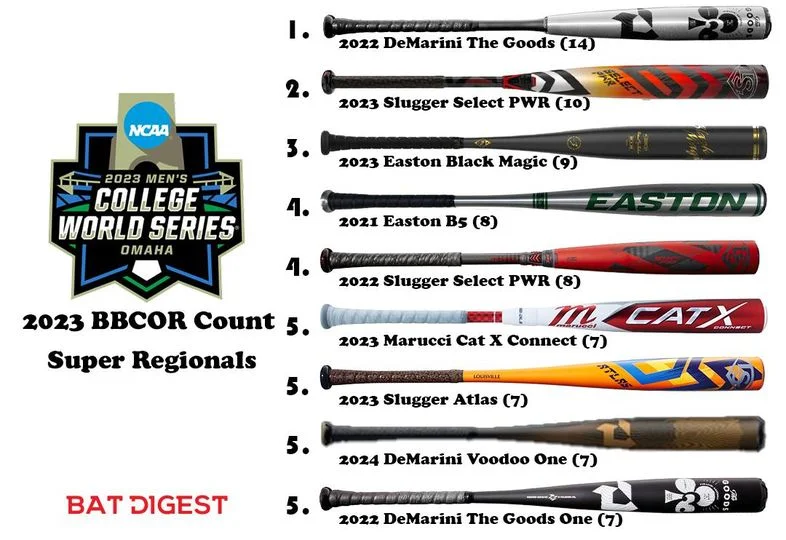
Credit: batdigest.com
Key Bat Features
In college baseball, players use specific types of bats. These bats have unique features suited for the game.
Let’s explore the key features that define these bats. Understanding these features can help choose the right bat.
Bat Length And Weight
Bat length and weight are crucial in college baseball. The right length helps players swing effectively.
Weight influences how fast a player can swing. It’s important to find the right balance.
- Longer bats increase reach but can be heavier
- Shorter bats are lighter and may offer quicker swings
Barrel Size
The barrel size affects the hitting area of the bat. A larger barrel can make it easier to hit the ball.
College players often choose bats with larger barrels for a bigger sweet spot.
- Larger barrels offer a larger hitting surface
- Smaller barrels may provide better control
Drop Weight
Drop weight is the difference between bat length and weight. It affects how a bat feels during play.
In college baseball, the drop weight is often regulated. Players must choose according to these rules.
- Lower drop weight means a heavier bat
- Higher drop weight means a lighter bat
Ncaa Bat Regulations
College baseball uses special bats that follow NCAA rules. These rules keep the game fair and safe for all players. Players must use bats that meet certain standards.
The NCAA sets rules about bat size, material, and performance. These rules help control how the bat hits the ball during games.
Approved Bat Standards
NCAA only allows bats that meet specific standards. These bats must have the correct length and weight. The bats also must be made from approved materials.
The NCAA approves bats that pass the BBCOR test. BBCOR means Batted Ball Coefficient of Restitution. This test checks how much the bat can bounce the ball.
- Bats must be no longer than 36 inches
- Bats must weigh no less than 2.5 ounces less than their length
- Bats must have a BBCOR certification mark
- Bats made of wood or BBCOR-certified composite or metal are allowed
Performance Requirements
Bats must meet performance rules to keep the game safe and fair. The BBCOR standard limits how fast the ball comes off the bat. This prevents unfair advantages.
Bats that do not meet these requirements can be banned from play. NCAA checks bats to make sure they follow the rules during the season.
- BBCOR limit is 0.50 or less
- Bat must not exceed size and weight limits
- Bats must not have altered surfaces or materials
- Performance testing ensures consistent bat behavior
Top Bat Brands
College baseball players need bats that perform well and last long. Many top brands make bats that fit these needs.
This article talks about popular bat brands used in college baseball. These brands are trusted by players for quality and power.
Easton
Easton is famous for making lightweight and strong bats. Their bats help players swing faster and hit harder.
Many college players like Easton bats because they balance speed and power well. The bats use modern materials for durability.
Louisville Slugger
Louisville Slugger is a classic brand in baseball. They make both wooden and metal bats for college players.
The brand is known for its strong build and good feel. Many players trust Louisville Slugger for its consistent performance.
Demarini
DeMarini bats are popular for their innovative design. They often use special materials that reduce vibration during hits.
College players choose DeMarini for bats that give good control and power. These bats help improve a player’s swing speed.
Rawlings
Rawlings offers a variety of bats suitable for college baseball. Their bats are known for comfort and solid hitting.
Players like Rawlings bats for their balance and feel. The brand uses materials that help with both power and control.
Choosing The Right Bat
Choosing the right bat is important for college baseball players. The bat affects hitting power and control.
Different factors like player position, swing style, and budget help decide the best bat.
Player Position
Bats vary by player position. Pitchers may prefer lighter bats for quick swings. Outfielders often choose heavier bats for power. Infielders like balanced bats for better control.
- Pitchers: lighter, faster bats
- Infielders: balanced bats for control
- Outfielders: heavier bats for power
Swing Style
Your swing style guides bat choice. Power hitters need heavier bats for strong hits. Contact hitters want lighter bats for faster swings and better contact.
| Swing Style | Bat Type | Benefit |
| Power Hitter | Heavier Bat | More hitting power |
| Contact Hitter | Lighter Bat | Faster swing speed |
| Balanced | Mid-weight Bat | Good control and power |
Budget Considerations
Bats come in different prices. High-end bats offer durability and performance. Budget bats can still work well for beginners or casual players.
- Look for bats on sale or clearance
- Consider used bats in good condition
- Focus on bats that meet league standards
Maintenance And Care
College baseball bats need good care to last long and work well. Proper maintenance keeps bats in top shape for every game.
Taking care of bats means cleaning and storing them correctly. These steps help avoid damage and keep bats ready to use.
Cleaning Tips
Clean your bat after each use. Dirt and dust can lower the bat’s performance over time.
Use a soft cloth and mild soap to wipe the bat’s surface. Avoid harsh chemicals that can damage the bat’s finish.
- Wipe down with a damp cloth after games
- Remove dirt gently to avoid scratches
- Dry the bat fully before storing
Storage Advice
Store bats in a cool, dry place to prevent warping. Extreme heat or cold can harm the bat’s material.
Keep bats off the ground and away from moisture. Use a bat rack or bag to protect them from damage.
- Avoid leaving bats in cars or outside
- Use a padded bat bag for transportation
- Check bats regularly for dents or cracks

Credit: batdigest.com
Frequently Asked Questions
What Types Of Bats Are Allowed In College Baseball?
College baseball primarily uses aluminum or composite bats. Wooden bats are generally not permitted in NCAA games. The bats must meet NCAA standards for size, weight, and performance to ensure fair play and safety.
Are Composite Bats Better Than Aluminum In College Baseball?
Composite bats offer better vibration reduction and durability than aluminum bats. However, aluminum bats are usually lighter and less expensive. Player preference and league rules often determine the choice between these two bat types.
What Is Bbcor Certification For College Baseball Bats?
BBCOR stands for Batted Ball Coefficient of Restitution. It measures the bat’s performance to match wood bat standards. All bats used in college baseball must have BBCOR certification to ensure fair competition.
Can College Players Use Wooden Bats In Games?
Wooden bats are generally not allowed in NCAA college baseball games. However, some leagues or tournaments might permit wooden bats. Players often practice with wooden bats to improve their hitting skills.
Conclusion
College baseball bats must meet specific rules for fair play and safety. Wood and metal bats are common choices among players. Each type has its own benefits for hitting and control. Players pick bats that match their style and league rules.
Using the right bat helps improve performance on the field. Understanding bat types can guide better choices for college baseball. Keep in mind, the right bat supports skill and confidence during games.