
Choosing the right coolant for your Dodge Ram 2500 Diesel isn’t just about filling a tank—it’s about protecting your engine from costly damage and keeping your truck running strong. If you’re wondering which coolant will give your diesel engine the best performance and longest life, you’re in the right place.
You’ll discover exactly what kind of coolant works best for your Ram 2500 Diesel and why it matters more than you might think. Keep reading to avoid common mistakes that could harm your engine and learn how to make the smartest choice for your truck’s health.
Coolant Types For Dodge Ram 2500 Diesel
The Dodge Ram 2500 Diesel needs the right coolant to run smoothly. Choosing the proper coolant helps protect the engine from overheating and corrosion. Different coolant types suit various engine needs. Understanding these types makes maintenance easier and keeps the truck reliable.
Ethylene Glycol Coolant
Ethylene glycol coolant is a common choice for many diesel engines. It offers excellent heat transfer and freezes at low temperatures. This type protects metal parts inside the engine from rust and corrosion. It is widely available and affordable. Use it in a proper mix with water, usually 50/50, for best results.
Propylene Glycol Coolant
Propylene glycol coolant is less toxic than ethylene glycol. It is safer for the environment and animals. This coolant also prevents freezing and overheating. It works well in heavy-duty diesel engines like the Ram 2500. Propylene glycol is a good option for users wanting a safer coolant type.
Organic Acid Technology (oat) Coolant
OAT coolant uses organic acids to protect the engine. It lasts longer than traditional coolants. This type reduces corrosion on aluminum and other metals in the engine. OAT coolant is often used in newer Dodge Ram models. It helps keep the cooling system clean and efficient.
Hybrid Organic Acid Technology (hoat) Coolant
HOAT coolant combines organic acids with silicates for extra protection. It defends well against corrosion and scale buildup. This coolant type suits heavy-duty engines, including the Dodge Ram 2500 Diesel. HOAT coolant usually has a longer service life than regular types. It ensures reliable cooling under tough conditions.

Credit: www.walmart.com
Recommended Coolant Specifications
Choosing the right coolant for your Dodge Ram 2500 Diesel is more than just picking a color off the shelf. The coolant must meet specific standards to protect your engine and ensure it runs smoothly under tough conditions. Understanding the recommended coolant specifications helps you avoid costly repairs and keeps your truck performing at its best.
Manufacturer Requirements
Dodge recommends using coolants that meet Chrysler MS-7170 or equivalent standards. These specifications ensure the coolant is compatible with the materials used in your engine’s cooling system. Using the wrong coolant can lead to gasket failure or corrosion, which might surprise you with expensive repairs down the road.
Have you checked your owner’s manual lately? It’s the best place to confirm the exact coolant type your Ram needs. Sticking to manufacturer guidelines keeps your warranty intact and your engine safe.
Temperature And Boiling Points
Your Ram’s diesel engine generates a lot of heat, especially under heavy loads or towing. The coolant must have a high boiling point to prevent overheating. Typically, a 50/50 mix of antifreeze and distilled water raises the boiling point above 265°F (129°C), which is critical for diesel engines.
Don’t overlook the freezing point either. Cold climates demand coolants that won’t freeze and crack your engine block. Ask yourself: is your coolant ready for the extremes your truck faces?
Corrosion Protection
Corrosion inside the cooling system reduces efficiency and can cause leaks. The right coolant contains corrosion inhibitors that protect metal parts like the radiator, water pump, and engine block. This protection extends the life of your cooling system components.
Not all coolants offer the same level of protection. Look for products labeled for diesel engines and with extended-life corrosion inhibitors to keep rust and scale at bay.
Additives And Inhibitors
Coolants contain special additives to enhance performance beyond just heat transfer. These include anti-foaming agents to prevent bubbles and lubricants for the water pump seals. Inhibitors also help prevent pitting and cavitation, common problems in diesel engines.
Choosing a coolant with the right additive package can save you from unexpected breakdowns. When was the last time you thought about what’s inside your radiator fluid? It might be time to pay attention.
Choosing The Right Coolant
Choosing the right coolant for your Dodge Ram 2500 diesel is crucial for maintaining engine health and performance. The wrong coolant can cause corrosion, overheating, or damage to engine components. Understanding key factors like compatibility, climate, mix ratios, and the difference between OEM and aftermarket products will help you make the best choice.
Compatibility With Engine Components
Your Dodge Ram 2500 diesel engine has specific materials like aluminum, rubber, and plastics that react differently to various coolants. Using a coolant that is not compatible can lead to corrosion or deterioration of these parts. Always check your owner’s manual or manufacturer recommendations to select a coolant designed for diesel engines and aluminum components.
Some coolants contain silicates, while others use organic acid technology (OAT). Silicate-based coolants protect aluminum better but may require more frequent changes. OAT coolants last longer but might not be suitable for all engine types.
Climate Considerations
Where you live plays a big role in choosing your coolant. In colder climates, you need a coolant with a low freezing point to prevent ice damage. In hotter regions, a coolant with a high boiling point helps avoid overheating.
Ask yourself: How extreme are the temperatures your vehicle faces? A coolant with a proper freeze and boil range ensures reliable protection year-round. Some coolants also offer anti-rust and anti-foam properties that add extra safety in harsh weather.
Mix Ratios And Concentrations
The ratio of coolant to water affects its efficiency. Most Dodge Ram 2500 diesels work best with a 50/50 mix of coolant and distilled water. This balance protects against freezing, boiling, and corrosion.
Too much coolant can reduce heat transfer, while too little weakens protection. Always measure carefully and avoid using tap water, which contains minerals that can harm your engine. If you want maximum cold or heat protection, you can adjust the mix but stay within recommended limits.
Oem Vs Aftermarket Coolants
OEM coolants are made or approved by Dodge and meet their strict quality standards. They usually guarantee compatibility and performance, giving you peace of mind. However, OEM products can be more expensive than aftermarket options.
Aftermarket coolants vary widely in quality. Some meet or exceed OEM specs, while others may fall short. If you choose an aftermarket product, check for certifications and reviews to avoid risking your engine’s health.
Have you ever tried a cheaper coolant only to face engine issues later? Investing in the right coolant upfront can save you costly repairs down the road.
How To Change Coolant In Dodge Ram 2500 Diesel
Changing the coolant in your Dodge Ram 2500 Diesel is essential for engine health. Old coolant loses its ability to protect the engine from overheating and corrosion. Doing this task yourself saves money and ensures your truck runs smoothly. Follow the steps carefully to avoid damage or injury.
Tools And Materials Needed
- Coolant compatible with Dodge Ram 2500 Diesel
- Drain pan to catch old coolant
- Socket wrench set
- Funnel
- Gloves and safety goggles
- Distilled water (for flushing and dilution)
- Rags or paper towels
- Owner’s manual for specific coolant type and capacity
Step-by-step Drain And Refill Process
Start by parking the truck on a flat surface. Ensure the engine is cool to avoid burns. Open the hood and locate the radiator cap and drain plug.
- Remove the radiator cap to release pressure.
- Place the drain pan under the radiator drain plug.
- Use a wrench to open the drain plug and let coolant flow out.
- Once drained, close the drain plug securely.
- Use a funnel to pour new coolant into the radiator until full.
- Check the coolant reservoir and fill it to the recommended level.
- Replace the radiator cap tightly.
- Start the engine and let it run for a few minutes to circulate coolant.
- Turn off the engine and check coolant levels again, topping off if needed.
Flushing Old Coolant
Flushing removes rust and deposits from the cooling system. It improves cooling efficiency and extends engine life.
- After draining old coolant, fill the system with distilled water.
- Run the engine until it reaches normal temperature, then turn off.
- Allow the engine to cool, then drain the water completely.
- Repeat flushing if water comes out dirty.
- After flushing, refill with the correct mix of coolant and distilled water.
Safety Precautions
- Always work on a cool engine to avoid burns.
- Wear gloves and safety goggles to protect skin and eyes.
- Dispose of old coolant properly; it is toxic and harmful to the environment.
- Keep coolant away from children and pets.
- Do not open the radiator cap while the engine is hot.
- Work in a well-ventilated area to avoid inhaling fumes.
Signs Of Coolant Problems
Recognizing signs of coolant problems in your Dodge Ram 2500 Diesel can save you from costly repairs and unexpected breakdowns. Coolant issues often start small but quickly escalate if ignored. Paying close attention to these warning signals helps you act before damage occurs.
Overheating Issues
If your engine temperature gauge frequently rises above normal, your coolant might not be doing its job. Overheating can happen due to low coolant levels or clogged passages that prevent proper heat transfer.
Have you noticed your engine running hotter after long drives or heavy towing? That’s a red flag to check your coolant system immediately.
Leaks And Smells
Coolant leaks often leave visible puddles under your truck or wet spots around the engine bay. You might also smell a sweet, syrupy odor—coolant’s signature scent—that signals a leak.
Ignoring these signs can lead to engine overheating or corrosion. Check hoses, radiator, and the reservoir regularly for cracks or loose connections.
Discolored Or Contaminated Coolant
Coolant should look bright and clear, typically green, orange, or yellow depending on the type. If you see rusty brown, cloudy, or oily fluids, contamination is likely.
Dirty coolant indicates rust, oil leaks, or buildup, which reduce cooling efficiency. Flushing the system and refilling with the right coolant can restore performance.
Warning Lights And Sensors
Your Dodge Ram’s dashboard alerts you if the coolant temperature gets dangerously high or if there’s a pressure issue. Never ignore these warning lights—they’re your truck’s way of asking for help.
Modern sensors can detect minor problems before they become major. Pay attention to any unusual alerts and get a professional check to avoid engine damage.
Maintaining Your Cooling System
Maintaining the cooling system in your Dodge Ram 2500 diesel is vital for engine health. Proper care prevents overheating and costly repairs. Regular checks keep the system running smoothly. This section covers easy steps to maintain your coolant system effectively.
Regular Inspection Tips
- Check coolant level in the reservoir often.
- Look for leaks around hoses and radiator.
- Inspect the radiator cap for damage or wear.
- Examine belts for cracks or looseness.
- Feel the coolant color; it should be bright and clear.
Coolant Testing Methods
- Use a coolant tester to check freezing and boiling points.
- Test pH level to ensure coolant is not acidic.
- Check for rust or sediment in the fluid.
- Use test strips to measure corrosion inhibitors.
When To Replace Coolant
- Follow manufacturer’s recommended replacement intervals.
- Replace if coolant appears rusty or dirty.
- Change if the engine overheats frequently.
- Swap coolant when you notice a drop in freezing point.
- Perform a flush every 2 to 3 years for best results.
Preventive Measures
- Always use the correct type of coolant for your Dodge Ram.
- Maintain proper coolant mixture with distilled water.
- Keep the radiator and cooling fins clean from debris.
- Replace worn hoses and clamps promptly.
- Run the engine to normal temperature regularly to circulate coolant.
Common Mistakes To Avoid
Choosing the right coolant for your Dodge Ram 2500 diesel is vital. Avoiding common mistakes helps keep the engine safe and running well. These errors can cause costly damage and reduce your vehicle’s lifespan.
Understanding these pitfalls will help you maintain your truck’s cooling system properly. Keep your engine cool and efficient by steering clear of these common errors.
Mixing Different Coolants
Mixing different types of coolants can cause serious problems. The chemicals may react and form sludge. This sludge blocks the cooling system and causes overheating. Always use one type of coolant as recommended by the manufacturer.
Ignoring Manufacturer Guidelines
Every Dodge Ram 2500 diesel has specific coolant needs. Ignoring these rules can lead to corrosion and engine damage. Follow the owner’s manual for the right coolant type and mixture ratio. This ensures peak engine performance and long life.
Using Incompatible Coolants
Not all coolants work well together. Using incompatible coolants can harm engine parts. It may reduce the coolant’s ability to prevent freezing and boiling. Check compatibility before adding any coolant to the system.
Neglecting Cooling System Maintenance
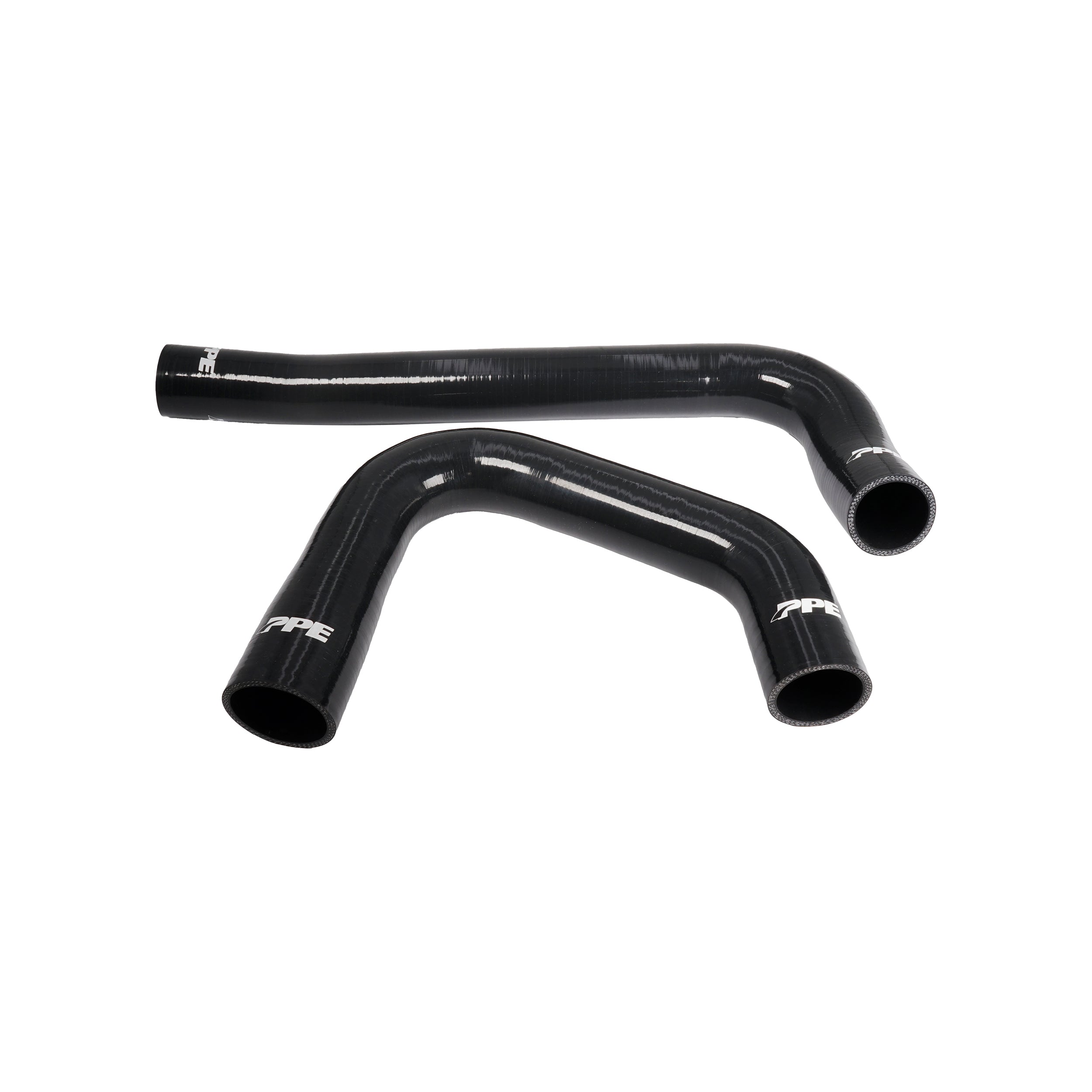
Skipping regular cooling system checks invites trouble. Dirt and debris build-up reduces coolant flow and cooling power. Flush and replace coolant as recommended. Clean the radiator and hoses to avoid leaks and overheating.
Credit: ppepower.com
Credit: www.cumminsforum.com
Frequently Asked Questions
What Type Of Coolant For Dodge Ram 2500?
For a Dodge Ram 2500 Diesel, use an HOAT (Hybrid Organic Acid Technology) coolant. This type prevents corrosion and extends engine life. Always check your owner’s manual for the recommended coolant type and specifications. Using the correct coolant ensures optimal engine performance and prevents overheating.
Can I Use Universal Coolant In My Dodge Ram 2500?
Using universal coolant in a Dodge Ram 2500 Diesel isn’t recommended. It might not meet the specific requirements. Always opt for the recommended HOAT coolant. This ensures compatibility with your engine’s materials and prolongs engine life. Check your owner’s manual for specific guidance.
How Often Should I Change Coolant In Dodge Ram 2500?
Change the coolant in your Dodge Ram 2500 Diesel every 5 years or 100,000 miles. Regular changes ensure optimal engine cooling and prevent corrosion. Always follow the maintenance schedule in your owner’s manual. Regular checks help catch potential issues early, ensuring your vehicle runs smoothly.
What Are The Signs Of Low Coolant In A Ram 2500?
Low coolant in a Dodge Ram 2500 Diesel can cause overheating, a visible coolant leak, or a warning light. Regular checks of coolant levels can prevent engine damage. Address any signs promptly to avoid costly repairs. Always maintain proper coolant levels for optimal engine performance.
Conclusion
Choosing the right coolant keeps your Dodge Ram 2500 diesel running smooth. Use the recommended type to avoid engine problems. Check the owner’s manual for the best coolant match. Regularly changing coolant protects your engine from damage and rust. Clean coolant helps your truck stay cool under tough conditions.
Keep your vehicle healthy with proper coolant care. Simple steps can save costly repairs later. Trust the right coolant to boost your truck’s life and performance.