When it comes to preparing your meals, the cutting board you choose plays a bigger role than you might think. You want something that keeps your food safe and your kitchen clean.
But with so many options out there—wood, plastic, bamboo, glass—how do you know which cutting board is safest for you and your family? Picking the wrong one could lead to bacteria growth or even damage your knives. Keep reading, and you’ll discover exactly what to look for to protect your health and make cooking easier every time.
Types Of Cutting Boards
Cutting boards come in many materials. Each type has its own safety features.
Choosing the right board helps keep your kitchen clean and safe from germs.
Wooden Boards
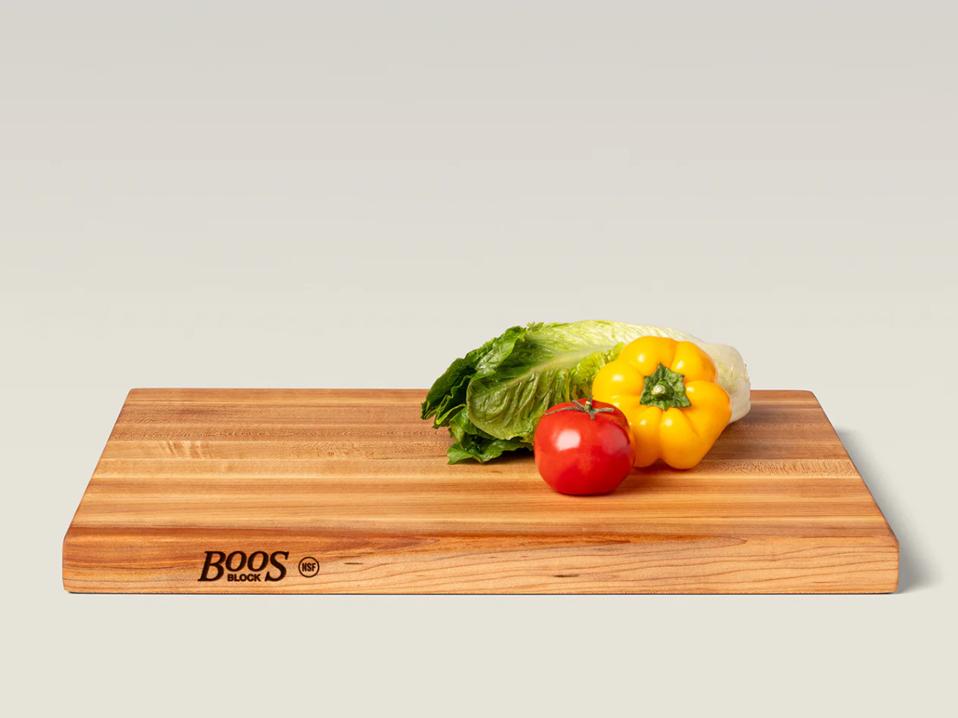
Wooden cutting boards are popular for their durability and natural feel. They are gentle on knives.
Wood can absorb liquids, so cleaning is important to avoid bacteria growth. Regular oiling keeps them in good shape.
- Made from hardwoods like maple or walnut
- Self-healing surface reduces knife marks
- Needs hand washing and drying
Plastic Boards
Plastic cutting boards are lightweight and easy to clean. They are dishwasher safe, which helps kill bacteria.
These boards can get deep cuts that hold germs. Replace them when they become very worn.
- Made from polyethylene or polypropylene
- Non-porous and stain resistant
- Affordable and widely available
Bamboo Boards
Bamboo boards are eco-friendly and harder than most wood boards. They resist water better than wood.
Bamboo is less porous but can dull knives faster. Regular cleaning and oiling help keep them safe.
- Made from fast-growing bamboo grass
- Lightweight and durable
- Requires hand washing and oiling
Glass And Composite Boards
Glass cutting boards are very easy to clean and do not absorb bacteria. They look modern and bright.
Glass can damage knives quickly. Composite boards mix materials for strength and hygiene.
- Glass boards are non-porous and dishwasher safe
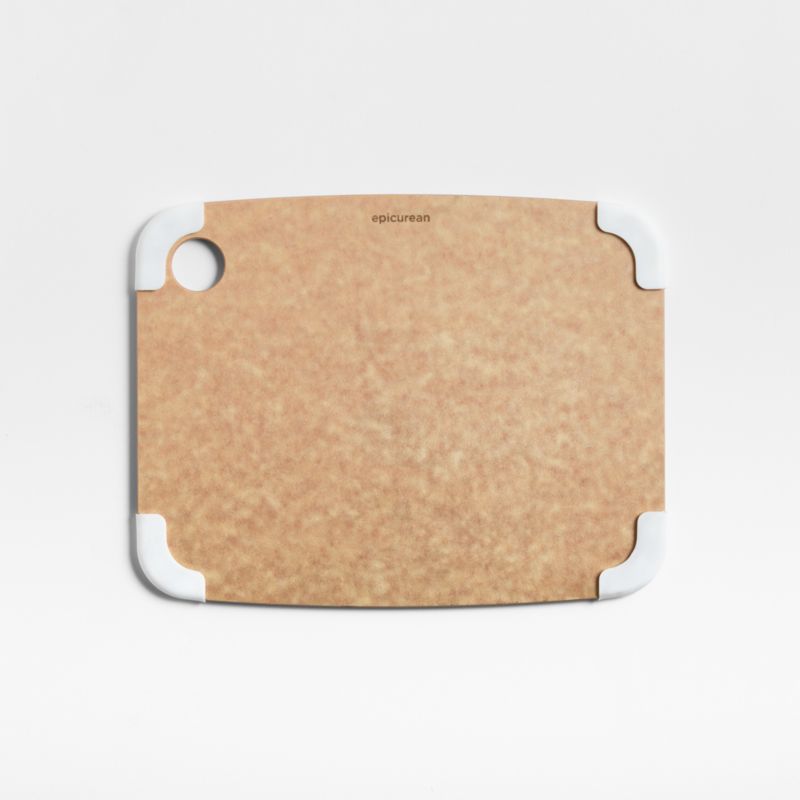
- Composite boards combine wood fibers and resin
- Not ideal for knife sharpness but very hygienic
Credit: www.crateandbarrel.ca
Bacteria And Cross-contamination Risks
Cutting boards can hold bacteria that cause foodborne illness. Choosing the right board helps lower these risks. Understanding how bacteria grow and spread is key to safe food preparation.
Different materials and cleaning habits affect how safe a cutting board is. This guide looks at bacteria growth and sources of contamination to help you pick the safest option.
How Bacteria Thrive On Cutting Boards
Bacteria grow fast on cutting boards that are wet or have deep cuts. Food particles left behind feed bacteria. Warm and moist conditions help bacteria multiply quickly.
- Wood boards can absorb liquids and bacteria if not cleaned well.
- Plastic boards get knife marks that trap bacteria.
- Non-porous surfaces dry faster and reduce bacteria growth.
- Boards that are hard to clean increase risk of bacteria build-up.
Common Sources Of Contamination
Cross-contamination happens when bacteria spread from one food to another. Raw meat, poultry, and seafood are common sources. Using the same board without cleaning spreads germs.
| Source | Risk | Prevention |
| Raw meat | High bacteria load | Use separate boards |
| Vegetables | Can pick up bacteria | Wash well before cutting |
| Cutting board surface | Knife cuts trap bacteria | Replace or sanitize often |
| Hands and utensils | Spread bacteria easily | Wash hands and tools |
Cleaning And Maintenance Tips
Keeping your cutting board clean is important for food safety. Proper care helps prevent bacteria buildup. This guide covers easy ways to clean and maintain your board.
Follow these tips to make sure your cutting board stays safe and lasts longer. Each type needs different handling to keep it in good shape.
Proper Washing Techniques
Wash your cutting board right after use to stop germs from growing. Use hot, soapy water and scrub all surfaces well. Rinse thoroughly and dry with a clean towel or let it air dry.
- Use a sponge or brush to clean every corner
- Wash both sides of the board
- Never soak wooden boards in water
- Dry boards completely before storing
Sanitizing Methods
Sanitizing removes bacteria that washing may miss. Use safe methods to keep your board healthy.
| Sanitizing Method | How to Use | Notes |
| White Vinegar | Spray on board and wipe after 5 minutes | Natural and safe for wood |
| Hydrogen Peroxide | Apply, wait 10 minutes, rinse well | Good for plastic boards |
| Bleach Solution | Mix 1 tbsp bleach with 1 gallon water, soak 2 minutes | Use carefully, avoid on wood |
When To Replace Your Cutting Board
Replace your cutting board if it gets damaged or worn out. Deep cuts and cracks can hide germs and are hard to clean.
- Boards with many deep grooves
- Warped or cracked boards
- Boards that absorb odors or stains
- Plastic boards that are scratched beyond cleaning
Credit: medium.com
Health And Safety Standards
Choosing the safest cutting board helps prevent foodborne illness. Different materials affect cleanliness and durability.
Understanding health and safety standards guides you to select the right cutting board for your kitchen.
Food Safety Guidelines
Use separate cutting boards for raw meat and vegetables to avoid cross-contamination. Clean boards with hot, soapy water after each use.
- Choose non-porous materials like plastic or hard wood
- Replace boards with deep grooves or cracks
- Sanitize boards regularly with a mild bleach solution
- Dry boards completely before storing
Recommended Practices For Home Kitchens
Wood and plastic cutting boards each have pros and cons related to safety and maintenance. Choose based on your cleaning habits.
| Material | Safety | Cleaning | Durability |
| Bamboo | Antibacterial | Hand wash only | High |
| Plastic | Non-porous | Dishwasher safe | Medium |
| Hardwood | Natural fibers trap bacteria | Hand wash only | High |
| Glass | Non-porous but dulls knives | Dishwasher safe | High |
Choosing The Right Cutting Board For Your Needs
Choosing a safe cutting board is important for your kitchen. Different boards work better for different tasks. It is good to know the options before buying one.
Cutting boards come in many materials. Each type has benefits and things to watch out for. This guide helps you pick the best board for your needs.
Factors To Consider
Think about how you will use the cutting board. Size and weight matter for daily cooking. You want a board that is easy to clean and lasts a long time.
Also, consider food safety. Some boards hold bacteria more than others. Look for boards that are gentle on your knives and do not absorb liquids.
- Material type and durability
- Ease of cleaning and maintenance
- Resistance to bacteria and odors
- Knife friendliness
- Size and weight
Pros And Cons Of Each Material
Cutting boards come in wood, plastic, bamboo, and glass. Each has good and bad points for safety and use.
| Material | Pros | Cons |
|---|---|---|
| Wood | Natural antibacterial traits; gentle on knives; durable | Needs regular oiling; can crack; not dishwasher safe |
| Plastic | Easy to clean; dishwasher safe; lightweight | Can get deep knife cuts; may hold bacteria; less durable |
| Bamboo | Eco-friendly; harder than wood; resists moisture | Can dull knives; needs oiling; may crack over time |
| Glass | Easy to clean; non-porous; looks nice | Harsh on knives; slippery surface; can break |

Credit: www.zsalads.com
Frequently Asked Questions
What Materials Make A Safe Cutting Board?
Wood and bamboo are safe options due to their natural antibacterial properties. Plastic boards are also popular because they are dishwasher safe. Avoid glass as it can dull knives.
Is Bamboo Better Than Plastic For Cutting Boards?
Bamboo is eco-friendly and has natural antibacterial properties. Plastic is dishwasher safe and non-porous but can harbor bacteria if not cleaned properly.
How Often Should You Replace A Cutting Board?
Replace your cutting board when it develops deep grooves. These grooves can harbor bacteria. Regular maintenance can extend its lifespan.
Can Glass Cutting Boards Damage Knives?
Yes, glass cutting boards can dull and damage knife edges. It’s best to use wood or plastic for knife longevity.
Conclusion
Choosing the safest cutting board protects your food and health. Wood and plastic boards are common choices. Wood resists bacteria better but needs more care. Plastic boards are easy to clean and dishwasher safe. Always clean your board after use.
Replace boards that have deep cuts or cracks. Keep separate boards for raw meat and vegetables. Safe cutting boards help prevent food sickness. Simple care keeps your kitchen safe and healthy. Pick the board that fits your needs and habits.