Your cutting board is more than just a kitchen tool—it’s where you prepare meals, share moments, and create memories. But do you know the secret to keeping it looking fresh and lasting longer?
Choosing the right kind of oil for your cutting board can make all the difference. If you want to protect your board from cracks, stains, and bacteria, you need to use an oil that nourishes and seals the wood properly.
You’ll discover exactly what kind of oil works best, why it matters, and how to apply it for the best results. Keep reading to learn how to care for your cutting board like a pro.

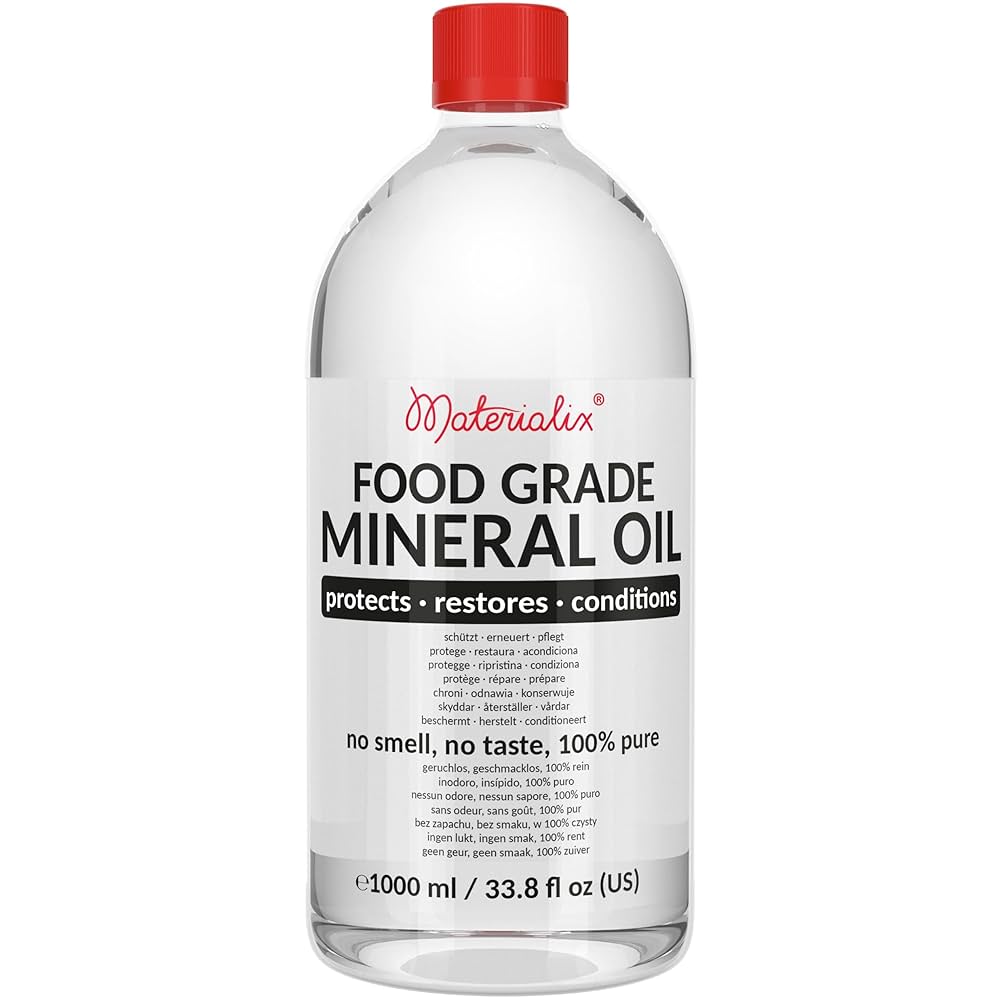
Credit: www.amazon.ca
Choosing The Right Oil
Oiling your cutting board helps protect it from water and stains. It also keeps the wood from drying out and cracking. Choosing the right oil is important for safety and effectiveness.
Some oils are better for cutting boards than others. You want an oil that soaks into the wood and is safe for food contact.
Types Of Oils
There are many oils you can use on cutting boards. Some are natural, and some are processed. Each oil works differently to protect the wood.
- Mineral oil: A popular choice, it is odorless and colorless.
- Walnut oil: A natural oil that soaks in well but may cause allergies.
- Beeswax blends: Often mixed with oils for extra protection.
- Coconut oil: Some use it, but it can go rancid over time.
Food-safe Options
Always pick oils that are safe to use with food. These oils do not harm your health and keep your cutting board clean.
Food-safe oils include mineral oil, food-grade walnut oil, and pure beeswax mixtures. Avoid oils that can spoil or have added chemicals.
- Food-grade mineral oil
- Pure walnut oil (check for allergies)
- Beeswax and mineral oil blends
- Avoid vegetable and olive oils (can go rancid)
Allergies And Preferences
Some people have allergies to certain oils like walnut or other nuts. Be sure to check for allergies before choosing an oil.
If allergies are a concern, mineral oil is a safe and neutral option. Also consider your personal preferences for smell and ease of use.
- Check for nut allergies before using nut oils
- Mineral oil is hypoallergenic and odorless
- Coconut oil may smell but can spoil
- Choose oils that fit your lifestyle and needs
Benefits Of Oiling
Oiling your cutting board helps keep it in good shape. It stops the wood from drying out and getting damaged.
Using the right oil makes your board last longer and look nicer. It also keeps cracks and splits away.
Protection And Longevity
Oiling creates a protective layer on the cutting board’s surface. This layer stops water from soaking into the wood.
Water can cause the wood to swell and break down over time. Oiling helps the board stay strong and last many years.
Enhancing Appearance
Oiling brings out the natural color of the wood. It makes the grain look deeper and richer.
A well-oiled board looks clean and shiny. It keeps your kitchen looking fresh and neat.
Preventing Cracks And Splits
Dry wood can crack or split after use. Oiling keeps the wood moist and flexible.
This stops small cracks from turning into big problems. Your cutting board stays smooth and safe to use.
Popular Oils For Cutting Boards
Choosing the right oil helps keep your cutting board safe and long-lasting. Oils protect wood from drying and cracking.
Some oils work better for cutting boards than others. Let’s explore popular options and their benefits.
Mineral Oil
Mineral oil is a common choice for cutting boards. It is colorless, odorless, and does not go rancid. This oil soaks into the wood and creates a water-resistant layer.
Beeswax Blends
Beeswax blends mix beeswax with oils like mineral oil. This mix adds extra protection and a smooth finish. It helps seal the wood and keeps it shiny.
- Creates a stronger barrier against moisture
- Leaves a soft, polished surface
- Easy to apply and safe for food contact
Coconut Oil
Coconut oil is natural and smells good. It can protect wood but may go rancid over time if not refined. Food-grade refined coconut oil is best for cutting boards.
Linseed Oil
Linseed oil comes from flax seeds. It hardens after application, creating a durable finish. Use only food-safe boiled linseed oil, not raw oil.
| Oil Type | Food Safe | Water Resistance | Rancidity Risk |
| Mineral Oil | Yes | Good | None |
| Beeswax Blends | Yes | Better | None |
| Coconut Oil (Refined) | Yes | Fair | Moderate |
| Linseed Oil (Boiled) | Yes | Best | Low |
How To Apply Oil
Oiling your cutting board keeps it safe and lasts longer. It stops the wood from drying out and cracking.
Using the right oil and applying it correctly helps maintain a clean and smooth surface.
Preparation Steps
Before applying oil, clean your cutting board well and let it dry. Remove any food bits and stains.
- Wash the board with warm water and mild soap.
- Rinse thoroughly and dry with a clean towel.
- Let the board air dry completely to avoid trapping moisture.
- Lightly sand the surface if it feels rough or has marks.
Application Techniques
Apply oil in a smooth and even way. Use a clean cloth or brush to spread the oil.
| Tool | How to Use |
| Cloth | Rub oil in circular motions until the board is covered. |
| Brush | Brush oil evenly, covering all surfaces and edges. |
| Paper Towel | Use for wiping off excess oil after application. |
Let the oil soak in for several hours or overnight. Wipe off extra oil to prevent stickiness.
Frequency Of Application
How often you oil your board depends on use and dryness. Regular care keeps the wood healthy.
- If used daily, oil once every week or two.
- For light use, oil once a month.
- Oiling after each deep cleaning helps maintain protection.
- Watch for dull or dry spots to know when to apply oil.
Avoiding Harmful Oils
Choosing the right oil for your cutting board is important. Some oils can harm the wood or be unsafe for food.
Using safe, non-toxic oils helps keep your cutting board in good shape. It also protects your health.
Toxic Oils To Avoid
Some oils can spoil or become sticky on cutting boards. These oils may also cause health risks.
- Mineral oil with additives or fragrances
- Vegetable oils like olive or canola oil
- Nut oils such as walnut or almond oil
- Oils that can go rancid quickly
These oils can attract bacteria or leave a bad smell. They may also cause the wood to crack.
Effects Of Using Improper Oils
Using the wrong oil can damage your cutting board. It can make the surface sticky or soft.
Improper oils may also cause wood to warp or crack over time. This shortens the life of your board.
- Wood may absorb harmful chemicals
- Oils can go bad and smell foul
- Surface can become sticky or tacky
- Bacteria and mold may grow easily
- Board may lose its smooth texture
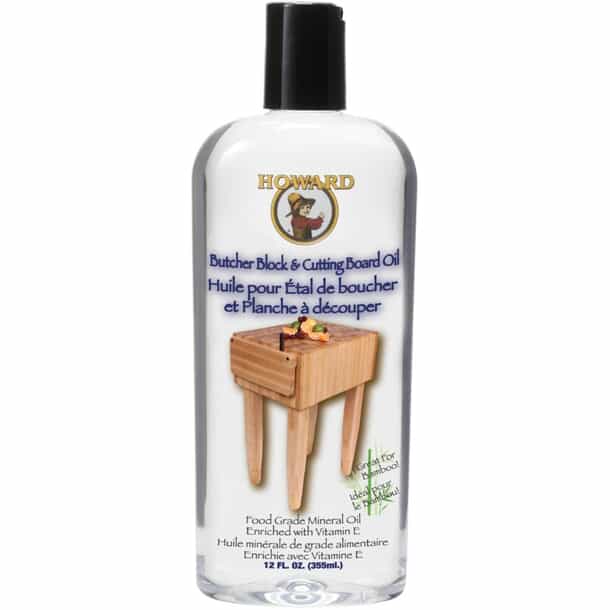
Credit: www.homehardware.ca
Maintaining Your Cutting Board
Using the right oil helps keep your cutting board safe and strong. Oiling stops the wood from drying out and cracking.
Regular care makes your board last longer and stay clean. It also prevents smells and stains from building up.
Regular Cleaning Practices
Clean your cutting board right after use. Use warm water and mild soap to wash it gently.
Do not soak the board in water. This can make the wood swell and crack. Dry it with a clean towel after washing.
- Wash with warm water and mild soap
- Do not soak or put in dishwasher
- Dry immediately with a towel
- Use a vinegar solution to remove odors
Storage Tips
Store your cutting board in a dry place. Avoid areas with too much moisture or heat.
Keep the board standing up or on a flat surface. This helps air flow and stops warping.
- Store in a dry, cool place
- Keep the board upright or flat
- Avoid stacking heavy items on it
- Oil the board regularly to protect the wood
Signs Your Board Needs Oiling
Cutting boards need regular oiling to stay in good shape. Oiling helps protect the wood and keeps it looking nice.
Watch for signs that show your board needs oil. These signs help you know when to oil your cutting board again.
Visible Wear And Tear
Look for cracks, scratches, or rough spots on your cutting board. These show the wood is drying out.
Oiling fills in small cracks and smooths the surface. It stops the board from breaking or splitting.
- Deep knife marks or cuts
- Wood fibers that look rough or splintered
- Small cracks appearing on the surface
Loss Of Shine
A well-oiled cutting board looks shiny and smooth. If the shine fades, the wood may be dry.
Dry wood absorbs water and food stains more easily. Oiling restores the shine and protects the board.
- Dull, matte surface instead of glossy
- Water beads do not form on the surface
- Wood looks faded or rough

Credit: ca.maisonrodin.com
Frequently Asked Questions
What Is The Best Oil For Cutting Boards?
Food-grade mineral oil is the best choice for cutting boards. It is non-toxic, odorless, and prevents wood from drying and cracking. Avoid vegetable oils that can go rancid and damage the board.
Can I Use Olive Oil On A Cutting Board?
Olive oil is not recommended for cutting boards. It can become sticky and rancid over time, attracting bacteria. Use mineral oil or specialized cutting board oils instead.
How Often Should I Oil My Cutting Board?
Oiling your cutting board once a month is ideal. Frequent use requires more frequent oiling. This maintains moisture, prevents cracking, and extends the board’s lifespan.
Is Coconut Oil Safe For Cutting Boards?
Refined coconut oil can be used on cutting boards. It resists rancidity better than other vegetable oils. However, food-grade mineral oil remains the top choice for durability.
Conclusion
Choosing the right oil keeps your cutting board safe and strong. Mineral oil is a popular choice. It soaks in well and does not go bad. Avoid cooking oils that can turn rancid. Treat your board regularly to stop cracks and stains.
Clean it gently and dry it after use. A well-oiled board lasts longer and stays beautiful. Simple care makes a big difference. Keep your cutting board healthy with the right oil.