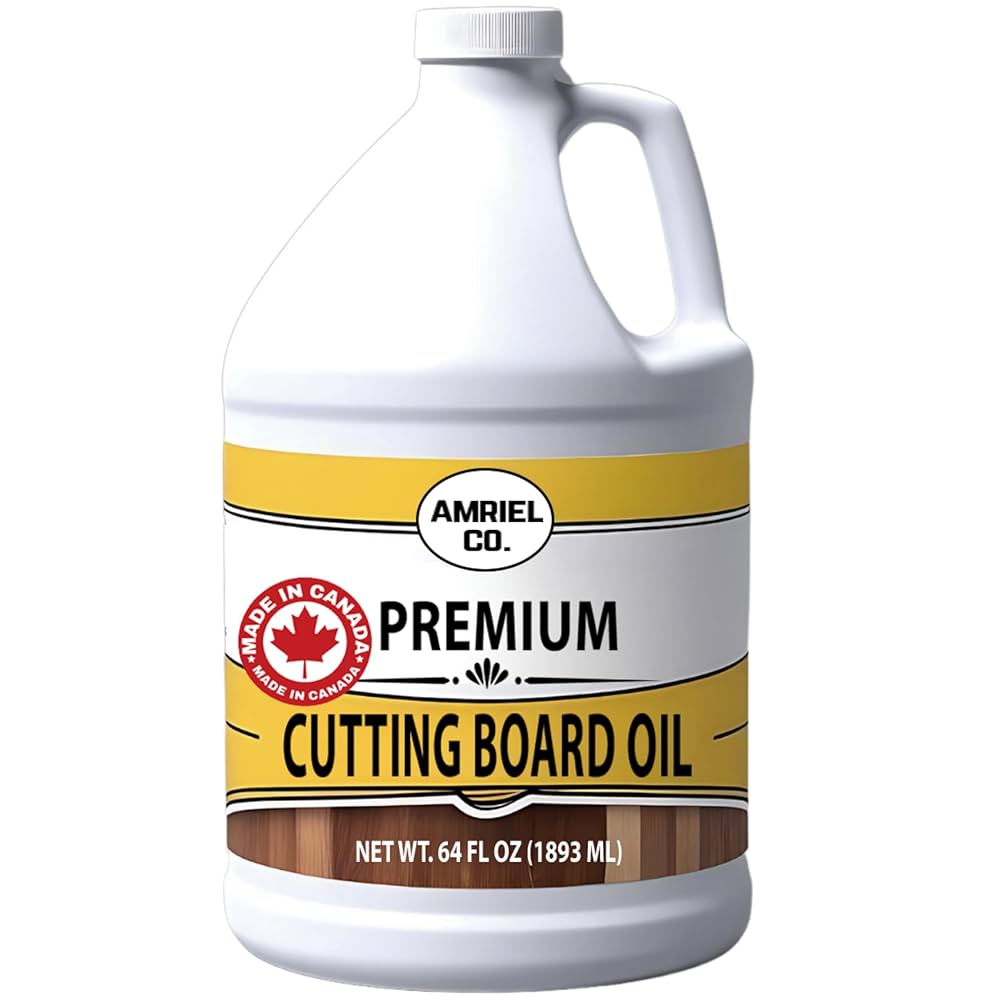
Your cutting board works hard every day, chopping, slicing, and dicing your favorite meals. But have you ever thought about how to keep it in top shape?
Choosing the right oil can make all the difference in protecting your board from cracks, stains, and bacteria. If you want your cutting board to last longer and stay safe for food prep, you need to know exactly what kind of oil to use.
Keep reading, and you’ll discover simple tips that will make caring for your cutting board easier than ever.
Choosing The Right Oil
Oiling your cutting board keeps it safe from cracking and drying. Picking the right oil helps protect wood and keeps it looking good.
Some oils work better than others. This guide explains which oils to use and which to avoid.
Mineral Oil Benefits
Mineral oil is a popular choice for cutting boards. It is colorless, odorless, and safe for food contact. Mineral oil soaks into the wood and helps stop water from damaging it.
This oil does not go rancid, so it lasts a long time. It also keeps the wood smooth and easy to clean.
Why Avoid Vegetable Oils
Vegetable oils like olive or canola oil are not good for cutting boards. These oils can turn sticky or go bad over time. This causes bad smells and can damage the wood.
- Vegetable oils can become rancid quickly.
- They may leave a sticky residue on the board.
- They do not protect the wood as well as mineral oil.
Natural Oils To Consider
| Oil Type | Benefits | Notes |
| Beeswax with mineral oil | Extra protection, smooth finish | Use as a board conditioner |
| Coconut oil (refined) | Natural and safe, resists water | Use refined to avoid spoilage |
| Tung oil | Hard finish, water-resistant | Needs curing time before use |
Applying Oil To Your Board
Oiling your cutting board keeps it strong and safe to use. It stops the wood from drying out and cracking.
Using the right oil and applying it properly helps your board last longer and look better.
Preparing The Surface
Clean your cutting board with warm water and mild soap before oiling. Let it dry completely.
If the surface feels rough, lightly sand it with fine-grit sandpaper. Remove dust with a dry cloth.
Proper Application Techniques
- Pour a small amount of oil on the board’s surface.
- Use a clean cloth or paper towel to spread the oil evenly.
- Cover every part, including edges and sides.
- Let the oil soak in for at least a few hours or overnight.
- Wipe off any extra oil with a dry cloth.
How Often To Oil
| Usage Frequency | Oiling Frequency |
|---|---|
| Daily use | Once a week |
| Occasional use | Once a month |
| Rare use | Every few months |
Maintaining Different Board Types
Cutting boards need proper care to last longer. Using the right oil helps protect each type. Different boards require different oils for best results.
This guide explains what kind of oil to use on wooden, bamboo, and plastic boards. Proper oiling keeps boards safe and strong.
Wooden Cutting Boards
Wooden boards absorb oil well. Use food-grade mineral oil to keep wood from drying out. Avoid cooking oils, as they can go rancid and smell bad.
- Apply mineral oil evenly with a soft cloth
- Let the oil soak in for a few hours
- Wipe off any extra oil to prevent stickiness
- Oil the board once a month for best care
Bamboo Boards
Bamboo boards need oil too. Use mineral oil or special bamboo oil. These oils keep the fibers tight and prevent cracking.
| Oil Type | Benefit |
|---|---|
| Mineral Oil | Safe and easy to find |
| Bamboo Oil | Contains natural waxes for extra protection |
Plastic Boards
Plastic boards do not absorb oil like wood or bamboo. Use oil only to reduce knife marks and keep the surface smooth.
Choose a light coating of mineral oil. Avoid heavy oils that can make the surface slippery or sticky.
- Clean board thoroughly before oiling
- Apply a thin layer of mineral oil
- Wipe off excess oil right away
- Oil once every few months or as needed
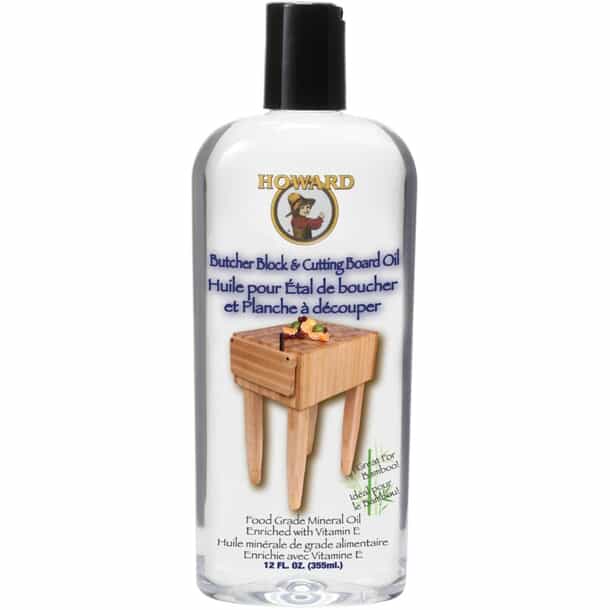
Credit: www.homehardware.ca
Common Mistakes To Avoid
Using the right oil on your cutting board keeps it safe and lasts longer. Many people make errors that damage their boards. Avoiding these mistakes helps your board stay clean and strong.
Below are common mistakes about oiling cutting boards. Learn what to avoid for the best care.
Using The Wrong Oil
Some oils spoil or turn sticky on cutting boards. Avoid oils that can go rancid or harm wood.
- Do not use vegetable or olive oil; they go bad fast.
- Avoid mineral oil blends with additives.
- Choose pure food-grade mineral oil or beeswax-based oils.
- Never use cooking oils like canola or sunflower oil.
Over-oiling Issues
Too much oil can leave your board sticky and attract dirt. It also slows drying and can cause damage.
| Problem | Effect |
| Excess Oil | Sticky surface, dirt attraction |
| Slow Drying | Wood stays wet, can warp |
| Oil Pooling | Uneven finish, messy look |
Neglecting Regular Care
Failing to oil your board regularly makes wood dry and crack. Clean and oil your board often.
- Clean board after each use with mild soap and water.
- Dry board well before oiling.
- Apply oil monthly or when wood looks dry.
- Store board in a dry place away from heat.
Additional Care Tips
Using the right oil on your cutting board is important. Proper care keeps the board strong and safe. Follow these tips to maintain your cutting board well.
Before applying oil, cleaning and storing the board correctly help it last longer. Removing stains and odors also improves your board’s condition.
Cleaning Before Oiling
Clean the cutting board thoroughly before oiling. Use warm water and mild soap. Avoid soaking the board in water to prevent warping.
- Scrub with a soft sponge or cloth
- Rinse with warm water
- Dry completely with a clean towel
- Let it air dry standing up
Dealing With Stains And Odors
Stains and smells can build up on your cutting board. Use simple home solutions to clean them without damage.
| Problem | Solution |
|---|---|
| Dark stains | Rub with coarse salt and lemon juice |
| Strong odors | Wipe with baking soda paste and rinse |
| Grease marks | Use white vinegar on a cloth and wipe clean |
Storing Your Cutting Board
Store your cutting board in a dry place. Proper storage stops cracks and mold growth. Keep it upright to allow air flow.
- Keep away from direct sunlight
- Do not stack heavy items on top
- Store where air can circulate
- Use a rack or stand if possible

Credit: kingsfleet.ca

Credit: kingsfleet.ca
Frequently Asked Questions
What Oil Is Best For Cutting Boards?
Mineral oil is the best choice for cutting boards. It’s food-safe, odorless, and prevents wood from drying out. Look for food-grade mineral oil to ensure safety. Regular application keeps your cutting board in good condition, preventing cracks and warping.
Can I Use Olive Oil On Cutting Boards?
Avoid using olive oil on cutting boards. It can become rancid over time, affecting the board’s odor and safety. Instead, opt for mineral oil. It’s stable and specifically designed for use on wood surfaces like cutting boards.
How Often Should I Oil My Cutting Board?
Oil your cutting board once a month. Regular oiling helps maintain its surface and prevents cracking. Frequency can vary based on usage. If the wood looks dry or rough, it’s time for a reapplication. Keeping your board well-oiled extends its lifespan.
Is Coconut Oil Good For Cutting Boards?
Coconut oil is not recommended for cutting boards. It can become rancid, leading to unpleasant odors. Instead, use food-grade mineral oil. It’s stable and doesn’t spoil, ensuring your cutting board remains safe and effective for food preparation.
Conclusion
Choosing the right oil keeps your cutting board safe and strong. Food-grade mineral oil works best and lasts long. Avoid cooking oils that can go bad or smell. Regular oiling stops cracks and warping. Clean your board before applying oil each time.
Keep your wooden board healthy with simple care. This small step extends its life and looks. Easy to do. Worth the effort. Your cutting board will thank you.