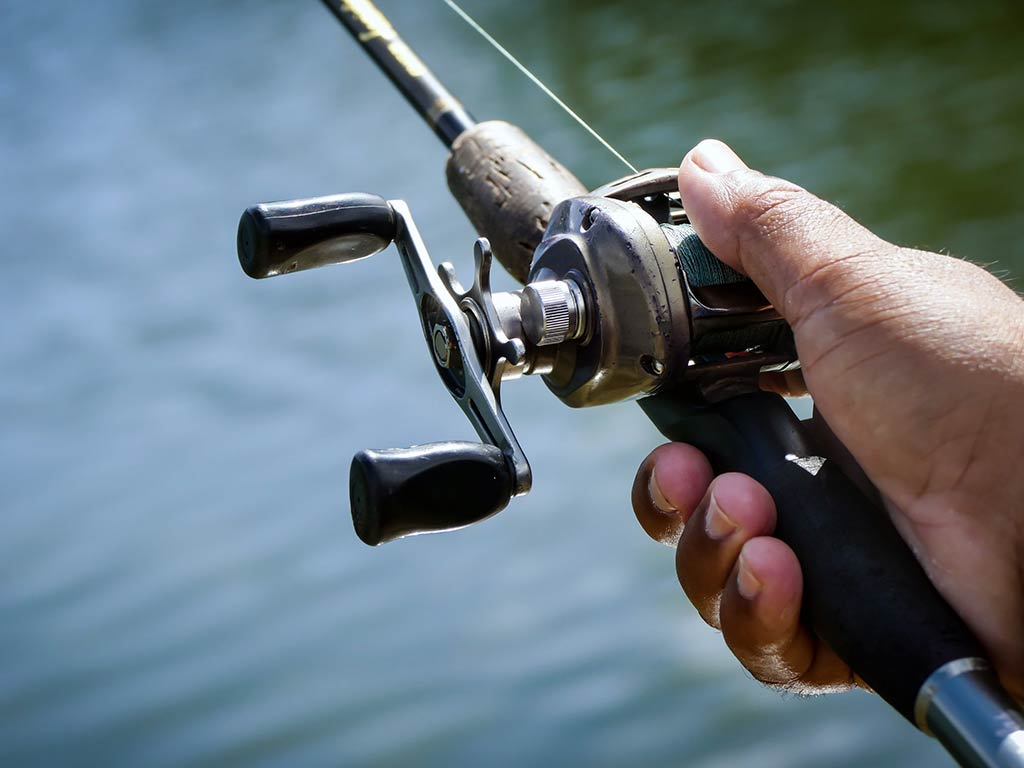
Choosing the right rod for bass fishing can make all the difference between a day full of excitement and frustration. You want a rod that feels just right in your hands, helps you cast smoothly, and gives you the power to reel in that big catch.
But with so many options out there, how do you know which one suits your style and needs? This guide will help you discover exactly what kind of rod will boost your bass fishing game. Keep reading, and you’ll be closer to landing your next trophy bass with confidence.
Choosing Rod Length
Choosing the right rod length is important for bass fishing success. The rod length affects your casting, control, and comfort.
Understanding the differences between short and long rods helps you pick the best one for your fishing style.
Short Vs Long Rods
Short rods usually measure 6 to 7 feet. They offer better control and work well in tight spaces.
Long rods are 7 to 8 feet or more. They allow longer casts and better line control in open water.
- Short rods: easier to handle, good for heavy cover
- Long rods: better for distance casting and fast retrieves
- Choose based on where and how you fish
Fishing Environment Impact
The fishing environment affects which rod length works best. Dense cover needs a shorter rod to avoid snags.
Open water lets you use longer rods for longer casts and better lure control.
- Tight spots favor short rods for quick movements
- Open lakes or rivers favor long rods for reach
- Consider obstacles and space around you
Casting Distance Factors
Rod length influences how far you can cast your lure. Longer rods help cast farther with less effort.
Short rods give more accuracy but shorter cast range, good for close targets.
- Long rods increase casting distance
- Short rods improve casting accuracy
- Match rod length with your fishing distance needs
Credit: www.texaskayakfisher.com
Rod Power And Action
Choosing the right rod power and action helps you catch bass better. Power shows how strong the rod is. Action tells how much the rod bends.
Different powers and actions work for different fishing styles and lures. Understanding these can improve your bass fishing experience.
Light Power
Light power rods are thin and flexible. They work well with small lures and light lines. These rods help feel small bites easily.
Light power is best for calm water and cautious bass. You can cast small baits far with these rods.
Medium Power
Medium power rods are stronger and more versatile. They handle medium-sized lures and lines well. These rods suit many bass fishing situations.
They give good control and power to fight bigger bass. Medium power rods are a good choice for most anglers.
Heavy Power
Heavy power rods are stiff and strong. They work with big lures and heavy lines. These rods help catch large bass in thick cover.
Heavy rods give power to pull bass from weeds or heavy structures. They are best for tough fishing spots.
Fast Action
Fast action rods bend mostly at the tip. They give quick hook sets and good sensitivity. These rods help detect bites fast.
Fast action is good for fishing with jigs and soft plastics. It helps control the lure better.
Moderate Action
Moderate action rods bend from the tip to the middle. They offer a balance of power and flexibility. These rods work well for general fishing.
Moderate rods help keep bass hooked during fights. They suit spinnerbaits and crankbaits fishing.
Slow Action
Slow action rods bend from the tip to the handle. They provide a smooth bend and gentle hook sets. These rods reduce line breaks.
Slow action is best for live bait and small crankbaits. It helps when fish are light biters.
Matching Rod Power With Lures
Match rod power to the weight of your lure for best results. Light rods suit light lures. Heavy rods handle heavy lures better.
- Light power: lures under 1/4 ounce
- Medium power: lures from 1/4 to 3/4 ounce
- Heavy power: lures over 3/4 ounce
Using the right rod power helps cast lures further. It also improves hook sets and control during the fight.
Material Types
Choosing the right rod material is crucial for bass fishing. Each material type offers unique benefits and challenges. Understanding these can help anglers make informed choices.
Let’s explore the different rod materials used in bass fishing: graphite, fiberglass, and composite rods. Each has distinct characteristics and uses.
Graphite Rods
Graphite rods are known for their sensitivity and lightweight nature. Anglers often prefer them for their ability to detect subtle bites.
- Lightweight for easy handling
- High sensitivity for better bite detection
- Preferred for fast action techniques
Fiberglass Rods
Fiberglass rods are more durable and flexible. They are ideal for beginners and those targeting larger bass due to their strength.
| Feature | Benefit |
| Durability | Long-lasting under stress |
| Flexibility | Better for larger fish |
| Cost | More budget-friendly |
Composite Rods
Composite rods combine graphite and fiberglass. They offer a balance of sensitivity and strength, catering to versatile fishing styles.
Handle And Grip Options
The handle and grip of a bass fishing rod affect how comfortable you feel. A good grip helps you hold the rod firmly. It also reduces hand fatigue during long fishing trips.
Choosing the right handle depends on the material, length, and reel seat type. These factors impact your control and comfort while fishing.
Cork Vs Eva Foam
Cork handles offer a classic feel and good grip even when wet. They are lightweight and provide natural comfort. Cork can wear out over time but feels great in your hand.
EVA foam handles are soft and durable. They resist water and damage well. EVA foam is easier to clean and often cheaper than cork. Some anglers prefer its firm but cushioned feel.
- Cork is lightweight and natural
- EVA foam is durable and water-resistant
- Cork feels better when wet
- EVA foam is easier to clean
Handle Length And Comfort
Longer handles give more leverage for casting heavy lures. Shorter handles offer better control for close fishing. The choice depends on your fishing style and location.
Comfort is key during long fishing sessions. Look for handles with smooth finishes and good shape. Handles that fit your hand size reduce fatigue and improve grip.
- Long handles help with long casts
- Short handles improve precision
- Choose a handle that fits your hand
- Smooth finishes increase comfort
Reel Seat Types
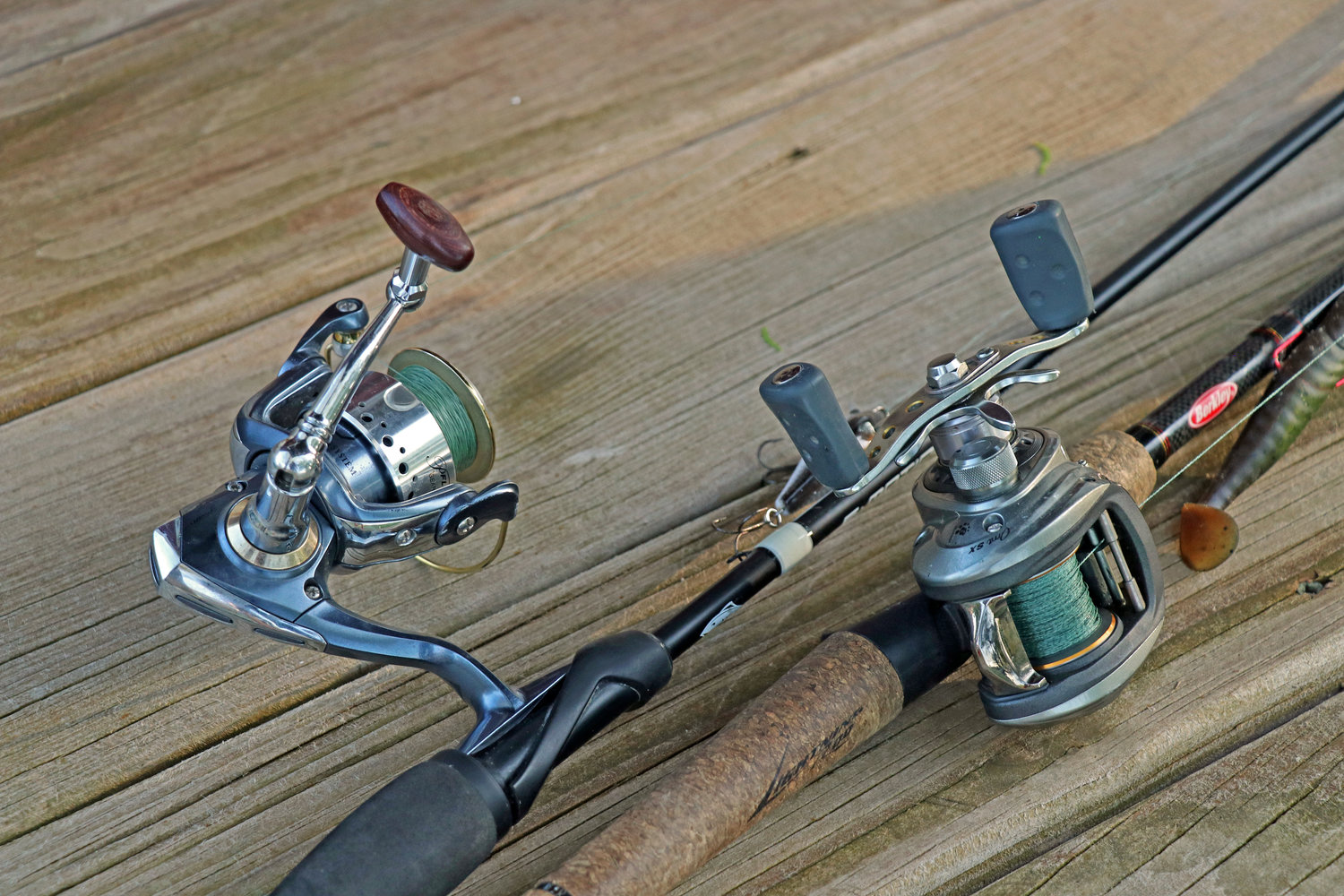
Reel seats hold the reel firmly on the rod. There are two main types: spinning and baitcasting reel seats. Each type fits different reels and affects balance.
Spinning reel seats are open and easy to use. Baitcasting seats have a trigger grip for better control. Choose a reel seat that matches your reel and fishing style.
- Spinning seats are open and simple
- Baitcasting seats have a trigger grip
- Match reel seat to your reel type
- Good reel seats improve balance
Line And Lure Compatibility
Choosing the right rod for bass fishing depends on your line and lure choices. Matching these elements improves casting and fish catching.
This guide covers monofilament, fluorocarbon, and braided lines. It also explains the best lures and how rod guides affect line control.
Monofilament
Monofilament lines stretch more than other types. This stretch helps absorb shocks when bass strike hard. They work well with lighter rods and soft plastic lures.
Fluorocarbon
Fluorocarbon lines are nearly invisible underwater. They are stiff and sensitive, making them perfect for clear water and rocky areas. Use these lines with medium power rods and hard baits.
Braided Lines
Braided lines have no stretch and high strength. They suit heavy cover and big bass. Pair them with strong rods and heavy lures for deep water fishing.
- Use braided line with fast action rods.
- Braided line needs large rod guides to reduce friction.
- Fluorocarbon pairs well with medium rods and crankbaits.
- Monofilament works best with light rods and spinnerbaits.
Best Lures For Bass
| Lure Type | Best Line | Rod Type |
| Soft Plastic Worms | Monofilament | Light to Medium Power |
| Crankbaits | Fluorocarbon | Medium Power |
| Spinnerbaits | Monofilament | Light Power |
| Jigs and Flipping Lures | Braided | Heavy Power |
| Topwater Lures | Fluorocarbon | Medium Power |
Rod Guides And Line Control
Rod guides help the line flow smoothly during casting and retrieval. Larger guides reduce friction for braided lines. Smaller guides work better with monofilament and fluorocarbon.
Good line control depends on guide placement and size:
- More guides reduce line tangles.
- Larger guides prevent heat buildup with braided lines.
- Quality guides protect the line from abrasion.

Credit: www.maguro-pro-shop.com
Specialized Rods For Techniques
Bass fishing uses different rods for different techniques. Each rod suits a specific style of fishing.
Choosing the right rod helps you catch more bass and enjoy fishing more.
Casting Rods
Casting rods are made for baitcasting reels. They offer strong control and accuracy.
These rods work well with heavier baits and lures. They give power for longer casts.
- Length usually between 6 to 8 feet
- Medium to heavy power for strong fish
- Fast action tip for quick hook sets
Spinning Rods
Spinning rods fit spinning reels. They are easier to use for beginners.
These rods are good for light lures and finesse fishing. They offer good sensitivity.
- Length usually from 6 to 7 feet
- Light to medium power for small lures
- Moderate to fast action for better control
Swimbait And Jig Rods
Swimbait and jig rods are designed for heavy lures and strong fish.
They have stiff blanks to handle big bass. They help with long casts and setting hooks.
- Length ranges from 7 to 8 feet
- Heavy to extra-heavy power for big lures
- Fast action to control large bass
Maintenance And Durability
Choosing the right rod for bass fishing means thinking about its care. Proper maintenance keeps your rod strong. It also helps it last through many fishing trips.
Simple cleaning, good storage, and timely repairs all add to your rod’s life. Follow easy tips to protect your fishing gear.
Cleaning Tips
After every fishing trip, clean your rod to remove dirt and salt. Salt can cause rust and damage the rod’s surface.
- Use fresh water to rinse off salt and debris
- Wipe the rod with a soft cloth
- Check guides and reel seats for dirt
- Avoid harsh chemicals that can damage the rod
- Dry the rod completely before storing
Storage Best Practices
Store your bass fishing rod in a dry place. Keep it away from extreme heat or cold. These conditions can weaken the rod material.
| Storage Tip | Reason |
| Hang the rod vertically | Prevents bending and warping |
| Use rod sleeves or tubes | Protects from dust and scratches |
| Keep away from direct sunlight | Prevents fading and material damage |
| Store in a cool, dry place | Stops corrosion and mildew |
Repair And Replacement
Fix small problems quickly to avoid bigger damage. Replace worn parts like guides or grips as needed. A well-maintained rod performs better.
- Replacing broken guides
- Re-wrapping loose thread wraps
- Fixing reel seat issues
- Repairing cracks or chips in the rod blank

Credit: gearjunkie.com
Top Brands And Models
Choosing the right rod is important for bass fishing. It affects how well you catch fish and enjoy your time. Many brands make rods that fit different needs and budgets.
This guide covers popular brands and models. It helps you pick a rod that works best for you.
Budget-friendly Picks
Budget rods give good quality without high cost. They are great for beginners or casual fishers. Many brands offer durable rods at low prices.
- Ugly Stik GX2: Strong and affordable for beginners
- Fenwick Eagle: Good sensitivity and solid build
- Shimano Solora 2: Reliable and light for easy use
High-end Options
High-end rods have better materials and design. They offer more power, precision, and comfort. Experienced anglers often choose these rods for serious fishing.
- St. Croix Legend Elite: Lightweight and very sensitive
- G. Loomis E6X: Strong with fast action
- Dobyns Fury: Durable with excellent balance
User Reviews And Recommendations
Many users share their thoughts online. They help find the best rods by sharing real experiences. Look for rods with good ratings and positive comments.
- Users like Ugly Stik for toughness and price
- St. Croix rods get praise for sensitivity and feel
- Shimano rods are noted for smooth casting
- Dobyns rods often recommended for balance and strength
Frequently Asked Questions
What Is The Best Rod Length For Bass Fishing?
A 6’6” to 7’6” rod length offers great control and casting distance. It suits most bass fishing techniques and environments.
Should I Use A Spinning Or Baitcasting Rod For Bass?
Baitcasting rods provide better accuracy and power for heavy lures. Spinning rods work well for lighter baits and finesse techniques.
What Rod Power Is Ideal For Bass Fishing?
Medium to medium-heavy power rods balance sensitivity and strength. They handle various bass sizes and lure weights effectively.
Which Rod Action Is Recommended For Bass Fishing?
Fast action rods deliver quick hook sets and better sensitivity. They are preferred for bass fishing with many lure types.
Conclusion
Choosing the right rod makes bass fishing more fun and successful. A medium-action rod suits most bass fishing styles well. Lighter rods help feel small bites better. Stronger rods work best for bigger bass and heavy cover. Remember to match your rod with the type of water and bait.
Try different rods to find what feels best in your hands. Enjoy the time on the water and keep learning about your gear. Good gear helps catch more bass, but patience matters most.