
Choosing the right wood for your cutting board can make a big difference in your kitchen. You want something that’s durable, safe, and easy to clean.
But with so many options out there, how do you know which wood is best for your needs? You’ll discover the top types of wood that combine strength and beauty, helping you pick the perfect cutting board. Keep reading to make sure your next board not only looks great but lasts for years to come.
Top Wood Types For Cutting Boards
Choosing the right wood for a cutting board is important for durability and safety. Some woods resist cuts and bacteria better than others.
This guide covers popular wood types used for cutting boards. Learn about their strengths and why they work well in the kitchen.
Hardwoods Vs Softwoods
Hardwoods come from slow-growing trees. They are dense and resist knife marks. Softwoods come from fast-growing trees and are usually less durable.
- Hardwoods last longer on cutting boards.
- Softwoods can dent and scratch easily.
- Hardwoods are less likely to absorb moisture.
- Softwoods may harbor bacteria due to their softness.
Maple Benefits
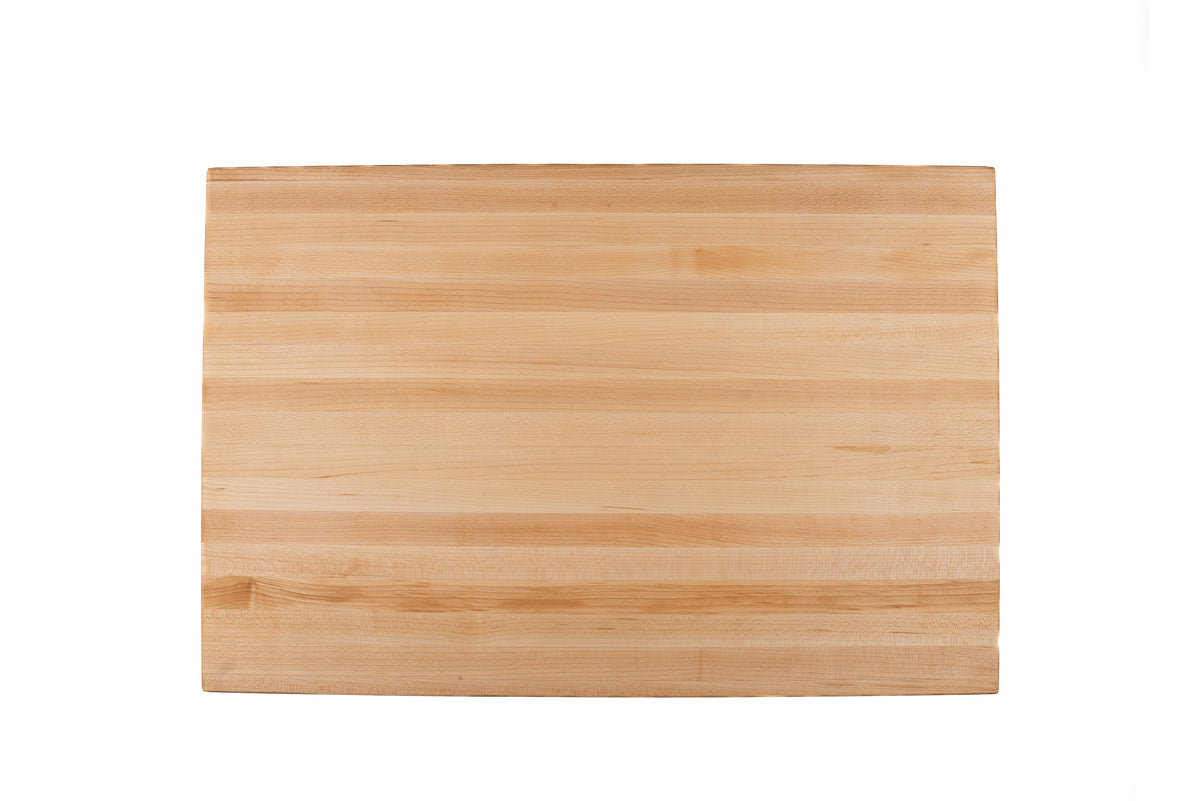
Maple is a popular hardwood for cutting boards. It is very hard and has a fine grain that hides cuts well.
| Feature | Details |
| Hardness | High, resists scratches |
| Grain | Fine and tight |
| Color | Light cream to reddish |
| Care | Easy to clean and maintain |
Walnut Qualities
Walnut is a dark hardwood that adds beauty to kitchens. It is strong and gentle on knives.
- Dark color hides stains well.
- Durable but softer than maple.
- Needs regular oiling to stay smooth.
- Offers natural antibacterial properties.
Cherry Characteristics
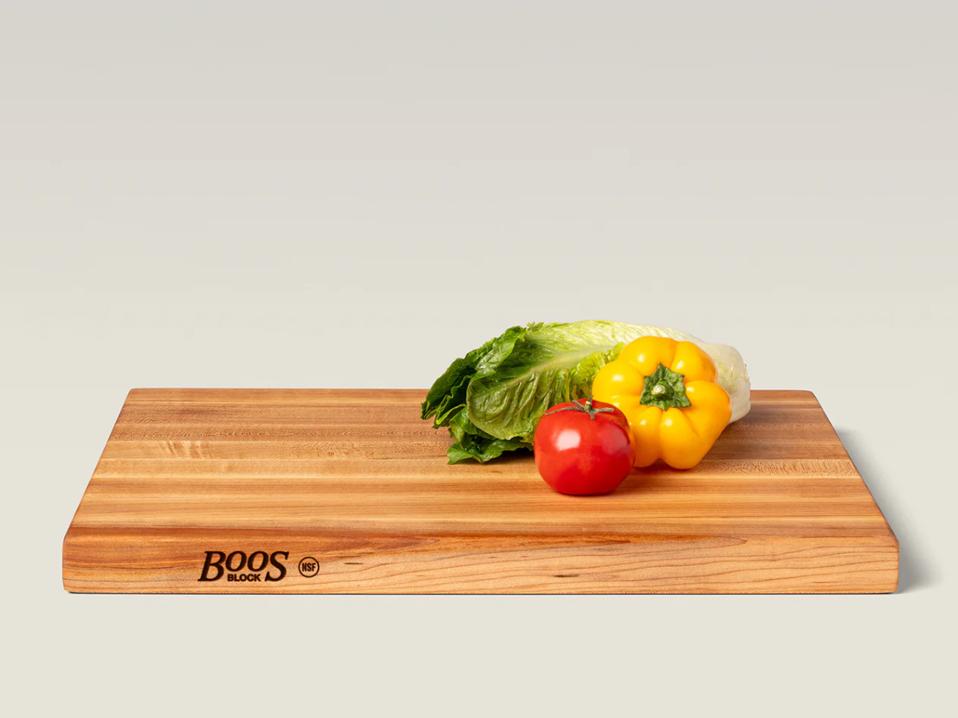
Cherry wood has a warm reddish tone. It is moderately hard and becomes richer with age.
It is smooth and safe for food contact. Cherry boards require gentle care to avoid drying.
Bamboo As An Alternative
Bamboo is not wood but a grass. It is eco-friendly and grows fast. Many cutting boards use bamboo for its hardness.
| Property | Bamboo | Hardwood |
|---|---|---|
| Growth Rate | Fast | Slow |
| Hardness | High | Varies |
| Water Resistance | Good | Good |
| Maintenance | Low | Medium |
| Eco Impact | Low | Higher |
Durability Factors To Consider
Choosing the right wood for a cutting board means thinking about how long it will last. Durability depends on several wood features. These features affect how well the board handles daily use.
Strong wood keeps the board safe and useful for years. It also protects the wood from damage caused by knives and water. Let’s look at the key durability factors.
Wood Hardness And Density
Hardness and density show how tough the wood is. Hard woods resist dents and scratches better than soft woods. Dense wood also holds up well under pressure.
Cutting boards need wood that is not too soft or too hard. Too hard wood can dull knives fast. Too soft wood can get damaged quickly.
- Hard woods like maple and walnut are popular.
- Dense woods resist deep cuts and dents.
- Balance is key for protection and knife care.
Resistance To Knife Marks
Wood that resists knife marks stays smooth and safe. Deep marks can trap bacteria and damage the board. Some woods heal better after knife cuts.
Boards made with end grain wood show fewer knife marks. The grain pattern helps knives slide in without deep cuts. This extends the board’s life.
- End grain boards resist cuts and scratches.
- Long grain boards show marks more easily.
- Choose wood that can handle knife use well.
Moisture Absorption
Wood that absorbs too much water can warp or crack. Water can also cause the wood to swell and split. Good cutting board wood keeps water out.
Some woods are naturally water-resistant. These woods stay stable after washing. Avoid woods that soak up water easily for cutting boards.
- Choose woods with low water absorption rates.
- Teak and walnut have natural water resistance.
- Keep boards dry to prevent damage.
Maintenance And Longevity
Easy-to-maintain wood lasts longer as a cutting board. Some woods need regular oiling to stay strong. Others can dry out and crack without care.
Cleaning and treating the wood protects it from damage. Good maintenance helps keep the board smooth and safe for food.
- Oil boards regularly to keep wood healthy.
- Clean with mild soap and dry fully.
- Proper care extends board’s life.
Health And Safety Aspects
Choosing the right wood for a cutting board affects your health and safety. Some woods naturally fight bacteria. Others need safe finishes to avoid toxins. Cleaning the board well keeps it safe to use.
This guide covers natural antibacterial properties, avoiding toxic finishes, and proper cleaning techniques for wood cutting boards.
Natural Antibacterial Properties
Certain woods have natural oils that kill bacteria. Hardwoods like maple, walnut, and cherry are good choices. They resist moisture and stop germs from growing.
- Maple has tight grain and natural antiseptic qualities
- Walnut is dense and slows bacterial growth
- Cherry has natural oils that reduce germs
- Bamboo resists water but is technically a grass
Avoiding Toxic Finishes
Not all wood finishes are safe for cutting boards. Avoid finishes with chemicals or solvents. Use food-safe oils and waxes to protect the wood. These keep the board safe and long-lasting.
| Finish Type | Safe for Cutting Board | Notes |
| Mineral Oil | Yes | Non-toxic and easy to apply |
| Beeswax | Yes | Natural and protective |
| Polyurethane | No | Contains harmful chemicals |
| Shellac | No | May contain alcohol solvents |
Proper Cleaning Techniques
Cleaning wood cutting boards properly stops bacteria and keeps wood healthy. Use mild soap and warm water. Avoid soaking or putting the board in a dishwasher.
- Wash board with warm, soapy water after use
- Rinse and dry immediately with a clean towel
- Disinfect with vinegar or diluted bleach if needed
- Apply food-safe oil regularly to protect wood
- Store board in a dry place to prevent mold

Credit: www.crateandbarrel.ca
Cutting Board Styles And Wood Grain
Choosing the right wood for a cutting board affects its style and durability.
Wood grain type shapes the board’s look and how it wears over time.
Edge Grain Boards
Edge grain boards show the long side of wood pieces glued together. They have a smooth surface and a classic look.
This style is less expensive and easier to make. It works well for everyday kitchen use.
End Grain Boards
End grain boards display the wood fibers on the cutting surface. This shows the wood’s growth rings.
- They are gentler on knives.
- They hide scratches better.
- They last longer with proper care.
End grain boards often cost more because they need more skill to build.
Mixed Grain Designs
Mixed grain boards combine edge and end grain pieces for a unique style.
| Grain Type | Appearance | Durability |
| Edge Grain | Long wood fibers visible | Good |
| End Grain | Wood rings visible | Excellent |
| Mixed Grain | Patterned mix | Varies |
Cost And Availability
Choosing the right wood for a cutting board depends on your budget and what is easy to find. Different woods have different prices and availability in stores.
Some woods cost less but still work well for cutting boards. Others are more expensive but offer durability and beauty.
Budget-friendly Options
Affordable woods are great for making cutting boards without spending too much. These woods are common and easy to buy from most places.
- Maple is a popular choice because it is hard and widely available.
- Birch is also affordable and has a light color that looks nice.
- Beech is strong and easy to find at local lumberyards.
- Rubberwood is cheap and often used for kitchen items.
Premium Wood Choices
Premium woods cost more but last longer and look elegant. These woods may be harder to find in some areas.
| Wood Type | Average Cost | Availability |
|---|---|---|
| Walnut | High | Moderate |
| Cherry | Medium to High | Moderate |
| Teak | High | Limited |
| Mahogany | High | Limited |
Sustainability And Sourcing
Choosing wood that comes from sustainable sources helps protect forests. Look for woods that are certified or harvested responsibly.
- FSC-certified wood ensures it comes from well-managed forests.
- Locally sourced wood reduces transportation impact and supports local businesses.
- Reclaimed wood is eco-friendly and gives a unique look to cutting boards.
Credit: knifewear.com
Credit: www.forbes.com
Frequently Asked Questions
What Is The Best Wood For Cutting Boards?
The best wood for cutting boards is hard maple. It’s durable, dense, and has a closed-grain structure. This makes it resistant to bacteria and less prone to knife marks. Hard maple is also safe for food contact, ensuring your cutting board lasts longer while maintaining hygiene.
Why Choose End Grain Wood For Cutting Boards?
End grain wood is highly durable and gentle on knives. It helps in self-healing from cuts, extending the board’s lifespan. This structure prevents deep grooves that can harbor bacteria, making it a safer choice. End grain boards also showcase an appealing checkerboard pattern, adding aesthetic value.
Are Bamboo Cutting Boards A Good Option?
Bamboo cutting boards are eco-friendly and cost-effective. They are harder than most woods, making them durable. However, they can be tough on knives, dulling them faster. Bamboo is resistant to moisture, reducing the risk of bacterial growth, but it requires regular oiling to prevent cracking.
How To Maintain A Wooden Cutting Board?
To maintain a wooden cutting board, clean it with warm water and mild soap. Avoid soaking or using a dishwasher. Regularly oil your board with mineral oil to prevent drying and cracking. Occasionally, sand the surface to remove deep cuts.
Proper maintenance will extend the board’s life and preserve hygiene.
Conclusion
Choosing the right wood makes your cutting board last longer. Hardwoods like maple and walnut work best. They resist cuts and hold up well to moisture. Soft woods may wear out quickly and trap bacteria. Regular cleaning and oiling keep boards safe and strong.
A good cutting board helps in daily cooking tasks. Pick wood that fits your budget and style. This simple choice improves your kitchen experience every day.