Choosing the right pound test fishing line for bass can make all the difference between landing a big catch and losing it at the last moment. You want a line strong enough to handle the fight but not so heavy that it scares bass away.
If you’ve ever felt confused about what lb fishing line to use for bass, you’re not alone. This guide will help you find the perfect balance, so you can boost your confidence and improve your fishing game every time you head out.
Keep reading, and you’ll discover exactly what line strength works best for your bass fishing needs.
Choosing Bass Fishing Line Strength
Picking the right strength for your bass fishing line is important. The line must hold up against the fish and the environment.
Choosing the correct pound test helps you catch bass without losing your bait or line.
Factors Influencing Line Strength
Several factors affect the strength you need in your fishing line. The type of water, cover, and fish size all matter.
Thicker cover like weeds or rocks needs stronger line. Open water allows lighter line. Also, the fish’s fighting power changes line choice.
- Water conditions (clear, murky, heavy cover)
- Size and strength of bass
- Type of fishing gear and reel
- Personal casting and fishing style
Typical Pound Test Ranges
Fishing lines come in different pound tests. This number shows how much weight the line can hold before breaking.
For bass fishing, common pound tests usually fall between 6 and 20 pounds. Lighter lines are easier to cast and hide better underwater.
- 6-10 lb test: Good for small to medium bass in clear water
- 12-15 lb test: Works well for average bass and moderate cover
- 17-20 lb test: Best for large bass and heavy cover
Matching Line To Bass Size
Match your line strength to the size of bass you expect to catch. Smaller bass need lighter line for better sensitivity.
For bigger bass, use stronger line to avoid breaks. This also helps when bass pull hard or fight in thick cover.
| Bass Size | Recommended Line Strength |
|---|---|
| Small Bass (1-3 lbs) | 6-8 lb test |
| Medium Bass (3-6 lbs) | 10-12 lb test |
| Large Bass (6+ lbs) | 15-20 lb test |

Credit: mysterytacklebox.com
Types Of Fishing Lines For Bass
Choosing the right fishing line is important for catching bass. Different types of lines work best in different situations. Knowing the types helps you pick the right one for your fishing style.
Fishing lines come in many materials and strengths. Each type has unique features that affect casting, strength, and invisibility in water.
Monofilament Lines
Monofilament lines are made from a single strand of nylon. They are flexible and easy to handle. This type works well for beginners.
Monofilament stretches more than other lines. This stretch helps absorb the shock from a bass strike. It is good for topwater and soft bait fishing.
- Affordable and widely available
- Good knot strength
- Stretches to reduce fish pull-outs
- Less visible in water
Fluorocarbon Lines
Fluorocarbon lines are made from a denser material than monofilament. They sink faster and are nearly invisible underwater. This helps when fishing in clear water.
Fluorocarbon is more resistant to abrasion. It works well around rocks and wood where bass hide. It has less stretch than monofilament, giving better hook sets.
- Low visibility in clear water
- Good abrasion resistance
- Sinks faster for deep fishing
- Higher sensitivity for bites
Braided Lines
Braided lines are made from many fibers woven together. They have very high strength and almost no stretch. This makes them very sensitive to bites.
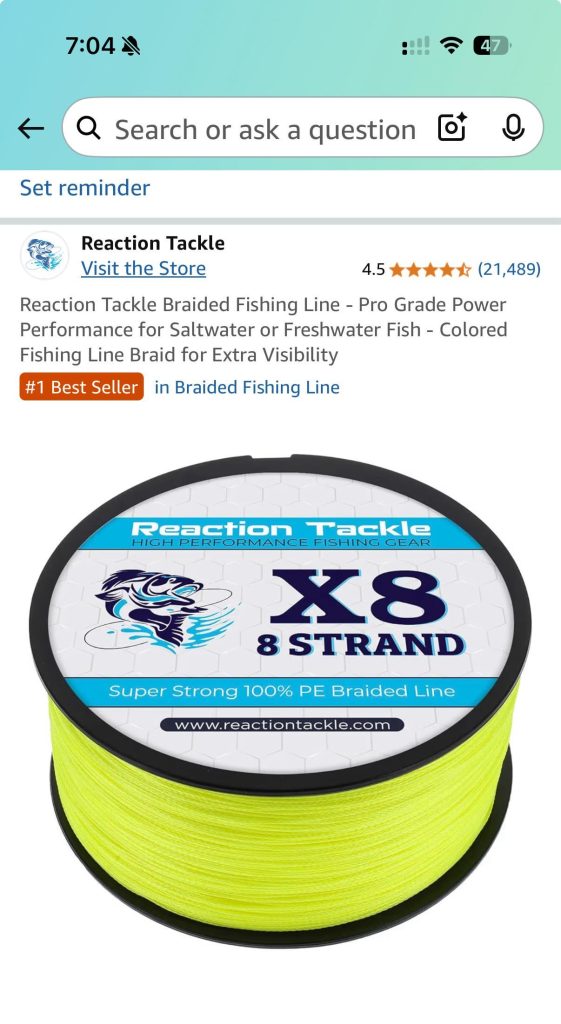
Braided lines are thin but strong. They are good for fishing in heavy cover where bass hide. The thin diameter helps cast farther and fight big fish.
- High strength with thin diameter
- No stretch for better bite detection
- Durable in heavy cover
- Visible in water, often used with fluorocarbon leader
Advantages Of High-pound Test Lines
High-pound test fishing lines are strong. They help catch big bass effectively.
These lines offer durability and resist rough conditions. This makes them a favorite for bass fishing.
Handling Big Bass
Big bass require strong lines. High-pound test lines handle the weight well.
- Prevent line breakage
- Manage heavy fish easily
- Ensure successful catch
Durability In Rough Conditions
Rough waters and rocky areas can damage fishing lines. High-pound test lines are more durable.
Resistance To Abrasion
Fishing near abrasive surfaces is risky. High-pound test lines resist abrasion well.
| Line Type | Abrasion Resistance |
| Monofilament | Moderate |
| Braided | High |
| Fluorocarbon | Very High |
Balancing Strength And Sensitivity
Choosing the right pound test (lb) fishing line for bass is key. It affects how well you feel the fish and how strong your line is.
Finding the balance between strength and sensitivity helps you catch more bass and protect your gear.
Impact On Lure Presentation
The fishing line weight influences how your lure moves in the water. Too heavy, and it can slow the lure down or make it unnatural.
- Lighter lines allow lures to move freely and naturally.
- Heavier lines may cause lures to sink faster or drag.
- Thin lines reduce visibility to bass, increasing chances of a strike.
- Stronger lines handle bigger lures but may reduce sensitivity.
Detecting Bites With Strong Lines
Strong lines can make it harder to feel light bites. Bass sometimes nibble gently, which needs good sensitivity.
| Line Strength (lb) | Sensitivity Level | Best Use |
| 4-6 lb | High | Small bass, clear water |
| 8-12 lb | Medium | Average bass, mixed conditions |
| 14-20 lb | Lower | Big bass, heavy cover |
Tips For Selecting The Right Line
Choosing the right pound (lb) fishing line is key for catching bass. The correct line helps you catch more fish and avoid breakage.
Different fishing conditions and techniques need different line strengths. Pick the right one for the best results.
Considering Water Conditions
Water clarity and cover affect your line choice. Clear water calls for thinner, less visible lines. Murky water lets you use thicker lines.
Strong currents or heavy cover need stronger lines to avoid breaks. Weaker lines work fine in calm, open water.
- Clear water: use 6-10 lb test line
- Murky water: 10-15 lb test line works well
- Heavy cover or strong currents: 15-20+ lb test line
Matching Line To Fishing Techniques
Your fishing method changes the best line choice. Light lines help with finesse techniques. Heavier lines suit strong lures and big bass.
Use braided lines for fast hook sets. Monofilament works well for topwater or soft plastic baits.
- Finesse fishing: 6-10 lb monofilament or fluorocarbon
- Using heavy lures: 12-20 lb braided line
- Topwater fishing: 8-12 lb monofilament
Budget And Availability
Your budget impacts your line choice. Some lines cost more but last longer. Others are cheaper but may break more easily.
Check local stores or online shops for availability. Choose lines that fit your budget and are easy to find.
- Monofilament: affordable and common
- Fluorocarbon: mid-range price, less visible
- Braid: higher cost, very strong

Credit: www.floridasportsman.com
Maintaining And Replacing Fishing Line
Choosing the right pound test fishing line for bass is important. Taking care of your line helps it last longer.
Regular maintenance keeps your fishing line strong and ready for the next catch.
Signs Of Line Wear
Check your fishing line often for damage. Look for cracks, frays, or discoloration.
These signs mean your line is weak and may break during use.
- Visible nicks or cuts on the line
- Line feels rough or brittle
- Line color fades or changes
- Frequent tangles or twists
Proper Line Storage
Store your fishing line in a cool, dry place. Avoid direct sunlight and heat.
Keep the line on the reel or in a sealed container to prevent dust and dirt.
- Use a line spooler for neat winding
- Avoid stretching the line when storing
- Keep line away from chemicals and oils
- Check stored line before fishing trips
When To Upgrade Line Strength
Use stronger line for bigger bass or tough fishing spots. Upgrade if fish break your line often.
Higher pound test lines give more power but may be less sensitive.
- Change line if it breaks too easily
- Increase strength for heavy cover or large fish
- Match line strength to your rod and reel
- Test line strength regularly before fishing

Credit: www.expertanglingloz.com
Frequently Asked Questions
What Lb Fishing Line Is Best For Bass Fishing?
A 10-20 lb test line is ideal for bass fishing. It balances strength and sensitivity, handling bass size well. This range suits various bass sizes and fishing conditions, offering control without sacrificing bite detection or line durability.
Can I Use 6 Lb Line For Bass Fishing?
Using 6 lb line is possible for small bass. However, it’s less durable and more prone to breakage with bigger fish. For larger bass, a heavier line is recommended to prevent snaps and improve hook-setting power.
How Does Line Weight Affect Bass Fishing Success?
Line weight affects casting distance, sensitivity, and strength. Lighter lines offer better sensitivity and longer casts but risk breaking. Heavier lines provide durability and control but reduce casting distance and bite feel. Choose based on bass size and fishing environment.
Is Braided Or Monofilament Line Better For Bass?
Braided line offers higher strength and sensitivity with less stretch. Monofilament has more stretch, which can prevent hook pullouts. Braided is best for heavy cover; monofilament suits clear water. Both types work well depending on fishing style and conditions.
Conclusion
Choosing the right lb fishing line helps catch bass with less trouble. Thinner lines offer better casting and less visibility underwater. Stronger lines handle bigger bass and rough spots better. Balance strength and thinness to match your fishing style. Test different lines to find what works best for you.
Keep your gear simple and reliable. Good fishing starts with the right line choice. Enjoy your time on the water and catch more bass.