Choosing the right pound test (lb) fishing line for bass can make all the difference between landing a big catch and losing it at the last moment. You want a line that’s strong enough to handle the fight but still sensitive enough to feel every nibble.
Wondering which lb rating fits your style and the conditions you fish in? This guide will help you pick the perfect fishing line, so you get more bites and bring home more bass. Keep reading to find out how to make your next bass fishing trip a real success.
Choosing The Right Pound Test
Picking the right pound test for your fishing line is key to catching bass. The pound test tells how much weight the line can hold before breaking.
Choosing the correct strength helps you fish with confidence and prevents losing bass or gear.
Factors Affecting Line Strength
Several factors affect the strength and durability of fishing line. These include the line material, diameter, and knot strength.
- Material:Monofilament, fluorocarbon, and braided lines all have different strengths.
- Diameter:Thicker lines usually have higher pound tests but can be more visible to fish.
- Knot Strength:Knots can reduce the overall line strength if not tied properly.
Matching Line To Bass Size
The size of the bass you expect to catch guides your choice of pound test. Larger bass need stronger lines to handle their fight.
| Bass Size | Recommended Pound Test |
| Small (under 2 lbs) | 4-6 lbs |
| Medium (2-5 lbs) | 8-12 lbs |
| Large (5-10 lbs) | 12-20 lbs |
| Extra Large (over 10 lbs) | 20+ lbs |
Water Conditions And Line Selection
Water clarity and cover affect your line choice. Clear water needs thinner, less visible lines. Heavy cover needs stronger, abrasion-resistant lines.
- Clear Water: Use lighter pound test and fluorocarbon lines for invisibility.
- Murky Water: Heavier lines help you feel bites better.
- Heavy Cover: Braided lines resist cuts from weeds and rocks.

Credit: mysterytacklebox.com
Types Of Fishing Lines For Bass
Choosing the right fishing line is important for catching bass. Different lines work better in certain situations. Understanding the types helps you pick the best one.
Fishing lines come in various materials and strengths. Each type has unique features that affect casting, strength, and visibility in water.
Monofilament Lines
Monofilament lines are made from a single strand of nylon. They are flexible and easy to handle for beginners. These lines stretch under load, which helps absorb the shock from a struggling fish.
Monofilament is usually less visible in water. It is good for clear water and calm conditions. These lines work well with most lures and baits for bass fishing.
Fluorocarbon Lines
Fluorocarbon lines are made from a material that sinks faster than monofilament. They are nearly invisible underwater, which helps in clear water fishing. Fluorocarbon is more resistant to abrasion around rocks and weeds.
These lines have less stretch than monofilament. This feature gives better sensitivity to feel bites. Fluorocarbon is a good choice for bass fishing in heavy cover or clear water.
Braided Lines
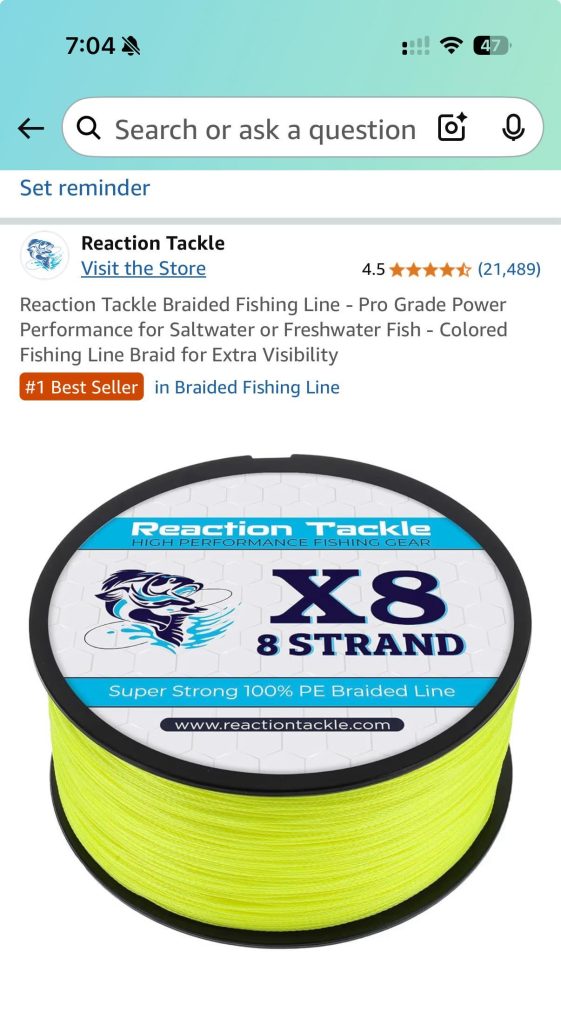
Braided lines consist of many thin fibers woven together. They have very high strength and very low stretch. This makes them ideal for fishing heavy cover or large bass.
Braided lines are more visible in water. Anglers often use a fluorocarbon leader with braided line to reduce visibility. These lines cast well and last a long time.
Strength Vs. Sensitivity
Choosing the right pound test (lb) for bass fishing line means finding a balance. Strength helps handle big fish. Sensitivity helps feel bites and lure action.
Both qualities affect your fishing success. Let’s explore how to balance durability and feel for bass fishing.
Balancing Durability And Feel
Stronger lines resist breaking but can be stiff. Softer lines offer better feel but may snap easier. Choosing the right lb depends on your fishing style.
- Higher lb tests give more durability and less sensitivity.
- Lower lb tests offer better sensitivity but less strength.
- Medium lb tests balance durability and feel for many anglers.
When To Prioritize Strength
Choose stronger line when fishing heavy cover or large bass. Strong line helps pull fish from weeds or brush without breaking.
| Fishing Condition | Recommended lb Test |
| Open water, small bass | 6-8 lb |
| Weedy or rocky areas | 12-17 lb |
| Large bass, heavy cover | 20 lb or more |
Impact On Casting And Retrieval
Thicker, stronger lines may reduce casting distance. They can also affect lure action and feel during retrieval.
Consider these factors when picking your lb test:
- Heavier lines may cause less smooth casts.
- Lighter lines improve lure action and hook sensitivity.
- Stronger lines can increase drag in water.
- Find a line that feels right for your casting style.

Credit: www.floridasportsman.com
Top Pound Test Recommendations
Choosing the right pound test fishing line is important for catching bass. It helps you fight the fish without breaking the line. Different bass sizes need different line strengths.
Here are top pound test recommendations for bass fishing. These cover small, average, and trophy bass lines.
Lightweight Lines For Panfish And Small Bass
Lightweight lines work best for panfish and small bass. These lines let you feel bites better. They are less visible in clear water.
Use lines with low pound test to avoid scaring small fish. These lines are easy to cast and handle.
- 2 to 6 pound test monofilament
- 4 to 8 pound test fluorocarbon
- 4 to 6 pound test braided line
Medium Strength Lines For Average Bass
For average size bass, use medium strength lines. These lines provide a good balance of strength and sensitivity. They help handle fights with bass around 2 to 5 pounds.
Choose lines that offer durability without too much bulk. This helps keep your lure action natural.
- 8 to 12 pound test monofilament
- 10 to 12 pound test fluorocarbon
- 10 to 15 pound test braided line
Heavy Lines For Trophy Bass
Heavy lines are needed for trophy bass. These big fish are strong and can break weaker lines easily. Heavy lines give you the power to reel them in safely.
Use lines with high pound test to handle rough cover and long fights. These lines are thicker but very tough.
- 14 to 20 pound test monofilament
- 15 to 20 pound test fluorocarbon
- 20 to 30 pound test braided line
Tips For Maximizing Line Performance
Choosing the right lb fishing line for bass is important. Using the line well helps catch more fish.
Taking care of your fishing line keeps it strong and working longer. Follow simple tips to get the best results.
Proper Line Maintenance
Keep your fishing line clean and dry after each use. Dirt and salt can weaken the line over time.
Store the line in a cool, dark place to stop damage from sunlight and heat. Check the spool regularly for wear.
- Rinse line with fresh water after fishing
- Dry line completely before storage
- Avoid exposure to direct sunlight
- Inspect line for cuts or frays often
Knot Strength And Techniques
Tying strong knots keeps the line from breaking when you catch bass. Use knots that hold well with your line type.
Practice tying knots like the Palomar, Improved Clinch, or Trilene knot. These knots work well for bass fishing lines.
- Double-check your knots before casting
- Wet the knot before tightening to reduce friction
- Trim excess tag ends close to the knot
Replacing Old Or Damaged Line
Replace your fishing line if it shows signs of wear. Old lines can snap easily and lose strength.
Change the line at least once per season or more if you fish often. Use the right lb test for your bass fishing needs.
- Look for discoloration, nicks, or rough spots
- Replace line after heavy use or big catches
- Match line strength to rod and lure size

Credit: www.expertanglingloz.com
Real-world Bass Fishing Scenarios
Choosing the right pound test (lb) fishing line is key for catching bass. Different fishing spots and techniques need different line strengths. This guide looks at real situations to help pick the best line for bass fishing.
We will cover fishing in heavy cover, open water fishing, and trolling or jigging. Each scenario has unique challenges that affect line choice.
Fishing In Heavy Cover
Heavy cover means thick plants, wood, or rocks where bass hide. Strong, abrasion-resistant line helps avoid breaks. Many anglers pick lines from 12 to 20 lb test for strength.
- Use braided line for strength and sensitivity.
- Fluorocarbon leader helps avoid line visibility.
- Choose heavier line to pull bass out of thick weeds.
- Check line for wear often to prevent breaks.
Open Water Bass Fishing
In open water, bass may be more cautious. Lighter line helps with a natural bait presentation. Anglers often use 6 to 12 lb test lines here.
| Line Type | Recommended lb Test | Best Use |
| Monofilament | 6-10 lb | General open water fishing |
| Fluorocarbon | 8-12 lb | Clear water and stealth |
| Braid | 10-12 lb | Heavy lures or windy conditions |
Trolling And Jigging Applications
Trolling and jigging often need medium strength lines. The line must handle constant lure movement and fish strikes. A range of 8 to 15 lb test is common.
Use this checklist for trolling or jigging line choice:
- Check lure weight and size
- Match line strength to lure action
- Consider water depth and structure
- Choose line with good knot strength
Frequently Asked Questions
What Lb Fishing Line Is Best For Bass?
A 10-20 lb test line is ideal for bass fishing. It offers strength to handle bass and sensitivity for bites. Choose 12-15 lb for most freshwater bass fishing situations.
Can I Use 6 Lb Line For Bass Fishing?
Using 6 lb line for bass is possible but less ideal. It’s more prone to breakage on larger bass. Heavier lines provide better control and durability.
Why Choose Braided Line For Bass Fishing?
Braided lines offer high strength and low stretch. They provide excellent sensitivity and durability. This helps in detecting bites and handling heavy cover while bass fishing.
Is Fluorocarbon Line Good For Bass?
Fluorocarbon line is excellent for bass fishing due to its low visibility underwater. It is abrasion-resistant and sinks faster, making it perfect for clear water conditions.
Conclusion
Choosing the right fishing line for bass matters. It affects your catch success. A 10-20 lb line works well for most bass fishing. Heavier lines handle larger bass and cover. Lighter lines offer more sensitivity and finesse. Think about your fishing style and location.
Different situations need different lines. Experiment with line types and weights. See what works best for you. Practice makes perfect in fishing. Enjoy your time on the water. Happy fishing!