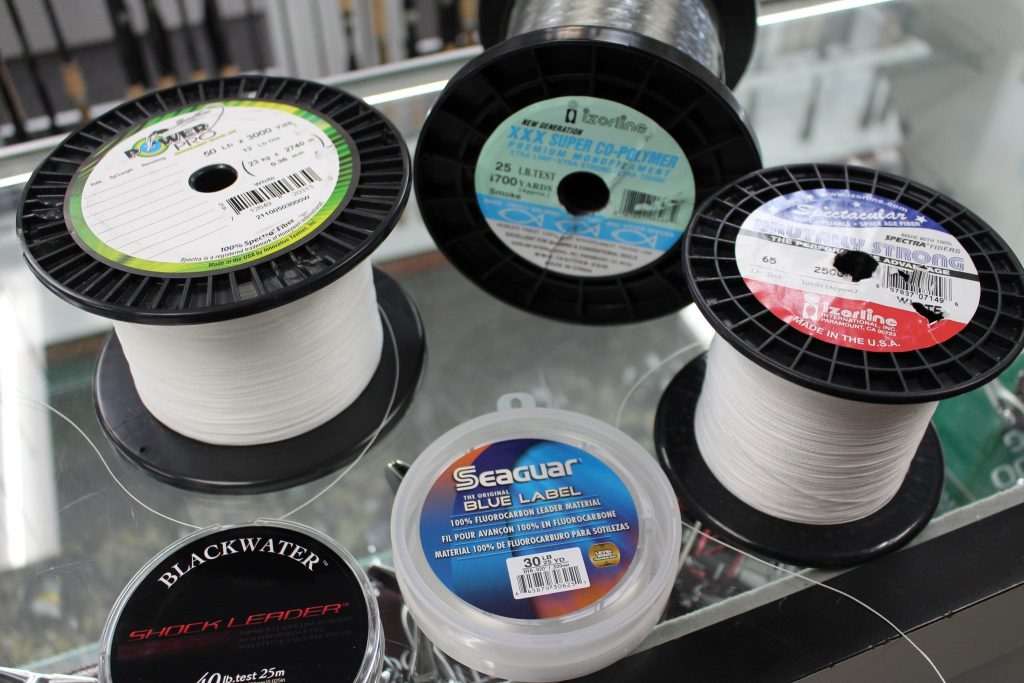
Choosing the right lb fishing line can make or break your fishing experience. You want a line that’s strong enough to land your catch but not so heavy that it scares the fish away.
If you’ve ever felt confused about which line to pick, you’re not alone. This guide will help you understand exactly what lb fishing line to use for different situations. By the end, you’ll feel confident and ready to reel in your next big catch.
Keep reading to find out how to match your fishing line to your needs perfectly.

Credit: mysterytacklebox.com
Choosing The Right Lb Rating
Selecting the correct pound (lb) rating for fishing line is important. It affects your success and gear performance.
The lb rating shows the line’s strength. Using the right rating helps avoid line breaks and lost fish.
Matching Line Strength To Fish Size
Match the line’s strength to the size of the fish you want to catch. Bigger fish need stronger lines.
| Fish Size | Recommended Lb Rating |
| Small fish (under 5 lbs) | 4-8 lbs |
| Medium fish (5-15 lbs) | 10-20 lbs |
| Large fish (15-30 lbs) | 25-30 lbs |
| Very large fish (over 30 lbs) | 40+ lbs |
Considering Fishing Environment
Think about where you will fish. Water type and obstacles affect line choice.
- Use stronger lines in rocky or heavy cover areas.
- Clear water may need thinner, less visible lines.
- Saltwater fishing often requires corrosion-resistant lines.
- For open water, balance strength with casting distance.
Balancing Sensitivity And Durability
Choose a line that feels sensitive but also holds up well. Sensitivity helps detect bites early.
Durability protects against abrasion and wear from rocks, logs, and fish teeth.
- Monofilament lines offer good durability and stretch.
- Fluorocarbon lines provide low visibility and better sensitivity.
- Braid lines have high strength and low stretch but lower abrasion resistance.
Types Of Fishing Lines
Choosing the right fishing line is important for a good fishing experience. Different lines suit different types of fishing.
This guide explains three main types of fishing lines. Each type has its own strengths and uses.
Monofilament Lines
Monofilament lines are made from a single strand of nylon. They are popular and easy to use for beginners.
These lines stretch under pressure, which helps absorb shocks from fish pulls. They are also flexible and knot well.
- Good for general fishing
- Affordable and widely available
- Easy to handle and cast
- Can weaken with sun exposure
Braided Lines
Braided lines are made of several strands woven together. They have very high strength and low stretch.
These lines are thin but strong. They are good for fishing in heavy cover or deep water.
- High strength-to-diameter ratio
- Low stretch for better sensitivity
- Resistant to abrasion
- Can be visible in clear water
Fluorocarbon Lines
Fluorocarbon lines are made from a special plastic that is nearly invisible underwater. Fish find it hard to see.
These lines sink faster than others and resist water absorption. They are good for clear water fishing.
- Low visibility in water
- High abrasion resistance
- Sinks quickly for better bait control
- Less stretch than monofilament
Factors Influencing Line Selection
Choosing the right pound test (lb) fishing line is important. It depends on many factors that affect your fishing success.
Understanding these factors helps you pick a line that works well with your gear and fishing conditions.
Rod And Reel Compatibility
Your rod and reel have limits on the line strength they can handle. Using the right lb test keeps your gear safe and working well.
| Rod Power | Recommended Line Strength (lb) |
| Light | 2-6 |
| Medium | 8-14 |
| Heavy | 15-30+ |
Casting Distance And Control
Line weight affects how far and how accurately you can cast. Lighter lines cast farther but may be harder to control.
- Lighter lines offer longer casts
- Heavier lines provide better control
- Match line weight to your casting style
Water Conditions And Clarity
Water type and clarity affect how visible your line is to fish. Choose a line color and strength that suits the water.
| Water Type | Line Color | Line Strength (lb) |
| Clear | Light or Clear | 4-10 |
| Murky | Dark or Camouflage | 8-20 |
| Saltwater | Strong and Abrasion Resistant | 15-50+ |
Common Lb Ratings For Different Species
Choosing the right pound test (lb) fishing line helps you catch fish more easily. Different fish species need different line strengths. Using the correct lb rating improves your chances of landing the fish.
Below are common lb ratings for several popular fish species. These ratings balance strength and sensitivity for each type of fishing.
Small Panfish And Trout
Small panfish like bluegill and crappie, as well as trout, do not require very heavy fishing line. Light lines allow better bait presentation and more bites.
- 4 to 6 lb test line is common for panfish.
- 6 to 8 lb test line works well for most trout.
- Fluorocarbon or monofilament lines are popular choices here.
Bass And Walleye
Bass and walleye are stronger fish and need medium-strength lines. The right line helps fight the fish without breaking.
| Species | Recommended lb Test | Line Type |
| Largemouth Bass | 8-12 lb | Monofilament or Braided |
| Smallmouth Bass | 8-12 lb | Monofilament or Braided |
| Walleye | 6-10 lb | Monofilament |
Saltwater Gamefish
Saltwater fish are often larger and stronger. Use heavier line to avoid losing your catch. Saltwater also wears down fishing line faster.
Common saltwater species and their lb ratings:
- Redfish: 15-20 lb braided line
- Snook: 20-30 lb braided line
- Tarpon: 50-80 lb braided line
- Tuna: 50-100 lb braided line
Using braided line with a fluorocarbon leader is a popular setup in saltwater.
Tips For Testing Line Strength
Choosing the right pound (lb) fishing line is important for catching fish. Testing line strength helps you avoid losing fish or gear.
Knowing how to test your fishing line keeps you ready for any fishing trip. It also saves money by preventing breaks.
Knot Strength Importance
Knot strength shows how strong your line is where it ties. Weak knots can break even if the line is strong.
Always test knots before fishing. Pull the knot tight to check if it slips or breaks.
- Use strong, simple knots like Palomar or Improved Clinch
- Moisten the knot before tightening to avoid friction damage
- Trim excess tag ends to prevent snagging
Abrasion Resistance Checks
Abrasion resistance means the line can handle rough surfaces without breaking. Rocks and debris can wear down the line.
Test your line by rubbing it against rough material. Check for frays or weak spots before fishing.
- Run the line gently over sandpaper or a rough rock
- Look for fuzziness or cuts in the line
- Replace the line if it shows signs of damage
Regular Line Maintenance
Regular line maintenance keeps your fishing line strong and reliable. Old line can lose strength over time.
Check your line often. Clean and replace it as needed to avoid surprise breaks.
- Remove dirt and salt with fresh water after each use
- Store line away from sunlight and heat
- Replace line every few months or after heavy use

Credit: mysterytacklebox.com
Adjusting Line Choice For Techniques
Choosing the right fishing line strength is important for success. Different fishing techniques need different line weights.
Picking the right pound test helps you catch fish without breaking your line. This guide explains what line to use for popular methods.
Topwater Fishing
Topwater fishing uses lures that float on the surface. Use lighter lines to feel subtle fish bites. Lines between 6 to 12 lb test work well.
- Lighter lines help with better lure action.
- Use fluorocarbon for low visibility on water.
- Strong knots prevent line from slipping during strikes.
Deep Water Fishing
Fishing in deep water needs stronger lines. Fish are larger and fight harder at depth. Use lines from 15 to 30 lb test.
| Depth | Recommended Line Strength |
| 10-30 feet | 15-20 lb |
| 30-60 feet | 20-25 lb |
| 60+ feet | 25-30 lb |
Using Lures Vs. Live Bait
Lures need a line that lets you control the action. Live bait may need a stronger line to handle sudden runs.
| Technique | Line Type | Line Strength (lb test) |
|---|---|---|
| Lure Fishing | Fluorocarbon or Monofilament | 8-15 |
| Live Bait | Monofilament or Braided | 12-25 |

Credit: www.youtube.com
Frequently Asked Questions
What Lb Fishing Line Is Best For Beginners?
A 6-12 lb fishing line is ideal for beginners. It balances strength and flexibility, making it easy to handle and versatile for various fish species.
How To Choose Fishing Line Lb For Heavy Fish?
For heavy fish, use a fishing line with 20 lb or higher strength. This prevents breakage and helps reel in larger catches efficiently.
Does Lb Rating Affect Fishing Line Casting Distance?
Yes, lower lb ratings generally allow for longer casting distances due to thinner line diameter and less air resistance.
What Lb Fishing Line Works Best For Freshwater Fishing?
A 6-12 lb fishing line is suitable for most freshwater fishing. It handles common species and ensures good sensitivity and durability.
Conclusion
Choosing the right lb fishing line affects your fishing success. Stronger lines hold bigger fish but may be less sensitive. Lighter lines offer better feel but can break easily. Match the line strength to your fish and gear. Test different lines to find what works best.
Keep your fishing enjoyable and effective with the right choice. Simple, smart decisions bring better catches every time.