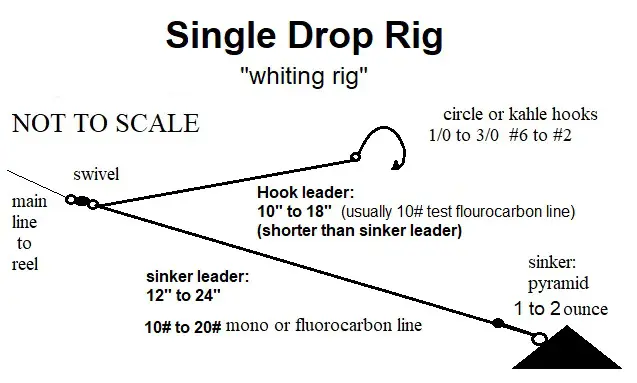
Choosing the right lb line for surf fishing can make all the difference between landing a big catch and losing it to the waves. You want a line strong enough to handle powerful fish but also flexible enough to cast far and resist the harsh saltwater environment.
If you’ve ever felt unsure about which pound test line suits your surf fishing needs, you’re not alone. This guide will help you pick the perfect line, so your next fishing trip is more successful and less frustrating. Keep reading to discover how to match your line strength with your fishing style and the fish you’re after.
Choosing The Right Line Weight
Picking the correct line weight is key for successful surf fishing. The right line helps you cast far and handle big fish.
Too light a line may break, and too heavy a line can reduce casting distance. Understanding line weight helps you fish better.
Factors Affecting Line Weight
Different things change what line weight you should use. These include the fish size, fishing location, and gear you use.
Stronger fish need heavier lines. Rough water or rocky areas may also require thicker lines to avoid breaks.
- Fish species and size
- Fishing location and conditions
- Type of rod and reel
- Distance you want to cast
- Personal fishing style
Common Line Weight Categories
Fishing lines come in many weight ranges. Each weight suits different surf fishing needs and fish sizes.
| Line Weight (lb) | Best For |
|---|---|
| 6-10 lb | Small fish, light tackle, calm surf |
| 12-20 lb | Medium fish, general surf fishing |
| 25-30 lb | Large fish, heavy surf, rocky areas |
| 35+ lb | Big game fish, very rough conditions |
Understanding Surf Fishing Conditions
Choosing the right pound line for surf fishing depends on many factors. Knowing the conditions helps you pick the best line strength.
Water conditions and the fish you want to catch affect your gear choice. This guide covers key points to consider.
Impact Of Water Conditions
Water conditions like waves, tides, and currents change how you fish. Strong waves need stronger lines to hold your bait.
- Calm water: lighter lines work well
- Strong currents: use heavier lines for control
- Rocky shore: thicker lines resist abrasion
- Deep water: heavier lines help with long casts
Influence Of Target Species
Different fish need different line strengths. Big, strong fish need heavy lines to avoid breakage.
| Fish Species | Recommended lb Line |
| Whiting | 6-10 lb |
| Striped Bass | 12-20 lb |
| Bluefish | 15-25 lb |
| Shark | 50+ lb |
Types Of Fishing Lines
Choosing the right fishing line is important for surf fishing. Different lines work best for different situations.
Fishing lines come in various materials and strengths. Each type has unique features to help catch fish.
Monofilament Lines
Monofilament lines are made from a single strand of nylon. They are flexible and easy to handle.
This type stretches under pressure, which helps absorb shocks from big fish. It is also the most affordable option.
- Good stretch for shock absorption
- Easy to knot and handle
- Less visible in water
- Best for beginners and general use
Braided Lines
Braided lines are made by weaving many fibers together. They are very strong and thin compared to other lines.
These lines have almost no stretch, giving better control when fighting fish. They are good for heavy surf fishing.
- High strength with thin diameter
- Low stretch for better sensitivity
- Durable and long-lasting
- Can be visible in clear water
Fluorocarbon Lines
Fluorocarbon lines are made from a special plastic that sinks faster than others. They are hard to see underwater.
This line resists abrasion from rocks and sand. It works well as a leader or main line in surf fishing.
- Nearly invisible underwater
- Good abrasion resistance
- Sinks faster than monofilament
- Less stretch than monofilament
Credit: www.temu.com
Strength And Durability Considerations
Choosing the right pound (lb) line for surf fishing depends on strength and durability. These factors help the line resist breaking and wear during use.
Strong and durable fishing lines improve your chances of landing big fish and reduce the need for frequent replacements.
Tensile Strength
Tensile strength is the maximum force a fishing line can handle before it breaks. It is important to pick a line that matches the size of fish you expect to catch.
- Higher tensile strength means the line can hold heavier fish.
- Too high strength can make the line thicker and less sensitive.
- Too low strength increases the risk of line snapping.
- Check the pound test rating on the line package.
Abrasion Resistance
Abrasion resistance shows how well the line withstands rubbing against rocks, sand, and other rough surfaces. Surf fishing lines must be tough to avoid damage.
| Line Type | Abrasion Resistance | Typical Use |
|---|---|---|
| Monofilament | Moderate | General surf fishing |
| Braided | High | Rough areas with rocks |
| Fluorocarbon | Good | Clear water, less visible |
Techniques For Effective Surf Fishing
Surf fishing lets you catch fish from the beach. Using the right line helps you cast far and handle big fish.
Choosing the correct pound test line improves your fishing success and keeps your gear strong.
Casting Techniques
Long casts help you reach fish far from shore. Use a smooth and steady motion to avoid tangles.
Match your line strength to your rod and reel for better control during casting.
- Use a heavier line for windy days and strong waves
- Practice sidearm and overhead casts for distance
- Keep your line tight to feel bites quickly
Line Maintenance Tips
Clean your line after each fishing trip to remove salt and sand. This prevents damage and line breakage.
Check your line for nicks or frays before fishing. Replace it if it shows wear to avoid losing fish.
- Rinse the line with fresh water after surf fishing
- Store the line away from direct sunlight
- Re-spool your reel every season to avoid tangles

Credit: www.bdoutdoors.com
Environmental And Ethical Considerations
Choosing the right lb line for surf fishing affects more than just your catch. It also impacts the environment and fish populations. Using proper line strength helps protect marine habitats and supports ethical fishing.
Being mindful of the line you use helps reduce pollution and harm to sea creatures. This guide explains how to choose the right line with care for nature.
Sustainable Fishing Practices
Using the correct lb line keeps fishing safe and sustainable. Lines that are too strong can catch large fish that should be released. Lines that are too weak may break, leaving debris in the water.
Choosing a line with the right strength helps catch fish without causing unnecessary harm. It also reduces lost tackle that pollutes beaches and oceans.
- Pick a line strong enough for target fish size
- Use biodegradable or eco-friendly lines if possible
- Avoid heavy lines that harm smaller fish or habitats
- Recycle old fishing lines properly
Impact On Marine Life
Fishing lines left in the ocean can hurt marine animals. Birds, turtles, and fish can get tangled, causing injury or death. Strong lines that break easily add to ocean pollution.
Using a proper lb line reduces lost gear and protects sea life. It helps maintain healthy oceans and preserves fish populations for future fishing.
- Lost lines cause entanglement and choking risks
- Weaker lines break less and reduce underwater debris
- Choosing the right line supports ecosystem health
- Responsible fishing helps keep marine life safe

Credit: fishingbooker.com
Frequently Asked Questions
What Lb Line Is Best For Surf Fishing?
For surf fishing, a 15 to 30-pound test line is ideal. It balances strength and casting distance, handling larger fish and rough surf conditions efficiently.
Can I Use Lighter Lb Line For Surf Fishing?
Lighter lines under 15 lbs may limit casting distance and risk breaking. They are best for smaller fish but not ideal for heavy surf fishing.
How Does Lb Line Affect Surf Fishing Casting?
Heavier LB lines offer better control and distance in strong surf. Lighter lines cast farther but may lack durability against large fish and rough waves.
Should I Choose Braided Or Monofilament Lb Line For Surf Fishing?
Braided lines with 20-30 lb test offer high strength and sensitivity. Monofilament lines provide stretch and abrasion resistance. Choose based on fishing conditions and target species.
Conclusion
Choosing the right lb line for surf fishing matters a lot. It helps you catch fish without breaking the line. A 15 to 30 lb test line usually works well for most surf fishing trips. Strong lines handle big waves and big fish better.
Remember, the fishing spot and fish size affect your choice. Use a line that feels good and suits your gear. This way, you enjoy fishing more and catch more fish. Simple, strong, and right for your needs—that’s the key.