Choosing the right lb line for surf fishing can make all the difference between a frustrating day and landing your dream catch. You want a line strong enough to handle powerful waves and big fish, but also light enough to cast far and feel every bite.
If you’re unsure which line weight will give you the best balance, you’re not alone. You’ll discover exactly what lb line works best for surf fishing, so you can fish with confidence and improve your chances of success every time you hit the shore.
Keep reading to find out how to pick the perfect line for your next surf fishing adventure.
Choosing The Right Lb Line
Selecting the correct pound (lb) test fishing line is key for surf fishing success. The right line helps you catch fish without breaking or losing your gear.
This guide explains how to pick the best lb line for your surf fishing needs. Knowing this helps you fish smarter and safer.
Factors Influencing Lb Line Selection
Several things affect which lb line you should use. These include the size of fish, fishing location, and your fishing gear.
Choosing the wrong line can cause snapping or poor casting. Consider these factors carefully before buying your line.
- Fish size and strength
- Type of fishing rod and reel
- Water conditions and terrain
- Distance you need to cast
- Your fishing style and experience
Matching Lb Line To Fish Species
Different fish species require different lb lines. Larger fish need stronger lines to avoid breakage.
Small fish can be caught with lighter lines, which cast farther and are less visible in water.
| Fish Species | Recommended LB Line |
| Whiting, small surf perch | 6-10 lb |
| Striped bass, red drum | 12-20 lb |
| Bluefish, small sharks | 20-30 lb |
| Large sharks, big game fish | 30 lb or heavier |
Impact Of Fishing Conditions
Conditions like waves, wind, and rocky bottoms affect your line choice. Rough conditions need stronger lines.
Clear water may require thinner lines to avoid scaring fish. Heavy surf can cause more wear on your line.
- Windy days may need heavier lines for control
- Rocky areas increase abrasion risk, use durable lines
- Calm water allows for lighter lines and longer casts
- Strong currents require strong lines to hold fish

Credit: www.bdoutdoors.com
Types Of Fishing Lines
Choosing the right fishing line is important for surf fishing. Different lines have different strengths and uses. This helps you catch fish better.
Fishing lines come in several types. Each type works best in certain conditions. Knowing these types helps you pick the right line.
Monofilament Lines
Monofilament lines are made from one strand of nylon. They are stretchy and easy to handle. This makes them good for beginners.
These lines float on water and are less visible. They work well for many types of surf fishing. They also cost less than other lines.
Braided Lines
Braided lines are made by weaving many fibers together. They are very strong and thin. This helps you cast far and feel bites better.
These lines do not stretch much. They sink in water and last long. Braided lines work well for heavy fish in rough surf.
Fluorocarbon Lines
Fluorocarbon lines are made from a special plastic that sinks. They are hard to see under water. This helps catch shy fish.
These lines resist abrasion and sunlight well. They are strong but less stretchy than monofilament. Fluorocarbon lines are good for clear water.
Lb Strength And Line Diameter
Choosing the right LB strength and line diameter is key for surf fishing. LB strength means the line’s breaking power.
Line diameter affects casting distance and how the line handles in water. Both factors help catch fish better.
Correlation Between Strength And Thickness
Stronger lines usually have a bigger diameter. Thicker lines hold more weight before breaking.
But thicker lines face more water resistance. This can reduce the line’s casting distance and sensitivity.
- Higher LB strength means thicker line diameter
- Thicker lines resist breaking but cast shorter
- Thinner lines cast farther but may break easier
Balancing Strength And Casting Distance
Pick a line that is strong enough for your target fish. Avoid lines that are too thick to cast well.
Many anglers use a medium LB strength with a moderate diameter. This balance lets you cast far and hold strong fish.
- Choose LB strength based on fish size
- Use thinner line for longer casts
- Use thicker line for heavy cover or big fish
- Test line feel before fishing for best results
Credit: www.temu.com
Recommended Lb Lines For Surf Fishing
Choosing the right pound (LB) line is important for surf fishing success. The line strength helps catch different fish sizes. It also affects casting distance and control.
This guide explains the best LB lines for surf fishing. It covers light, medium, and heavy-duty options. Pick the right one for your fishing needs.
Lightweight Lines For Small Fish
Lightweight lines usually have a strength of 6 to 12 pounds. They work well for small fish like perch and small bass. These lines are thin and allow long casts.
Using light lines gives better sensitivity. You feel even small bites quickly. These lines are less visible in clear water.
- 6-8 LB line: Best for panfish and small trout
- 8-10 LB line: Good for small bass and bream
- 10-12 LB line: Suitable for larger small fish in surf
Medium Strength Lines For Versatility
Medium strength lines range from 12 to 20 pounds. These lines are versatile. They can catch many fish types in surf fishing.
This line strength handles medium-sized fish like redfish and striped bass. It balances strength and casting distance well.
- 12-15 LB line: Ideal for most surf fishing situations
- 15-20 LB line: Good for bigger fish and tougher conditions
Heavy-duty Lines For Large Species
Heavy-duty lines have 20 pounds or more in strength. They are needed for large fish like sharks and big rays. These lines resist strong fights and rough water.
Using a heavy line reduces the risk of breakage. It gives more control when landing big surf fish.
- 20-30 LB line: For large surf fish and strong currents
- 30-50 LB line: Needed for very big fish and heavy gear
Line Maintenance And Longevity
Keeping your surf fishing line in good shape helps catch more fish. Proper care makes your line last longer and stay strong in tough conditions.
Check your line often and store it the right way. Knowing when to change it prevents breaks and lost fish.
Inspecting For Wear And Tear
Look closely at your fishing line before every trip. Small cuts or weak spots can cause it to snap.
- Run the line through your fingers to feel rough areas
- Check for discoloration or fraying
- Look for knots that may weaken the line
- Inspect the section near the lure or hook carefully
Proper Storage Tips
Store your line in a cool, dry place to keep it strong. Avoid sunlight and heat that can weaken the fibers.
| Storage Method | Benefit |
| Keep spool in plastic bag | Keeps dust and moisture out |
| Store away from direct sunlight | Prevents line degradation |
| Use line conditioner spray | Keeps line flexible |
| Do not store with tension | Avoids line stretching |
When To Replace Your Line
Change your line if it shows damage or after many uses. A fresh line reduces breaks and improves casting.
- Replace line if it has deep cuts or nicks
- Change after catching large fish that stress the line
- Swap line yearly if used often in saltwater
- Replace when line feels stiff or brittle
Tips For Enhancing Strength And Performance
Choosing the right lb line for surf fishing is important. It helps you catch bigger fish without breaking your line.
Using proper techniques can improve the strength and performance of your fishing line. This guide covers key tips to help you fish better.
Knots That Maximize Line Strength
Strong knots keep your line from breaking during a fight. Some knots keep more strength than others.
Use knots that hold tight and keep most of the line’s original strength.
- Palomar knot: Simple and holds about 95% strength
- Improved clinch knot: Common and reliable
- Uni knot: Versatile and easy to tie
- Loop knot: Allows bait movement and keeps strength
Using Leaders For Added Protection
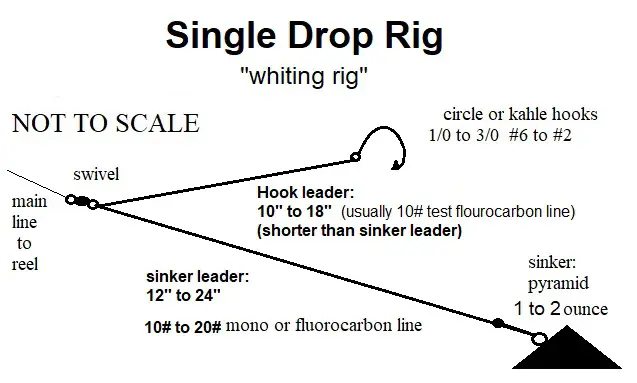
Leaders protect your main line from sharp teeth and rough surfaces. They help prevent breaks.
Choose leaders that match your fishing conditions and target fish size.
- Fluorocarbon leaders are strong and less visible in water
- Wire leaders work well for toothy fish like sharks
- Monofilament leaders add extra shock absorption
Adjusting Drag Settings Correctly
Drag controls the tension on your line during a fish fight. Setting it right stops the line from breaking.
Adjust drag to let the fish pull line smoothly but still give you control.
- Start with drag at about one-third of your line’s breaking strength
- Test drag by pulling line from the reel by hand
- Fine-tune drag based on fish size and water conditions

Credit: fishingbooker.com
Frequently Asked Questions
What Pound Test Line Is Best For Surf Fishing?
A 15-20 lb test line is ideal for surf fishing. It balances strength and casting distance well. This range handles most saltwater species and resists abrasion from sand and rocks.
Can I Use Braided Line For Surf Fishing?
Yes, braided line is great for surf fishing. It offers high strength with low stretch. Braided lines improve casting distance and sensitivity, helping you detect bites faster in surf conditions.
How Does Line Pound Affect Surf Fishing?
Line pound affects strength and durability in surf fishing. Higher pound lines resist breakage from strong fish and rough terrain. However, too heavy line reduces casting distance and lure action.
Should I Choose Monofilament Or Fluorocarbon Line?
Monofilament lines offer better stretch and buoyancy, ideal for beginners. Fluorocarbon lines are nearly invisible underwater and more abrasion resistant. Choose based on your fishing style and surf conditions.
Conclusion
Choosing the right lb line enhances your surf fishing experience. It impacts casting distance and strength. Light lines suit small fish. Heavy lines handle big catches. Water conditions also matter. Clear waters need lighter lines. Murky waters can use heavier ones.
Always match your line to your rod and reel. This balance ensures better performance. Consider the fish species you target. Research and practice improve your skills. Proper gear makes fishing more enjoyable. Enjoy surf fishing with the right line choice.
Happy fishing!