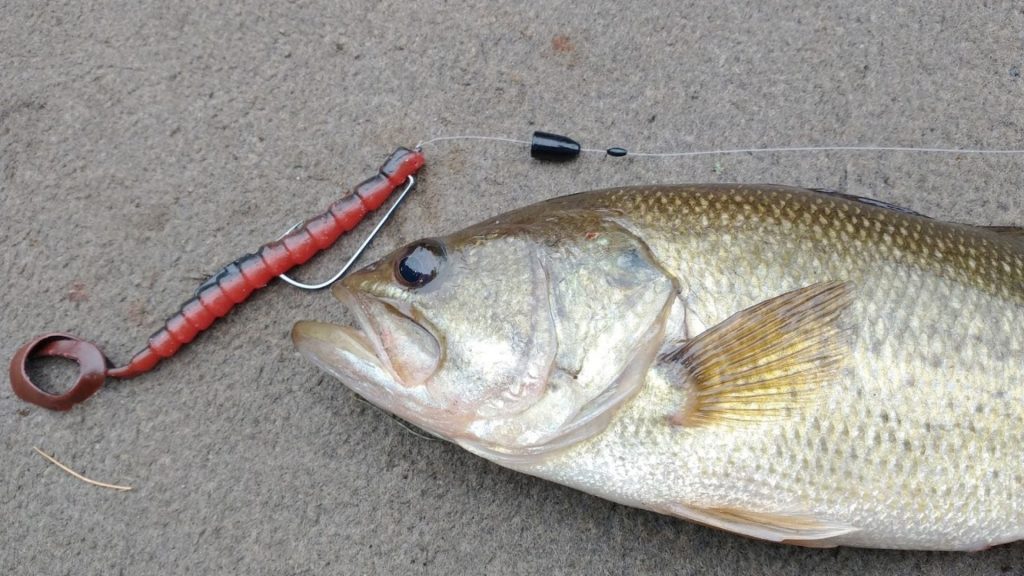
Choosing the right line for bass fishing can make all the difference between a thrilling catch and a frustrating day by the water. You might have the perfect rod and lure, but if your line isn’t up to the task, you could lose that big bass you’ve been chasing.
You’ll discover exactly what type of line works best for bass fishing, why it matters, and how to pick the one that fits your style and conditions. Keep reading, and you’ll be one step closer to landing your next trophy bass with confidence.

Credit: www.gameandfishmag.com
Choosing The Right Line Material
Picking the right fishing line is important for bass fishing success. Different line materials suit different fishing styles and water conditions.
This guide covers monofilament, fluorocarbon, and braided lines. Learn their pros, cons, and best uses.
Monofilament Pros And Cons
Monofilament line is popular for bass fishing. It is soft and easy to handle but has some limits.
- Pros:
- Good stretch absorbs fish strikes.
- Easy to tie knots.
- Less visible in water.
- Affordable and widely available.
- Cons:
- Stretches too much under heavy load.
- Can weaken with sun exposure.
- Not as sensitive as other lines.
Benefits Of Fluorocarbon
Fluorocarbon line sinks faster and is nearly invisible underwater. It is strong and resists abrasion well.
| Feature | Fluorocarbon Benefit |
| Visibility | Almost invisible in water |
| Strength | High abrasion resistance |
| Sensitivity | Transmits bites well |
| Stretch | Less stretch than monofilament |
| Sink Rate | Sinks faster for deep fishing |
When To Use Braided Line
Braided line has no stretch and very high strength. It is best for heavy cover and long casts.
- Use braided line if:
- You fish in thick weeds or heavy cover.
- You need strong line for big bass.
- You want longer casting distance.
- Be aware braided line is more visible in clear water.

Credit: www.reddit.com
Line Strength And Test Weight
Choosing the right line strength is key for bass fishing. The test weight tells you how much force the line can hold before breaking.
Picking the right test weight helps you catch bass without losing your tackle. It also affects how you feel the fish bite.
Matching Line Strength To Bass Size
Small bass need lighter lines with lower test weights. Big bass require stronger lines that can handle more weight.
Use lighter lines for bass under 2 pounds. For bass over 5 pounds, choose heavier lines to avoid breakage.
- 2-6 lb test for small bass
- 8-12 lb test for medium bass
- 14-20 lb test for large bass
Adjusting For Fishing Conditions
Clear water calls for lighter lines to avoid spooking bass. In murky water, use stronger lines to handle tougher bites.
Heavy cover like weeds or rocks needs thicker lines. Open water lets you use thinner, more sensitive lines.
- Clear water: 6-10 lb test
- Murky water: 10-15 lb test
- Heavy cover: 12-20 lb test
- Open water: 6-12 lb test
Balancing Sensitivity And Durability
Thinner lines offer better sensitivity. You can feel even small bites with them. But they break more easily.
Thicker lines last longer and resist damage. They reduce sensitivity but keep you fishing longer.
- Choose thinner lines for clear water and light bites
- Use thicker lines for rough conditions and big bass
- Find a balance that fits your fishing style
Line Diameter And Visibility
Choosing the right line for bass fishing is important. Line diameter and visibility affect your success.
Thicker lines are stronger, but they may be easier for bass to see. Thinner lines are less visible, but not as strong.
Impact On Casting Distance
The diameter of the line affects how far you can cast. Thinner lines cast farther because they have less resistance.
Thicker lines create more drag. This limits how far the line can travel in the air.
Line Visibility To Bass
Bass can spot fishing lines if they are too visible. Clear or transparent lines are harder for bass to detect.
Colored lines might be easier for fish to see. It depends on water clarity and light conditions.
Choosing Low-visibility Lines
Low-visibility lines are better for clear water. They help keep the line hidden from fish.
- Fluorocarbon lines are nearly invisible underwater
- Monofilament lines come in clear colors
- Braid lines can be coated for less visibility
Knot Strength And Line Compatibility
Choosing the right line for bass fishing is key to catching more fish. The knot you use affects how strong your connection is between the line and lure or hook.
Matching the line type with the correct knot ensures better performance and fewer lost fish. This guide covers knots, testing, and matching tips.
Best Knots For Bass Fishing
Some knots hold better with certain lines. The Palomar knot works well with braided and monofilament lines. The improved clinch knot suits fluorocarbon lines. The loop knot keeps lures moving naturally in water.
- Palomar knot: strong and simple, good for all lines
- Improved clinch knot: good for fluorocarbon and monofilament
- Loop knot: lets lures move freely, best for finesse fishing
- Uni knot: versatile for many line types and easy to tie
Testing Knot Reliability
Always test your knots before fishing. Wet the knot and pull hard to see if it slips or breaks. A strong knot holds line strength near 90 to 100 percent.
| Knot Type | Line Type | Strength Retained |
| Palomar | Braid | 95% |
| Improved Clinch | Fluorocarbon | 90% |
| Loop Knot | Monofilament | 85% |
| Uni Knot | All | 92% |
Line And Knot Matching Tips
Choose knots that work well with your line type. Braided lines need knots that hold tight without slipping. Fluorocarbon lines require knots that won’t cut the line. Match your fishing style and lure to the knot and line.
- Use Palomar knot for braided lines to avoid slipping
- Try improved clinch knot on fluorocarbon for strong holds
- Loop knots suit monofilament for lure action
- Tie knots slowly and wet the line before tightening
- Regularly check knots during fishing to avoid break-offs
Specialized Lines For Specific Techniques
Bass fishing requires different lines for each technique. Using the right line helps catch more fish.
Some lines work better for topwater lures, while others suit deep water or thick cover. Choose wisely.
Lines For Topwater Fishing
Topwater fishing uses lures that float on the surface. You need a line that lets you feel every strike.
Fluorocarbon or braided lines work well because they have low stretch and good sensitivity.
- Fluorocarbon is nearly invisible on water.
- Braided line offers strong hook sets.
- Use 10-20 lb test for better control.
Lines For Deep Water Bass
Deep water bass need lines that sink fast and resist abrasion. Fluorocarbon is a good choice here.
It cuts through water well and is strong enough for larger fish at depth.
- Use heavier fluorocarbon, around 15-25 lb test.
- Consider line with low memory to avoid tangles.
- Clear or green lines blend into deep water.
Lines For Heavy Cover
Heavy cover means fishing near weeds, logs, or rocks. You need a tough line to avoid breaks.
Braid is best because it has high strength and cuts through thick cover easily.
- Choose braided lines with 30-50 lb test.
- Use a fluorocarbon leader for invisibility near fish.
- Strong knots help keep your line secure.

Credit: www.youtube.com
Maintaining And Replacing Fishing Line
Fishing line is key to catching bass. Taking care of your line helps you fish better. Knowing when to replace it saves time and money.
Proper maintenance keeps your line strong. It also prevents losing fish and gear. Learn signs of wear, storage tips, and when to retie or replace.
Signs Of Line Wear
Fishing line gets weak after use. Look for cracks, frays, or discoloration. These signs mean the line may break soon.
Check your line often, especially after catching a big bass. Damaged spots reduce strength and make it harder to reel fish.
- Visible frays or nicks on the line
- Line feels rough or uneven
- Discoloration or fading
- Line twists or tangles easily
- Loss of knot strength
Proper Line Storage
Store your fishing line in a cool, dark place. Heat and sunlight can weaken the line. Avoid storing it where it bends sharply.
Keep the line dry and clean. Dirt and moisture cause damage. Use a spool or line holder to keep it neat and ready to use.
- Use a spool to avoid tangles
- Keep line out of direct sunlight
- Store in a dry, cool area
- Avoid sharp bends or kinks
- Clean line before storage
When To Retie Or Replace
Retie your hook or lure if the knot slips or loosens. Replace the line if it shows wear or after a big catch. This keeps your setup strong.
Change the line every few months if you fish often. Fresh line helps avoid breakage and improves casting. Trust your eye and feel to decide.
- Retie knots if they slip or look damaged
- Replace line if worn or frayed
- Change line after heavy use or big catches
- Replace line every few months with regular fishing
- Check line before each fishing trip
Frequently Asked Questions
What Is The Best Fishing Line For Bass?
Monofilament and fluorocarbon lines are popular for bass fishing. Monofilament offers good stretch and abrasion resistance. Fluorocarbon is nearly invisible underwater and sinks faster. Choose based on water clarity and fishing conditions for optimal results.
Should I Use Braided Line For Bass Fishing?
Braided line is excellent for heavy cover and long casts. It has high strength and low stretch. However, it’s more visible underwater, so pairing with a fluorocarbon leader is recommended for stealthy bass fishing.
What Line Strength Is Ideal For Bass Fishing?
A 8 to 12-pound test line is ideal for most bass fishing. It balances strength and sensitivity, allowing you to feel bites and handle larger fish without breaking.
How Does Line Diameter Affect Bass Fishing?
Thinner line diameter improves casting distance and reduces visibility. It also increases sensitivity to detect subtle bites. However, thinner lines have lower abrasion resistance, so choose based on fishing environment.
Conclusion
Choosing the right line makes bass fishing more fun and successful. Thinner lines offer better sensitivity and longer casts. Stronger lines help fight big bass without breaking. Always match your line to the water and lure you use. Testing different lines can improve your results over time.
Remember, good gear helps, but patience and practice matter most. Keep trying and enjoy every moment on the water.