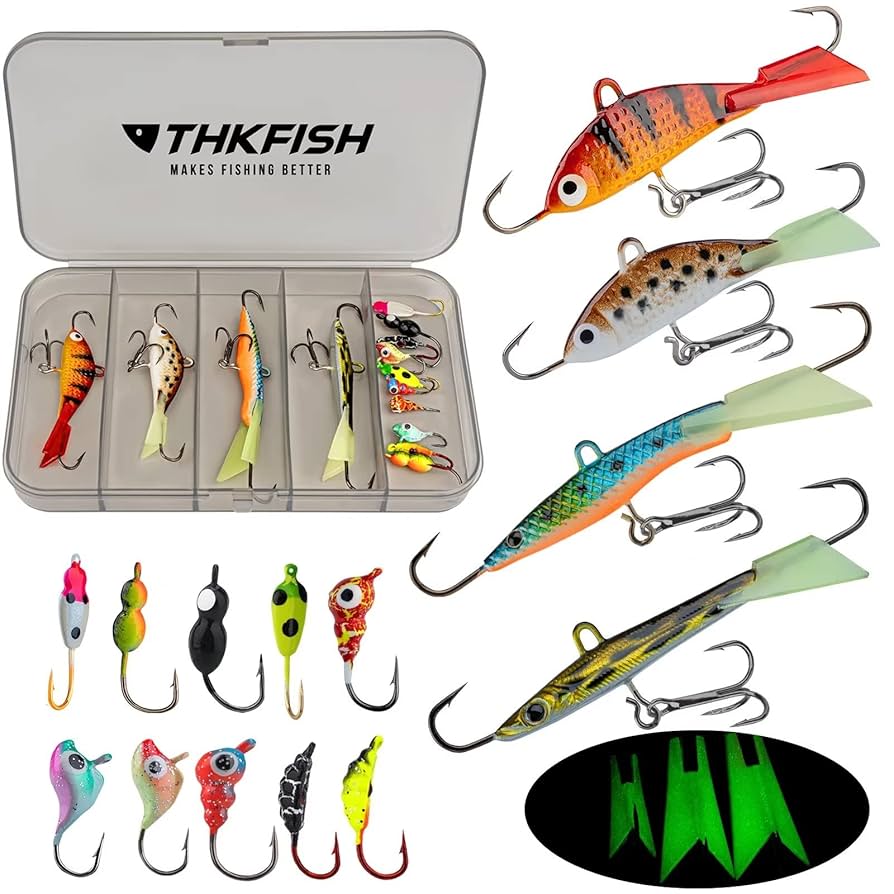
Are you ready to catch more fish this ice fishing season? Choosing the right lure can make all the difference between a slow day on the ice and a bucket full of bites.
But with so many options out there, how do you know which lures will work best for you? You’ll discover the top lures that attract fish beneath the ice, helping you boost your success and enjoy every moment on the frozen water.
Keep reading to find the perfect lure that will have the fish biting faster than ever!
Best Lures For Ice Fishing
Choosing the right lure is key to catching fish through the ice. Different lures work best for certain fish and conditions.
Knowing the types of lures helps you pick the best one for your ice fishing trip.
Jigs And Their Varieties
Jigs are popular lures for ice fishing. They come in many shapes and sizes to attract fish.
Some jigs have bright colors, while others use natural looks. You can add feathers or soft plastic tails.
- Marabou jigs – have feather tails that move well in water
- Plastic tail jigs – soft tails that mimic small fish or insects
- Blade jigs – metal blades that flash to attract fish
- Tube jigs – hollow plastic bodies that look like small creatures
Spoons For Ice Fishing
Spoons are metal lures that flash light underwater. They can attract fish from far away.
Spoons come in many sizes and shapes. Small spoons work for panfish, bigger ones for trout and pike.
- Standard spoons – shaped like a curved blade, good for many fish
- Rattle spoons – have rattles inside to make noise
- Flutter spoons – flutter down slowly to attract fish below
Soft Plastics That Work Well
Soft plastic lures imitate worms, grubs, or small fish. They move naturally in the water.
These lures are flexible and come in many colors and shapes. They are easy to rig on small jig heads.
- Grubs – curly tail designs that wiggle in water
- Tube baits – hollow tubes that mimic small fish or bugs
- Worms – long, thin plastics that look like real worms
- Creature baits – lures shaped like crabs or insects
Live Bait Options
Live bait is very effective for ice fishing. Fish are attracted to real movement and smell.
Common live baits include minnows, waxworms, and maggots. Each works well for different fish species.
- Minnows – small fish that attract larger fish like walleye and pike
- Waxworms – larvae that work great for panfish and perch
- Maggots – tiny larvae that attract crappie and bluegill
- Mealworms – thicker worms that lure bigger fish

Credit: www.amazon.ca
Choosing Lures By Fish Species
Ice fishing requires the right lure to catch each type of fish. Different species prefer different shapes and movements.
Choosing the correct lure can increase your chances of a good catch on the ice.
Lures For Panfish
Panfish like bluegill and crappie respond well to small, bright lures. These fish often bite on slow-moving baits.
Jigs and small spoons work well for panfish. Use colors like chartreuse, white, or pink to attract them.
- Small jigs with soft plastic tails
- Bright colored spoons that flutter
- Lightweight lures for slow movement
Baits For Walleye
Walleye prefer lures that imitate small fish or worms. They like a steady jigging motion on the ice.
Use live bait rigs or tungsten jigs with soft plastics for better results. Yellow and gold colors often attract walleye.
- Tungsten jigs with curly tails
- Live minnows or leeches as bait
- Gold and yellow spoons or jigs
Trout-specific Lures
Trout prefer lures that mimic small insects or minnows. Small spoons and jigs with subtle colors work best.
Use slow, gentle movements to tempt trout. Silver, blue, and natural patterns often attract them.
- Small spoons with natural colors
- Light jigs in silver or blue shades
- Soft plastics that mimic insects
Pike And Muskie Baits
Pike and muskie are large predators. They like big, flashy lures that move fast through the water.
Use large spoons, big jigs, or soft plastic baits. Bright colors and strong hooks help catch these fish.
- Large spoons with flashy finishes
- Big jigs with strong hooks
- Soft plastics in bright colors
Colors And Sizes That Attract Fish
Choosing the right lure color and size is key for ice fishing success. Fish see colors and shapes differently in cold water.
Using the best colors and sizes helps you catch more fish under the ice.
Effective Colors In Different Conditions
Light changes under ice affect which colors fish notice. Bright colors work well in low light.
Natural colors look best in clear water. Dark colors stand out in cloudy water.
- Bright orange and chartreuse for cloudy or dark water
- White and silver for clear water and bright days
- Red and pink attract fish near the ice surface
- Black and blue work well in deep or murky water
Matching Lure Size To Target Fish
Smaller lures suit small fish like panfish. Bigger lures attract larger fish like trout and pike.
Using the right size lure helps fish see your bait as natural food.
- Use 1 to 2 inch lures for panfish and perch
- Choose 2 to 3 inch lures for trout and walleye
- Pick 3 inch or larger lures for pike and larger species
- Match lure size to the small baitfish in the area
Techniques For Using Ice Fishing Lures
Ice fishing is a unique sport that requires specific techniques. Using the right lures can greatly improve your success.
Here are some effective methods to enhance your ice fishing experience with lures.
Jigging Methods
Jigging involves moving the lure to mimic the motion of prey. This attracts fish and encourages them to bite.
- Use a light jigging motion to imitate small fish.
- Vary the jigging speed to find what attracts fish.
- Pause between jigging motions to create interest.
Tip-ups And Lure Presentation
Tip-ups are devices that signal when a fish is biting. Proper lure presentation on a tip-up is essential.
Using Electronics To Improve Lure Placement
Electronics like fish finders help locate fish and improve lure placement. This technology enhances fishing efficiency.
| Device | Function |
| Fish Finder | Locates fish under the ice |
| GPS | Tracks your fishing spots |
| Underwater Camera | Shows lure and fish activity |
Seasonal And Weather Considerations
Ice fishing lures must match the season and weather conditions. Choosing the right lure helps catch more fish.
Temperature and water clarity affect fish behavior. Adjust your lures to these changes for better results.
Adjusting Lures For Temperature Changes
Fish move slower in cold water and faster in warmer water. Use smaller, slower lures in cold temperatures. Use larger, faster lures when it is warmer.
- Below 20°F: Use small jigs or spoons with slow movements.
- 20°F to 30°F: Medium-sized lures work well with moderate speed.
- Above 30°F: Larger lures and faster action attract active fish.
Lures For Clear Vs. Murky Ice Water
Water clarity changes how fish see lures. Bright colors stand out in murky water. Natural colors work better in clear water.
| Water Type | Best Lure Colors | Lure Tips |
| Clear Water | Green, Brown, Silver | Use natural shapes and subtle movements. |
| Murky Water | Chartreuse, Orange, Bright Red | Choose lures that flash or vibrate. |

Credit: www.amazon.ca

Credit: fishingworld.ca
Frequently Asked Questions
What Are The Best Lures For Ice Fishing?
The best ice fishing lures include jigging spoons, soft plastics, and small jigs. These lures mimic baitfish and attract various species under the ice.
How Do Jigging Spoons Work In Ice Fishing?
Jigging spoons flutter and flash when lifted. This action imitates injured baitfish, enticing fish to strike in cold water environments.
Which Lure Colors Work Best In Ice Fishing?
Bright colors like chartreuse, pink, and orange work well. These colors stand out in low-light ice fishing conditions and attract more fish.
Can Live Bait Improve Ice Fishing Success?
Yes, live bait like minnows or waxworms often increase catch rates. Fish are more attracted to natural scent and movement under the ice.
Conclusion
Choosing the right lures can make ice fishing more fun and successful. Small jigs, spoons, and soft plastics often attract many fish. Bright colors and movement help catch fish attention under ice. Try different lures to see what works best each time.
Remember, patience and practice improve your fishing skills. Enjoy the quiet and calm of ice fishing. Catching fish feels great after waiting and trying. Keep these tips in mind for your next ice fishing trip. Happy fishing!