
Are you ready to catch more fish and enjoy every moment by the water? Choosing the right fishing rod can make all the difference between a frustrating day and an exciting adventure.
But what exactly makes a good fishing rod? Is it the material, the length, or something else? You’ll discover the key features that can turn your fishing experience from ordinary to outstanding. Keep reading, and soon you’ll know exactly how to pick a rod that fits your style and helps you reel in the big ones with ease.
Types Of Fishing Rods
Fishing rods come in many types. Each type suits different fishing styles and waters. Knowing these rods helps you pick the best one.
This guide covers four common types: spinning rods, casting rods, fly rods, and telescopic rods.
Spinning Rods
Spinning rods are popular for beginners. They have a fixed spool below the rod. This design makes casting easy and smooth.
These rods work well for light lures and small fish. They are good for freshwater and light saltwater fishing.
Casting Rods
Casting rods use a baitcasting reel on top of the rod. They offer better control and power for bigger fish.
- Ideal for heavy lures and lines
- Used in freshwater and saltwater
- Require practice to avoid line tangles
Fly Rods
Fly rods are thin and flexible. They work with light, artificial flies instead of bait or lures.
These rods use a special casting technique to place the fly gently on the water surface.
| Feature | Description |
|---|---|
| Length | Usually 7 to 10 feet |
| Flexibility | High for smooth casting |
| Use | Freshwater streams and rivers |
Telescopic Rods
Telescopic rods collapse for easy storage and transport. They extend to full length when fishing.
These rods fit well for travelers and casual fishers. They are not as strong as fixed rods but offer great convenience.
Key Rod Materials
Choosing the right material is important for a fishing rod. Different materials affect the rod’s strength, weight, and flexibility. Knowing these materials helps you pick a rod that fits your fishing style.
This guide covers three main materials used in fishing rods: graphite, fiberglass, and composite blends. Each has unique traits that suit different fishing needs.
Graphite
Graphite rods are light and very sensitive. They let you feel even small bites. These rods are strong but can break if bent too much.
Fiberglass
Fiberglass rods are heavier and more flexible. They handle rough use well and do not break easily. Fiberglass rods are good for beginners and heavy fishing.
Composite Blends
Composite rods combine graphite and fiberglass. They balance lightness and strength. Composite rods offer good sensitivity and durability.
| Material | Weight | Strength | Sensitivity | Best Use |
| Graphite | Light | Strong but brittle | High | Freshwater fishing, precise bites |
| Fiberglass | Heavy | Very strong | Low | Saltwater, rough conditions, beginners |
| Composite Blends | Medium | Strong and flexible | Medium | Versatile fishing styles |
Rod Length And Power
A good fishing rod is essential for a successful fishing trip. Two key features to consider are the rod’s length and power.
These elements determine how well the rod will perform with different fishing styles and target fish.
Choosing The Right Length
The length of a fishing rod affects casting distance and accuracy. Shorter rods are better for close-range fishing.
Longer rods allow you to cast farther, which is useful for larger bodies of water.
- Short rods (under 6 feet) for fishing in tight spaces
- Medium rods (6-7 feet) are versatile for various waters
- Long rods (over 7 feet) for open water and long casts
Understanding Rod Power
Rod power describes how much weight the rod can handle. Light power rods are great for small fish.
Heavy power rods are needed for larger, stronger fish species.
- Light power for panfish and trout
- Medium power for bass and walleye
- Heavy power for pike and muskellunge
Matching Length With Fishing Style
Your fishing style should influence your choice of rod length. For boat fishing, a shorter rod is easier to manage.
For shore fishing, a longer rod gives you better reach and casting distance.
- Use short rods in kayaks or small boats
- Medium rods for versatile fishing styles
- Long rods for surf or shore fishing

Credit: www.battlbox.com
Action And Sensitivity
The action and sensitivity of a fishing rod affect how well you catch fish. These features help you feel bites and control the rod during fishing.
Choosing the right action and sensitivity depends on the type of fishing and the fish you want to catch.
Fast Vs Slow Action
Fast action rods bend near the tip only. They give quick hook sets and work well for big, strong fish. Slow action rods bend more toward the middle or even the handle. They offer more flexibility and are good for small fish or light lures.
| Rod Action | Bend Area | Best For | Hook Set Speed |
| Fast | Tip only | Large fish, heavy lures | Quick |
| Medium | Upper half | Versatile, many fishing types | Moderate |
| Slow | Whole rod | Small fish, light lures | Slow |
Sensitivity For Bite Detection
Sensitivity helps anglers feel even the smallest bites. A sensitive rod shows you when a fish is nibbling. This is important for catching shy or small fish.
- Thin rod tips improve sensitivity
- Graphite rods feel vibrations better
- Light rods allow better bite detection
- Good guides reduce signal loss
Handle And Grip Types
The handle and grip are important parts of a fishing rod. They affect comfort and control while fishing.
Choosing the right handle type helps you fish longer without tired hands. Different materials feel different.
Cork Handles
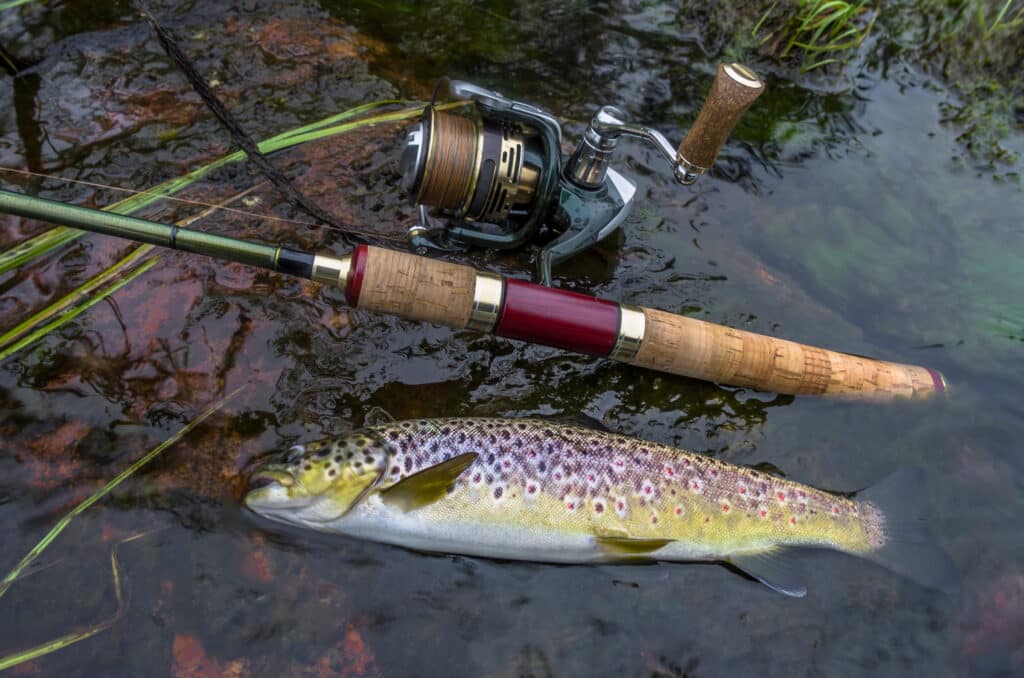
Cork handles are light and offer a natural feel. They provide good grip even when wet.
Cork is soft and comfortable, which helps reduce hand fatigue. It also looks classic and stylish.
Eva Foam Handles
EVA foam handles are durable and easy to clean. They give a firm grip and resist wear over time.
This type of handle works well in cold weather. It stays soft and does not get slippery when wet.
Handle Length Considerations
Handle length affects how you hold the rod and cast. Longer handles give more leverage for big fish.
Shorter handles are easier to control and work well for light fishing. Choose a length that feels right.
Rod Guides And Reel Seats
A good fishing rod has two key parts: rod guides and reel seats. These parts help control the line and hold the reel firmly.
Choosing the right materials and design for these parts makes fishing easier and more comfortable.
Guide Materials And Placement
Rod guides direct the fishing line from the reel to the tip of the rod. They must be smooth and strong to avoid line damage.
Common materials for guides include stainless steel, ceramic, and titanium. Each has different benefits for durability and smoothness.
- Stainless steel:Strong and rust-resistant, good for general use.
- Ceramic:Very smooth, reduces line friction for longer casts.
- Titanium:Lightweight and strong, good for saltwater fishing.
Guide placement affects how the rod bends and the line flows. Guides spaced evenly allow smooth line movement and better control.
- Close guide spacing near the tip improves sensitivity.
- Wider spacing near the handle helps with strength.
Reel Seat Types And Comfort
The reel seat holds the reel in place on the rod. It must fit well and feel comfortable to use for long times.
There are several types of reel seats. They differ in design and the material used for comfort and durability.
- Sliding reel seats:Allow easy reel fitting and removal.
- Screw-down reel seats:Provide a secure lock to prevent reel movement.
- Skeleton reel seats:Lightweight with less material for better balance.
Comfort comes from good grip material like cork or EVA foam. These materials reduce hand fatigue during fishing.
Matching Rods To Fish Species
Choosing the right fishing rod is key to a good catch. Different fish need different rods. Picking the right rod helps you fish better.
Rods vary by water type and fish size. This guide explains how to match rods to fish species for best results.
Freshwater Fishing Rods
Freshwater rods are made for lakes, rivers, and ponds. They work well for bass, trout, and panfish. These rods are usually lighter and more flexible.
- Light rods for small fish like panfish and trout
- Medium rods for bass and walleye
- Heavy rods for catfish and pike
Saltwater Fishing Rods
Saltwater rods handle strong fish and rough water. They are tougher and often longer. These rods suit species like redfish, snook, and tarpon.
| Rod Type | Target Fish | Rod Length | Power |
| Spinning Rod | Redfish, Snook | 6-7 feet | Medium |
| Baitcasting Rod | Tarpon, Snook | 7-8 feet | Heavy |
| Surf Rod | Striped Bass, Bluefish | 9-12 feet | Heavy |
Specialized Rods For Targeted Species
Some fish need special rods. Fly rods work for trout and salmon. Ice fishing rods suit cold weather and small fish. Each rod fits a unique fishing style.
| Rod Type | Best For | Key Feature |
|---|---|---|
| Fly Rod | Trout, Salmon | Lightweight and flexible |
| Ice Fishing Rod | Perch, Crappie | Short and sensitive |
| Carp Rod | Carp | Strong backbone for heavy fish |
Credit: thewildprovides.com
Budgeting For Quality Gear
Choosing the right fishing rod means thinking about your budget. You want a rod that works well without spending too much.
Quality gear lasts longer and makes fishing easier. It is smart to find a balance between cost and features.
Entry-level Options
Entry-level rods are good for beginners or casual fishers. They cost less and are simple to use.
These rods usually have basic materials and fewer features. They still allow you to learn and enjoy fishing.
- Affordable price under $50
- Made from fiberglass or basic graphite
- Simple design with fewer guides
- Good for small to medium fish
Mid-range Choices
Mid-range rods offer better materials and more features. They work well for regular anglers.
These rods are stronger and lighter. They give better control and can handle bigger fish.
- Price range between $50 and $150
- Graphite or composite materials
- More guides and better reel seats
- Suitable for many fishing styles
Premium Rod Features
Premium rods use top-quality materials and craftsmanship. They are for serious anglers who want the best.
These rods are very light, strong, and sensitive. They help you catch tough fish with ease.
- Price over $150, sometimes much higher
- High-modulus graphite or carbon fiber
- Custom handles and advanced guides
- Designed for specific fishing techniques
Maintenance Tips For Longevity
Taking care of your fishing rod helps it last longer. Simple maintenance keeps it ready for each fishing trip.
Cleaning, storing, and fixing small problems protect your rod. Follow these tips to keep your gear in top shape.
Cleaning After Use
After fishing, rinse your rod with fresh water. This removes salt, dirt, and debris that can cause damage.
Use a soft cloth to dry the rod. Avoid harsh chemicals that may harm the rod’s finish or guides.
Storage Best Practices
Store your rod in a cool, dry place. Keep it away from direct sunlight and extreme temperatures to prevent warping.
- Use a rod rack to keep it straight and secure
- Remove the reel before long storage
- Loosen the drag on the reel to avoid pressure
- Cover the rod tip to prevent accidental damage
- Keep it off the floor to avoid moisture
Repairing Common Issues
Check your rod regularly for cracks, loose guides, or damaged handles. Fix small problems early to avoid bigger repairs.
| Issue | Fix |
| Loose guides | Apply rod glue or replace guides |
| Cracked rod blank | Use rod repair tape or visit a professional |
| Worn handle grip | Replace with cork or foam grips |
| Rust on reel seat | Clean with rust remover and dry well |

Credit: anglersresource.net
Frequently Asked Questions
What Materials Make A Fishing Rod Durable?
Durable fishing rods are usually made from graphite, fiberglass, or composite materials. Graphite offers strength and sensitivity. Fiberglass is flexible and sturdy. Composite rods blend both for balanced performance. The choice depends on fishing style and conditions.
How Does Rod Length Affect Fishing Performance?
Longer rods cast farther and provide better line control. Shorter rods offer more accuracy and are easier to handle. Choose rod length based on fishing environment and target species for best results.
Why Is Rod Action Important For Fishing?
Rod action describes how much the rod bends under pressure. Fast action rods bend near the tip, offering sensitivity and quick hook sets. Slow action rods bend throughout, providing flexibility for fighting fish. Select action based on fishing technique and target fish.
How To Choose The Right Rod Power?
Rod power indicates the rod’s strength to handle fish weight. Light power rods suit small fish and finesse techniques. Medium power rods handle a wider range of fish. Heavy power rods target large, strong species. Match power to your fishing needs.
Conclusion
Choosing the right fishing rod makes fishing more fun and effective. Focus on rod length, power, and action to fit your needs. A good grip and quality materials help you fish longer and with ease. Remember, the best rod matches your fishing style and the fish you want to catch.
Take your time to find the perfect one. Enjoy your time by the water with a rod that feels just right. Happy fishing!