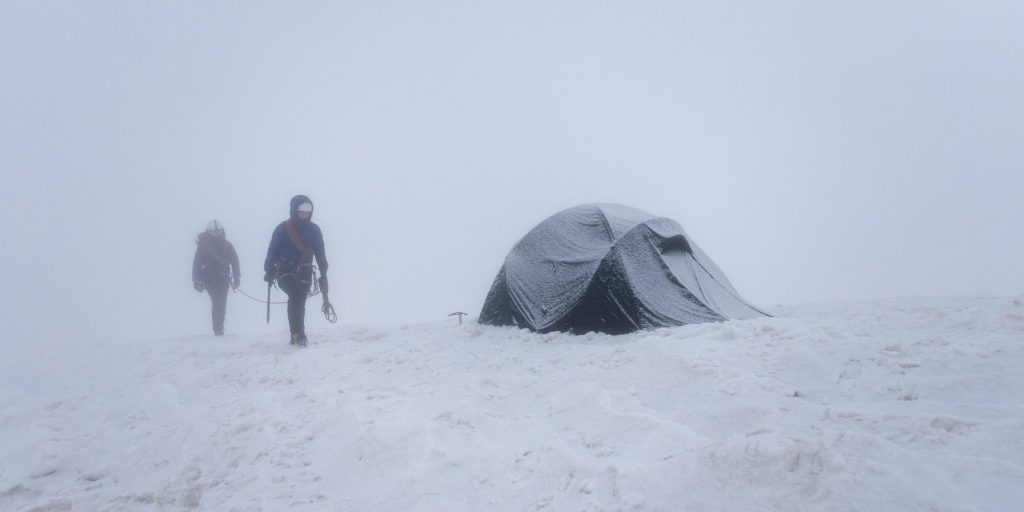
When you’re choosing a tent, you want to be sure it can handle whatever weather comes your way. But what exactly makes a tent a “4 season” tent?
Is it just about staying dry, or is there more to it? Understanding this can help you pick the right shelter for your adventures, whether you’re facing heavy snow, strong winds, or chilly nights. Keep reading, and you’ll discover the key features that turn an ordinary tent into a reliable 4 season tent—so you can feel confident and safe no matter the season.
Key Features Of 4 Season Tents
4 season tents are made for tough weather. They protect you in cold, wind, snow, and rain. These tents have special features that make them strong and safe.
Knowing what makes a tent a 4 season model helps you pick the right one. Below are the main features that keep you safe in harsh conditions.
Robust Frame Structure
4 season tents have strong frame designs. These frames use heavy poles that resist bending and breaking. The shape is made to hold up against wind and snow loads.
The frame often includes extra poles or clips to add stability. This helps the tent keep its shape in bad weather.
- Strong aluminum or steel poles
- Multiple pole crossings for support
- Designs that shed snow easily
- Extra clips or attachments for stability
Heavy-duty Fabrics
These tents use thick and durable fabrics. The materials block wind and water. They also help keep the cold out and heat in.
Fabric coatings add water resistance and stop snow from soaking in. The fabric is strong enough to resist tears and damage from ice or branches.
- Thick nylon or polyester fabric
- Waterproof coatings like polyurethane
- Tear-resistant weaves
- UV protection to prevent sun damage
Enhanced Weather Resistance
4 season tents have features that fight tough weather. They keep out rain, snow, and strong winds. Sealed seams and storm flaps stop water from entering.
Ventilation options help reduce condensation inside the tent. This keeps the inside dry and comfortable in cold weather.
- Fully sealed and taped seams
- Storm flaps over zippers and doors
- Strong guy lines and stakes for wind
- Adjustable vents to prevent moisture
Materials That Ensure Durability
A 4 season tent needs strong materials to handle tough weather. It must resist wind, rain, snow, and cold. Durable materials keep the tent safe and comfortable.
Here are key materials that make a 4 season tent strong and lasting. Each part plays a role in its durability and protection.
Strong Poles And Connectors
Poles must be sturdy to hold the tent in strong winds and heavy snow. Connectors join the poles and keep the frame steady. Materials like aluminum or carbon fiber are common for their strength and light weight.
- Aluminum poles offer good strength and resist bending.
- Carbon fiber poles are very light but strong.
- Connectors are usually made of metal or reinforced plastic.
- Shock cords inside poles help with quick setup and flexibility.
Waterproof Coatings
Waterproof coatings stop rain and snow from soaking the tent. They keep the inside dry and warm. Common coatings include polyurethane and silicone. These coatings also add tear resistance to the fabric.
| Coating Type | Benefits |
| Polyurethane (PU) | Waterproof, cost-effective |
| Silicone | Highly waterproof, more durable |
| DWR (Durable Water Repellent) | Repels water, helps fabric dry faster |
Reinforced Seams And Zippers
Seams and zippers are weak points in tents. Reinforced seams use extra stitching or tape to prevent leaks and tears. Heavy-duty zippers resist freezing and breaking in cold weather.
- Double or triple stitched seams for strength
- Seam tape to block water entry
- YKK or similar heavy-duty zippers
- Zipper covers to protect from snow and rain
Design Elements For Extreme Conditions
A 4 season tent is built for all weather types. It withstands extreme conditions like heavy snow and strong winds.
These tents have special design elements. They provide comfort and safety in harsh environments.
Steep Walls And Roofs
Steep walls and roofs help the tent shed snow. This prevents heavy snow from accumulating on top.
The steep design also helps with wind resistance. It allows wind to pass over the tent smoothly.
- Reduces snow build-up
- Enhances wind resistance
- Improves tent stability
Snow Flaps And Vestibules
Snow flaps help keep snow out of the tent. They act as barriers at the tent’s base.
Vestibules provide extra space for gear. They also help keep the interior dry and organized.
- Keeps snow from entering the tent
- Provides extra storage space
- Helps maintain a dry interior
Ventilation Systems
Proper ventilation prevents condensation inside the tent. Vents allow air to flow freely.
This system is crucial in cold weather. It helps maintain a comfortable environment inside.
- Reduces moisture buildup
- Ensures fresh air circulation
- Improves interior comfort

Credit: www.youtube.com
Protection Against Harsh Weather
A 4 season tent is built to protect you in tough weather. It keeps you safe from strong winds, heavy snow, and rain.
These tents use special designs and materials. They help campers stay warm and dry in any season.
Wind Resistance Features
4 season tents have strong frames to stand up to strong winds. The poles are made from durable materials like aluminum.
These tents have low profiles to reduce wind impact. Guy lines and sturdy stakes keep the tent anchored firmly.
- Reinforced pole sleeves and clips
- Multiple guy lines for extra stability
- Windproof fabric to block gusts
- Low, aerodynamic shape
Snow Load Management
4 season tents handle heavy snow by using strong frames. The poles bend but do not break under weight.
The tent shape allows snow to slide off easily. This stops snow buildup that can cause the tent to collapse.
- Steep tent walls to shed snow
- Durable poles designed for heavy loads
- Reinforced seams to prevent damage
- Extra guy lines to support weight
Rain And Moisture Control
Waterproof fabrics keep rain from soaking inside the tent. Tents have rainflies that cover the whole structure.
Ventilation systems reduce moisture inside. This stops condensation and keeps the air fresh.
- Waterproof rainfly with sealed seams
- Floor made from waterproof material
- Mesh vents to allow airflow
- Designs that prevent water pooling
Comparing 3 Season And 4 Season Tents
Choosing the right tent helps you enjoy outdoor trips safely. Three-season and four-season tents serve different needs. Understanding their differences helps you pick the best tent for your adventures.
This guide compares three-season and four-season tents by looking at structure, use cases, cost, and weight.
Structural Differences
Three-season tents are made for spring, summer, and fall. They have lighter fabrics and more mesh for airflow. Four-season tents use stronger materials and fewer mesh panels. They resist heavy snow and strong winds.
| Feature | 3 Season Tent | 4 Season Tent |
| Fabric | Lightweight, breathable | Thicker, more durable |
| Ventilation | High, with mesh panels | Lower, fewer mesh panels |
| Poles | Standard strength | Stronger, more poles |
| Weight | Lighter | Heavier |
| Weather Resistance | Rain and mild wind | Snow, ice, strong wind |
Use Case Scenarios
Three-season tents suit mild weather and casual camping. They work well in warm and rainy conditions. Four-season tents fit harsh environments with snow and wind. They protect well in winter and mountain trips.
- Three-season tents: spring, summer, fall camping
- Four-season tents: winter, alpine, and extreme weather
- Three-season tents: lightweight backpacking trips
- Four-season tents: mountaineering and snow camping
Cost And Weight Considerations
Four-season tents cost more due to stronger materials and design. They also weigh more, which adds to backpack weight. Three-season tents are lighter and cheaper but offer less protection.
- Four-season tents have higher prices and heavier weight.
- Three-season tents are budget-friendly and lighter to carry.
- Choose four-season tents for safety in tough weather.
- Pick three-season tents for fair weather and easy hiking.
Credit: www.amazon.com
Tips For Choosing The Right 4 Season Tent
Choosing a 4 season tent means picking one that can handle tough weather. These tents protect you from snow, wind, and rain.
Knowing what to look for helps you find the best tent for your trip. Here are some tips to guide your choice.
Assessing Your Environment
Think about where you will camp. Different places need different tent features.
If you camp in snowy or windy areas, you need a strong tent. In wet places, waterproof fabric is key. Also, consider the temperature range.
- Check the weather forecast for your area
- Pick tents with strong poles for wind
- Choose waterproof and insulated fabrics
Evaluating Tent Capacity
Look at how many people the tent can hold. Make sure it fits everyone comfortably.
Think about extra space for gear. A tent too small can feel crowded. Bigger tents weigh more, so balance space and weight.
- Choose a tent that fits your group size
- Allow space for backpacks and gear
- Consider weight if you carry it yourself
Considering Ease Of Setup
Check how easy it is to set up the tent. Quick setup saves time and energy.
Look for features like color-coded poles or simple designs. Practice setting it up before your trip if you can.
- Choose tents with simple pole systems
- Look for clear instructions or guides
- Practice pitching the tent at home
Maintenance To Prolong Tent Life
Taking good care of your 4 season tent helps it last many years. Regular maintenance keeps the fabric and structure strong.
Simple cleaning, repairs, and seasonal care protect your tent from damage and wear. These steps keep it ready for any weather.
Cleaning And Storage
Clean your tent after every trip. Dirt and moisture can damage the fabric over time. Use mild soap and water only.
- Shake out dirt and debris before packing.
- Spot clean stains with a soft brush.
- Do not use harsh chemicals or machine wash.
- Air dry completely before storage.
- Store in a cool, dry place away from sunlight.
Repairing Damage
Fix tears and broken parts quickly to avoid bigger problems. Small holes let water in and weaken the tent.
| Damage Type | Repair Method | Tools Needed |
| Tear in fabric | Patch with repair tape or fabric patch | Repair tape, scissors |
| Broken zipper | Replace zipper slider or use zipper lubricant | Replacement slider, lubricant |
| Damaged poles | Use pole splint or replace section | Splint, pole replacement kit |
Seasonal Care Practices
Change how you care for the tent depending on the season. Cold and snow need special attention to protect the tent.
- In winter, clear snow off the tent regularly.
- Check seams for leaks before cold season.
- Use waterproof spray before heavy rain or snow.
- Ventilate the tent to reduce moisture buildup.
- Store tent loosely packed in summer to keep fabric fresh.
Credit: www.vevor.ca
Frequently Asked Questions
What Defines A Tent As A 4 Season Tent?
A 4 season tent is designed for extreme weather, including snow and strong winds. It features robust materials, strong poles, and full coverage to protect users year-round.
How Do 4 Season Tents Differ From 3 Season Tents?
4 season tents use sturdier fabrics and poles. They have less mesh and more insulation, making them suitable for winter conditions unlike 3 season tents.
Are 4 Season Tents Heavier Than Other Tents?
Yes, 4 season tents are generally heavier due to stronger materials and reinforced structures. This weight adds durability for harsh weather resistance.
Can 4 Season Tents Be Used In Summer?
While designed for harsh conditions, 4 season tents can be used in summer. However, they may have less ventilation and can be warmer inside.
Conclusion
A 4 season tent stands out by its strength and weather protection. It keeps you safe in snow, rain, and strong winds. Its materials block cold air and hold heat inside. Good ventilation stops moisture build-up, preventing frost. Strong poles and sturdy fabrics make it reliable in tough conditions.
Choosing the right tent means better comfort and safety outdoors. Understanding these features helps you pick a tent that fits your needs. Stay warm and dry, no matter the season or weather.