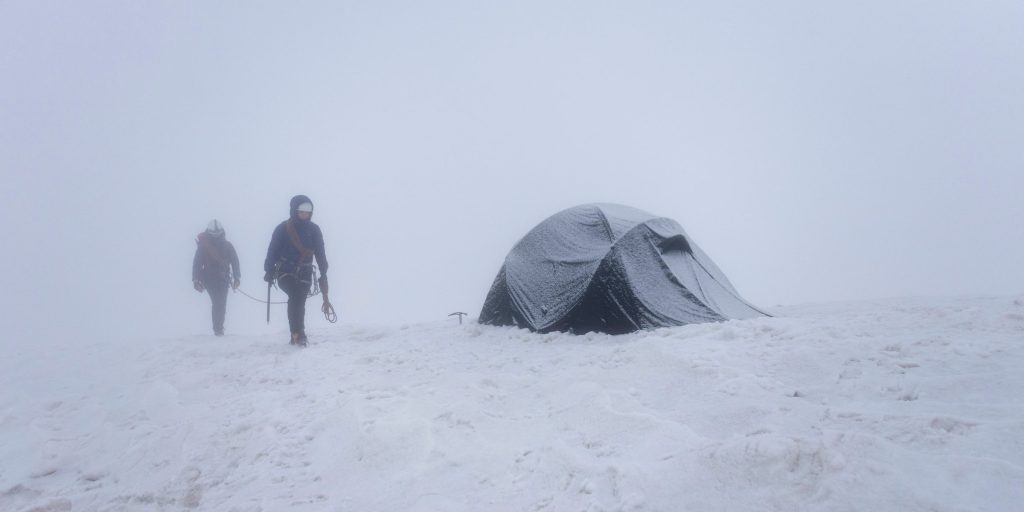
When you’re out in the wild, your tent is more than just a shelter—it’s your safe haven against the elements. But have you ever wondered what truly sets a 4 season tent apart from the rest?
If you want to stay warm, dry, and secure no matter the weather, understanding what makes a tent a 4 season tent is key. You’ll discover the essential features that protect you from snow, wind, and cold, helping you choose the right gear for your toughest adventures.
Keep reading to learn how a 4 season tent can be your best ally when nature gets extreme.

Credit: gearjunkie.com
Seasonal Suitability
A 4 season tent is built to handle tough weather. It is designed for cold, windy, and snowy conditions. These tents work well when you camp in winter or on high mountains.
Understanding the seasonal suitability of a tent helps you pick the right one. It ensures safety and comfort during your trip.
Differences Between 3 And 4 Season Tents
3 season tents are good for spring, summer, and fall. They handle rain and mild wind but not heavy snow or strong storms. 4 season tents are stronger and more durable for harsh weather.
- Material:4 season tents use thicker fabric and stronger poles.
- Shape:4 season tents have a more aerodynamic shape to resist wind.
- Ventilation:3 season tents have more mesh for airflow; 4 season tents limit mesh to keep warmth.
- Weight:4 season tents are heavier due to tougher materials.
- Snow Load:4 season tents can hold heavy snow without collapsing.
Weather Conditions For 4 Season Use
| Weather Condition | 4 Season Tent Feature |
| Heavy Snow | Strong poles and steep walls to shed snow |
| High Winds | Low profile shape and secure guy lines |
| Cold Temperatures | Limited mesh and insulated fabric |
| Rain and Moisture | Waterproof fabric and sealed seams |
These features help keep you safe and dry in extreme weather. A 4 season tent is a good choice for winter camping or mountain trips.
Credit: www.vevor.ca
Frame Strength And Design
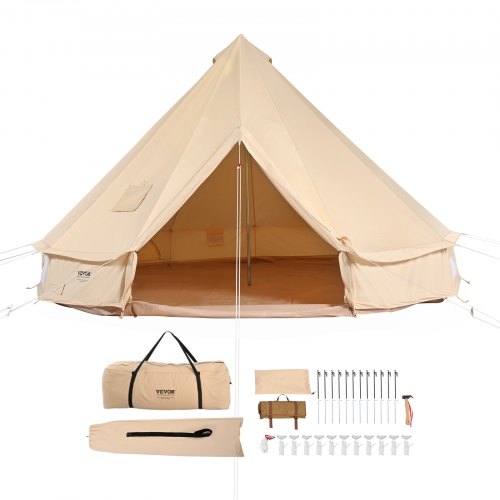
A 4 season tent must have a strong frame to handle tough weather. Its design helps the tent stay stable in wind, snow, and rain.
The frame supports the tent’s shape and keeps it safe in harsh conditions. Good design also makes setup easier and faster.
Materials Used In Frames
Strong materials make frames durable and light. Common materials include aluminum and fiberglass.
Aluminum is lightweight and holds up well in cold weather. Fiberglass is cheaper but less strong and heavier.
- Aluminum: strong, light, resists rust
- Fiberglass: flexible, heavier, less durable
- Carbon fiber: very light and strong, but costly
Shape And Stability Factors
The shape of a 4 season tent helps it resist wind and snow pressure. Dome and geodesic shapes are common choices.
These shapes spread out forces evenly and make the tent more stable. Strong guy lines and stakes also improve stability.
- Dome shape: good for wind and snow
- Geodesic shape: extra strong and stable
- Guy lines: keep the tent anchored
- Strong stakes: hold the tent firmly in place
Fabric And Material Quality
Strong fabric is key for a 4 season tent. It keeps you safe in cold, wind, and snow.
Good materials stop cold air and water from coming in but still let moisture out.
Durability Against Harsh Weather
4 season tents use heavy-duty fabrics. These fabrics resist tears and strong winds.
- High-denier nylon or polyester fabric
- Strong seams with reinforced stitching
- Durable tent poles made from aluminum or steel
- Extra fabric layers at stress points
- UV-resistant coatings for sun protection
Waterproof And Breathable Fabrics
Waterproof fabrics keep rain and snow outside. Breathable fabrics let sweat escape.
| Fabric Feature | Benefit |
| Waterproof coating (like PU or silicone) | Blocks water from entering |
| Breathable membrane (like Gore-Tex) | Allows moisture vapor to escape |
| Sealed seams | Prevents leaks at stitching lines |
| Durable water repellent finish | Helps water bead off surface |

Credit: www.youtube.com
Ventilation Systems
Ventilation systems are key to a 4 season tent’s design. They help keep the tent comfortable in all weather.
Good ventilation controls moisture and airflow. This makes camping safer and more pleasant in cold or wet conditions.
Preventing Condensation
Condensation happens when warm air meets cold surfaces. It creates water droplets inside the tent.
Ventilation helps stop condensation by letting moist air escape. This keeps the tent dry and reduces dampness.
- Use vents near the floor and roof for air flow
- Keep vents open even in cold weather
- Use breathable tent fabrics to allow moisture out
Balancing Airflow And Warmth
Too much airflow can make the tent cold. Too little can cause moisture build-up.
A 4 season tent balances airflow and warmth. It uses adjustable vents to control air while keeping heat inside.
- Adjust vents to control the amount of fresh air
- Close some vents during very cold weather
- Use windproof vent covers to reduce heat loss
- Design vents to avoid direct wind inside the tent
Snow Load Handling
Snow can weigh down a tent and cause damage if the tent is not made for heavy snow. Four season tents are built to handle this weight safely. Strong design features help the tent stay stable and protect its users.
Two key parts help a four season tent handle snow loads: strong poles and anchoring, and snow skirts and flaps. These parts work together to keep the tent sturdy and secure in snowy conditions.
Strong Poles And Anchoring
Strong poles are essential for holding up the tent against heavy snow. They are usually made from durable materials like aluminum or carbon fiber. These poles bend without breaking, helping the tent shed snow.
- Poles are designed to carry heavy loads.
- They form a strong frame that resists bending.
- Anchors keep the tent firmly in place during storms.
- Guy lines add extra support and stability.
Snow Skirts And Flaps
Snow skirts and flaps prevent snow from entering the tent and help keep it warm inside. These fabric extensions wrap around the base of the tent and can be buried in snow for extra hold.
| Feature | Purpose |
| Snow Skirts | Block wind and snow from entering the tent base |
| Flaps | Seal the tent edges tightly |
| Buried Edges | Add weight and prevent tent movement |
Additional Features
Four season tents are built to handle tough weather. They have special parts that keep you safe and dry.
These extra features help in strong winds, heavy snow, and cold conditions. They make the tent stronger and more comfortable.
Enhanced Zippers And Seams
Four season tents use strong zippers that do not break easily. These zippers keep cold air and water out.
The seams are also sealed tightly. This stops water from leaking inside during rain or snow.
- Heavy-duty zippers resist freezing and damage
- Waterproof seam tape prevents leaks
- Double stitching adds extra strength
- Flaps cover zippers for wind protection
Interior Space And Storage Options
Four season tents have roomy interiors for gear and comfort. They give enough space to move during bad weather.
Storage pockets and gear lofts keep items organized and off the floor. This helps keep the inside neat and dry.
- Extra headroom for comfort in thick clothing
- Multiple pockets for small items
- Gear lofts for hanging equipment
- Vestibules for storing boots and bags outside
Frequently Asked Questions
What Defines A Tent As A 4 Season Tent?
A 4 season tent is designed to withstand extreme weather. It offers strong durability, excellent insulation, and superior wind resistance. These tents use heavy-duty materials and reinforced poles to handle snow and harsh conditions year-round.
How Does A 4 Season Tent Differ From Others?
Unlike 3 season tents, 4 season tents have sturdier frames and thicker fabric. They provide better protection against snow, rain, and wind. Ventilation is limited to retain heat, making them ideal for winter camping.
Can A 4 Season Tent Be Used In Summer?
Yes, 4 season tents can be used in summer but may feel warmer. They offer excellent protection and durability but can have less ventilation compared to lighter tents. This is a trade-off for their all-weather capability.
What Materials Are Used In 4 Season Tents?
4 season tents typically use heavy-duty polyester or nylon with waterproof coatings. Poles are made from strong aluminum or steel for stability. These materials ensure weather resistance, durability, and structural integrity in harsh conditions.
Conclusion
A 4 season tent stands strong in all weather types. It blocks wind, rain, snow, and cold well. Its materials and design keep you warm and dry. These tents have sturdy poles and tight fabrics. They offer safety and comfort in tough conditions.
Choosing the right tent helps your outdoor trip succeed. Remember, not all tents fit every season or place. Knowing what makes a 4 season tent special guides smart choices. Stay safe and enjoy nature, no matter the weather.