
Have you ever noticed your air conditioner looking like it’s covered in ice? It’s not just a weird sight—it means your AC is struggling, and your home might not stay cool for long.
Understanding what makes an air conditioner freeze up can save you from unexpected discomfort and costly repairs. You’ll discover the common reasons behind this chilling problem and learn how to spot the signs early. Keep reading to protect your comfort and keep your AC running smoothly all summer long.
Credit: tcomfort.com
Common Signs Of A Frozen Ac
Air conditioners can freeze up due to several reasons. Recognizing the signs early helps prevent damage.
Frozen AC units do not cool well and may cause discomfort indoors. Knowing what to look for is important.
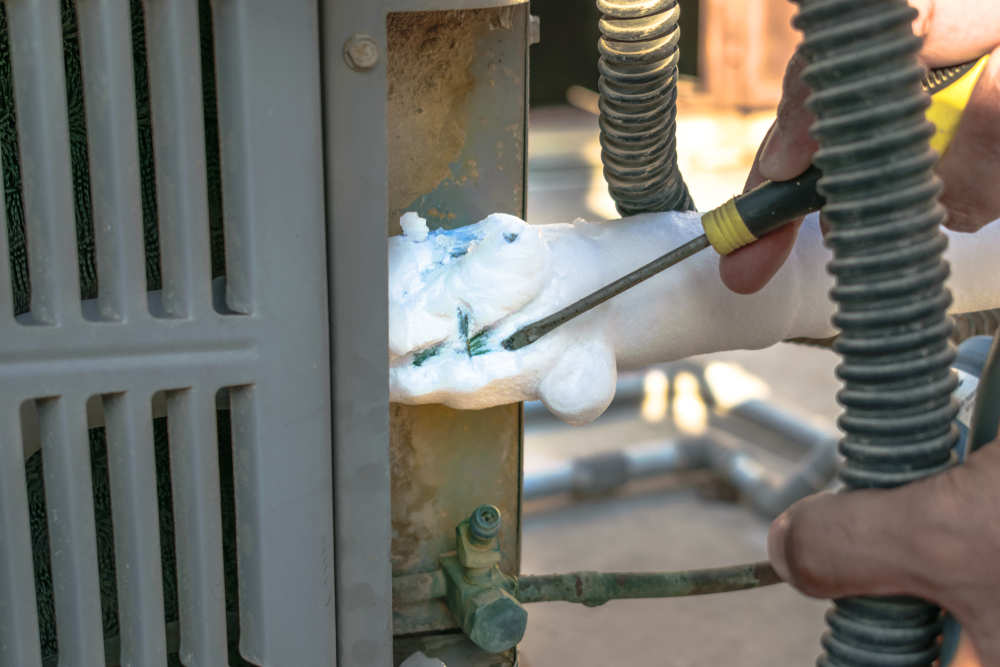
Ice Formation On Coils
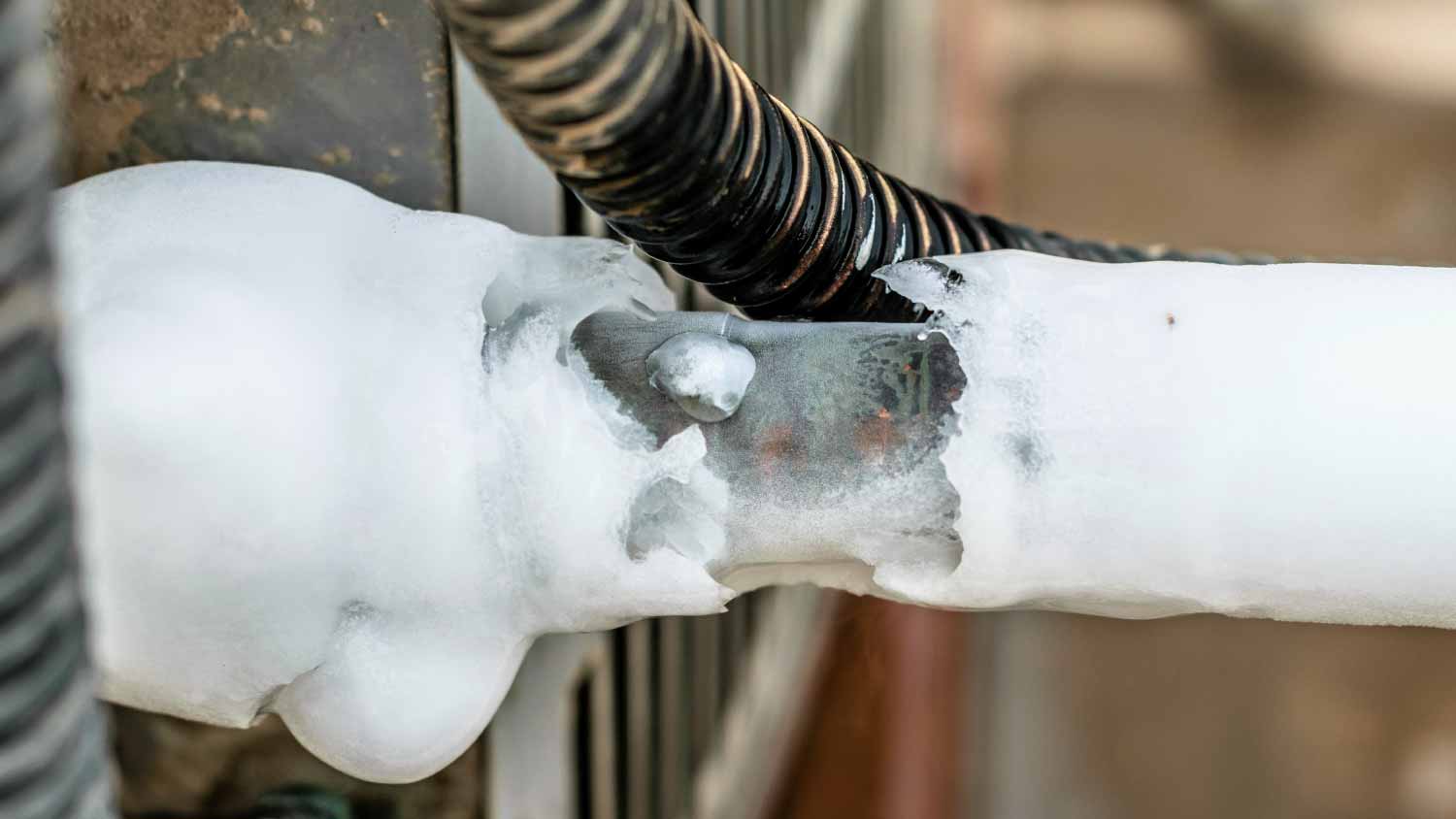
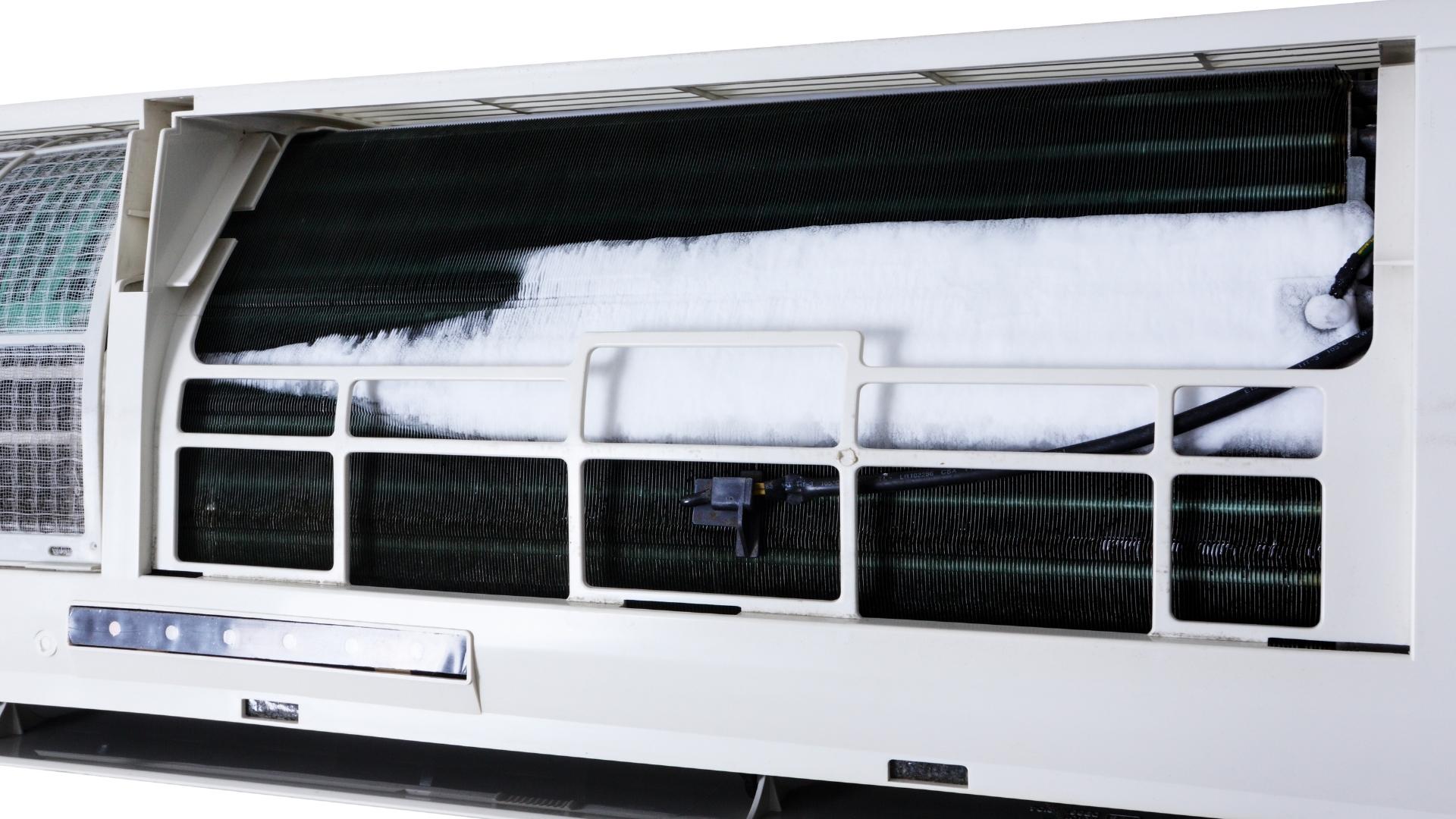
Ice often forms on the evaporator coils when the AC freezes. This happens because the coils get too cold.
- Visible ice or frost on the coils or refrigerant lines
- Water dripping near the indoor unit as ice melts
- Unusual noises from the AC unit due to ice buildup
Reduced Airflow
Frozen coils block air from flowing properly through the vents. The airflow becomes weak or uneven.
| Cause | Effect on Airflow |
| Ice on coils | Blocks air passages |
| Dirty air filter | Limits air intake |
| Blower motor issues | Reduces air circulation |
Warm Air From Vents
When the AC freezes, it cannot cool the air well. Warm or room-temperature air comes out of the vents.
Signs of warm air include:
- Rooms feeling hotter despite the AC running
- Increased electric bills without better cooling
- AC running longer without reaching set temperature
Low Refrigerant Levels
Low refrigerant levels in an air conditioner can cause it to freeze up. Refrigerant is a chemical that absorbs heat from your home. When the level is low, the system struggles to cool properly.
Without enough refrigerant, the coils inside the unit get too cold. This causes moisture in the air to freeze on the coils, leading to a frozen air conditioner.
Causes Of Refrigerant Leaks
Refrigerant leaks cause low levels in the system. These leaks can come from several sources inside the air conditioner.
- Corroded or damaged coils
- Loose or damaged connections
- Wear and tear in pipes and joints
- Punctures from pests or debris
- Faulty installation or repairs
Impact On Cooling Efficiency
Low refrigerant levels reduce the air conditioner’s cooling efficiency. The system uses more energy and cools less effectively.
| Effect | Explanation |
|---|---|
| Reduced Cooling | The air conditioner cannot absorb enough heat to cool the air. |
| Increased Energy Use | The system works harder, raising electricity bills. |
| Frozen Coils | Low refrigerant causes the coils to freeze, blocking airflow. |
| System Damage | Running with low refrigerant can harm the compressor and other parts. |
Dirty Air Filters
Air conditioners need clean air filters to work well. Dirty filters block airflow. This causes the unit to freeze up.
When air cannot flow freely, the system struggles to keep the right temperature. This leads to ice buildup on coils.
Airflow Restriction Effects
Restricted airflow from dirty filters lowers the air conditioner’s efficiency. The cold air stays trapped inside the unit. This causes the evaporator coil to get too cold and freeze.
- The system cools unevenly.
- Ice forms on the coils and blocks more airflow.
- The air conditioner works harder, increasing energy use.
- Eventually, the unit may stop cooling properly.
Filter Maintenance Tips
Keeping air filters clean prevents freezing and keeps your system running smoothly. Follow these tips to maintain your filters.
| Maintenance Task | Recommended Frequency |
| Check filter condition | Monthly |
| Clean washable filters | Every 1-3 months |
| Replace disposable filters | Every 1-3 months |
| Inspect for damage or clogging | During each check |
Credit: www.angi.com
Blocked Or Closed Vents
An air conditioner can freeze up if its vents are blocked or closed. Vents help air flow properly through the system. When vents do not work right, the air conditioner struggles to stay cool.
Blocked or closed vents stop air from moving. This causes the temperature inside the air conditioner to drop too low. Ice can build up on the coils, making the unit freeze.
How Obstructions Affect Airflow
Obstructions like furniture, curtains, or dirt block the vents. This stops air from flowing freely through the air conditioner. Poor airflow makes the unit work harder and colder than normal.
When airflow slows down, the air conditioner’s coils get too cold. This causes moisture to freeze on the coils. Over time, ice builds up and stops the system from working well.
- Blocked vents reduce air movement
- Less air causes coils to get too cold
- Ice forms on frozen coils
- Frozen coils lower cooling efficiency
Proper Vent Management
Keep vents open and clear of any objects. This lets air flow easily through the system. Regular cleaning also helps remove dust that can block vents.
Check all vents in your home to make sure they are not closed or covered. Good vent management keeps your air conditioner running smoothly and prevents freezing.
- Keep vents free from furniture and curtains
- Clean vents regularly to remove dust
- Check vents are fully open
- Allow good airflow to avoid freezing
Thermostat Issues
Air conditioners can freeze up due to problems with the thermostat. The thermostat controls the temperature inside your home. If it does not work right, it can cause the AC to freeze.
Two common thermostat problems that cause freezing are incorrect temperature settings and faulty thermostat sensors. These issues stop the AC from running smoothly.
Incorrect Temperature Settings
Setting the temperature too low can make the AC freeze. The system tries to cool the air too much. This causes ice to form on the coils.
Also, if the fan speed is set too low, it can reduce airflow. Poor airflow leads to cold spots and freezing inside the AC unit.
- Set the temperature to a comfortable level, not too cold
- Keep fan speed at a proper setting for good airflow
- Avoid sudden changes in thermostat settings
Faulty Thermostat Sensors
Thermostat sensors check the air temperature near the AC. If sensors are broken or misplaced, they give wrong readings. This causes the AC to cool too much and freeze.
Faulty sensors can also cause the system to run longer than needed. This overworks the AC and leads to ice build-up on the coils.
- Check if sensors are clean and in the right place
- Replace sensors if they are damaged or not working
- Make sure the thermostat is calibrated correctly
Credit: www.thervgeeks.com
Mechanical Problems
Air conditioners sometimes freeze up because of mechanical issues. These problems stop the parts from working properly. This causes ice to build on the unit.
Fixing mechanical problems quickly helps the air conditioner work well again. Two common mechanical causes are fan motor failures and compressor malfunctions.
Fan Motor Failures
The fan motor moves air over the cooling coils. If the motor fails, air does not flow well. Poor airflow causes the coils to get too cold and freeze.
Common signs of fan motor failure include strange noises and weak airflow. Dirt or wear can cause the motor to stop working.
- Fan blades may stop spinning
- Motor bearings can wear out
- Electrical problems can stop the motor
Compressor Malfunctions
The compressor pumps refrigerant through the system. If it malfunctions, pressure drops and the unit can freeze. A broken compressor causes poor cooling and ice buildup.
Signs of compressor problems include loud noises and the unit shutting off. Overheating and electrical faults often cause compressor failure.
- Compressor motor may burn out
- Refrigerant leaks reduce pressure
- Electrical issues cause compressor to stop
Environmental Factors
Air conditioners can freeze up due to several environmental factors. These factors affect how the system works and can cause ice to form on the coils.
Understanding these factors helps to prevent freezing and keep the air conditioner running smoothly.
High Humidity Levels
High humidity makes the air conditioner work harder to remove moisture. This extra work can cause the evaporator coil to get too cold and freeze.
- Moist air increases condensation on coils
- More condensation can turn into ice if airflow is low
- High humidity often happens in rainy or wet climates
- Poor ventilation or dirty filters add to the problem
Extreme Outdoor Temperatures
Very cold or very hot outdoor temperatures can affect air conditioner performance. Cold weather can cause refrigerant pressure to drop and freeze the coils.
| Outdoor Temperature | Effect on AC |
|---|---|
| Below 60°F (15°C) | Risk of coil freezing increases |
| Above 95°F (35°C) | Compressor works hard, possible overheating |
| Moderate temperatures | Optimal AC performance |
Preventing Ac Freeze-ups
An air conditioner can freeze up if it is not working properly. This happens when the temperature inside the unit drops too low. Ice forms on the coils and blocks the airflow.
Preventing freeze-ups keeps your AC running smoothly and avoids costly repairs. Simple care steps help stop ice from building up inside the system.
Regular Maintenance Schedule
Following a regular maintenance schedule helps keep your AC in good shape. It makes sure parts are clean and working well to avoid freeze-ups.
- Change or clean air filters every 1 to 3 months
- Check for blocked or dirty coils
- Clear debris around the outdoor unit
- Keep the thermostat set at a steady temperature
- Inspect refrigerant levels and refill if needed
Professional Inspection Benefits
Having a professional inspect your AC helps catch issues early. Experts find problems that are hard to see and fix them before ice forms.
| Benefit | How It Helps Prevent Freeze-Ups |
| Detailed Coil Cleaning | Removes dirt that blocks airflow and causes ice |
| Refrigerant Check | Ensures proper levels to keep the system balanced |
| System Testing | Finds mechanical or electrical faults early |
| Thermostat Calibration | Keeps temperature stable to avoid freezing |
Frequently Asked Questions
Why Does My Air Conditioner Freeze Up Sometimes?
Air conditioners freeze up due to restricted airflow or low refrigerant levels. Dirty filters or blocked vents cause poor air circulation. Low refrigerant reduces pressure, causing coil freezing. Regular maintenance prevents these issues and keeps your AC running efficiently without freezing.
How Do Dirty Air Filters Cause Ac Freezing?
Dirty air filters block airflow, reducing cool air movement over the evaporator coil. This causes the coil to become too cold and freeze. Changing filters regularly ensures proper airflow and prevents ice buildup, improving your air conditioner’s performance and lifespan.
Can Low Refrigerant Levels Make Ac Freeze?
Yes, low refrigerant causes lower pressure in the evaporator coil. This pressure drop leads to the coil temperature falling below freezing, causing ice formation. A professional technician should check and recharge refrigerant to fix this issue and prevent further damage.
Does Poor Airflow Contribute To Air Conditioner Freezing?
Poor airflow reduces warm air reaching the evaporator coil, causing it to freeze. Blocked vents, closed registers, or dirty filters often cause airflow issues. Ensuring unobstructed vents and clean filters keeps air flowing properly, preventing your AC from freezing up.
Conclusion
An air conditioner freezes up mainly due to low airflow or refrigerant issues. Dirt in filters or coils can block air and cause ice buildup. A frozen AC stops cooling and can damage the system. Regular cleaning and timely repairs help prevent freezing.
Pay attention to strange noises or weak airflow. Catching problems early saves money and keeps your home cool. Stay aware of your AC’s health for comfort all summer long. Simple care makes a big difference in avoiding frozen units.