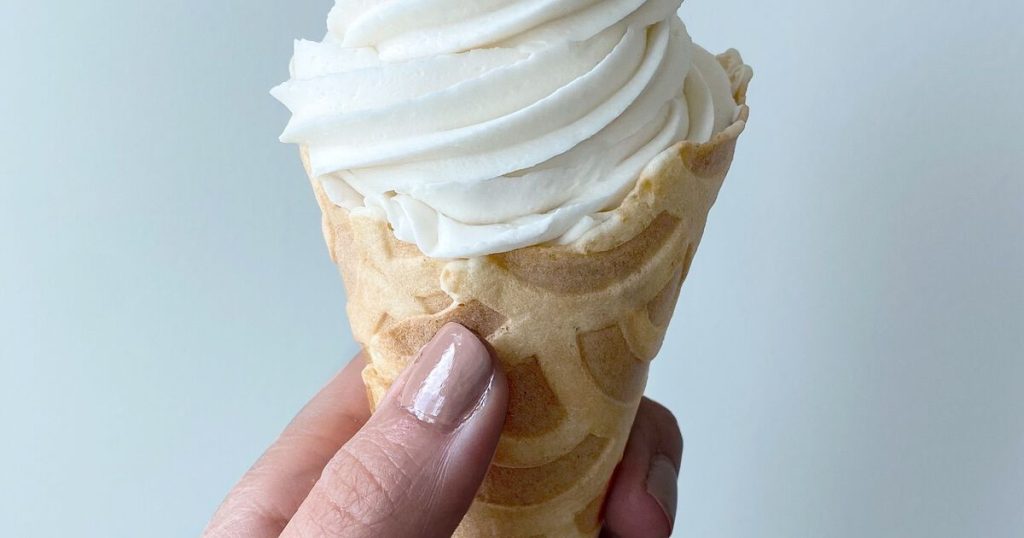
Have you ever wondered why soft serve ice cream has that irresistibly creamy texture that melts in your mouth just right? It’s not just magic; there’s a fascinating science behind it.
Imagine enjoying a treat that’s smoother and lighter than regular ice cream, giving you that delightful experience with every bite. You’re about to uncover the secrets that make soft serve so uniquely soft and creamy. Understanding these secrets not only satisfies your curiosity but also enhances your appreciation for your favorite frozen delight.
Stick around, and you’ll discover how simple ingredients and clever techniques come together to create this popular dessert. Ready to dive into the creamy world of soft serve? Let’s get started!

Credit: www.gseice.com
Ingredients Behind Softness
Soft serve ice cream stands out because of its creamy, smooth texture that melts gently in your mouth. The secret behind this softness lies in the careful balance of its ingredients. Each component plays a unique role in creating that delightful, tender feel you love.
Role Of Milk Fat
Milk fat is crucial for the creamy texture of soft serve. It coats your mouth with a rich, smooth sensation that feels indulgent but light. Too little fat, and the ice cream becomes icy and hard; too much, and it can feel greasy.
Think about the last time you tasted a soft serve that felt just right. Chances are, the milk fat content was perfectly balanced to give that melt-in-your-mouth softness. Your body also responds to milk fat by releasing signals that enhance the feeling of creaminess.
Impact Of Sugar Content
Sugar does more than just sweeten soft serve; it lowers the freezing point of the mixture. This means the ice cream stays softer even at very cold temperatures. Without enough sugar, you’d end up with a hard, rock-solid dessert.
Have you noticed how some soft serves feel icy? That’s often due to low sugar content. Keeping the sugar level right ensures the ice cream maintains its smooth texture and pleasant softness.
Importance Of Air Incorporation
Air is what gives soft serve its light and fluffy texture. When air is added during freezing, it prevents the ice cream from becoming too dense or heavy. This process is called overrun, and it can make up 30-50% of the final volume.
Next time you enjoy soft serve, think about how much air is trapped inside those creamy swirls. Without this air, the texture would be thick and hard, not the soft treat you expect. The right amount of air keeps the ice cream smooth and easy to scoop.
Freezing Techniques
Freezing techniques play a crucial role in creating the signature smoothness of soft serve ice cream. The way the ice cream freezes affects its texture, mouthfeel, and overall creaminess. Understanding these techniques helps you appreciate why soft serve feels so delightfully soft compared to regular ice cream.
Rapid Freezing Process
Soft serve is frozen quickly, often within minutes. This rapid freezing traps air and prevents large ice crystals from forming. Have you noticed how homemade ice cream can sometimes feel grainy? That’s because it freezes slowly, allowing bigger ice crystals to develop.
In commercial soft serve machines, the mixture is churned while freezing fast. This constant movement keeps the texture smooth and creamy. You can imagine it like stirring a sauce to avoid lumps, but here it stops ice crystals from growing too large.
Temperature Control
The freezing temperature for soft serve is carefully controlled, usually just below 0°F (-18°C). This precise control keeps the ice cream firm enough to hold its shape but soft enough to serve easily. If the temperature drops too low, the ice cream becomes hard and loses its softness.
Ever tried scooping ice cream straight from a deep freezer? It’s tough and often loses that melt-in-your-mouth feel. Soft serve machines maintain a perfect balance, chilling the mix without freezing it solid.
Effect Of Ice Crystal Size
The size of ice crystals directly impacts texture. Smaller crystals create a smoother, softer feel in your mouth. This is why soft serve feels so much silkier than regular ice cream.
Keeping ice crystals small requires both rapid freezing and constant churning. If crystals grow too large, the ice cream becomes coarse and icy. Next time you enjoy soft serve, think about those tiny crystals working hard to deliver that creamy softness.
Equipment And Machines
Soft serve ice cream owes its smooth texture to specialized equipment. These machines work hard to create the creamy softness people love. Understanding their functions helps appreciate the craft behind each swirl.
Soft Serve Machines Explained
Soft serve machines mix and freeze the ice cream blend simultaneously. They have a freezing cylinder where the mix is cooled to the perfect temperature. A dasher inside the cylinder stirs the mix to keep it light. The machine then pushes the ice cream out through a nozzle. This process makes the ice cream soft and easy to serve.
Mixing And Churning Functions
The mixing action adds air to the ice cream mix, called overrun. This air makes the ice cream lighter and softer. Churning prevents large ice crystals from forming, keeping the texture smooth. Both actions are continuous while freezing. This balance is key to soft serve’s creamy feel.
Maintaining Consistency
Soft serve machines keep a steady temperature to avoid melting or hardening. They control the amount of air mixed in for uniform texture. Regular cleaning ensures the machine works efficiently. Consistent operation creates the same soft texture every time.

Credit: icecreamtruck.ca
Texture And Mouthfeel
The texture and mouthfeel of soft serve ice cream create an experience that’s delightfully different from regular ice cream. It’s not just about flavor; it’s about how it feels on your tongue and melts in your mouth. Understanding these qualities helps you appreciate why soft serve is so enjoyable and distinct.
Why Soft Serve Feels Creamier
Soft serve feels creamier because it contains more air whipped into it, making it lighter and smoother. This air changes the ice cream’s density, giving it a soft, velvety texture that glides easily across your palate.
Think about the last time you had soft serve—did it feel lighter but somehow richer at the same time? That’s the air working with the dairy fats to create that creamy sensation without being heavy.
Difference From Regular Ice Cream
Regular ice cream is churned more slowly and frozen harder, making it denser and less airy. This results in a firmer texture that requires more effort to scoop and a slower melt in your mouth.
Soft serve, on the other hand, is served at a slightly warmer temperature and with more air mixed in. This combination gives it a softer bite and a quicker melt, which feels refreshing and smooth as you enjoy it.
Role Of Overrun In Texture
Overrun refers to the amount of air whipped into the ice cream during freezing. Soft serve typically has an overrun of 40% to 60%, meaning almost half of what you’re eating is air.
This air not only lightens the texture but also affects how the ice cream melts and how your mouth perceives its creaminess. More overrun means softer, fluffier ice cream, while less overrun results in a denser, heavier product.
Next time you enjoy a cone, pay attention to how the air content changes the feel. Can you detect the difference between soft serve and a scoop of traditional ice cream just by texture?
Flavor Variations And Additives
Flavor variations and additives play a key role in making soft serve ice cream soft and tasty. These ingredients influence the texture, taste, and overall experience. Understanding how flavors and additives work can explain why soft serve feels different from regular ice cream.
Flavors add excitement and variety. Additives help maintain softness and stability. Together, they create the perfect soft serve treat.
Common Flavor Enhancers
Flavor enhancers boost the taste of soft serve ice cream. They include:
- Vanilla extract for a rich, creamy taste
- Cocoa powder for chocolate flavor
- Fruit syrups like strawberry or mango
- Nuts and candy pieces for added texture
These enhancers make each bite enjoyable and flavorful.
Stabilizers And Emulsifiers
Stabilizers keep soft serve smooth and creamy. They prevent ice crystals from forming. Common stabilizers include guar gum and carrageenan.
Emulsifiers mix fat and water evenly. This creates a uniform texture. Lecithin is a popular emulsifier in soft serve.
Both stabilizers and emulsifiers keep soft serve light and soft for longer.
Natural Vs Artificial Ingredients
Natural ingredients come from plants, fruits, or dairy. They offer real flavors and fewer chemicals. Examples are real vanilla beans and fresh fruit purees.
Artificial ingredients imitate natural flavors but are made in labs. They are cheaper and last longer. Examples include artificial vanilla and synthetic colors.
Choosing between natural and artificial affects taste, cost, and texture.
Serving And Storage Tips
Keeping soft serve ice cream perfectly soft and enjoyable isn’t just about the recipe—it’s also about how you serve and store it. Small adjustments in temperature and storage habits can make a big difference in texture and taste. Let’s look at some practical tips to keep your soft serve delightfully creamy every time.
Ideal Serving Temperature
Soft serve ice cream melts quickly if served too warm, yet it can become too firm if served too cold. The best temperature to serve soft serve is around -4°C to -6°C (24.8°F to 21.2°F). At this range, the ice cream stays smooth and soft, but still holds its shape.
Have you ever noticed how a slightly colder soft serve feels icy rather than creamy? This happens because the fat and air structure tightens up below the ideal temperature. Try chilling your cone or cup before serving to maintain that perfect softness for longer.
Storage Impact On Softness
Storing soft serve ice cream in a freezer set too cold can cause it to harden and lose its signature texture. Keep your freezer temperature steady, ideally around -20°C (-4°F), to avoid ice crystal formation that ruins softness.
Also, avoid frequent temperature changes. Moving soft serve from freezer to counter repeatedly causes condensation and ice crystals, which make the texture grainy. A consistent cold environment preserves the creamy texture you want to enjoy.
Avoiding Melting Issues
Serving soft serve quickly after dispensing reduces melting and dripping. If you wait too long, the ice cream starts to soften and lose its structure.
Use chilled serving tools and cups to slow down melting. When outdoors, shade your soft serve or serve in smaller portions so your guests can finish before it melts.
What’s your biggest challenge in keeping soft serve soft? Trying these tips might just change how you enjoy this creamy treat.

Credit: www.caterboss.ie
Frequently Asked Questions
Why Is Soft Serve Ice Cream Softer Than Regular Ice Cream?
Soft serve ice cream contains more air, making it lighter and creamier. It is served at a slightly warmer temperature, preventing it from freezing hard. The special ice cream mix and continuous churning also contribute to its smooth, soft texture.
How Does Air Affect Soft Serve Ice Cream Texture?
Air is whipped into the ice cream mix during freezing, a process called overrun. This increases volume and creates tiny air bubbles. These bubbles make the ice cream lighter, softer, and smoother compared to denser, hard-packed regular ice cream.
What Role Does Temperature Play In Soft Serve Softness?
Soft serve is served at around -4°C (24°F), warmer than regular ice cream. This temperature prevents it from freezing solid, keeping it creamy and easy to scoop. The warmer serving temperature is key to its signature soft texture.
Does The Ice Cream Mix Influence Soft Serve Softness?
Yes, soft serve uses a special mix with lower fat and more stabilizers. This mix freezes differently, helping create a smoother, softer texture. Ingredients like milk, sugar, and emulsifiers work together to keep the ice cream light and creamy.
Conclusion
Soft serve ice cream stays soft because of air and temperature. The mixture has less fat and more air inside. Machines keep it cold but not frozen hard. This balance makes soft serve smooth and creamy. Now, you can enjoy why it feels light and soft.
Next time you eat soft serve, remember these simple secrets. Soft serve’s texture comes from science and careful making. It’s not just ice cream; it’s a special treat.