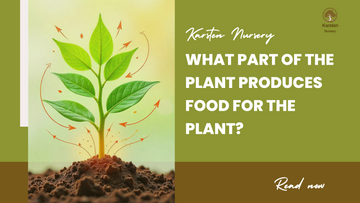
Have you ever wondered what truly feeds a plant and keeps it growing strong? It’s not just water or sunlight—there’s a whole world of nutrients and processes working behind the scenes.
Understanding what makes the food for the plant can change the way you care for your garden or houseplants. You’ll discover the simple yet powerful elements that nourish your plants, helping them thrive like never before. Ready to unlock the secrets of plant food?
Let’s dive in.

Credit: sizzlekidz.com
Key Nutrients For Plant Growth
Plants need nutrients to grow strong and healthy. These nutrients help them develop roots, stems, and leaves.
Plants absorb these nutrients from the soil and use them for energy and growth.
Macronutrients
Macronutrients are required in larger amounts. They include nitrogen, phosphorus, and potassium.
- Nitrogen (N):Helps in the growth of leaves and stems.
- Phosphorus (P):Important for root development and flowering.
- Potassium (K):Helps in water regulation and disease resistance.
Micronutrients
Micronutrients are needed in smaller amounts. They are crucial for plant health and development.
| Micronutrient | Function |
| Iron (Fe) | Essential for chlorophyll production |
| Zinc (Zn) | Helps with enzyme function |
| Boron (B) | Important for cell wall formation |
Roles Of Macronutrients
Plants need macronutrients to grow strong and healthy. These nutrients help with different parts of the plant’s life.
Macronutrients include nitrogen, phosphorus, and potassium. Each one has a special job in plant growth.
Nitrogen And Leaf Development
Nitrogen is important for making leaves green and healthy. It helps plants grow more leaves and makes them strong.
Without enough nitrogen, leaves look yellow and plants grow slowly. Nitrogen is part of chlorophyll, which plants use to get energy from sunlight.
Phosphorus And Root Growth
Phosphorus helps plants grow strong roots. Healthy roots take in water and nutrients better.
It also supports energy transfer inside the plant. This energy is needed for new root cells to form and grow deep.
Potassium And Overall Health
Potassium helps plants stay healthy and resist diseases. It controls water inside the plant cells.
Potassium also helps plants use other nutrients well. It improves the strength and quality of the plant.
Importance Of Micronutrients
Plants need tiny amounts of minerals called micronutrients. These help plants grow strong and healthy. Without them, plants cannot perform important functions.
Micronutrients support processes like making food, building cells, and protecting the plant. Let’s look at three key micronutrients and their roles.
Iron And Chlorophyll Production
Iron helps plants make chlorophyll. Chlorophyll is what gives leaves their green color and captures sunlight. Sunlight is needed for plants to make food.
Without enough iron, plants look pale and weak. They cannot make enough food and will grow slowly.
Magnesium And Photosynthesis
Magnesium is a core part of the chlorophyll molecule. It helps plants absorb sunlight to make energy. This process is called photosynthesis.
- Magnesium activates many enzymes
- It helps convert sunlight into energy
- It supports the growth of new leaves
Calcium And Cell Wall Strength
Calcium builds strong cell walls in plants. Strong cell walls protect plants from damage and disease. They also help plants stand tall and grow properly.
| Micronutrient | Main Role | Effect on Plant |
| Iron | Chlorophyll production | Green leaves and food making |
| Magnesium | Photosynthesis support | Energy creation and leaf growth |
| Calcium | Cell wall strength | Protection and structure |

Credit: askabiologist.asu.edu
Soil And Nutrient Availability
Plants get their food mainly from the soil. The soil must have the right nutrients for plants to grow well.
Good soil helps plants absorb water and nutrients. The balance of these elements affects plant health.
Soil Ph Impact
Soil pH shows how acidic or alkaline the soil is. It affects how plants take nutrients from the soil.
Most plants grow best in soil with a pH between 6 and 7. If the pH is too low or too high, plants may not get enough nutrients.
Organic Matter Influence
Organic matter improves soil structure and holds nutrients. It helps plants get food and water easily.
- Increases soil moisture retention
- Supplies essential nutrients as it breaks down
- Improves soil aeration for roots
- Supports beneficial soil organisms
Nutrient Deficiency Signs
| Nutrient | Deficiency Sign | Effect on Plant |
| Nitrogen (N) | Yellow leaves, slow growth | Weak stems, poor leaf development |
| Phosphorus (P) | Dark green or purple leaves | Delayed flowering, poor root growth |
| Potassium (K) | Yellow or brown leaf edges | Weak resistance to disease |
| Iron (Fe) | Yellow leaves with green veins | Stunted growth |
Supplying Nutrients To Plants
Plants need nutrients to grow healthy and strong. These nutrients come from the soil, water, and air. Supplying the right nutrients helps plants produce food through photosynthesis.
Farmers and gardeners use different ways to give plants the nutrients they need. These methods include natural fertilizers, chemical fertilizers, and foliar feeding.
Natural Fertilizers
Natural fertilizers come from plants, animals, or minerals. They add nutrients to the soil slowly. This helps plants grow over time without harming the environment.
Examples include compost, manure, and bone meal. These fertilizers improve soil quality and help plants absorb nutrients better.
- Compost: made from decomposed organic matter
- Manure: animal waste rich in nitrogen
- Bone meal: ground bones providing phosphorus
Chemical Fertilizers
Chemical fertilizers are made in factories. They provide nutrients quickly to plants. These fertilizers contain elements like nitrogen, phosphorus, and potassium.
They help plants grow fast but can harm soil if overused. It is important to use the right amount and follow instructions carefully.
- Nitrogen (N): helps leaves grow green and healthy
- Phosphorus (P): supports root and flower growth
- Potassium (K): strengthens plant resistance to disease
Foliar Feeding
Foliar feeding means spraying nutrients directly on plant leaves. The leaves absorb nutrients quickly. This method helps plants that need fast nutrition.
It works best for micronutrients like iron and magnesium. Foliar feeding supports plants during stress or nutrient shortages.
- Apply nutrient sprays in early morning or late evening
- Use diluted solutions to avoid leaf damage
- Repeat every 7-14 days for best results
Credit: tasweeb.medium.com
Balancing Nutrient Levels
Plants need the right amount of nutrients to grow well. Too much or too little can harm them.
Balancing nutrients helps plants stay healthy and produce more food.
Over-fertilization Risks
Adding too many nutrients can damage plants and soil. It causes leaf burn and weak roots.
Excess fertilizer can also pollute water and harm animals nearby.
- Leaf burn from salt buildup
- Root damage reducing water uptake
- Soil nutrient imbalance
- Water pollution from runoff
Nutrient Interactions
Some nutrients work together, while others block each other. This affects plant health.
For example, too much phosphorus can stop plants from absorbing zinc.
- Nitrogen helps plants grow leaves
- Phosphorus supports root and flower growth
- Potassium strengthens plant cells
- Imbalance can reduce nutrient absorption
Sustainable Practices
Use natural fertilizers and compost to keep soil healthy. These release nutrients slowly.
Test soil before adding nutrients. This helps apply only what plants need.
- Apply organic compost regularly
- Use cover crops to add nutrients
- Rotate crops to prevent nutrient loss
- Test soil to guide fertilization
Frequently Asked Questions
What Is The Main Source Of Food For Plants?
Plants primarily make their food using sunlight through photosynthesis. They convert light, water, and carbon dioxide into glucose, which fuels growth and energy.
How Do Plants Absorb Nutrients From Soil?
Plants absorb nutrients through their roots. Soil provides essential minerals like nitrogen, phosphorus, and potassium that support plant health and development.
Why Is Sunlight Important For Plant Food Production?
Sunlight provides energy for photosynthesis. Without sunlight, plants cannot produce glucose, which is vital for their survival and growth.
Can Plants Survive Without Soil Nutrients?
Plants can survive for a short time without soil nutrients but will eventually weaken. Nutrients are essential for strong, healthy growth and reproduction.
Conclusion
Plants get their food mainly from sunlight, water, and air. They use sunlight to make energy through photosynthesis. Water and minerals from the soil help them grow strong and healthy. Air provides carbon dioxide, which plants need to create food.
Understanding these basics helps us care for plants better. Healthy plants mean a healthy environment and food supply. Simple steps like watering and providing sunlight keep plants alive. Nature’s process is amazing and keeps life going every day.