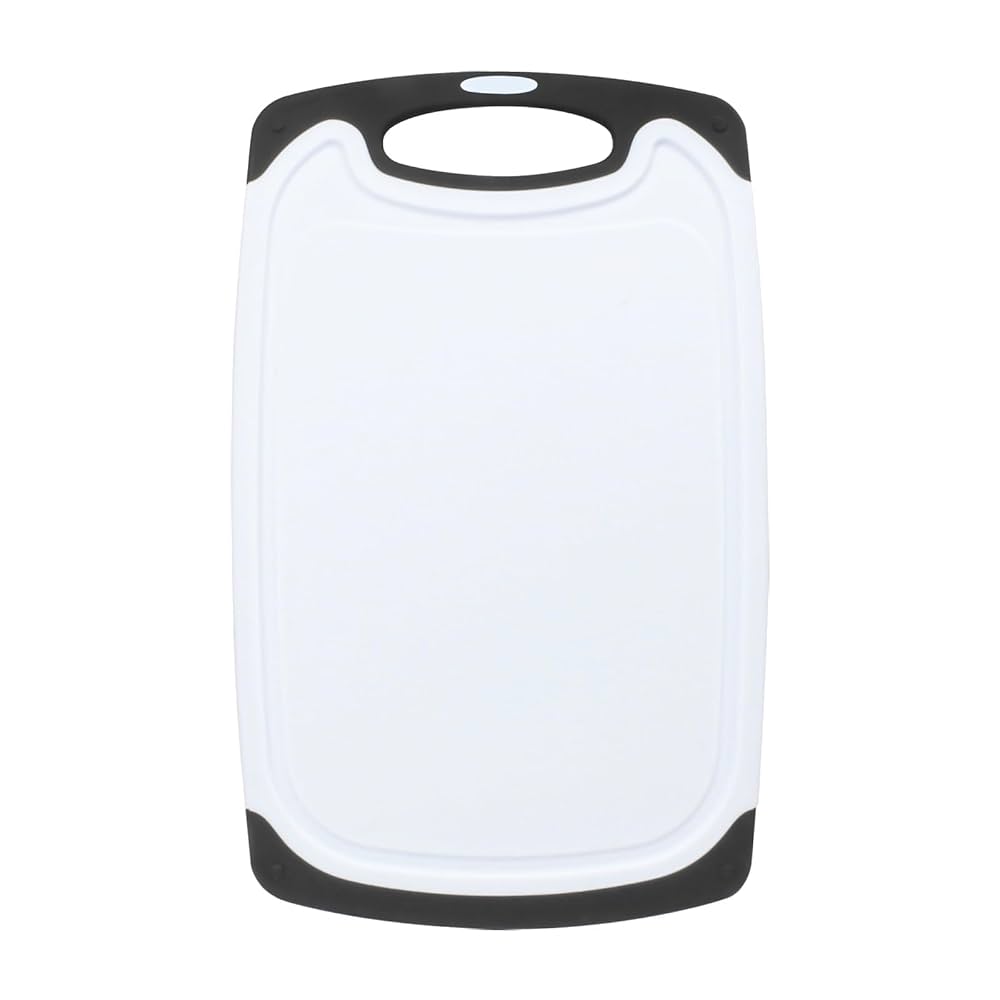
Have you ever wondered what makes plastic cutting boards so popular in kitchens everywhere? If you use one, understanding what material it’s made of can help you choose the best board for your cooking needs and keep your kitchen safe.
Knowing the right material can also tell you how durable it is, how easy it is to clean, and whether it’s safe for your food. Keep reading, and you’ll discover the secrets behind plastic cutting boards that every home cook should know.
Common Materials For Plastic Cutting Boards
Plastic cutting boards are popular in kitchens. They are made from different types of plastics. Each type has unique features and uses.
Choosing the right material helps with durability and safety. Let’s look at the common materials used for plastic cutting boards.
Polyethylene Types
Polyethylene is a widely used plastic for cutting boards. It comes in two main types: high-density (HDPE) and low-density (LDPE). HDPE is harder and more durable. LDPE is softer and more flexible.
Most cutting boards use HDPE because it resists cuts and scratches well. It is also safe for food contact and easy to clean.
- High-density polyethylene (HDPE) is tough and durable
- Low-density polyethylene (LDPE) is softer and flexible
- Both types are food safe and easy to maintain
Polypropylene Features
Polypropylene is another common plastic for cutting boards. It is harder than polyethylene but still lightweight. This plastic resists stains and chemicals well.
Polypropylene cutting boards are less prone to warping. They handle heat better and last long in busy kitchens.
- Hard and lightweight material
- Resists stains and chemicals
- Good heat resistance
- Durable for heavy kitchen use
Polycarbonate Uses
Polycarbonate is a strong and clear plastic. It is not as common for cutting boards but is used in some cases. Polycarbonate boards are very tough and can handle heavy cutting.
This material is also resistant to impact and heat. It is easy to clean and does not absorb odors. Polycarbonate cutting boards are more expensive than other types.
- Very strong and impact resistant
- Clear and easy to clean
- Handles heat well
- More costly than other plastics
Properties That Matter
Plastic cutting boards come in many types. They vary in material and quality. Understanding key properties helps choose the right board for your kitchen.
This article covers three main properties: durability and hardness, knife friendliness, and non-porous surface. Each affects how the board performs and lasts.
Durability And Hardness
Most plastic cutting boards are made from high-density polyethylene (HDPE) or polypropylene. These materials are tough and resist dents and scratches. Their hardness protects the board from deep cuts.
| Material | Durability Level | Hardness |
| High-Density Polyethylene (HDPE) | High | Moderate |
| Polypropylene | Moderate | Moderate |
| Polystyrene | Low | Low |
Knife Friendliness
Plastic boards should be soft enough to protect knife edges. Hard boards can dull knives faster. HDPE is gentle on knives and helps keep them sharp longer.
- Soft plastic absorbs blade pressure
- Prevents quick knife dulling
- Reduces the need for frequent sharpening
Non-porous Surface
Non-porous materials do not soak up liquids or food particles. This helps stop bacteria from growing. Plastic cutting boards are usually non-porous, making them safer and easier to clean.
Benefits of Non-Porous Plastic Boards:
- Resist stains and odors
- Easy to sanitize with soap and water
- Reduce cross-contamination risks
Food Safety And Hygiene
Plastic cutting boards are common in kitchens for food preparation. Their material plays a big role in keeping food safe and clean.
Understanding what plastic cutting boards are made of helps ensure they meet hygiene standards and protect against germs.
Bacterial Resistance
Plastic cutting boards are often made from polyethylene or polypropylene. These materials resist deep cuts where bacteria can hide.
- Non-porous surface stops bacteria from soaking in.
- Durable plastic prevents cracks that trap germs.
- Some boards have antimicrobial additives to reduce bacteria growth.
Ease Of Cleaning
Plastic boards clean easily with soap and hot water. Their smooth surface does not absorb liquids or odors.
| Cleaning Method | Effectiveness |
| Hand washing with soap | Good for daily cleaning |
| Dishwasher cleaning | Removes most bacteria and stains |
| Sanitizing solution | Kills remaining germs |
Fda Regulations
The FDA approves certain plastics for food contact. This ensures materials do not release harmful chemicals.
FDA-approved plastics used for cutting boards include:
- High-density polyethylene (HDPE)
- Low-density polyethylene (LDPE)
- Polypropylene (PP)
These materials meet strict safety and hygiene standards for kitchen use.

Credit: www.amazon.com
Environmental Impact
Plastic cutting boards are common in many kitchens. Understanding their environmental impact helps make better choices.
This section explains the materials used and their effects on the planet.
Recyclability Of Materials
Most plastic cutting boards are made from polyethylene or polypropylene. These plastics can be recycled but not always easily.
- High-density polyethylene (HDPE) is the most common type used.
- Recycling centers may not accept used cutting boards due to food contamination.
- Recycling processes for these plastics save energy compared to new plastic production.
- Proper cleaning before recycling increases chances of acceptance.
Biodegradable Options
Some cutting boards use biodegradable materials. These break down faster in nature than traditional plastics.
| Material | Breakdown Time | Environmental Benefit |
| Bamboo | 1-3 years | Renewable and compostable |
| Bioplastic | 6 months to 2 years | Made from plant starches, less pollution |
| Wood | 5-10 years | Natural and biodegradable |
Sustainability Concerns
Plastic cutting boards raise concerns about pollution and resource use. They rely on fossil fuels and create waste.
- Plastic waste adds to landfill and ocean pollution.
- Manufacturing uses non-renewable energy.
- Short lifespan leads to frequent replacement.
- Biodegradable boards may cost more and need special care.
Choosing The Right Plastic Board
Plastic cutting boards are common in many kitchens. They come in different materials that affect their use and care.
Picking the right plastic board helps keep your food safe and your kitchen clean.
Usage Scenarios
Plastic cutting boards suit many tasks. Some materials work better for certain foods and uses.
- Polyethylene boards are good for raw meat and vegetables.
- Polypropylene boards resist heat and stains well.
- Polycarbonate boards are strong and clear but less common.
- Choose a board that fits your usual cooking needs.
Maintenance Tips
Plastic boards need cleaning and care to last long. Proper maintenance stops bacteria growth.
- Wash boards with hot, soapy water after use.
- Use a dishwasher-safe board for easy cleaning.
- Replace boards if they have deep cuts or cracks.
- Sanitize boards regularly to keep them safe.
Cost Considerations
Plastic cutting boards vary in price based on material and size. Cheaper boards may wear out faster.
- High-density polyethylene boards are affordable and durable.
- Polypropylene boards usually cost a bit more but last longer.
- Clear polycarbonate boards tend to be pricier.
- Balance cost with how often you cook and clean.

Credit: www.amazon.com

Credit: www.amazon.com
Frequently Asked Questions
What Materials Are Used For Plastic Cutting Boards?
Plastic cutting boards are mainly made from polyethylene or polypropylene. These materials are durable, non-porous, and easy to clean, making them safe for food preparation.
Are Plastic Cutting Boards Bpa-free And Food Safe?
Most modern plastic cutting boards are BPA-free and FDA-approved. They are designed to be safe for direct food contact and resist harmful chemical leaching.
How Do Plastic Materials Affect Cutting Board Durability?
High-density polyethylene (HDPE) offers strong durability and resists knife marks. Polypropylene provides flexibility and impact resistance, extending the cutting board’s lifespan.
Why Choose Plastic Over Wooden Cutting Boards?
Plastic boards are non-porous, which prevents bacteria absorption. They are dishwasher-safe and easier to sanitize compared to wooden boards.
Conclusion
Plastic cutting boards are mostly made from durable plastics like polyethylene. These materials resist cuts and stains well. They keep food safe by stopping germs from hiding. Cleaning them is easy, helping to keep kitchens healthy. Choosing the right plastic board makes cooking safer and simpler.
Now you know what makes these boards a good kitchen tool. Use this knowledge to pick a cutting board that fits your needs. Safe, strong, and easy to clean—that’s what plastic boards offer.