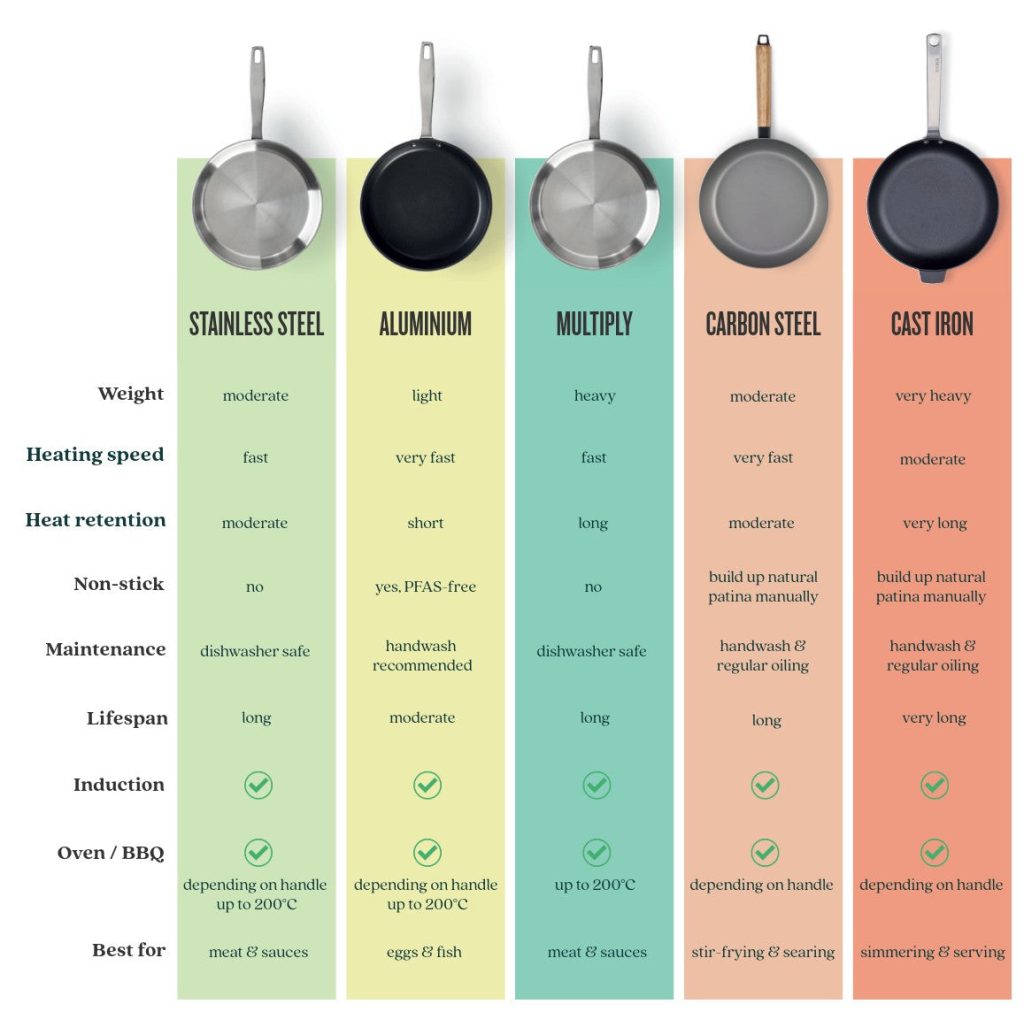
Choosing the right cookware can change the way you cook and enjoy your meals. But with so many materials available—like stainless steel, cast iron, non-stick, and more—it’s easy to feel overwhelmed.
What if you could find the perfect cookware that matches your cooking style, lasts long, and keeps your food tasting great? You’ll discover which cookware material truly stands out and why it might be the best fit for your kitchen.
Keep reading to unlock the secret to better cooking and smarter kitchen choices.

Credit: nypost.com
Cookware Materials Compared
Choosing the right cookware material affects how food cooks and lasts. Each material has its own strengths and weaknesses.
Learning about these materials helps you pick cookware that fits your cooking style and needs.
Stainless Steel Benefits
Stainless steel cookware is strong and does not rust. It does not react with acidic foods.
This material heats evenly and can handle high temperatures. It is easy to clean and looks shiny.
Nonstick Coating Features
Nonstick cookware prevents food from sticking. It uses a special coating on the surface.
This cookware needs less oil, making it good for healthy cooking. It cleans up quickly but can scratch easily.
- Use wooden or silicone utensils
- Avoid high heat to protect coating
- Great for eggs and pancakes
Cast Iron Advantages
Cast iron holds heat very well. It cooks food evenly and stays hot for a long time.
This cookware can last for many years if cared for properly. It adds a small amount of iron to your food.
- Season regularly to keep it nonstick
- Heavy but durable
- Works well for frying and baking
Aluminum Properties
Aluminum cookware heats up quickly and cools down fast. It is lightweight and easy to handle.
Pure aluminum can react with some foods. Many pans are coated or anodized to prevent this.
- Good heat conductor
- Often less expensive
- Not as durable as other materials
Copper Characteristics
Copper cookware heats very evenly and quickly. It gives you good control over cooking temperature.
Copper can react with food, so it usually has a lining. It looks attractive and ages with use.
- Excellent heat control
- Needs regular polishing
- Tends to be expensive
Ceramic Cookware Insights
Ceramic cookware has a smooth, nonstick surface made from natural materials. It is free from chemicals like PTFE and PFOA.
This cookware heats evenly and is easy to clean. It may chip if dropped but resists scratches well.
- Non-toxic and eco-friendly
- Good for low to medium heat cooking
- Careful with sudden temperature changes
:max_bytes(150000):strip_icc()/faw-stainless-steel-cookware-sets-primary-badge-nsimpson-132_preview-b5e4c5199196447fbc512c817c1baa74.jpg)
Credit: www.foodandwine.com
Health And Safety Factors
Choosing the right cookware material affects your health and safety. Some materials can release harmful substances or react with food. It is important to understand these factors before buying cookware.
This guide explains toxicity concerns, reactivity with foods, and durability. These points help you pick safe and long-lasting cookware.
Toxicity Concerns
Some cookware materials can release toxic chemicals when heated. Non-stick coatings may emit fumes if overheated. Metals like aluminum can leach into acidic foods. Choosing cookware with low toxicity is safer for your family.
- Stainless steel is non-toxic and safe at high temperatures.
- Ceramic cookware usually has no harmful chemicals.
- Avoid scratched non-stick pans that may release chemicals.
- Cast iron is safe but needs seasoning to prevent rust.
- Aluminum may react with acid and should be anodized.
Reactivity With Foods
Cookware can react with certain foods and change taste or safety. Acidic foods like tomatoes can cause metals to leach into food. Non-reactive cookware is best for cooking all types of meals.
| Cookware Material | Reacts with Acidic Foods | Effect on Food |
| Aluminum | Yes | Metallic taste and possible health risk |
| Cast Iron | Yes | Can increase iron content and change flavor |
| Stainless Steel | No | No effect on food taste or safety |
| Ceramic | No | Neutral and safe for all foods |
| Non-stick | No | Does not react but coating may degrade |
Durability And Wear
Durable cookware lasts longer and stays safe to use. Some materials chip or scratch easily. Scratches can expose harmful layers or metal underneath. Consider how well the material stands up to daily use.
- Cast iron is very durable but needs care to avoid rust.
- Stainless steel resists scratches and dents well.
- Ceramic coatings may crack or chip over time.
- Non-stick pans wear out faster and lose coating.
- Anodized aluminum is harder and more durable than regular aluminum.
Cooking Performance
Choosing the best cookware material affects how food cooks. Some materials heat faster, while others keep heat longer.
Good cookware improves your cooking experience and food quality. Let’s explore key factors that matter for cooking performance.
Heat Conductivity
Heat conductivity means how fast heat moves through the cookware. High conductivity cooks food evenly and quickly.
Copper and aluminum have excellent heat conductivity. They warm up fast and spread heat across the surface well.
- Copper heats fastest and offers precise temperature control
- Aluminum is lightweight and heats evenly
- Stainless steel heats slower and less evenly
Heat Retention
Heat retention means how long cookware keeps heat after the stove is off. Good retention helps steady cooking.
Cast iron and stainless steel hold heat well. They keep cooking temperatures stable, which is good for searing or simmering.
- Cast iron holds heat the longest but heats slowly
- Stainless steel retains heat well and resists warping
- Aluminum cools down quickly, less heat retention
Versatility Across Cooking Methods
Some cookware works on many heat sources like gas, electric, and induction. Others suit certain cooking styles better.
Stainless steel and cast iron are very versatile. They can go from stovetop to oven and handle high heat well.
- Cast iron is great for frying, baking, and slow cooking
- Stainless steel suits sautéing, boiling, and oven use
- Non-stick pans are best for low-fat cooking but less oven-safe

Credit: www.healthierhomes.com
Maintenance And Care
Choosing the best cookware material is important. Caring for it well keeps it lasting longer. Proper maintenance helps keep your cookware safe to use.
Each cookware type needs different care. Knowing how to clean and protect it is key. This guide explains simple steps for maintenance.
Cleaning Tips
Clean cookware after each use. Avoid harsh cleaners that damage surfaces. Use soft sponges or cloths for washing.
For stuck food, soak with warm soapy water first. This helps loosen residue without scrubbing hard. Dry cookware completely before storing.
- Use mild dish soap and warm water
- Avoid metal scrubbers or abrasive pads
- Rinse well to remove all soap
- Dry with a soft towel to prevent rust
Seasoning Requirements
Some cookware needs seasoning to keep it non-stick. Cast iron and carbon steel require this process. Seasoning adds a protective layer.
Apply a thin layer of cooking oil and heat it. This builds a smooth surface that stops food from sticking. Repeat seasoning regularly for best results.
- Clean the cookware before seasoning
- Use vegetable or flaxseed oil
- Heat in oven or on stove for 1 hour
- Let it cool before storing
- Season again if food starts sticking
Scratch And Damage Prevention
Protect cookware surfaces from scratches and dents. Avoid using metal utensils on non-stick or coated pans. Use wooden, silicone, or plastic tools instead.
Store cookware carefully to avoid damage. Stack pans with soft cloth or paper towels between them. Handle pots and pans gently to keep them in good shape.
- Do not cut food inside the pan
- Use proper utensils for each cookware type
- Store pans with padding between each
- Check handles and screws regularly
Cost And Value
Choosing the right cookware material depends on cost and value. Different materials cost different amounts. Some last longer and offer better value.
Understanding initial costs and durability helps you pick the best cookware. You can also find good options for tight budgets.
Initial Investment
Cookware materials vary in price. Some need a larger upfront cost. Others are cheaper but may need replacing sooner.
Stainless steel and cast iron often cost more at first. Non-stick and aluminum sets usually cost less.
Long-term Durability
Durable cookware saves money over time. Cast iron and stainless steel can last for many years. They resist damage well.
Non-stick pans wear out faster. They may need replacing every few years. Consider how often you cook and clean.
- Cast iron: lasts decades with care
- Stainless steel: strong and rust-resistant
- Non-stick: may scratch and lose coating
- Aluminum: good heat, less durable
Budget-friendly Options
Some cookware offers good value without high cost. Aluminum and non-stick sets are affordable. They work well for everyday use.
Look for sales or starter sets. These can lower costs. Remember, cheaper options may not last as long.
- Aluminum: low cost, lightweight
- Non-stick: easy to cook and clean
- Look for trusted brands on sale
- Replace worn non-stick pans regularly
Best Uses For Each Material
Choosing the right cookware material can improve your cooking results. Different materials suit different cooking needs.
Understanding which cookware works best helps you cook more efficiently and enjoy your meals.
Everyday Cooking
For daily meals, cookware that heats evenly and cleans easily is best. Stainless steel and nonstick pans are popular choices.
Stainless steel is strong and works well for frying and boiling. Nonstick pans are great for cooking eggs and pancakes without sticking.
- Stainless Steel:Durable, heats evenly, good for searing and sautéing.
- Nonstick:Easy to clean, ideal for low-fat cooking and delicate foods.
- Aluminum:Lightweight, heats quickly, often coated for durability.
Specialty Dishes
Some dishes need specific cookware to get the best flavor and texture. Cast iron and copper are great for specialty cooking.
Cast iron keeps heat well and is perfect for slow cooking and frying. Copper offers precise temperature control for delicate sauces.
- Cast Iron:Excellent heat retention, ideal for frying, baking, and stewing.
- Copper:Fast, even heating, best for sauces and candy making.
- Enamel-coated:Good for acidic dishes and slow cooking.
Outdoor And Camping
When cooking outside, durability and weight matter. Materials like cast iron and titanium work well for camping.
Cast iron is heavy but tough, good for campfire cooking. Titanium is light and strong, easy to carry on hikes.
- Cast Iron:Durable and excellent for open flames.
- Titanium:Lightweight, corrosion-resistant, good for backpacking.
- Aluminum:Lightweight and heats quickly, common in camping sets.
Frequently Asked Questions
What Is The Safest Cookware Material?
Stainless steel is considered one of the safest cookware materials. It is non-reactive and durable, ensuring no harmful chemicals leach into your food. Additionally, it is easy to clean and maintains its appearance over time.
Is Non-stick Cookware Harmful?
Traditional non-stick cookware can release toxic fumes when overheated. However, modern ceramic non-stick options are safer. They are made without PTFE and PFOA, reducing health risks. Always follow manufacturer instructions to ensure safety.
Does Cast Iron Cookware Add Iron To Food?
Yes, cooking with cast iron can add iron to your food. This can be beneficial for those with iron deficiencies. However, the amount varies depending on food acidity and cooking duration.
Can Aluminum Cookware Cause Health Issues?
Uncoated aluminum cookware can react with acidic foods, potentially leading to health concerns. Consider anodized aluminum, which is less reactive and safer. Always ensure your aluminum cookware is in good condition to prevent leaching.
Conclusion
Choosing the right cookware depends on your needs and cooking style. Each material offers unique benefits and some drawbacks. Stainless steel is durable and easy to clean. Non-stick pans help with low-fat cooking and quick meals. Cast iron lasts long and adds flavor to dishes.
Copper heats evenly but needs care. Think about what you cook most and your budget. Good cookware makes cooking easier and more enjoyable. Take time to pick the best fit for your kitchen. Your meals will taste better with the right tools.