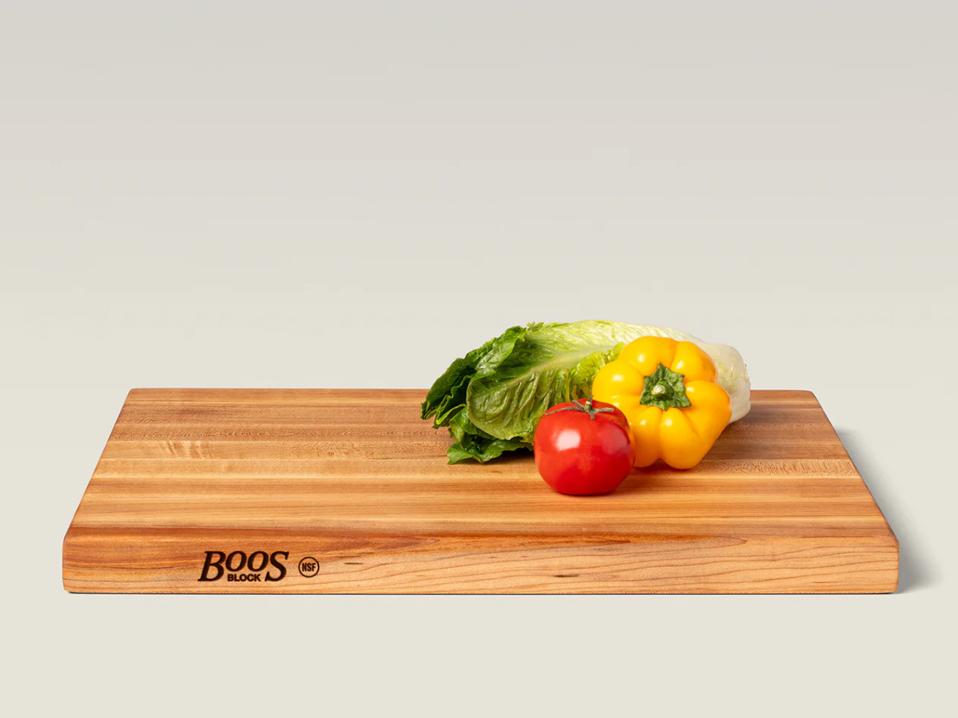
Choosing the right cutting board might seem simple, but it can make a big difference in your kitchen. You want something that’s safe for your food, easy to clean, and durable enough to last.
But with so many materials available—wood, plastic, bamboo, and more—how do you know which one is best for you? You’ll discover the pros and cons of each option, helping you pick the perfect cutting board that fits your cooking style and keeps your kitchen running smoothly.
Keep reading to find out what material will make your chopping easier and safer every day.
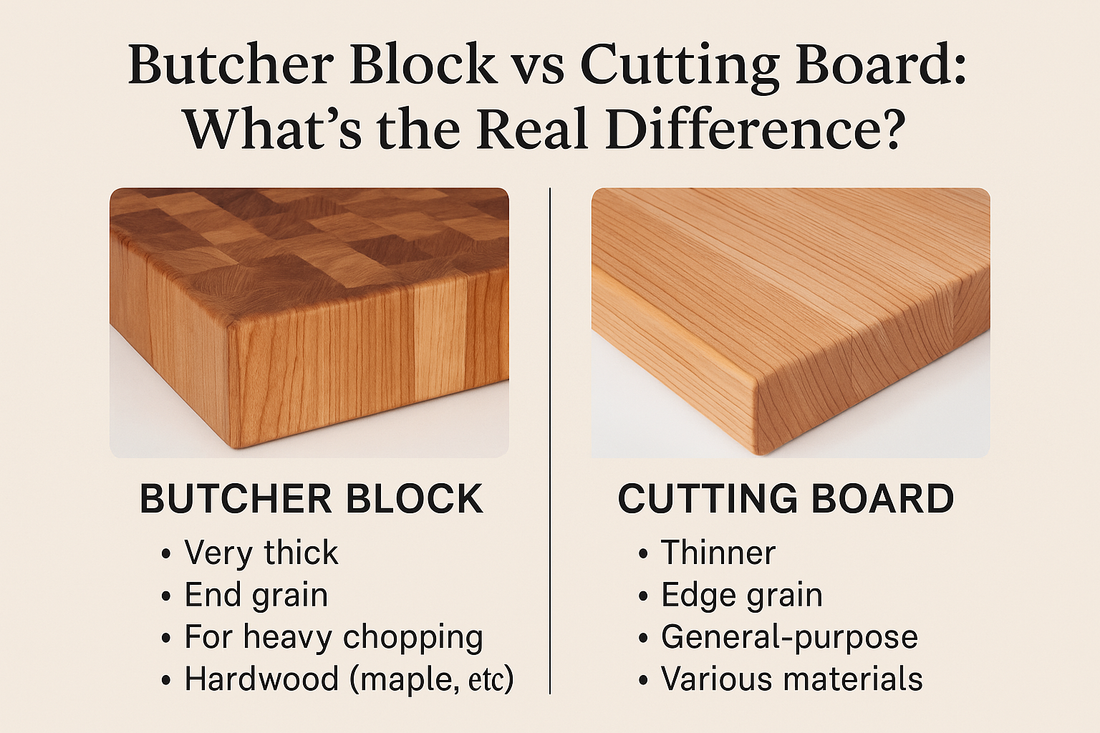
Credit: tayfus.com
Types Of Cutting Board Materials
Choosing the right cutting board depends on the material. Each type has pros and cons. Knowing them helps you pick what fits your kitchen best.
This guide explains common cutting board materials. Learn about wood, plastic, bamboo, glass, composite, and rubber options.
Wood
Wood cutting boards are popular for their durability and beauty. They are gentle on knives and resist deep cuts.
Wood boards need regular oiling to stay strong. They can absorb moisture, so cleaning well is important.
Plastic
Plastic cutting boards are light and easy to clean. They work well with dishwashers and resist stains.
They can develop knife marks that may hold bacteria. Replace plastic boards when they get very worn.
Bamboo
Bamboo boards are eco-friendly and harder than wood. They resist water but can dull knives faster.
Bamboo needs oiling like wood. It is a good choice for those wanting a natural, renewable material.
Glass
Glass cutting boards look clean and are easy to sanitize. They do not absorb odors or stains.
Glass is very hard and can dull or damage knives. It also can be slippery and noisy during use.
Composite
Composite boards combine wood fibers with resin for strength. They are durable and dishwasher safe.
These boards resist cuts and stains well. They need less maintenance than traditional wood boards.
Rubber
Rubber cutting boards are soft and gentle on knives. They offer good grip and reduce slipping.
They resist stains and bacteria but can be heavy. Rubber boards are often used in professional kitchens.
Durability And Longevity
Choosing the right material for cutting boards affects how long they last. Durability and longevity matter for safe and effective use. Different materials handle daily wear in various ways.
This guide looks at three key durability factors: resistance to knife marks, warping and cracking, and maintenance needs. These help decide which cutting board material suits your kitchen.
Resistance To Knife Marks
Cutting boards face constant blade contact. Some materials resist knife marks better than others. Harder surfaces often show fewer cuts but can dull knives faster.
- Wood boards tend to heal small cuts over time, keeping a smooth surface.
- Bamboo is hard and shows fewer marks but can be rough on knives.
- Plastic boards get deep cuts easily, which may hold bacteria.
- Glass boards resist marks but can damage knives quickly.
Warping And Cracking
Boards exposed to moisture or heat may warp or crack. This reduces their lifespan and safety. Material choice affects how well a board handles water and temperature.
| Material | Warping Resistance | Cracking Risk |
| Maple Wood | High | Low |
| Bamboo | Medium | Medium |
| Plastic | Low | Low |
| Glass | None | High |
Maintenance Requirements
Some cutting boards need more care to stay durable. Proper cleaning and oiling extend their life. Neglect can cause damage or health risks.
Follow these tips for maintenance:
- Clean boards with mild soap and warm water after use.
- Dry wooden and bamboo boards immediately to avoid moisture damage.
- Oil wooden boards monthly to prevent cracking and warping.
- Replace plastic boards when deep cuts appear to avoid bacteria buildup.
Food Safety And Hygiene
Choosing the right material for cutting boards is important for food safety. Different materials affect cleanliness and bacteria growth.
Understanding how materials impact hygiene helps keep your kitchen safe and healthy.
Bacterial Growth Risks
Some cutting board materials allow bacteria to grow easily. Soft materials like wood can absorb juices from food.
Plastic boards do not absorb liquids but can get scratched. Scratches can trap bacteria if not cleaned well.
- Wood can trap bacteria in cracks but can also kill some bacteria naturally.
- Plastic is less porous but scratches easily.
- Bamboo is harder and resists bacteria better than soft wood.
- Glass and metal do not absorb bacteria but can damage knives.
Ease Of Cleaning
Cleaning cutting boards well stops bacteria from growing. Smooth surfaces clean easier than rough ones.
Plastic boards can go in the dishwasher. Wood boards need hand washing and drying fast to avoid damage.
- Plastic: dishwasher safe, easy to clean.
- Wood: hand wash with soap, dry quickly.
- Bamboo: hand wash, avoid soaking in water.
- Glass/metal: dishwasher safe but may dull knives.
Sanitizing Methods
Sanitizing kills germs on cutting boards. Use simple, safe methods to keep boards clean.
Some materials handle strong sanitizers better than others. Avoid harsh chemicals on wood and bamboo.
- Use hot, soapy water for daily cleaning.
- Sanitize plastic boards with diluted bleach or vinegar.
- For wood, use lemon and salt to scrub and deodorize.
- Air dry boards completely after cleaning.
- Avoid soaking wood boards to prevent warping.
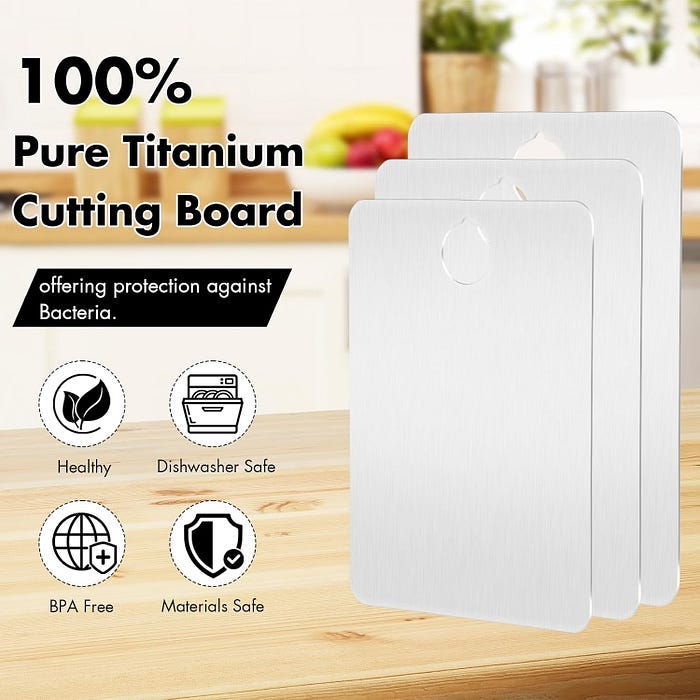
Credit: medium.com
Cutting Board Care Tips
Choosing the right material for your cutting board is important. Proper care helps it last longer and stay safe.
Each cutting board type needs special attention. Here are some tips to keep your board in good shape.
Seasoning And Oiling
Wood cutting boards need regular seasoning. Oiling keeps the wood from drying and cracking.
Use food-safe mineral oil or board cream. Apply oil evenly and let it soak in before use.
- Clean the board and dry it well before oiling
- Apply a thin layer of oil with a soft cloth
- Let the oil absorb for several hours or overnight
- Wipe off any extra oil before using the board
Proper Cleaning Techniques
Clean your cutting board after every use. This prevents bacteria and stains from building up.
Use warm water and mild soap. Avoid soaking wooden boards to protect their structure.
- Rinse the board with warm water immediately after use
- Scrub gently with a sponge and soap
- Do not put wooden boards in the dishwasher
- Dry the board completely with a clean towel
Storage Recommendations
Store cutting boards in a dry place with good air flow. This stops moisture and mold growth.
Keep boards upright or flat. Avoid stacking them when wet to prevent warping.
- Store boards in a dry cupboard or on a rack
- Keep wooden boards away from direct sunlight
- Do not store boards near heat sources
- Allow boards to air dry fully before storage
Environmental Impact
Choosing the right material for cutting boards affects the environment. Some materials use more resources or last longer than others.
Understanding the environmental impact helps you pick a cutting board that is better for the planet.
Sustainability Of Materials
Wood is a renewable resource if harvested responsibly. Bamboo grows fast and is a good option. Plastic boards use fossil fuels and are less eco-friendly. Glass and stone require a lot of energy to make.
- Wood and bamboo are biodegradable and renewable.
- Plastic cutting boards come from non-renewable resources.
- Stone and glass have high energy costs in production.
- Recycled materials reduce waste and resource use.
Recycling And Disposal
How you dispose of a cutting board matters. Wood and bamboo can break down naturally. Plastic boards often end up in landfills. Some materials can be recycled, but not all places accept them.
| Material | Recyclable | Disposal Method |
| Wood | No | Compost or landfill |
| Bamboo | No | Compost or landfill |
| Plastic | Sometimes | Recycle if accepted, else landfill |
| Glass | Yes | Recycle |
| Stone | No | Landfill or reuse |
Choosing The Right Board For Your Needs
Choosing the best cutting board depends on how you cook and your kitchen habits. Different materials suit different tasks and preferences.
This guide helps you pick the right board by looking at your cooking style, budget, and design tastes.
Cooking Style Considerations
Think about what foods you cut most often and how you use your board. Some materials are better for certain foods or knife types.
- Wood boards are gentle on knives and good for vegetables and bread.
- Plastic boards are easy to clean and suit raw meat cutting.
- Bamboo is hard and durable but can dull knives faster.
- Glass boards look nice but can damage knife edges.
Budget Factors
Your budget affects which materials you can buy. Some boards last longer but cost more upfront.
| Material | Price Range | Durability |
| Wood | Medium to High | High, needs care |
| Plastic | Low to Medium | Medium, may wear quickly |
| Bamboo | Medium | High, but can crack |
| Glass | Medium | Low, can chip knives |
Aesthetic Preferences
Your kitchen style may guide your choice. Cutting boards come in many colors and textures to match your decor.
Wood boards offer a classic and warm look. Bamboo boards have a natural, light color. Plastic boards come in many bright colors. Glass boards give a sleek, modern feel.

Credit: www.amazon.ca
Frequently Asked Questions
What Is The Best Wood For Cutting Boards?
Hardwoods like maple, walnut, and cherry are ideal for cutting boards. They are durable and resist knife scars. These woods have a closed grain, which helps prevent bacteria absorption. Always ensure the wood is sustainably sourced and properly treated to maintain hygiene and longevity.
Are Bamboo Cutting Boards Good?
Bamboo cutting boards are eco-friendly and highly durable. They are harder than most wood, offering excellent resistance to knife marks. Bamboo is also naturally antimicrobial. However, they can be tougher on knives due to their hardness. Regular oiling helps in maintaining their quality and appearance.
Is Plastic Better Than Wood For Cutting Boards?
Plastic cutting boards are lightweight and dishwasher safe. They are less porous, reducing bacterial growth. However, they can develop deep knife scars over time. Wood cutting boards are more durable and self-healing. Regular maintenance can make wood more hygienic than plastic.
Can I Use Glass Cutting Boards?
Glass cutting boards are easy to clean and non-porous. They prevent bacterial growth effectively. However, they are harsh on knives, dulling blades quickly. Glass can also be slippery and prone to shattering. They are better suited for decorative purposes or serving rather than regular chopping.
Conclusion
Choosing the right cutting board material matters for your kitchen. Wood feels warm and lasts long with proper care. Plastic boards are easy to clean and budget-friendly. Bamboo offers a sturdy and eco-friendly choice. Each type suits different cooking styles and needs.
Think about how often you cook and what you cut most. Caring for your board helps it stay safe and useful. A good cutting board makes food prep easier and safer. Pick one that fits your kitchen and lifestyle best.