Your cutting board works hard every day, from slicing fresh veggies to carving juicy meats. But have you ever stopped to think about how you take care of it?
Using the right oil can keep your board looking great and lasting longer. Choosing the wrong oil, though, might damage it or even affect the taste of your food. You’ll discover exactly what oil you should use to protect your cutting board and why it matters.
Keep reading to learn the simple steps that will keep your kitchen tool in top shape for years to come.
Choosing The Right Oil
Oiling a cutting board keeps it safe and lasting longer. The right oil stops the board from drying out and cracking.
Using the wrong oil can cause sticky surfaces or even harm your food. Pick oils that are safe and protect your board well.
Food-safe Oils
Food-safe oils do not spoil or go rancid. They protect the wood and keep your cutting board clean and smooth.
These oils are safe to use on surfaces that touch food. They keep the board healthy without changing the taste of your food.
- Mineral oil
- Fractionated coconut oil
- Walnut oil (if no allergies)
Mineral Oil Benefits
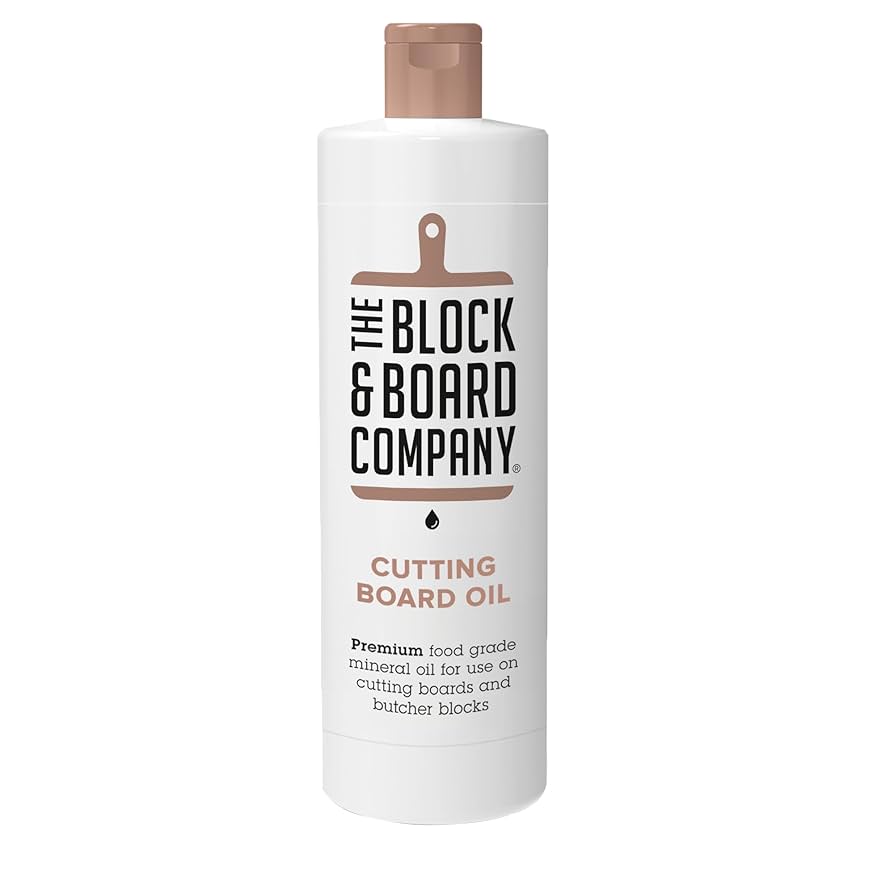
Mineral oil is the most common choice for cutting boards. It soaks into wood and seals out water.
This oil does not go bad or smell. It keeps your board looking fresh and stops cracks or warping.
- Non-toxic and tasteless
- Easy to apply and dries fast
- Prevents wood from absorbing moisture
Natural Oils To Avoid
Some natural oils can spoil or turn sticky on cutting boards. These cause bad smells and damage the wood.
Oils like olive oil and vegetable oil are not good for boards. They can go rancid and attract bacteria.
- Olive oil
- Vegetable oil
- Canola oil
- Flaxseed oil (unless specially treated)

Credit: www.amazon.com
How To Oil A Cutting Board
Oiling a cutting board keeps the wood safe and strong. It stops cracks and prevents food from sticking.
Using the right oil and technique helps your board last longer and look better.
Preparing The Board
Clean the cutting board well before oiling. Use warm water and mild soap, then dry it.
Make sure the board is completely dry. Any moisture can stop the oil from soaking in.
Applying The Oil
Use food-safe mineral oil or a special cutting board oil. Avoid cooking oils that can go bad.
Pour a small amount of oil on the board. Spread it evenly with a clean cloth or paper towel.
- Apply oil in the direction of the wood grain
- Cover all surfaces, including edges and sides
- Use enough oil to make the wood look wet
Drying And Buffing
Let the oil soak in for at least a few hours or overnight. This lets the wood absorb the oil fully.
After drying, buff the board with a clean, dry cloth. This removes extra oil and makes the surface smooth.
Frequency Of Oiling
Oiling a cutting board helps keep it strong and clean. It stops the wood from drying out and cracking.
The frequency of oiling depends on how often you use the board. Different boards need different care.
Daily Use Boards
Boards used every day need oiling more often. This keeps them from drying and splitting.
Oiling daily use boards once a week is a good rule. This gives the wood time to soak up the oil.
- Apply oil after cleaning and drying the board
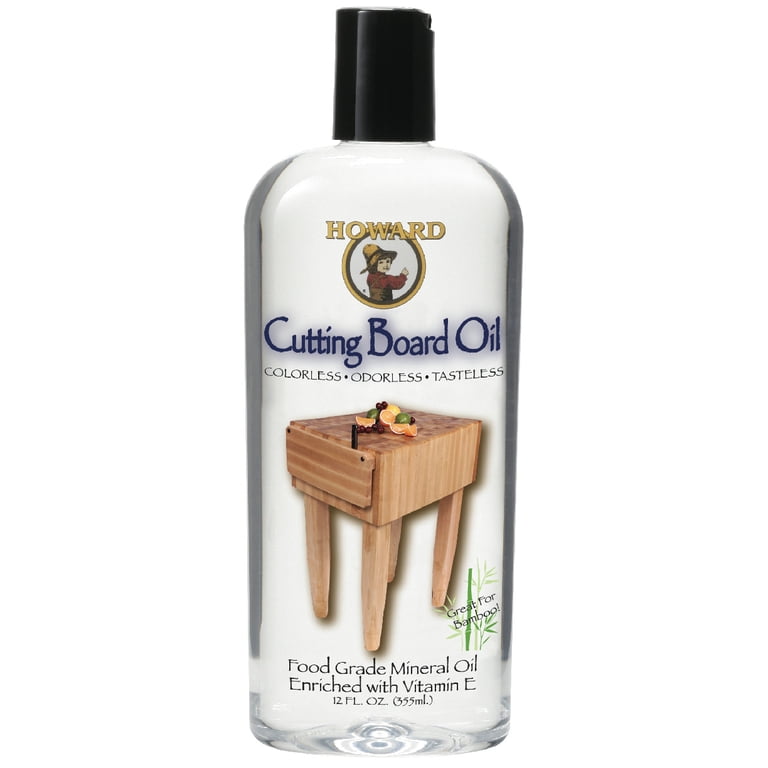
- Use food-safe mineral oil or cutting board oil
- Rub the oil evenly over the surface
Occasional Use Boards
Boards used less often need oil less frequently. Oiling once every one to two months works well.
This keeps the wood healthy without wasting oil. Always oil after deep cleaning or washing.
- Check the board surface before oiling
- Oil if the wood looks dry or dull
- Store the board in a dry place
Signs Your Board Needs Oil
Watch for cracks or rough spots on your board. These signs mean it needs oil to stay safe.
Dry, faded wood or water soaking in quickly shows the board is thirsty for oil.
- Wood looks dry or light in color
- Water beads disappear fast on the surface
- Cracks or small splits appear
- Board feels rough or sticky
Credit: www.walmart.com
Other Maintenance Tips
Taking care of your cutting board extends its life and keeps it safe to use. Proper maintenance is key to avoid damage and stains. Regular cleaning and proper handling protect your board from common problems.
Below are some useful tips on cleaning, removing stains, and preventing warping or cracking.
Cleaning After Use
Clean your cutting board right after each use to stop bacteria growth. Use warm water and mild soap. Avoid soaking the board in water for a long time.
- Wash with a soft sponge or cloth.
- Rinse thoroughly to remove soap.
- Dry the board immediately with a clean towel.
- Let it air dry standing up to drain well.
Removing Stains And Odors
Stains and odors can build up from foods like garlic or beets. Use natural cleaners to keep your board fresh and clean.
| Cleaning Agent | Use |
|---|---|
| Lemon Juice | Rub on stains and odors, then rinse. |
| Baking Soda | Sprinkle and scrub with a damp cloth. |
| White Vinegar | Wipe surface to kill bacteria and remove smells. |
Avoiding Warping And Cracking
Wood boards can warp or crack if not cared for properly. Keep your board in good shape by following these tips.
- Do not soak the board in water.
- Keep it away from direct sunlight and heat sources.
- Apply food-safe oil regularly to keep wood moist.
- Store the board standing up to allow air circulation.
Alternative Treatments
Choosing the right oil for your cutting board keeps it safe and long-lasting. Many people use natural products that protect the wood. These treatments help prevent cracks and stains.
Below are some common alternative treatments. Each has unique benefits for your cutting board care.
Beeswax And Oil Blends
Beeswax and oil blends create a strong barrier on cutting boards. Beeswax seals the surface while oil nourishes the wood. This combo helps keep moisture out and wood smooth.
- Beeswax adds a natural, water-resistant layer
- Oils like mineral oil or walnut oil soften the wood
- The blend can be warmed and rubbed into the board
- This treatment may need reapplying every few months
Commercial Cutting Board Conditioners
Many stores sell cutting board conditioners. These products often mix oils and waxes for easy use. They save time and offer reliable protection.
| Product Type | Main Ingredients | Benefits |
|---|---|---|
| Mineral Oil | Food-grade mineral oil | Absorbs quickly, protects wood |
| Beeswax Mix | Beeswax and oils | Water-resistant, smooth finish |
| Carnauba Wax | Carnauba wax and oils | Hard, durable coating |
Diy Natural Solutions
You can make your own cutting board oil at home. Using natural oils is safe and cost-effective. Mix oils that are edible and slow to go rancid.
- Mineral oil is popular and easy to find
- Coconut oil adds a light scent and shine
- Walnut oil hardens wood but watch for allergies
- Olive oil is not recommended as it can spoil
- Mix oil with melted beeswax for added protection

Credit: www.rockler.com
Frequently Asked Questions
What Is The Best Oil For Cutting Boards?
Mineral oil is the best choice for cutting boards. It is food-safe and prevents the wood from drying. It penetrates deeply and keeps the board looking new. Always choose a food-grade mineral oil to ensure safety and effectiveness.
Can You Use Olive Oil On Cutting Boards?
Olive oil is not recommended for cutting boards. It can turn rancid and leave a sticky residue. This can attract bacteria and affect the board’s hygiene. Stick to mineral oil or specialized cutting board oils for best results.
How Often Should You Oil A Cutting Board?
Oil your cutting board every 3-4 weeks. Frequency depends on usage and climate. If your board looks dry or feels rough, it’s time to oil. Regular oiling maintains the board’s condition and extends its lifespan.
Why Is My Cutting Board Splitting?
Your cutting board might be splitting due to lack of oiling. Wood dries out over time and can crack. Regular oiling helps maintain moisture levels and prevents splitting. Ensure your board is not exposed to excess heat or water.
Conclusion
Choosing the right oil keeps your cutting board safe and strong. Mineral oil is a top choice because it does not go bad. It soaks into the wood and stops it from drying out. Avoid cooking oils, as they can turn rancid and smell bad.
Regular oiling helps your board last longer and stay clean. Take care of your cutting board, and it will serve you well for years. Simple steps make a big difference in maintaining your kitchen tools.