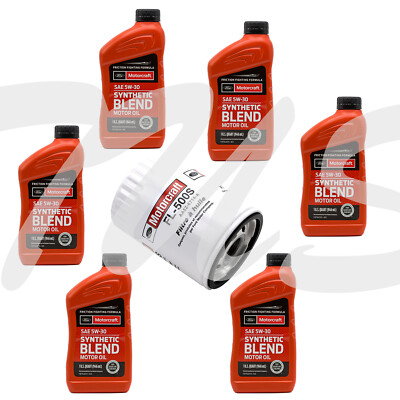
If you own a Ford F150, you know how important it is to keep your truck running smoothly. One key part of that is using the right oil.
But with so many options out there, it’s easy to get confused. What oil does a Ford F150 take? Choosing the wrong type can hurt your engine and cost you more in repairs. You’ll discover exactly which oil suits your F150 best, why it matters, and how to make the right choice every time.
Keep reading to protect your truck and get the most out of every drive.

Credit: www.f150forum.com
Recommended Oil Types
Choosing the right oil for your Ford F150 is important for engine health. Using the recommended oil helps your truck run smoothly. It protects engine parts from wear and tear. Also, it improves fuel efficiency and reduces emissions. Below are key points about the types of oil you should consider.
Synthetic Vs Conventional
Synthetic oil offers better engine protection than conventional oil. It flows smoothly at low temperatures and resists breakdown at high heat. This makes synthetic oil ideal for tough driving conditions. Conventional oil is less expensive but needs more frequent changes. For newer Ford F150 models, synthetic oil is often preferred. It helps extend engine life and maintain performance.
Viscosity Grades
Viscosity refers to the oil’s thickness and flow ability. Ford usually recommends oils with grades like 5W-20 or 5W-30 for the F150. The “W” stands for winter, showing oil performance at cold temperatures. Lower numbers before “W” mean better cold starts. Choosing the right viscosity ensures proper lubrication. It protects the engine in both cold and hot weather.
Oil Specifications
Ford sets specific standards for oil quality. Look for oils meeting Ford WSS-M2C945-A or WSS-M2C925-A specifications. These specs ensure the oil supports your engine’s needs. Oils with API SN or SP ratings are also suitable. Using oils that meet these standards keeps your warranty valid. It also guarantees your engine runs efficiently and lasts longer.
Engine Oil Capacity
Engine oil capacity is a key factor for keeping a Ford F150 running smoothly. It tells how much oil the engine needs for proper lubrication. Using the right amount prevents engine damage and improves performance.
Different engines require different oil amounts. Knowing the exact capacity helps avoid overfilling or underfilling. Both conditions can cause serious engine problems over time.
Different Engine Models
Ford F150 comes with several engine options. Each has a unique oil capacity. Here are some common models and their oil needs:
| Engine Model | Oil Capacity (with filter) |
|---|---|
| 3.3L V6 | 6 quarts |
| 2.7L EcoBoost V6 | 6 quarts |
| 5.0L V8 | 7 quarts |
| 3.5L EcoBoost V6 | 6 quarts |
Always check the owner’s manual for your exact model and year. Oil capacity can vary slightly.
Checking Oil Levels
Regular oil level checks keep the engine safe. Follow these simple steps:
- Park your truck on level ground and turn off the engine.
- Wait a few minutes for oil to settle.
- Pull out the dipstick and wipe it clean.
- Insert the dipstick fully, then remove it again.
- Look at the oil level on the dipstick. It should be between the low and full marks.
Adding oil is easy but avoid overfilling. Check levels often, especially before long trips.
Oil Change Intervals
Oil change intervals are key to keeping your Ford F150 engine healthy. Regular oil changes help prevent engine wear and maintain performance. Knowing the right timing protects the engine and saves money on repairs.
Manufacturer Guidelines
Ford provides specific oil change intervals for each F150 model. These intervals depend on the engine type and year. Typically, Ford recommends changing oil every 7,500 to 10,000 miles. Newer models with synthetic oil may allow longer intervals. Always check your owner’s manual for exact details. Following these guidelines ensures your warranty stays valid.
Driving Conditions Impact
Driving habits affect how often you should change oil. Harsh conditions require more frequent changes. These conditions include:
- Frequent towing or hauling heavy loads
- Driving in extreme heat or cold
- Stop-and-go traffic or short trips
- Dusty or off-road environments
Under such conditions, change oil every 3,000 to 5,000 miles. Adjusting oil change intervals protects your engine from damage. Always consider your driving style and environment.
Choosing Quality Oil Brands
Choosing quality oil brands is key to keeping your Ford F150 running smoothly. Good oil protects the engine, reduces wear, and helps with fuel efficiency. Not all oils are the same. Using a trusted brand ensures the oil meets high standards and suits your truck’s needs. This choice can save money and prevent engine problems over time.
Top Brands For F150
- Mobil 1: Offers excellent synthetic oils with strong engine protection.
- Castrol: Known for advanced formulas that improve performance and cleanliness.
- Valvoline: Provides durable oils that help with engine longevity and smooth running.
- Royal Purple: Popular for high-performance synthetic oils with good stability.
- Pennzoil: Uses natural gas base oils for cleaner engines and better efficiency.
Price Vs Performance
Higher-priced oils often contain better additives and synthetic blends. These oils protect engines under tough conditions. Cheaper oils may work but might need changes more often. Spending a bit more on quality oil reduces engine wear and extends oil change intervals. This balance helps save money in the long run.
Signs Of Oil Problems
Knowing the signs of oil problems in your Ford F150 helps protect the engine. Oil keeps the engine parts moving smoothly. Low or dirty oil can cause damage fast. Watch for early signs to avoid costly repairs.
Engine Noise And Performance
Unusual engine noise often means oil issues. A knocking or ticking sound can show oil is not reaching parts. The engine may run rough or lose power. Poor oil flow causes friction and heat. This lowers performance and can lead to engine damage.
Oil Leaks And Smell
Oil leaks are clear signs of trouble. Check under the truck for dark spots on the ground. Oil leaks reduce the amount of oil in the engine. A strong burning oil smell inside or outside the truck is also a warning. It can mean oil is leaking onto hot engine parts.

Credit: lemonlawhelp.com
Diy Oil Change Tips
Changing the oil in your Ford F150 on your own saves money and gives control over maintenance. It ensures your truck runs smoothly and lasts longer. Follow these simple tips to do the job safely and correctly.
Tools Needed
- Socket wrench set
- Oil filter wrench
- Drain pan
- New oil filter
- Correct grade of motor oil (check owner’s manual)
- Funnel
- Rags or paper towels
- Gloves
- Car jack and stands (if needed for clearance)
Step-by-step Process
- Warm up the engine for a few minutes to thin the oil.
- Park on a flat surface and turn off the engine.
- Lift the truck using a jack and secure it with stands if required.
- Place the drain pan under the oil drain plug.
- Use the socket wrench to remove the drain plug carefully.
- Let all the old oil drain out completely.
- Remove the old oil filter using the oil filter wrench.
- Lubricate the new filter’s rubber seal with new oil.
- Install the new oil filter by hand, tightening it snugly.
- Replace and tighten the drain plug securely.
- Open the hood and remove the oil fill cap.
- Pour in the new oil using a funnel, following the correct amount.
- Replace the oil fill cap and start the engine.
- Check for leaks and monitor oil pressure gauge.
- Turn off the engine and check the oil level with the dipstick.
- Add oil if needed to reach the proper level.
Disposing Old Oil
Used oil is harmful to the environment. Store it in a sealed container immediately after draining.
Take the used oil and old filter to a recycling center or auto parts store.
Never pour old oil on the ground, in drains, or trash bins.
Proper disposal protects nature and follows local laws.
Benefits Of Proper Oil Use
Using the right oil in your Ford F150 isn’t just about following the manual—it has real benefits that affect your truck’s performance and your wallet. Proper oil use keeps your engine running smoothly and helps avoid costly repairs down the road. Let’s break down how it can make a difference in key areas.
Engine Longevity
Your engine faces constant friction and heat. Quality oil reduces this wear and tear by creating a protective layer on engine parts. This means fewer breakdowns and a longer lifespan for your F150’s engine.
I once saw a truck owner neglect oil changes and end up with a blown engine at just 80,000 miles. Don’t let that be you. Regularly using the right oil keeps your engine parts moving smoothly and prevents damage.
Fuel Efficiency
Thick or dirty oil makes your engine work harder, which uses more fuel. Fresh, proper oil reduces friction, helping your engine run more efficiently. That adds up to noticeable savings at the pump over time.
Have you tracked your fuel mileage before and after an oil change? Many drivers notice a clear improvement, sometimes up to a few miles per gallon better. That’s your wallet thanking you.
Reduced Emissions
Clean oil helps your engine burn fuel cleaner, which lowers harmful emissions. This not only benefits the environment but can help your truck pass emissions tests more easily.
Using the correct oil grade helps maintain optimal engine function, reducing smoke and pollutants. Imagine driving knowing you’re doing a bit more to protect the air around you.

Credit: www.youtube.com
Frequently Asked Questions
What Type Of Oil Is Best For A Ford F150?
The best oil for a Ford F150 is typically 5W-20 or 5W-30. These oils provide optimal performance and protection. Always refer to your owner’s manual for the recommended oil type. Using the correct oil ensures engine efficiency and longevity.
How Often Should I Change My Ford F150’s Oil?
Change your Ford F150’s oil every 7,500 to 10,000 miles. This interval depends on driving conditions and oil type. Regular oil changes ensure optimal engine performance and longevity. Always check your owner’s manual for specific recommendations tailored to your vehicle model.
Can I Use Synthetic Oil In My Ford F150?
Yes, you can use synthetic oil in your Ford F150. Synthetic oil offers better protection and performance. It is especially beneficial in extreme temperatures. Always check your owner’s manual to ensure compatibility and follow the recommended oil specifications for your model.
What Happens If I Use The Wrong Oil?
Using the wrong oil can lead to engine inefficiency and increased wear. It may cause poor lubrication and overheating. Always use the recommended oil type for your Ford F150. Check your owner’s manual or consult a professional mechanic for guidance.
Conclusion
Choosing the right oil keeps your Ford F150 running smoothly. Check your owner’s manual for the best oil type. Using the correct oil helps protect your engine and saves money on repairs. Change oil regularly to keep your truck healthy.
Clean oil means better performance and longer engine life. Take care of your Ford F150 with the right oil choice. Simple steps make a big difference in truck care. Keep your engine happy, and your truck will thank you.