
If you own a Subaru Forester, you know how important it is to keep your engine running smoothly. But have you ever wondered what oil is best for your Forester?
Using the right oil can make a big difference in your car’s performance and lifespan. You’ll discover exactly what oil your Subaru Forester needs and why choosing the right type matters. Keep reading, and you’ll learn how to protect your engine and save money on repairs down the road.
Engine Oil Types For Subaru Forester
Choosing the right engine oil for your Subaru Forester is more than just a routine maintenance task. It directly impacts your vehicle’s performance, fuel efficiency, and engine longevity. Understanding the types of engine oils suitable for your Forester helps you make smarter decisions at every oil change.
Synthetic Vs Conventional Oils
Synthetic oils are engineered for higher performance and better protection under extreme conditions. They offer superior resistance to breakdown, which means your engine stays cleaner and runs smoother for longer.
Conventional oils, on the other hand, are derived from crude oil and work well for everyday driving. However, they may require more frequent changes and don’t handle heat and stress as effectively as synthetics.
Have you noticed how your Forester feels during cold starts? Synthetic oils often provide quicker lubrication in chilly weather, reducing engine wear right from the first turn of the key.
Recommended Viscosity Grades
Viscosity refers to how thick or thin the oil is, affecting how well it flows at different temperatures. Subaru generally recommends 0W-20 viscosity for most Forester models, balancing fuel economy and engine protection.
Using the right viscosity helps your engine parts move smoothly and reduces friction. If you live in an extremely hot or cold climate, check if your owner’s manual suggests any alternative grades.
Think about your driving habits—do you often tow heavy loads or drive in stop-and-go traffic? In those cases, slightly different viscosity might better suit your needs.
Oil Specifications To Look For
Look for oils that meet or exceed API SN or SP standards, which ensure the oil contains the latest additive technology. Subaru also recommends oils that meet ILSAC GF-6 standards for improved engine cleanliness and fuel efficiency.
Choosing oils with these certifications means you’re using a product tested for your engine’s specific requirements. Avoid generic oils without these labels—they might save money upfront but can cost more in engine repairs.
Next time you buy oil, check the label carefully. Is it really designed to protect your Forester’s engine like Subaru intends?
Oil Capacity By Engine Model
Understanding the oil capacity of your Subaru Forester is crucial. It ensures optimal performance and longevity. Different engine models have varying oil requirements. Knowing these helps maintain your vehicle properly. Let’s explore the oil capacity for each Subaru Forester engine model.
2.5l Engine Capacity
The Subaru Forester with a 2.5L engine needs 4.4 quarts of oil. This includes the oil filter. Regular oil checks are essential for this engine model. Fresh oil keeps the engine parts lubricated and running smoothly. Always use the recommended oil type for best results.
2.0l Turbo Engine Capacity
The 2.0L Turbo engine requires more oil. It takes about 5.1 quarts, including the oil filter. Turbo engines run hotter and need more lubrication. Check the oil level frequently. Use high-quality oil to support the turbo’s demands. This ensures efficient performance and protects the engine.
Hybrid Model Oil Requirements
Subaru’s hybrid models have unique oil needs. They typically use 4.5 quarts of oil with the filter. The hybrid engine combines gas and electric power. Using the right oil maintains this balance. It helps in fuel efficiency and reduces emissions. Always refer to the manual for specific oil type recommendations.
When To Change Oil In A Subaru Forester
Knowing when to change the oil in your Subaru Forester keeps the engine healthy. Regular oil changes prevent damage and maintain performance. The timing depends on mileage, time, and driving habits. Understanding these factors helps you protect your vehicle.
Mileage-based Intervals
Subaru recommends changing oil every 6,000 miles for most Forester models. Some newer models with synthetic oil can go up to 7,500 miles. Check your owner’s manual for the exact mileage interval. Sticking to this schedule keeps the engine lubricated and clean.
Time-based Intervals
Even without hitting mileage limits, change the oil every 6 to 12 months. Oil breaks down over time, losing its effectiveness. Regular oil changes avoid sludge buildup and engine wear. Time-based changes keep your Forester running smoothly year-round.
Driving Conditions Impact
Harsh driving conditions can shorten oil life. Frequent short trips, stop-and-go traffic, and extreme temperatures stress the engine. In these cases, change oil more often than the standard intervals. Adjust oil change frequency based on how and where you drive.
Best Oil Brands For Subaru Forester
Choosing the right oil brand for your Subaru Forester matters more than you might think. The right oil not only protects your engine but can also improve fuel efficiency and extend your vehicle’s life. With so many options available, knowing which brands meet Subaru’s standards can save you time and money.
Top Synthetic Oil Brands
Synthetic oils often provide superior engine protection, especially for modern Subaru Forester models. Brands like Mobil 1, Castrol, and Royal Purpleconsistently earn high marks for performance and reliability.
Mobil 1 is popular among Subaru owners for its excellent cold-start performance and long-lasting protection. Castrol’s synthetic oils offer strong wear resistance and keep engines running smoothly under tough conditions. Royal Purple stands out for enhancing horsepower and fuel economy, making it a favorite for those who want a little extra from their oil.
Affordable Quality Options
If you’re on a budget but don’t want to compromise on quality, brands like Valvolineand Pennzoilare solid choices. These oils meet the necessary API and Subaru specifications without breaking the bank.
Valvoline’s synthetic blends provide good protection and durability, suitable for everyday driving. Pennzoil’s products use natural gas base oils, which helps remove engine sludge better than conventional oils. Both brands give you peace of mind without the premium price tag.
Where To Buy Genuine Oil
Buying genuine oil ensures you get the proper formula Subaru recommends. You can find authentic oil at authorized Subaru dealerships, which often stock oils specifically designed for your Forester’s engine.
Online retailers like Amazonand AutoZonealso carry trusted brands, but always check for seller credibility to avoid counterfeit products. Local auto parts stores offer convenience and immediate availability, making it easier to stick to your maintenance schedule.
How To Check And Top Up Oil
Knowing how to check and top up the oil in your Subaru Forester is essential for keeping the engine running smoothly. Regularly monitoring oil levels helps you avoid costly repairs and ensures your vehicle performs at its best. Let’s break down the process into simple steps you can easily follow.
Using The Dipstick Correctly
Locate the dipstick under the hood—usually marked with a bright handle. Pull it out, wipe it clean with a cloth, then reinsert it fully before pulling it out again to check the oil level. Look closely at the oil mark; it should be between the minimum and maximum indicators.
Checking your oil when the engine is cold or has been off for a few minutes gives you the most accurate reading. Have you noticed how often people skip this step? It only takes a minute but can save you from engine damage.
Adding Oil Safely
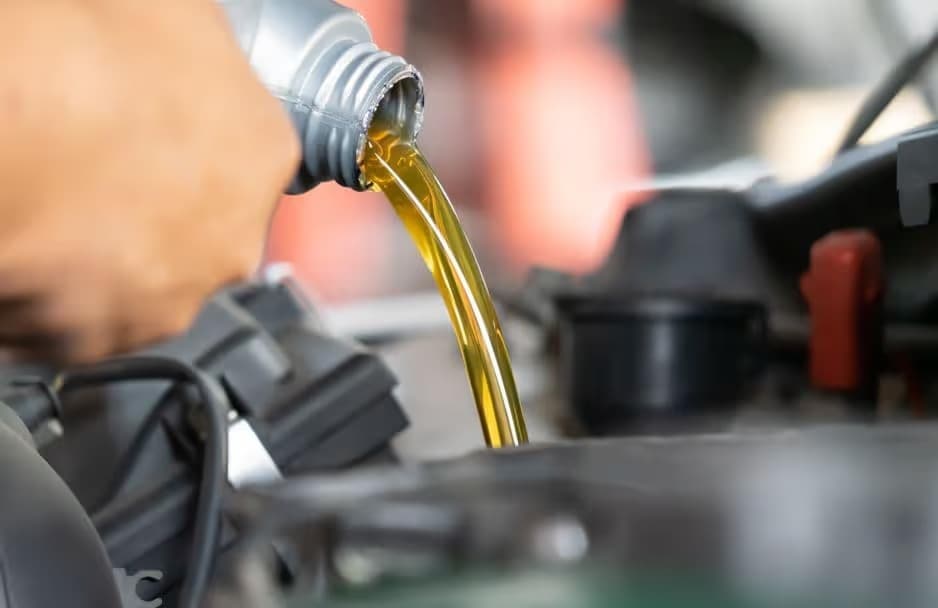
Find the oil filler cap, typically labeled with “Oil” or an oil can symbol. Remove it carefully and add oil in small amounts to avoid overfilling. Use a funnel to prevent spills and wipe away any drips immediately.
Choose the correct oil grade recommended for your Forester, such as 0W-20 synthetic oil, to protect your engine. After adding oil, wait a couple of minutes, then recheck the level with the dipstick to ensure it’s within the safe range.
Signs Of Low Oil Levels
Keep an eye out for warning lights on your dashboard, especially the oil pressure light. A ticking or knocking noise from the engine can also indicate low oil. If your Forester feels sluggish or overheats, low oil might be the culprit.
Ignoring these signs can lead to serious engine problems. Have you ever experienced unexpected car troubles that could have been avoided by checking the oil? Being proactive with your oil check can save you time and money down the road.

Credit: www.amazon.com
Common Oil-related Issues
Common oil-related issues can affect your Subaru Forester’s performance and engine health. Understanding these problems helps you spot trouble early. Proper oil care ensures your engine runs smoothly and lasts longer. Watch for signs that indicate oil problems. Addressing them quickly can save costly repairs.
Oil Leaks And Causes
Oil leaks happen when seals or gaskets wear out. Common leak points include the valve cover gasket and oil pan. Damaged oil filter or loose drain plugs also cause leaks. Leaks reduce oil levels, harming engine parts. Check under your car for spots or puddles of oil. Fix leaks promptly to avoid engine damage.
Engine Noise From Low Oil
Low oil makes the engine parts rub without enough lubrication. This causes loud knocking or ticking sounds. The noise often comes from the valve train or pistons. Running low on oil increases engine wear and overheating risk. Regularly check oil levels and top up as needed. Quiet engine means well-lubricated moving parts.
Burning Oil Symptoms
Burning oil produces blue smoke from the exhaust pipe. It may also cause a strong burning smell inside the car. Oil consumption rises, needing more frequent top-ups. Burning oil can result from worn piston rings or valve seals. Ignoring it leads to poor engine performance and pollution. Monitor oil level and smoke color for early signs.
Oil Change Tips For 2025 Forester Owners
Changing the oil in your 2025 Subaru Forester is key to keeping the engine healthy. Regular oil changes help the engine run smoothly and last longer. Knowing the right steps makes the process easier and safer. Follow these simple tips to care for your Forester’s engine.
Diy Oil Change Steps
- Warm up the engine for a few minutes to thin the oil.
- Park on a flat surface and use wheel chocks for safety.
- Gather tools: wrench, oil pan, funnel, and new oil.
- Remove the drain plug and let old oil drain completely.
- Replace the drain plug securely after draining.
- Remove the old oil filter with an oil filter wrench.
- Lubricate the new filter’s rubber seal with fresh oil.
- Install the new oil filter by hand until snug.
- Pour the correct amount and type of oil into the engine.
- Check oil level with the dipstick and add if needed.
- Start the engine and check for leaks around the drain plug and filter.
Choosing The Right Filter
Use a Subaru-approved oil filter for the 2025 Forester. The right filter traps dirt and protects the engine. Check the owner’s manual for part numbers and specifications. Avoid cheap filters that may cause damage or leaks. A high-quality filter ensures longer engine life and better performance.
Disposing Of Used Oil Properly
Used oil is harmful to the environment. Collect the old oil in a sealed container immediately. Take it to a local recycling center or auto shop that accepts used oil. Never pour oil down drains, on the ground, or in trash bins. Proper disposal keeps the environment safe and follows the law.
Credit: www.subaruoflasvegas.com

Credit: www.brandontomessubaru.com
Frequently Asked Questions
What Type Of Oil Is Best For A Subaru Forester?
Subaru Foresters typically use synthetic 0W-20 oil. This oil ensures optimal engine performance and fuel efficiency. Always check your owner’s manual for specific recommendations.
How Often Should I Change Oil In My Forester?
Change your Subaru Forester’s oil every 6,000 to 7,500 miles. Regular oil changes keep the engine running smoothly and prevent wear. Follow manufacturer guidelines for best results.
Can I Use Conventional Oil In A Subaru Forester?
While conventional oil can be used, synthetic oil is recommended. Synthetic oil provides better protection and improves engine longevity in Subaru Foresters.
What Happens If I Use Wrong Oil In Forester?
Using incorrect oil can cause poor engine performance and increased wear. It may also void your warranty and reduce fuel efficiency. Always use the recommended oil type.
Conclusion
Choosing the right oil keeps your Subaru Forester running smooth. Use the recommended oil type for best engine care. Regular oil changes help avoid costly repairs later. Good oil protects engine parts from wear and tear. Remember, clean oil means better fuel efficiency and power.
Check your owner’s manual for exact oil specs. Stay consistent with oil changes to extend your car’s life. Taking small steps now saves big problems down the road. Keep your Forester healthy and enjoy every drive.