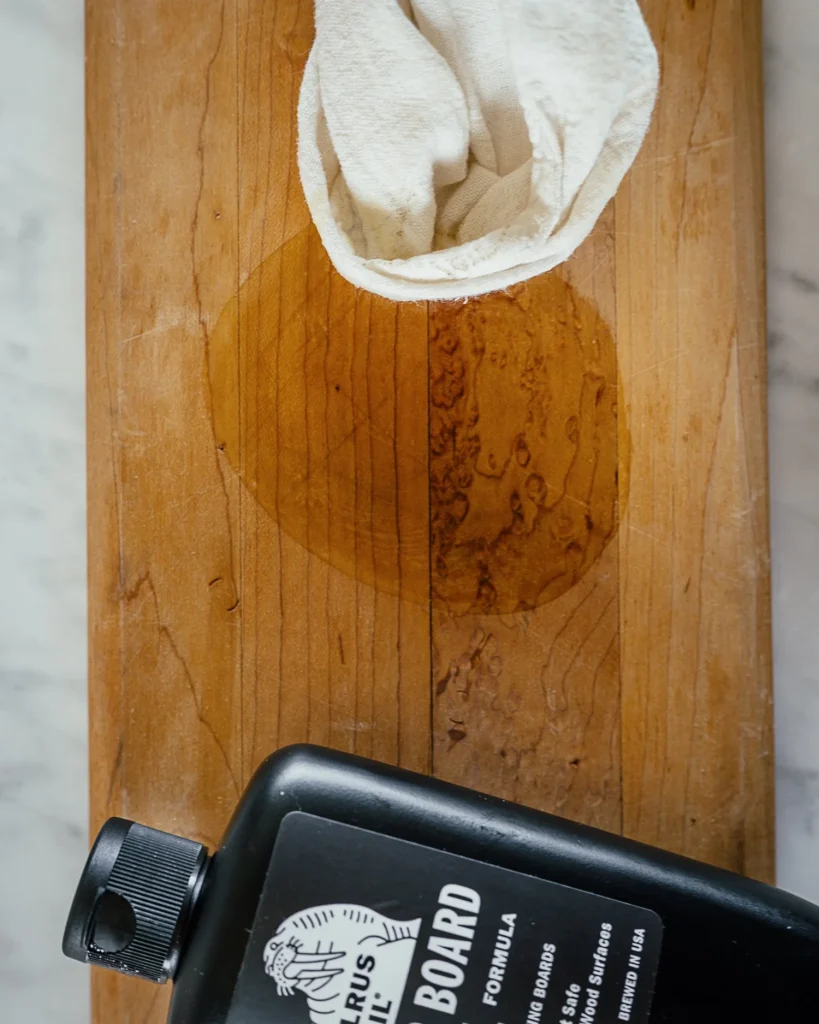
Your wood cutting board is more than just a kitchen tool—it’s where meals start and memories are made. But have you ever wondered what oil is best to keep it looking fresh and lasting longer?
Choosing the right oil can protect your board from cracks, stains, and bacteria, making your cooking safer and more enjoyable. You’ll discover exactly which oils work best and why, so you can give your cutting board the care it truly deserves.
Keep reading, and your board will thank you every time you chop.
Types Of Oils For Wood Boards
Choosing the right oil for your wood cutting board helps keep it in good shape. Oils protect the wood from water and stains. They also prevent cracking and warping.
Different oils work well for wood boards. Some are safe and easy to use. Others offer extra protection or shine. Let’s explore the types of oils you can use.
Mineral Oil
Mineral oil is a popular choice for wood cutting boards. It is a clear, odorless oil that does not go rancid. This makes it safe for food contact. Mineral oil soaks into the wood and seals it against moisture.
It is easy to apply and affordable. You should reapply mineral oil regularly to keep your board protected.
Vegetable Oils
Vegetable oils come from plants and nuts. Common types include olive oil, coconut oil, and walnut oil. These oils can add a natural look and smell to your wood board.
- Olive oil is widely available but can turn sticky over time.
- Coconut oil resists water but may leave a scent.
- Walnut oil dries to a hard finish and is good for wood.
Be careful using vegetable oils that can go rancid. Some may cause bad smells or sticky surfaces after a while.
Specialty Wood Oils
Specialty wood oils are made specifically for treating wood. They often combine oils and waxes for better protection. These oils dry well and create a durable surface.
| Oil Type | Features | Benefits |
| Tung Oil | Natural drying oil | Waterproof finish, hard surface |
| Teak Oil | Blend of oils and varnishes | Enhances grain, protects wood |
| Bee’s Wax Oil | Mixed with oils | Soft sheen, water resistance |
These oils often cost more but last longer. They keep wood cutting boards looking good and safe for food use.

Credit: www.amazon.com
Benefits Of Using Oil On Cutting Boards
Oiling wooden cutting boards is an easy way to keep them in good shape. It helps protect the wood from damage and keeps it looking nice.
Using the right oil can make your cutting board last longer and stay safe for food use.
Enhances Durability
Oiling wood makes it stronger. The oil soaks into the wood and protects it from water and stains.
This protection helps the board resist damage from knives and daily use.
Prevents Cracking
Wood can dry out and crack over time. Oil keeps the wood moist and flexible.
Regular oiling stops the wood from shrinking and breaking apart.
Improves Appearance
Oiling gives wood a smooth and shiny look. It brings out the natural grain and color.
Well-oiled boards look newer and cleaner for a longer time.
How To Choose The Right Oil
Oiling your wood cutting board keeps it safe and strong. The right oil protects the wood from water and cracks.
Choosing the right oil helps your board last longer and stay clean. Not all oils work well for wood boards.
Food-safe Considerations
Only use oils safe for food contact. Some oils can be harmful or cause allergies.
Look for oils labeled as food-safe or edible. Avoid oils that can go rancid or have chemicals.
- Mineral oil is common and safe for cutting boards.
- Beeswax blends add extra protection and are food-safe.
- Vegetable oils can spoil and are not ideal.
Absorption Rate
Choose oils that soak well into the wood. Good absorption stops water from damaging the board.
Oils that sit on top can leave sticky residue. Test small amounts to see how the wood reacts.
- Mineral oil absorbs quickly and deeply.
- Walnut oil absorbs but can cause allergies.
- Coconut oil absorbs slower and may leave residue.
Scent And Residue
Some oils have strong smells that can affect food taste. Pick oils with neutral or mild scents.
Residue left on the board can attract dirt or feel sticky. Use oils that dry cleanly.
- Mineral oil has no scent and leaves no residue.
- Beeswax adds a slight natural smell but cleans well.
- Flaxseed oil can leave a sticky feel if overused.

Credit: greenerchef.com
Application Tips
Oiling your wood cutting board protects it from cracks and stains. Using the right oil and applying it well keeps the board strong and safe.
Follow clear steps for the best results. Proper care helps your cutting board last longer and stay beautiful.
Preparing The Board
Clean the cutting board with warm water and mild soap. Dry it completely before oiling. The board must be free of dirt and moisture.
If the surface is rough, sand it lightly with fine-grit sandpaper. Wipe off dust with a dry cloth to prepare for oil.
Applying Oil Correctly
Use food-safe oils like mineral oil or beeswax-based oil. Avoid vegetable oils that can go rancid. Apply oil with a clean cloth or paper towel.
- Pour a small amount of oil on the board
- Rub oil evenly in the wood grain direction
- Cover all surfaces, including edges and bottom
- Let the oil soak for at least 20 minutes
- Wipe off any excess oil with a clean cloth
Frequency Of Oiling
Oil your cutting board regularly to keep it healthy. How often depends on use and condition. If the wood looks dry, it needs oiling.
- Oil weekly if you use the board daily
- Oil monthly for occasional use
- Oil after deep cleaning or sanding
Oils To Avoid
Choosing the right oil for your wood cutting board is important. Some oils can damage the wood or become unsafe over time.
This guide explains which oils to avoid to keep your cutting board safe and long-lasting.
Drying Oils
Drying oils harden when exposed to air. They can crack or peel on wood surfaces.
These oils are not good for cutting boards because they do not stay flexible.
Oils That Go Rancid
Some oils spoil quickly and develop a bad smell. This can make your cutting board smell unpleasant.
- Vegetable oil
- Canola oil
- Corn oil
- Soybean oil
- Walnut oil (unless refined)
Non-food-safe Oils
Never use oils that are not safe for food contact. These can be toxic or harmful if ingested.
| Oil Type | Reason to Avoid |
| Mineral Oil (non-food grade) | May contain impurities |
| Motor Oil | Highly toxic |
| Paint Oil | Contains chemicals |
| Linseed Oil (raw) | Not food safe |
Maintaining Oiled Cutting Boards
Oiling your wood cutting board keeps it strong and safe to use. Regular care stops cracks and warping.
Proper maintenance helps the board last longer and stay clean. Learn the best ways to care for it.
Cleaning Techniques
Clean your oiled cutting board after every use. Use mild soap and warm water. Avoid soaking it.
Wipe the board dry with a clean cloth right away. Do not put it in the dishwasher. It can damage the wood.
- Use a soft sponge or cloth
- Rinse with warm water
- Dry immediately with a towel
- Avoid harsh chemicals and soaking
Storage Advice
Store your cutting board in a dry place. Keep it away from direct sunlight and heat sources.
Stand the board on its side to let air flow around it. This helps prevent moisture build-up and warping.
- Store upright for good air circulation
- Avoid damp or humid spots
- Keep away from heaters and windows
- Do not stack heavy items on top
Signs It’s Time To Reapply
Look at your board’s surface to see if it needs more oil. Dry or rough patches mean it is time to reapply.
If water does not soak in but beads on the surface, the oil layer is still good. Reapply when water soaks quickly.
- Wood looks dry or feels rough
- Water soaks in fast instead of beading
- Cracks or small splits appear
- Board feels lighter and less smooth
Diy Oil Blends
Oiling a wood cutting board keeps it safe and lasts longer. Making your own oil blend is easy and natural.
DIY oil blends use simple ingredients you can find at home or stores. These oils help protect wood from drying and cracking.
Popular Recipes
Many people mix oils to get the best care for their boards. Some oils soak in well, while others create a nice finish.
- Mix 1 cup of mineral oil with 1 tablespoon of beeswax. Warm the beeswax until it melts, then stir in the oil.
- Combine 1/2 cup of mineral oil with 1/2 cup of coconut oil. This blend smells nice and protects well.
- Use 3/4 cup of mineral oil and 1/4 cup of walnut oil for a natural, food-safe finish.
- Mix 1 cup of mineral oil with a few drops of vitamin E oil. Vitamin E adds extra protection.
Customization Tips
You can change your oil blend to fit your needs. Think about how much shine or protection you want.
Try these tips to make your oil blend better for your wood cutting board.
- Add more beeswax if you want a thicker finish that seals the board well.
- Use liquid oils like mineral or walnut for easy soaking into the wood.
- Choose oils that do not go bad fast, like mineral oil, to keep your blend fresh.
- Test your blend on a small area first to see how the wood reacts.

Credit: www.amazon.com
Frequently Asked Questions
What Is The Best Oil For Wood Cutting Boards?
Mineral oil is the best choice for wood cutting boards. It’s food-safe, odorless, and prevents wood from drying. It penetrates deeply to protect against moisture and bacteria. Regular application keeps the board in top condition.
How Often Should I Oil My Cutting Board?
Oil your cutting board every 3-4 weeks. This frequency maintains the board’s moisture and prevents cracking. If used frequently, consider oiling more often. Regular maintenance ensures the board remains hygienic and durable.
Can I Use Olive Oil On Cutting Boards?
Avoid using olive oil on cutting boards. It can turn rancid over time, creating unpleasant odors. Instead, use food-safe mineral oil or beeswax. These options provide better protection without the risk of spoilage.
Why Is Oiling A Cutting Board Important?
Oiling a cutting board prevents it from drying and cracking. It creates a barrier against moisture and bacteria. Regular oiling extends the board’s lifespan and ensures a safe, hygienic surface for food preparation.
Conclusion
Choosing the right oil keeps your wood cutting board strong and safe. Mineral oil is popular for its safety and easy use. It helps stop wood from drying out and cracking. Regular oiling makes your board last longer and look better.
Avoid oils that can go bad or smell bad. Treat your board gently, and it will serve you well. Simple care means a cleaner, healthier kitchen space. Remember, good oil protects both your board and food.