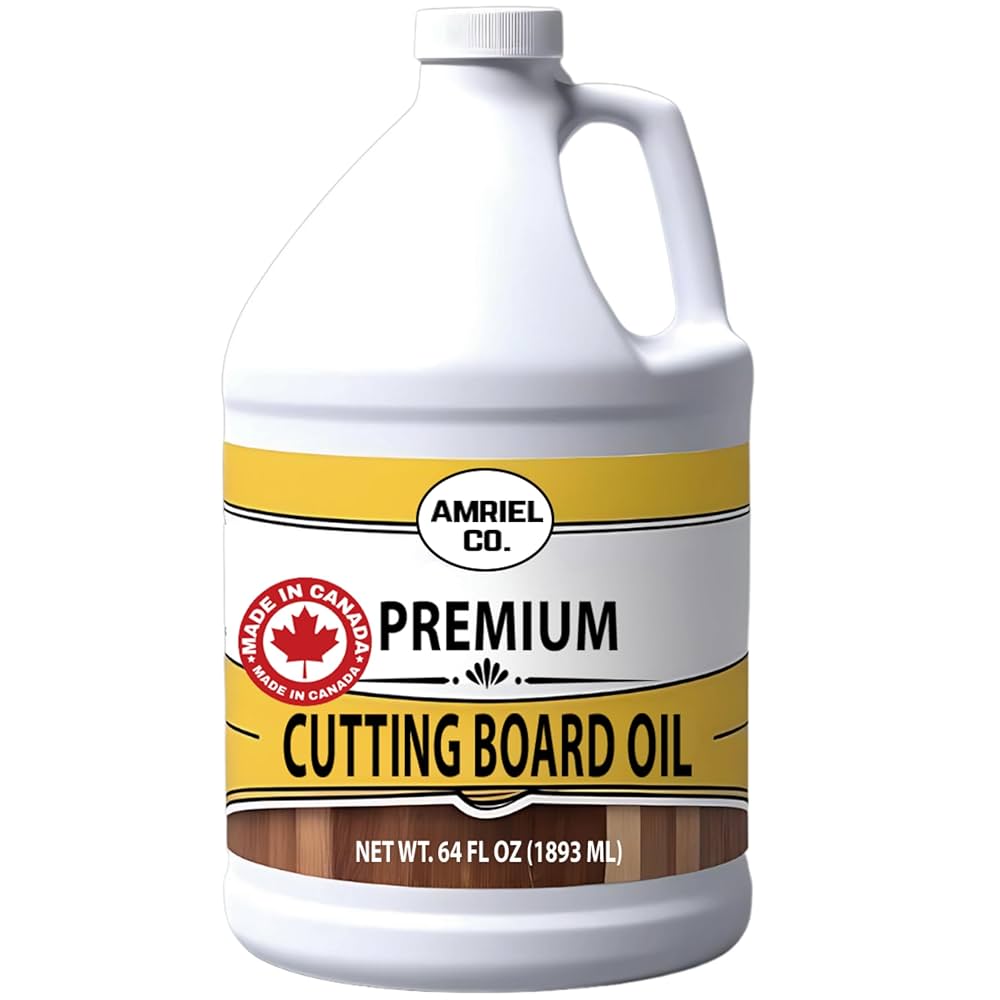
Your wooden cutting board is more than just a kitchen tool—it’s an investment in your cooking experience. But are you using the right oil to keep it looking fresh and lasting longer?
Choosing the wrong oil can lead to cracks, dryness, and even harmful bacteria buildup. You’ll discover exactly what oil works best to protect your wooden cutting board, how to apply it, and why it matters for your health and kitchen hygiene.
Keep reading to unlock the secret to a clean, durable, and beautiful cutting board you’ll love using every day.
Benefits Of Oiling Wooden Cutting Boards
Oiling wooden cutting boards keeps them strong and looking good. It stops the wood from drying out.
Using the right oil helps your board last longer. It also makes cleaning easier and safer.
Protecting Wood From Cracks
Wood can dry and crack without oil. Oiling adds moisture back into the wood.
This keeps the board smooth and strong. Cracks can trap food and germs, so oil helps keep it safe.
Enhancing Natural Grain
Oiling brings out the natural patterns in wood. The grain looks richer and deeper.
This makes your cutting board more beautiful. It also helps the wood stay healthy over time.
Preventing Bacterial Growth
Oiling creates a barrier that stops water from soaking in. Wet wood can grow bacteria.
Keeping the board dry helps prevent germs. This makes your food safer to prepare.
Types Of Oils Suitable For Wooden Boards
Wooden cutting boards need oil to stay strong and clean. Oils help keep the wood from drying out and cracking. Choosing the right oil is important for safety and care.
This guide explains different oils that work well for wooden boards. Each oil has its own benefits and uses.
Mineral Oil
Mineral oil is popular for treating wooden cutting boards. It is clear, odorless, and does not go bad easily. It soaks into the wood to protect it from water and stains. Mineral oil is safe to use because it is food-grade and non-toxic.
Food-grade Tung Oil
Tung oil comes from the tung tree and is natural. It forms a hard, water-resistant finish on wood. Food-grade tung oil is safe for kitchen use. It takes longer to dry but offers strong protection against moisture.
Beeswax Blends
Beeswax mixed with oils creates a thick balm for wooden boards. This blend seals the wood and adds a smooth surface. It helps keep boards from cracking and can be used after oiling.
- Protects wood from water
- Adds shine and smoothness
- Safe and natural
- Easy to apply and buff
Coconut Oil Considerations
Coconut oil is natural and smells nice. It can work on wooden boards but may go rancid over time. This causes bad smells and can attract bacteria. If used, choose refined coconut oil and reapply often.
| Oil Type | Benefits | Drawbacks |
| Mineral Oil | Safe, easy to apply, long-lasting | Needs regular reapplication |
| Food-Grade Tung Oil | Strong water resistance, natural | Slow drying time |
| Beeswax Blends | Seals wood, adds shine | Needs proper mixing with oil |
| Coconut Oil | Natural smell, easy to find | Can become rancid, less durable |
Oils To Avoid On Cutting Boards
Choosing the right oil for wooden cutting boards is important. Some oils can harm the wood or become sticky over time.
This guide explains which oils to avoid to keep your cutting board safe and durable.
Vegetable And Olive Oils
Vegetable and olive oils may seem natural but they are not good for wooden boards. They can turn rancid and smell bad.
- Vegetable oil
- Olive oil
- Canola oil
- Sunflower oil
Non-food Safe Oils
Some oils are not safe for food contact. Using them on cutting boards can cause health risks and damage the wood.
| Oil Type | Reason to Avoid |
| Motor oil | Toxic and unsafe for food |
| Linseed oil (raw) | May contain harmful chemicals |
| Tung oil (non-food grade) | Not safe for food surfaces |
| Mineral oil (non-food grade) | May have contaminants |
Synthetic Oils
Synthetic oils can leave a sticky or plastic-like layer on wood. This reduces the board’s breathability and lifespan.
- Silicone-based oils
- Petroleum jelly
- Machine oils
- WD-40 or similar lubricants

Credit: www.amazon.ca
How To Apply Oil On Wooden Cutting Boards
Oiling wooden cutting boards helps protect them from cracks and stains. It keeps the wood strong and safe for food.
Using the right oil and applying it correctly can extend the life of your board. Follow these steps for best results.
Preparing The Surface
Clean your cutting board well before applying oil. Remove any food bits and stains.
Make sure the board is dry. If the surface feels rough, sand it lightly with fine sandpaper.
- Wash board with warm, soapy water
- Dry completely with a clean towel
- Sand lightly if surface is rough or stained
- Wipe off dust with a dry cloth
Oil Application Techniques
Use a clean cloth or paper towel to apply oil. Pour a small amount on the board’s surface.
Rub the oil into the wood in the direction of the grain. Cover all sides, including edges and bottom.
- Apply a thin, even layer of oil
- Work oil into wood with circular or long strokes
- Don’t forget edges and underside
- Use food-safe oils like mineral oil or beeswax oil
Drying And Reapplication Tips
Let the oil soak in for several hours or overnight. This allows the wood to absorb the oil fully.
Wipe off any extra oil with a clean cloth. Repeat oiling every few weeks or when the wood looks dry.
- Allow oil to soak 6 to 8 hours
- Remove excess oil after soaking
- Reapply oil monthly for best care
- Store board in a dry place between uses
Frequency Of Oiling For Maintenance
Oiling wooden cutting boards keeps them strong and safe to use. It stops the wood from drying out and cracking.
Knowing how often to oil your board helps it last longer and stay clean.
Daily Vs. Monthly Care
Daily care means cleaning your board well after each use. This keeps germs away and prevents stains.
Monthly care includes oiling the board. This keeps the wood from drying and cracking over time.
- Daily: Wash with warm water and mild soap, then dry fully.
- Monthly: Apply food-safe mineral oil or cutting board oil evenly.
- Monthly oiling seals the wood and repels water.
- Daily oiling is not needed and can cause a sticky surface.
Signs Your Board Needs Oiling
Look for dry spots or a dull look on the wood. These signs mean your board needs oil.
Cracks or rough areas also show the board needs care to stay smooth and strong.
- Wood looks dry or faded
- Surface feels rough or scratchy
- Water soaks in quickly instead of beading
- Small cracks or splits appear

Credit: www.amazon.ca
Diy Oil Blends For Cutting Boards
Oiling wooden cutting boards keeps them strong and clean. Using the right oil stops cracks and damage.
Making your own oil blend is easy. It helps protect your board with natural ingredients.
Simple Mineral Oil And Beeswax Mix
Mineral oil is safe and easy to use on wood. It soaks in and keeps the wood from drying out.
Adding beeswax creates a soft, protective layer. This mix helps water roll off your board.
- Warm 1 cup of mineral oil
- Add 1 tablespoon of beeswax
- Mix until beeswax melts completely
- Let cool and apply to the board
Natural Alternatives
Some natural oils also work well on cutting boards. They keep wood healthy and food safe.
Good choices include coconut oil and walnut oil. These oils absorb well and smell nice.
- Coconut oil: Use refined to avoid smell
- Walnut oil: Dries hard and lasts long
- Pure linseed oil: Use food-grade only
- Do not use vegetable or olive oil; they can go bad
Common Mistakes When Oiling Wooden Boards
Oiling wooden cutting boards keeps them strong and safe. Many people make mistakes that harm their boards instead.
Understanding these mistakes helps you care for your board the right way. This keeps it useful for a long time.
Over-oiling
Putting too much oil on your board can cause problems. The wood may become sticky or soft over time.
Excess oil also attracts dirt and bacteria. This makes cleaning the board harder and less safe.
- Apply oil in thin layers only
- Let the board absorb the oil fully
- Wipe off any extra oil after application
Using Unsafe Oils
Not all oils are safe for wooden cutting boards. Some oils can go bad and spoil the wood.
Avoid cooking oils like vegetable or olive oil. These oils can turn rancid and smell bad.
- Use food-safe mineral oil or butcher block oil
- Avoid oils that can spoil or attract bugs
- Check the oil label for food safety
Ignoring Board Condition
Oiling a damaged or dirty board can cause issues. Dirt and cracks stop the oil from protecting the wood properly.
Clean and dry your board before oiling. Check for cracks or deep cuts that need repair.
- Wash board with warm soapy water first
- Let it dry completely before oiling
- Sand rough spots to smooth the surface

Credit: ca.maisonrodin.com
Frequently Asked Questions
What Type Of Oil Is Best For Cutting Boards?
Food-grade mineral oil is ideal for wooden cutting boards. It is colorless, odorless, and tasteless. This makes it safe and effective for maintaining the wood. It penetrates deeply, keeping the board hydrated and preventing cracking. Regular application ensures long-lasting use and preserves the board’s appearance.
Can I Use Olive Oil On Wooden Cutting Boards?
Olive oil isn’t recommended for wooden cutting boards. It can turn rancid over time, creating unpleasant odors. Instead, opt for food-grade mineral oil. Mineral oil doesn’t spoil and is specifically designed for wood. It provides moisture and protection without the risk of rancidity.
How Often Should I Oil My Cutting Board?
Oil your wooden cutting board once a month. This frequency maintains its durability and appearance. If used frequently, you might need to oil it more often. Regular oiling prevents the wood from drying out and cracking. Monitor your board’s condition to determine the necessary oiling frequency.
Is Coconut Oil Suitable For Cutting Boards?
Coconut oil isn’t recommended for long-term use on cutting boards. It can become rancid over time, leading to unpleasant odors. Food-grade mineral oil is a better choice. It doesn’t spoil, ensuring your board remains in top condition. Regular application of mineral oil maintains the board’s integrity.
Conclusion
Choosing the right oil keeps wooden cutting boards strong and safe. Regular oiling stops cracks and warping. Use food-safe oils like mineral or beeswax oil. Avoid cooking oils that can go bad or smell. Treat your board often to keep it smooth and clean.
A well-oiled board lasts longer and looks better. Simple care helps your board serve you well for years. Remember, good oil makes a big difference. Easy to do. Worth the effort.