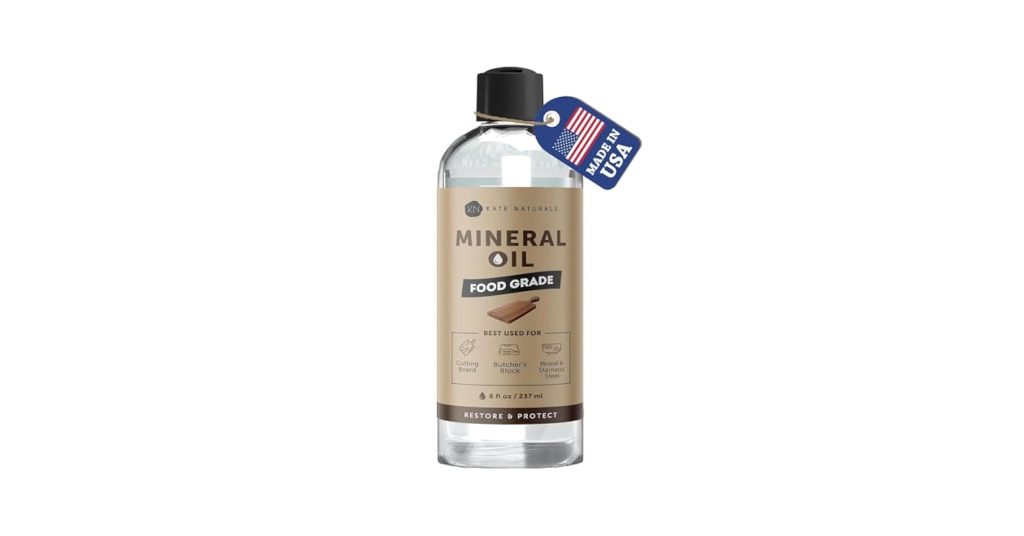
When it comes to caring for your cutting board, choosing the right oil makes all the difference. You want something that protects your board, keeps it looking fresh, and stops it from cracking or drying out.
But with so many options out there, how do you know which oil is truly the best for your cutting board? You’ll discover the top oils that bring out the best in your board, helping it last longer and stay safe for your kitchen.
Keep reading to find the perfect match for your cutting board and make your food prep easier and more enjoyable.
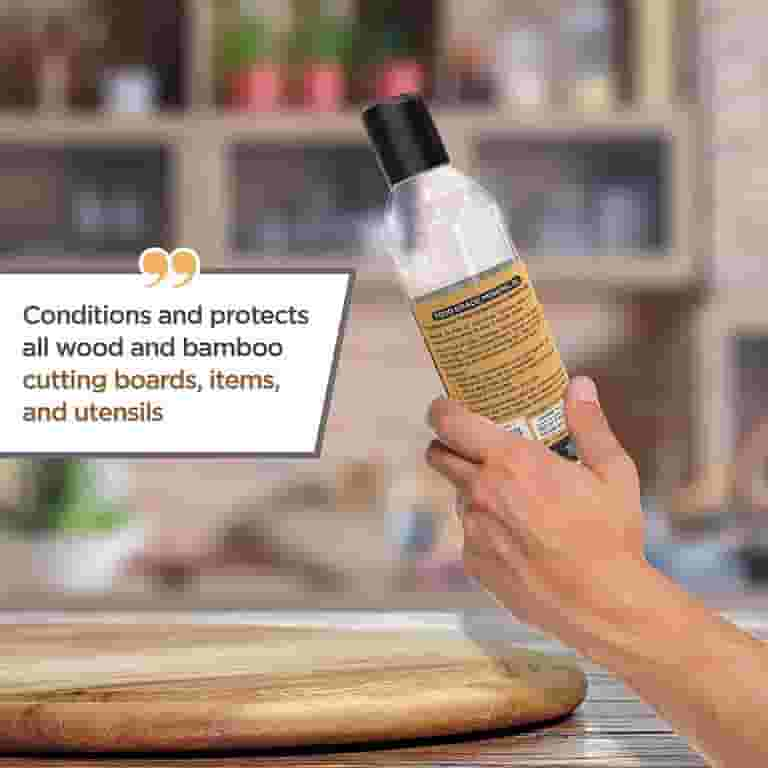
Credit: www.walmart.com
Types Of Oils For Cutting Boards
Oiling cutting boards keeps them strong and safe for food. The right oil stops the wood from drying out.
Different oils work well, but some are better than others. Learn which oils to use and which to avoid.
Mineral Oil
Mineral oil is a popular choice for cutting boards. It is safe, clear, and does not go bad quickly.
This oil soaks into the wood and protects it from water and stains. It is easy to find and affordable.
Food-grade Oils
Food-grade oils are safe to use on surfaces that touch food. They do not contain harmful chemicals.
These oils keep the cutting board smooth and help stop cracks. Examples include mineral oil and some vegetable oils.
- Pure mineral oil
- Food-safe walnut oil
- Food-grade coconut oil
Natural Oils
Natural oils come from plants and nuts. They can add a nice scent and natural protection.
Some natural oils dry and harden, creating a protective layer. Examples are tung oil and linseed oil.
- Tung oil (pure and food safe)
- Raw linseed oil (make sure it is food safe)
- Beeswax blends for extra protection
Avoiding Toxic Oils
Some oils are not safe for cutting boards. They can spoil or be harmful if ingested.
Avoid oils that go rancid or contain toxins. These can damage your board and your health.
- Do not use cooking oils like olive or vegetable oil
- Avoid non-food-grade oils and motor oils
- Steer clear of oils with chemical additives
Benefits Of Using Oil On Cutting Boards
Oiling cutting boards is an important step to keep them in good shape. It helps protect the wood and keeps it working well for a long time.
Using the right oil on your cutting board improves its strength and safety. It also makes the board look better and last longer.
Preventing Cracks And Splits
Wood can dry out and crack if not cared for. Applying oil keeps the wood moist. This stops cracks and splits from forming.
Oiling fills tiny gaps in the wood. It helps the board stay smooth and strong over time.
Enhancing Durability
Oiled boards resist damage better than dry ones. The oil creates a protective layer. This layer guards against scratches and stains.
Regular oiling keeps the wood firm. It helps the board handle daily use without wearing out quickly.
Maintaining Hygiene
Oiling helps seal the wood surface. It stops liquids and food particles from soaking in. This lowers the chance of bacteria growing.
Well-oiled boards are easier to clean. They dry faster and stay fresher after use.
Improving Appearance
Oil brings out the natural color of wood. It makes the cutting board look shiny and new. This adds beauty to your kitchen.
Oiling hides small marks and scratches. It keeps the board looking smooth and well cared for.
How To Choose The Right Oil
Choosing the right oil for your cutting board keeps it safe and lasting longer. Different oils have different effects on wood. Knowing what to look for helps you pick the best one.
Consider safety, how fast the oil absorbs, how long it lasts, and cost. Each factor matters for your board’s care and your peace of mind.
Safety Considerations
Use oils that are safe for food contact. Avoid oils that can go rancid or harm health. Food-grade mineral oil is common and safe. Some natural oils like coconut oil are also good choices.
- Avoid vegetable oils that spoil quickly
- Choose non-toxic and odorless oils
- Look for FDA-approved or food-safe labels
- Test on a small board area first
Absorption Rate
Oils absorb into wood at different speeds. Faster absorption means quicker protection. Slow absorption may leave a sticky surface. Oils like mineral oil soak in well and dry fast.
| Oil Type | Absorption Speed | Effect on Wood |
| Mineral Oil | Fast | Deeply penetrates |
| Coconut Oil | Medium | Moisturizes and protects |
| Olive Oil | Slow | Can leave residue |
| Walnut Oil | Medium | Hardens surface |
Longevity And Maintenance
Some oils last longer and need less reapplication. Mineral oil usually requires frequent use. Hardening oils like walnut oil create a longer barrier. Choose based on how often you want to oil your board.
- Mineral oil: reapply monthly
- Walnut oil: reapply every few months
- Coconut oil: reapply monthly
- Avoid oils that dry sticky or smell bad over time
Cost And Availability
Oils vary in price and ease of purchase. Mineral oil is cheap and easy to find. Specialty oils like walnut or tung oil cost more. Choose what fits your budget and access.
| Oil Type | Average Cost | Availability |
|---|---|---|
| Mineral Oil | Low | Widely available |
| Coconut Oil | Medium | Common in stores |
| Walnut Oil | High | Specialty shops or online |
| Tung Oil | High | Specialty stores |

Credit: www.howardproducts.com
Application Tips For Oiling Cutting Boards
Oiling a cutting board keeps the wood healthy and prevents cracks. Using the right technique helps the oil soak in well.
These tips guide you through cleaning, applying, and caring for your board after oiling.
Cleaning Before Oiling
Always clean your cutting board before oiling. Remove food residue and dry the board completely.
Use mild soap and warm water. Avoid soaking the board to prevent warping.
Applying Oil Evenly
Apply oil in small amounts for even coverage. Spread it with a clean cloth or brush.
- Pour a small puddle of oil onto the board
- Use circular motions to rub oil in
- Cover all sides and edges
- Let oil soak for at least 20 minutes
- Wipe off excess oil with a dry cloth
Frequency Of Oiling
Oiling frequency depends on use and wood type. Regular oiling protects your board from drying out.
| Use Level | Oiling Frequency |
|---|---|
| Heavy use (daily) | Every 1 week |
| Moderate use (few times a week) | Every 2-3 weeks |
| Light use (rarely) | Every 1-2 months |
Drying And Storage
After oiling, dry your cutting board in a warm area. Avoid direct sunlight and heat sources.
Store your board upright to air dry fully and prevent moisture buildup.
Do not store a wet or oily board in a closed cabinet.
Common Mistakes To Avoid
Choosing the right oil for your cutting board is important. Using the wrong oil can damage the wood or cause bad smells.
Below are some common mistakes people make when oiling cutting boards. Avoid these to keep your board safe and clean.
Using Vegetable Oils That Rancid
Many people use vegetable oils like olive or canola oil on their cutting boards. These oils can go bad over time.
Rancid oils make the wood smell bad and can attract bacteria. This can ruin your cutting board and affect food safety.
- Do not use cooking oils that can spoil quickly.
- Choose mineral oil or special cutting board oil instead.
- These oils stay fresh and protect the wood well.
Over-oiling The Board
Applying too much oil can cause problems. The wood may become sticky or soft when over-oiled.
Excess oil can also create a surface that does not dry well. This can attract dirt and germs.
- Apply oil in thin, even layers.
- Wipe off any extra oil after application.
- Let the oil soak in fully before using the board.
Ignoring Regular Maintenance
Many people forget to oil their cutting boards regularly. This can cause the wood to dry out and crack.
Regular oiling keeps the board smooth and water-resistant. It also helps prevent stains and bacteria buildup.
- Oil your cutting board once a month or as needed.
- Clean and dry the board before oiling.
- Check for cracks or rough spots and sand lightly if needed.
Popular Oil Brands And Products
Choosing the right oil for your cutting board is important for its care. The right oil keeps wood hydrated and protected.
Many brands offer oils made for cutting boards. These oils are safe and easy to use on wood surfaces.
Top Mineral Oil Options
Mineral oil is popular because it is food safe and easy to find. It soaks into the wood and stops it from drying out.
Look for food-grade mineral oil. It is clear, odorless, and safe for kitchen use.
- Howard Butcher Block Conditioner
- Thirteen Chefs Mineral Oil
- John Boos Mystery Oil
- Clax Mineral Oil
Blended Cutting Board Oils
Blended oils mix mineral oil with natural waxes or other oils. They add extra protection and shine to wood.
These blends often contain beeswax or carnauba wax to create a protective layer on the cutting board.
- Howard Butcher Block Conditioner (mineral oil + beeswax)
- Walrus Oil Cutting Board Oil (mineral oil + natural oils)
- Clark’s Cutting Board Oil (mineral oil + beeswax and carnauba wax)
Diy Oil Mixes
You can make your own oil mix at home. It usually combines mineral oil with beeswax or coconut oil.
This mix protects the wood and keeps it smooth. Make sure all ingredients are food safe and pure.
- 1 cup mineral oil
- 1 tablespoon beeswax (melted)
- Optional: a few drops of coconut oil
- Mix well and apply to cutting board

Credit: www.ebay.com
Frequently Asked Questions
What Oil Is Safest For Wooden Cutting Boards?
Food-grade mineral oil is safest for wooden cutting boards. It is non-toxic, odorless, and prevents wood from drying out. Avoid vegetable or cooking oils as they can turn rancid and damage the board.
How Often Should I Oil My Cutting Board?
Oil your cutting board once a month or when it looks dry. Regular oiling maintains moisture, prevents cracking, and extends the board’s lifespan.
Can I Use Olive Oil On Cutting Boards?
Olive oil is not recommended because it can become sticky and rancid. Instead, use mineral oil or specialized cutting board oils for better protection.
Why Is Mineral Oil Preferred For Cutting Boards?
Mineral oil is odorless, tasteless, and food-safe. It penetrates wood well, preventing drying and cracking, making it ideal for cutting board maintenance.
Conclusion
Choosing the right oil keeps your cutting board safe and strong. Mineral oil is a popular choice because it soaks in well and does not spoil. Beeswax or walnut oil also add good protection and shine. Avoid cooking oils that can turn sticky or smell bad over time.
Regular oiling stops cracks and warping, making your board last longer. Simple care helps your cutting board stay clean and fresh. Keep it oiled often, and your board will serve you well for years. Easy steps, big results.