Your cutting board is more than just a kitchen tool—it’s where you prepare meals, share moments, and create memories. But do you know what oil to put on your cutting board to keep it in top shape?
Using the right oil not only protects your board from cracking and drying out but also keeps it safe and hygienic for your food. Choosing the wrong oil can damage your board and even affect the taste of your meals.
Keep reading to discover which oils work best and how to care for your cutting board like a pro. Your kitchen—and your food—will thank you.

Credit: greenerchef.com
Choosing The Right Oil
Choosing the right oil for your cutting board helps keep it safe and long-lasting. Some oils protect the wood better than others.
Oils must be food-safe and not spoil or go rancid. This guide explains which oils work best and which to avoid.
Mineral Oil Benefits
Mineral oil is a popular choice for treating cutting boards. It is clear, odorless, and tasteless. It soaks into the wood, creating a barrier against water and stains.
Mineral oil does not go rancid like some natural oils. It keeps the wood hydrated and prevents cracking or warping.
Natural Oils To Avoid
Not all natural oils are safe for cutting boards. Some oils can go rancid and cause bad smells or sticky surfaces.
- Olive oil can spoil and leave a sticky residue.
- Vegetable oils tend to go rancid quickly.
- Walnut and other nut oils may cause allergies.
- Flaxseed oil can harden but may crack over time.
Food-safe Options
| Oil Type | Key Feature | Use Notes |
| Mineral Oil | Non-toxic and stable | Best for all wooden boards |
| Coconut Oil | Anti-bacterial and solidifies | Use refined and food-grade only |
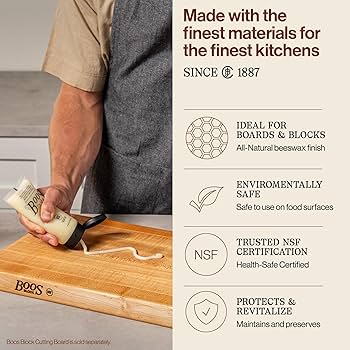
| Beeswax Blend | Protects and seals | Often mixed with mineral oil |

Credit: www.amazon.co.uk
How Oil Protects Cutting Boards
Oiling cutting boards keeps them strong and healthy. It stops the wood from drying out. This helps the board last longer.
Using the right oil protects the wood. It keeps the surface smooth and safe for food prep.
Preventing Cracks And Warping
Wood can crack or warp if it dries too fast. Oil helps keep moisture in the wood. This stops the board from shrinking or bending.
- Oil fills tiny cracks and holes in wood.
- It keeps the board from drying unevenly.
- Regular oiling helps maintain the board’s shape.
Enhancing Wood Grain
Oiling brings out the natural beauty of the wood grain. It makes the colors richer and the texture smooth. This also helps hide small scratches.
| Effect | Details |
| Color | Oil deepens wood tones |
| Texture | Surface feels smoother to touch |
| Appearance | Scratches look less visible |
Water Resistance
Wood soaks up water if not treated. Oil creates a barrier that repels water. This stops stains and damage.
Benefits of Oiling for Water Resistance:
- Prevents water from soaking in
- Stops bacteria growth in damp wood
- Makes cleaning easier
Applying Oil Correctly
Oiling cutting boards keeps them safe and lasts longer. It stops wood from drying and cracking.
Use the right oil and apply it carefully. This guide shows how to prepare and oil your board well.
Preparation Steps
Start by cleaning the board with warm, soapy water. Rinse and dry it fully before oiling. Sand rough spots lightly to smooth the surface.
- Wash the board thoroughly
- Dry it completely with a towel
- Sand any rough or stained areas
- Remove dust with a clean cloth
Oil Application Techniques
Use a clean cloth or brush to spread oil evenly. Cover all sides and edges to protect the wood well.
| Technique | Details |
| Cloth Method | Apply oil with a soft cloth in a circular motion |
| Brush Method | Use a brush for even coverage on hard-to-reach spots |
| Amount | Use enough oil to soak in but avoid puddles |
Drying And Curing Time
Let the board dry for several hours after oiling. This helps the oil soak deep into the wood.
- Wipe off excess oil after 20 minutes
- Leave the board in a warm, dry place
- Wait at least 8 hours before use
- Repeat oiling monthly for best results

Credit: www.reddit.com
Maintenance Tips For Longevity
Cutting boards need regular care to last long. Using the right oil keeps them strong and safe.
Oiling wood boards stops cracks and warping. It also protects against stains and odors.
Frequency Of Oiling
Oil your cutting board every few weeks. If you use it often, oil it more.
Look for dryness or dull spots. These signs mean your board needs oil soon.
- Light use: oil every 1 to 2 months
- Heavy use: oil every 2 to 4 weeks
- Check board surface before oiling
Cleaning Before Oiling
Clean the board well before applying oil. Dirt or moisture stops oil from soaking in.
Use warm water and mild soap. Avoid soaking the board or using harsh cleaners.
- Wash with soft sponge
- Rinse and dry completely
- Do not put in dishwasher
Avoiding Damage
Keep your cutting board safe by avoiding heat and harsh tools. Heat can dry the wood.
Never cut on the same spot repeatedly. Rotate the board to spread wear evenly.
- Do not leave board in direct sunlight
- Avoid using metal scrubbers
- Use both sides of the board
Alternative Treatments
Oiling cutting boards keeps them safe and clean. There are many ways to treat your board. You can use natural or store-bought oils and blends.
Choosing the right treatment helps your board last longer. It also stops the wood from drying out and cracking.
Beeswax And Oil Blends
Beeswax mixed with oil makes a thick, protective coating. This blend seals the wood better than oil alone. It also gives the board a smooth feel.
Beeswax blends are natural and safe for food contact. They help keep water out and stop stains.
- Use melted beeswax mixed with mineral or coconut oil
- Apply a thin layer and rub it into the wood
- Let it dry before using the board
Commercial Cutting Board Conditioners
There are many store-bought oils made for cutting boards. These often combine oils and waxes to protect wood. They are easy to use and safe for food.
Commercial conditioners can contain mineral oil, beeswax, or other natural oils. They help keep your board shiny and strong.
- Mineral oil is common and inexpensive
- Beeswax adds extra protection
- Look for food-grade products only
Diy Oil Mixes
You can make your own oil mix for cutting boards. Use safe oils that do not go rancid quickly. These keep the wood healthy and clean.
Popular DIY oils include mineral oil, coconut oil, and walnut oil. Mixing oils with beeswax makes a stronger finish.
- Pure mineral oil is cheap and safe
- Coconut oil should be refined to avoid smell
- Walnut oil hardens well but may cause allergies
- Add melted beeswax for a thicker coat
Frequently Asked Questions
What Oil Is Best For Cutting Boards?
Mineral oil is the best for cutting boards. It is food-safe, odorless, and prevents wood from drying. Unlike vegetable oils, it doesn’t go rancid. Regular application keeps your board in top condition. It penetrates the wood deeply, providing optimal protection.
Can I Use Olive Oil On Cutting Boards?
It’s not recommended to use olive oil. Olive oil can go rancid over time, creating unpleasant odors. Instead, opt for mineral oil or specialized cutting board oils. These oils maintain the board’s integrity and keep it food-safe. Olive oil might also leave a sticky residue on the board’s surface.
How Often Should I Oil My Cutting Board?
Oil your cutting board once a month. Regular oiling keeps the board hydrated and prevents cracking. If you use your board frequently, consider oiling it every two weeks. This routine ensures longevity and maintains the board’s appearance. Be sure to clean the board thoroughly before applying oil.
Is Coconut Oil Good For Cutting Boards?
Coconut oil is not ideal for cutting boards. It can go rancid, affecting the board’s quality and smell. Instead, use mineral oil, which is stable and long-lasting. If you prefer a natural option, consider fractionated coconut oil. It remains liquid and doesn’t spoil easily, unlike regular coconut oil.
Conclusion
Choosing the right oil keeps cutting boards safe and strong. Natural oils like mineral oil protect wood without harmful chemicals. Regular oiling stops cracks and warping, making boards last longer. Avoid cooking oils that can go bad or smell. Clean boards well before applying oil.
A well-oiled board looks better and stays smooth for cutting. Take care of your cutting board, and it will serve you well. Simple steps make a big difference in board care.