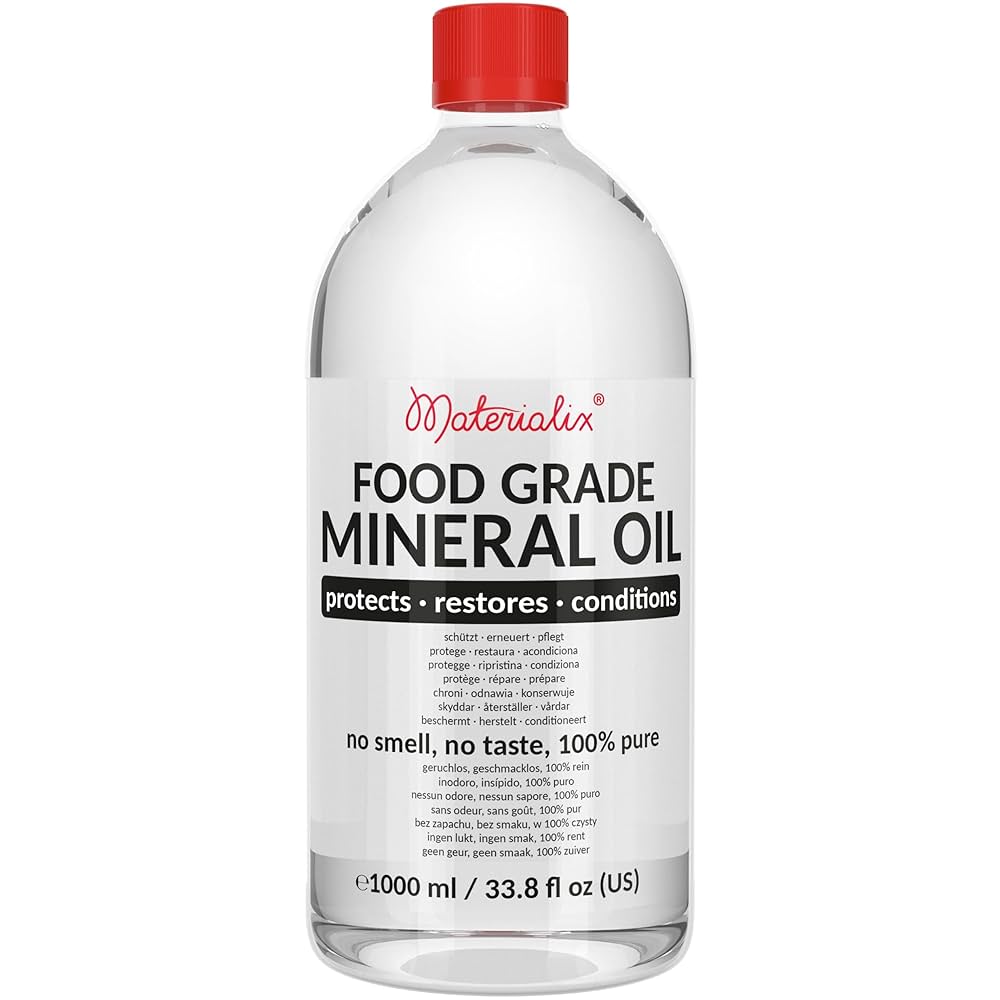
When it comes to caring for your bamboo cutting board, the type of oil you use can make all the difference. You want to keep your board looking great, prevent cracks, and make sure it stays safe for food prep.
But with so many oils out there, how do you choose the right one? This guide will help you find the best oil to protect and extend the life of your bamboo cutting board, so you can enjoy it for years to come.
Keep reading to discover simple tips that will make caring for your board easier than ever.
Choosing The Right Oil
Using the right oil keeps your bamboo cutting board in good shape. It protects the wood and stops it from drying out. Picking the best oil is important for durability and safety.
Not all oils work well on bamboo. Some can go bad or cause damage. Learning about different oils helps you make the right choice.
Mineral Oil Benefits
Mineral oil is popular for bamboo boards. It is safe and does not spoil. Mineral oil soaks into the wood and forms a protective barrier. This keeps moisture out and stops cracks.
- It is odorless and tasteless
- Does not go rancid over time
- Easy to apply and maintain
- Helps keep bamboo looking new
Why Avoid Vegetable Oils
Vegetable oils like olive or sunflower oil seem natural but are not good for bamboo. These oils can turn sticky or smell bad. They may also cause the wood to rot or attract bugs.
| Vegetable Oil | Problem |
| Olive Oil | Can go rancid and smell bad |
| Sunflower Oil | May cause stickiness and spoil |
| Canola Oil | Attracts bacteria and bugs |
Natural Oils To Consider
Some natural oils work well on bamboo boards. They are safe and help protect the wood. These oils dry well and do not go bad quickly.
- Coconut oil (refined, food-grade)
- Beeswax mixed with mineral oil
- Walnut oil (for those without allergies)
- Tung oil (pure, not mixed with chemicals)
How Oil Protects Bamboo Boards
Oiling bamboo cutting boards is important to keep them in good shape. Oil helps protect the wood from damage caused by water and food.
Using the right oil keeps the board strong and looking nice for a long time. It also helps keep the board safe for food use.
Preventing Cracks And Warping
Oil stops water from soaking into the bamboo. This prevents the board from drying out and cracking. It also helps avoid warping caused by moisture changes.
Regular oiling creates a barrier that keeps the wood stable. This makes the board last longer and keeps it flat.
Enhancing Durability
Oiling bamboo boards makes them stronger. The oil fills the tiny gaps in the wood fibers, which protects against wear and tear.
This added strength helps the board resist scratches and dents from knives and daily use.
Maintaining Appearance
Oil keeps the bamboo board looking fresh and clean. It enhances the natural color and grain of the bamboo.
Oiling also prevents stains from food and water marks. This helps the board stay beautiful over time.
Application Techniques
Choosing the right oil and applying it correctly keeps your bamboo cutting board safe and strong. Proper care helps stop cracks and stains.
This guide explains how to prepare your board, when to oil it, and the best way to apply the oil.
Preparing The Board
Start by cleaning your bamboo cutting board with warm water and mild soap. Dry it completely before adding oil. Avoid soaking the board in water.
If the surface feels rough, lightly sand it with fine-grit sandpaper. Wipe away dust with a clean cloth before oiling.
Oiling Frequency
Regular oiling protects the bamboo and keeps it from drying out. The frequency depends on use and climate.
- Oil the board once a month if used often.
- In dry climates, oil every 2 to 3 weeks.
- If the board looks dull or feels dry, oil it sooner.
Proper Application Steps
| Step | Action | Details |
| 1 | Apply Oil | Use a clean cloth to spread a thin layer of food-safe mineral oil evenly. |
| 2 | Let Absorb | Leave the oil on the board for at least 20 minutes to soak in. |
| 3 | Wipe Excess | Remove any extra oil with a dry cloth to prevent sticky residue. |
| 4 | Dry Fully | Let the board dry completely before using or storing it. |
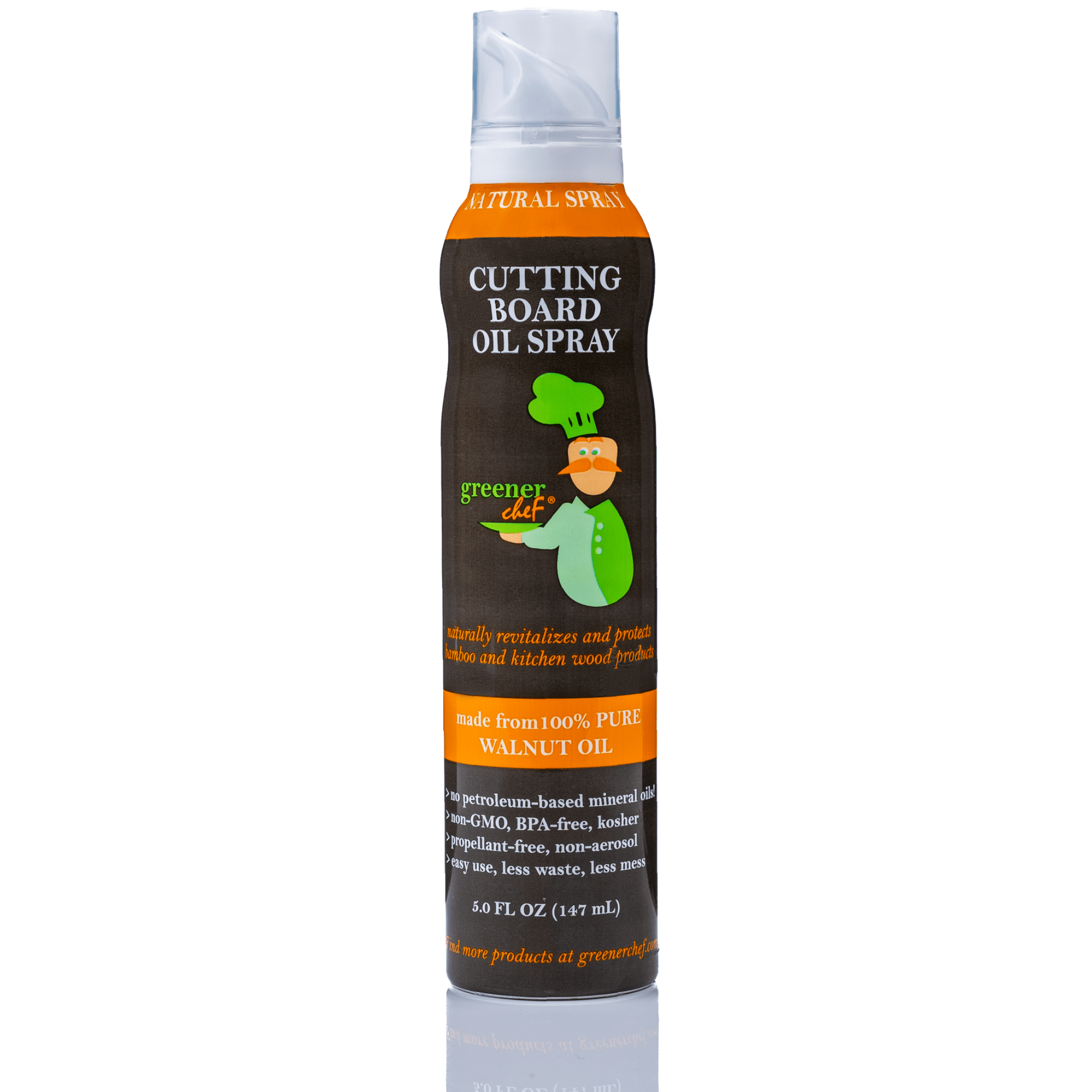
Credit: greenerchef.com
Common Mistakes To Avoid
Using the right oil keeps your bamboo cutting board healthy and long-lasting. Many people make mistakes that harm their boards. Avoiding these errors helps your board stay strong and clean.
Learn about common mistakes with oiling bamboo cutting boards. This will help you choose the best care for your kitchen tool.
Over-oiling Risks
Too much oil can cause your bamboo board to become sticky and soft. This damages the surface and attracts dirt. Over-oiling also wastes oil and makes cleaning harder.
Apply a thin, even coat and let it soak fully before adding more. Let the board dry well after oiling to avoid problems.
Using The Wrong Oil Types
Not all oils are safe or good for bamboo boards. Some oils can go bad and cause bad smells or sticky spots. Avoid oils that dry out or stay wet for too long.
Choose food-safe, non-toxic oils like mineral oil or special cutting board oils. Avoid vegetable oils like olive or canola oil as they spoil quickly.
- Mineral oil is safe and easy to find
- Beeswax mixed oils add extra protection
- Do not use cooking oils that can go rancid
- Avoid oils with strong smells or colors
Neglecting Regular Care
Oiling your bamboo board once is not enough. Without regular care, the board dries out and cracks. Dirt and bacteria can also build up on the surface.
Clean your board after each use and oil it every few weeks. Regular care keeps bamboo strong and safe for food.
Additional Care Tips
Proper care helps your bamboo cutting board last longer. Using the right oil is important, but so is cleaning and storing it well.
Here are some extra tips to keep your board in great shape and free from stains and odors.
Cleaning Before Oiling
Always clean your bamboo board before applying oil. Remove food particles and dry it completely. Use mild soap and warm water, then wipe with a towel.
Storage Recommendations
Store your bamboo cutting board in a dry place. Avoid leaving it in water or damp areas. Keep it upright for air circulation.
- Keep the board away from direct sunlight
- Do not store near heat sources
- Place it where air can flow freely around it
- Use a stand or rack to prevent flat storage
Dealing With Stains And Odors
Stains and smells can happen after cutting strong foods. Clean your board quickly and use natural remedies to freshen it.
| Problem | Solution |
| Stains from berries or spices | Rub with lemon juice and salt, then rinse |
| Strong odors from garlic or onion | Wipe with baking soda paste, then rinse well |
| General discoloration | Sand lightly with fine-grit sandpaper before oiling |

Credit: cheesegrotto.com

Credit: www.bambuhome.com
Frequently Asked Questions
What Oil Is Best For Bamboo Cutting Boards?
Mineral oil is best for bamboo cutting boards. It’s food-safe and prevents the board from drying out. Regular application keeps the board in top condition. Avoid cooking oils like olive or vegetable oil as they can turn rancid. Always ensure the oil used is food-grade for safety.
Can I Use Olive Oil On Bamboo Cutting Boards?
Avoid using olive oil on bamboo cutting boards. It can become rancid and spoil the board. Instead, choose mineral oil or specialized cutting board oil. These are food-safe and maintain the board’s integrity. Olive oil may cause unwanted odors and affect the board’s longevity.
How Often Should I Oil My Bamboo Cutting Board?
Oil your bamboo cutting board every month. Regular oiling prevents drying and cracking. If used frequently, you might need to oil it more often. Always clean and dry the board before oiling. This ensures the oil penetrates effectively and keeps your board in good condition.
Is Coconut Oil Suitable For Bamboo Boards?
Coconut oil is not recommended for bamboo boards. It can become rancid over time. Choose mineral oil or specialized cutting board oil instead. These options are food-safe and maintain the board’s quality. Proper oiling ensures longevity and prevents unpleasant odors.
Conclusion
Choosing the right oil keeps your bamboo cutting board strong and clean. Mineral oil is safe and easy to find. It soaks into the wood and stops cracks. Food-grade oils protect the board without harming food. Regular oiling helps the board last longer.
Avoid cooking oils that can turn sticky or smell bad. With good care, your bamboo board stays smooth and fresh. Remember, simple oils work best for daily use. Keep your kitchen tools ready for every meal.