Your wood cutting board is more than just a kitchen tool—it’s where meals begin and memories are made. But are you giving it the care it truly needs?
Choosing the right oil can make all the difference in keeping your board safe, beautiful, and long-lasting. If you want to protect your investment and keep your board looking fresh, you need to know exactly what oil to use—and why it matters.
Keep reading to discover the simple secret that will transform how you care for your wood cutting board.
Types Of Oils For Cutting Boards
Choosing the right oil keeps your wood cutting board safe and long-lasting.
Not all oils work well on wood. Some protect better than others.
Mineral Oil Benefits
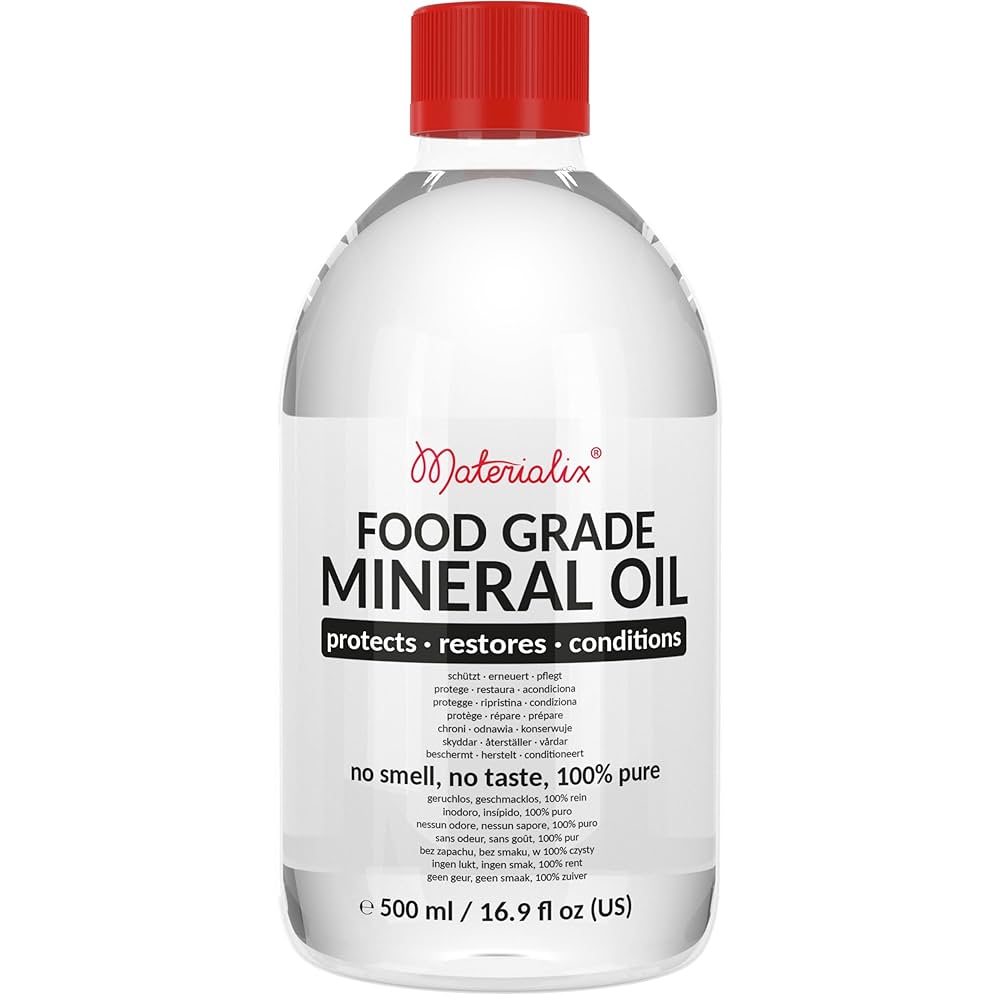
Mineral oil is a popular choice for wood cutting boards. It soaks into the wood and creates a water-resistant barrier. This helps prevent cracks and warping. Mineral oil is clear and odorless. It does not go rancid, so you can use it safely for a long time.
Why Avoid Vegetable Oils
Vegetable oils like olive or canola oil can spoil. They turn sticky and smell bad after a while. This can ruin your cutting board and attract bacteria. Avoid using these oils to keep your board clean and safe.
Natural Oils To Consider
Some natural oils work well on cutting boards. They are safe and nourish the wood. These oils dry and harden on the surface, giving good protection.
- Tung oil: Dries hard and resists water.
- Beeswax mixed with oil: Adds extra protection.
- Walnut oil: Natural and good for wood, but watch for allergies.
Food-safe Oil Options
| Oil Type | Key Feature | Best Use |
| Mineral Oil | Non-toxic, no smell | Daily maintenance |
| Tung Oil | Hard finish, water-resistant | Deep treatment |
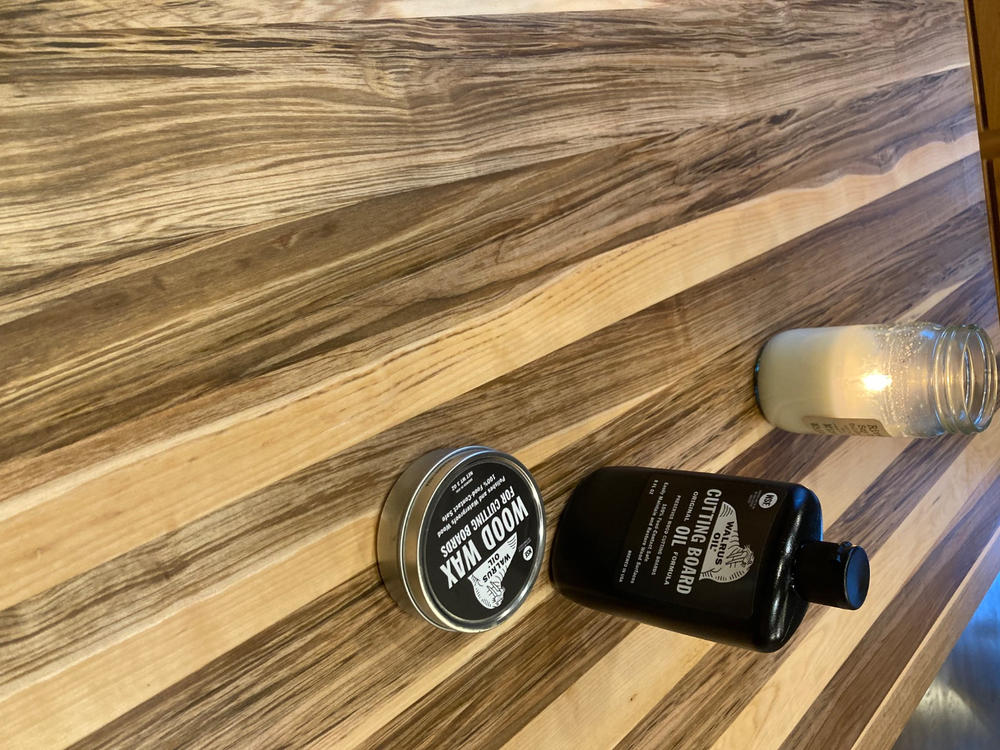
| Beeswax Blend | Extra surface protection | Sealing and shine |
| Walnut Oil | Natural, food-safe | Light conditioning |

Credit: ca.maisonrodin.com
How To Apply Oil
Oiling your wood cutting board keeps it strong and clean. It stops the wood from drying out and cracking. Using the right oil and method helps your board last longer.
This guide shows simple steps to prepare, apply, and care for your board with oil.
Preparing The Board
Clean the board well before oiling. Remove any dirt or food bits. Dry the board fully with a towel or air dry. A dry surface helps the oil soak in better.
Proper Application Techniques
Apply oil evenly across the whole board. Use a clean cloth or paper towel. Rub the oil in small circles to cover every spot. Let the oil sit for a few hours or overnight to soak in.
- Pour a small amount of oil on the board.
- Use a soft cloth to spread the oil thinly and evenly.
- Rub oil into the wood using circular motions.
- Cover both sides and all edges of the board.
- Leave the board to absorb oil for at least 4 hours.
Frequency Of Oiling
How often you oil depends on use. If you use the board daily, oil it once a month. For less use, oil every 2 to 3 months. Regular oiling keeps the wood healthy and water-resistant.
| Usage | Oiling Frequency |
| Daily | Once a month |
| Weekly | Every 6 weeks |
| Occasionally | Every 2 to 3 months |
Signs Your Board Needs Oiling
Watch for these signs to know when to oil your board:
- The wood looks dry or dull.
- Small cracks appear on the surface.
- Water does not bead and soaks in quickly.
- The board feels rough instead of smooth.
Maintaining Your Cutting Board
Keeping your wood cutting board in good shape makes it last longer. Proper care protects it from damage and keeps it safe for food.
Regular cleaning and oiling help maintain the wood’s natural beauty and strength.
Cleaning Before Oiling
Always clean your cutting board before applying oil. Remove food particles and dry it well. Avoid soaking it in water to prevent damage.
- Use warm water and mild soap
- Scrub gently with a sponge or brush
- Rinse quickly and dry with a towel
- Let it air dry completely before oiling
Dealing With Stains And Odors
Stains and smells can build up over time. Use simple home remedies to clean and freshen your board.
| Problem | Solution |
|---|---|
| Stains | Rub with half a lemon and salt, then rinse |
| Odors | Sprinkle baking soda, let sit, then wipe off |
| Deep stains | Sand lightly with fine-grit sandpaper |
Avoiding Cracks And Warping
Keep your board strong by avoiding extreme conditions. Dry it properly and oil it regularly to stop cracks and warping.
- Do not leave the board in water
- Keep it away from direct heat or sunlight
- Apply food-safe oil every few weeks
- Store it in a dry, cool place

Credit: www.amazon.ca
Oils To Avoid
Choosing the right oil for your wood cutting board is important. Some oils can damage the wood or be unsafe. Avoid oils that dry poorly or contain harmful chemicals.
This guide explains which oils to avoid and why. Learn about drying oils risks, toxic oils, and common mistakes with oils.
Drying Oils Risks
Drying oils harden as they dry. They can crack or peel over time. This damages your cutting board’s surface.
- Linseed oil (especially raw or boiled) may dry unevenly and crack.
- Tung oil can darken wood too much and cause a sticky finish.
- Walnut oil dries but can cause allergic reactions for some users.
Toxic Or Harmful Oils
Some oils contain chemicals that can be harmful if ingested. Avoid these oils on food-contact surfaces.
| Oil Type | Reason to Avoid |
| Mineral oil (non-food grade) | May contain toxins or impurities |
| Vegetable oils like canola or olive | Can go rancid and smell bad |
| Oils with additives or perfumes | Unsafe for food contact |
Common Mistakes With Oils
Many people use the wrong oils or apply them incorrectly. This harms the wood or reduces oil effectiveness.
- Using cooking oils that spoil quickly, causing bad odors.
- Applying too much oil, leading to sticky or soft surfaces.
- Using oils that dry too fast, which can crack the wood.
- Ignoring the need to reapply oil regularly for protection.
Enhancing Board Longevity
Choosing the right oil for your wood cutting board helps it last longer. Wood boards need regular care to stay strong and safe.
Oiling keeps the wood from drying out and cracking. It also stops water and bacteria from getting inside the board.
Regular Conditioning Tips
Apply oil to your cutting board once a month or after heavy use. Use a clean cloth to rub the oil into the wood in small circles.
- Use food-safe mineral oil or specialized cutting board oil.
- Let the oil soak in for at least two hours.
- Wipe off any extra oil to avoid sticky residue.
- Repeat if the board looks dry or dull.
Combining Oil With Beeswax
Beeswax adds a protective layer on top of the oiled wood. It helps block moisture and gives a smooth finish.
| Benefit | Description |
| Water Resistance | Blocks water from soaking into the wood. |
| Surface Protection | Prevents scratches and stains. |
| Easy to Apply | Mix with oil or use as a paste. |
| Natural and Safe | Food-safe and non-toxic for kitchen use. |
Storage Best Practices
Store your wood cutting board in a dry and cool place. Avoid leaving it near heat or in direct sunlight.
- Keep the board upright to air dry fully.
- Do not soak the board in water or put it in a dishwasher.
- Use a breathable cover if you store the board for a long time.
- Check regularly for cracks or rough spots and sand if needed.
Credit: walrusoil.com
Frequently Asked Questions
What Oil Is Best For Wood Cutting Boards?
The best oil for wood cutting boards is food-grade mineral oil. It is safe, odorless, and tasteless. This oil prevents drying and cracking. It penetrates the wood deeply, offering excellent protection. Regular application maintains the board’s condition, ensuring it remains durable and safe for food preparation.
Can I Use Olive Oil On Cutting Boards?
Olive oil is not recommended for cutting boards. It can become rancid over time. Instead, opt for mineral oil. Mineral oil doesn’t spoil and provides better protection. It keeps the board moisturized and prevents bacteria growth. This ensures a longer lifespan for your cutting board.
How Often Should I Oil My Wood Cutting Board?
Oiling your wood cutting board once a month is ideal. This maintains its condition and prevents drying. Regular oiling ensures the board stays durable. It also helps in preventing warping and cracking. Consistent maintenance extends the board’s lifespan and keeps it safe for food use.
Is Coconut Oil Suitable For Cutting Boards?
Coconut oil is not the best choice for cutting boards. It can go rancid and attract bacteria. Instead, choose mineral oil. Mineral oil is stable and effective for long-term use. It keeps the board moisturized and protected. This promotes hygiene and board longevity.
Conclusion
Choosing the right oil keeps your wood cutting board strong and safe. Food-safe oils like mineral or walnut oil protect wood from drying out. Regular oiling stops cracks and warping. Avoid oils that can turn rancid or harm the board.
Simple care extends your board’s life and looks. Treat your cutting board well, and it serves you for years. Small effort, big difference. Easy to do. Worth the time.