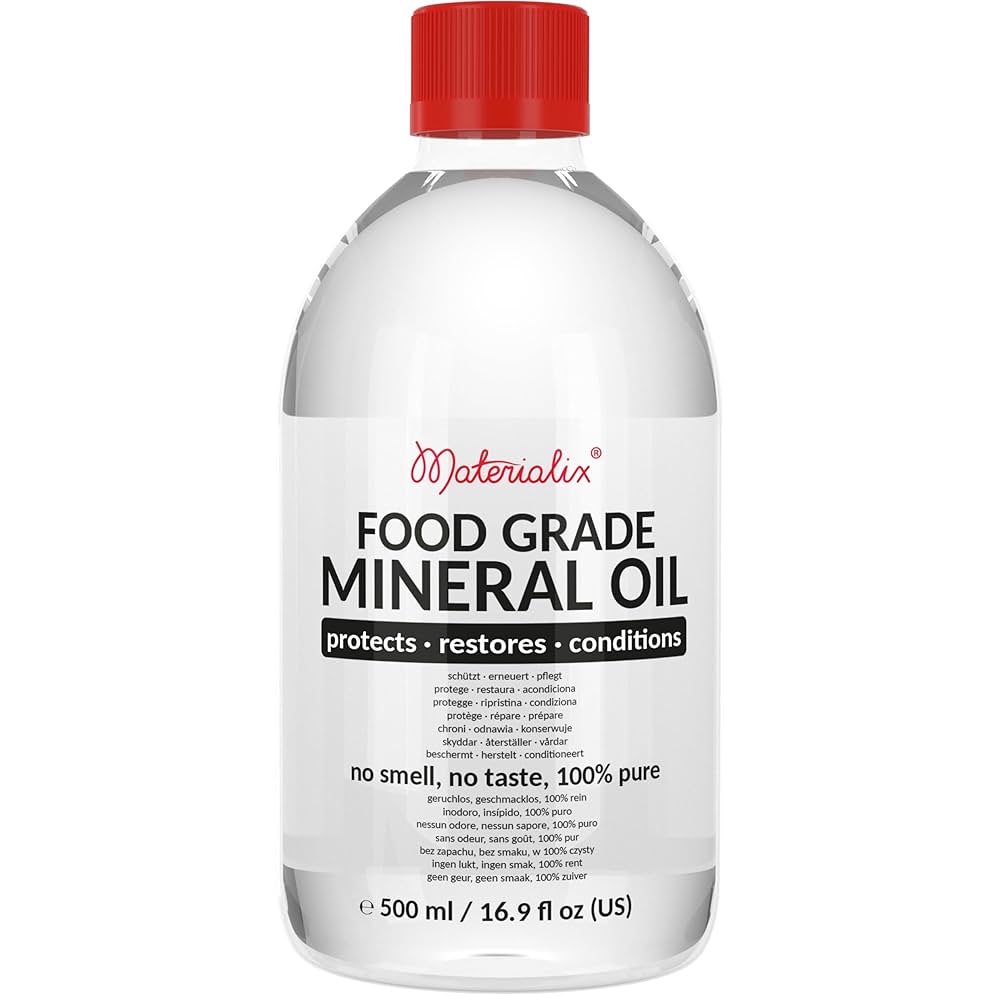
Your wooden cutting board is more than just a kitchen tool—it’s an investment that can last for years if cared for properly. But do you know the right oil to use to keep it in top shape?
Using the wrong oil can damage your board or leave it sticky and unpleasant. You’ll discover exactly what oil works best to protect your cutting board, keep it looking fresh, and make your food prep safer and easier. Keep reading to learn the simple secret that will extend the life of your wooden cutting board and make every meal prep a pleasure.

Credit: www.amazon.com
Choosing The Right Oil
Choosing the right oil helps keep your wooden cutting board in good shape. The right oil protects the wood from drying out and cracking. It also helps prevent stains and smells.
Not all oils are safe or effective for wooden cutting boards. Some oils can go rancid or leave sticky residues. Knowing which oils are food-safe is important for your health and board care.
Food-safe Oils
Food-safe oils do not spoil quickly and are safe for contact with food. They soak into the wood and keep it moisturized. Avoid oils that can turn sticky or rancid after some time.
- Mineral oil is commonly used and safe for food contact.
- Beeswax blends add extra protection and shine.
- Coconut oil is natural but may go rancid if not pure.
- Walnut oil is good but avoid if allergies are a concern.
Mineral Oil Benefits
Mineral oil is a popular choice for wooden cutting boards. It is odorless and colorless. Mineral oil does not spoil or turn sticky over time.
| Benefit | Description |
| Non-toxic | Safe for food contact and does not harm health. |
| Long-lasting | Does not go rancid or smell bad. |
| Easy to apply | Absorbs well into wood without sticky residue. |
| Affordable | Widely available at a low cost. |
Natural Oils To Consider
Natural oils can also protect wooden boards. They add a nice finish but need careful choice to avoid spoilage. Some natural oils dry and harden, while others may turn sticky.
- Fractionated coconut oil stays liquid and does not spoil fast.
- Walnut oil dries to a hard finish but watch for allergies.
- Linseed oil can protect but must be food-grade and pure.
- Olive oil is not recommended as it can go rancid quickly.
Oils To Avoid
Choosing the right oil for your wooden cutting board helps keep it safe and lasting longer. Some oils can damage the wood or make it unsafe for food use. Learn which oils to avoid to protect your cutting board.
Using the wrong oil can cause the wood to spoil or become sticky. Avoid oils that go bad quickly or do not soak well into the wood.
Vegetable And Cooking Oils
Vegetable oils like corn oil, soybean oil, and canola oil are not good for wooden boards. These oils dry slowly and can leave a sticky residue. Cooking oils also tend to spoil and smell bad over time.
- Corn oil can leave a sticky surface on wood.
- Soybean oil dries poorly and may attract bacteria.
- Canola oil can cause the wood to stay oily and rancid.
- Olive oil, though natural, also can go bad on the board.
Oils That Cause Rancidity
Rancid oils smell bad and can harm the wood and your food. Oils high in polyunsaturated fats turn rancid fast. Avoid oils that spoil quickly to keep your cutting board safe.
- Safflower oil spoils fast and smells unpleasant.
- Sunflower oil becomes rancid quickly on wood.
- Flaxseed oil may dry hard but can go rancid if stored wrong.
- Any oil with a short shelf life can cause problems on boards.
How To Apply Oil
Oiling a wooden cutting board keeps it strong and safe to use. Proper oiling stops the wood from drying out and cracking.
Follow simple steps to prepare, apply, and let the oil soak in well. This helps your board last longer.
Preparation Steps
Start by cleaning the cutting board with warm, soapy water. Dry it completely before applying any oil.
- Remove any food bits or stains
- Use a soft cloth or paper towel to dry
- Ensure the board is at room temperature
Application Techniques
Use a clean, soft cloth or brush to spread the oil evenly. Cover every part, including edges and sides.
| Method | Description |
|---|---|
| Cloth | Apply a small amount of oil and rub in circular motions. |
| Brush | Use a clean brush for even coverage on rough surfaces. |
| Pour and Spread | Pour oil directly and spread quickly to avoid pooling. |
Drying And Absorption Time
Let the oil soak into the wood for several hours. This helps the board absorb the oil deeply.
- Leave the board flat in a dry place
- Allow at least 4 hours to absorb
- Wipe off excess oil after absorption
- Repeat oiling every month for best care

Credit: www.amazon.com
Frequency Of Oiling
Oiling a wooden cutting board keeps it strong and clean. It stops cracks and warping over time.
How often you oil your board depends on how much you use it and the wood type.
Signs Your Board Needs Oiling
Your cutting board shows clear signs when it needs oil. Watching for these helps keep it healthy.
- The wood looks dry or dull
- Cracks or splits appear on the surface
- Food stains soak in instead of sitting on top
- The board feels rough or sticky to touch
- Water beads no longer form on the surface
Recommended Oiling Schedule
Oil your cutting board regularly to keep it in good shape. The schedule depends on use and climate.
- Light use (once a week or less): oil once every 3 months
- Moderate use (several times a week): oil once a month
- Heavy use (daily): oil every 1 to 2 weeks
- Dry or hot climate: oil more often to prevent drying
Maintaining Your Cutting Board
Wooden cutting boards need regular care to last longer. Proper maintenance keeps them clean and safe for food.
Using the right oil helps protect the wood and prevents cracks or warping over time.
Cleaning Tips
Clean your wooden cutting board after each use to stop bacteria growth. Avoid soaking it in water or putting it in the dishwasher.
- Wash with warm, soapy water and a soft sponge
- Rinse well and dry immediately with a towel
- Let it air dry standing upright for better airflow
- Use lemon and coarse salt to remove stains and odors
Avoiding Damage
Protect your cutting board by avoiding common mistakes that can cause damage or shorten its life.
| Action to Avoid | Reason |
| Soaking in water | Leads to wood swelling and cracking |
| Using harsh chemicals | Damages wood fibers and finish |
| Cutting with serrated knives | Creates deep grooves that trap bacteria |
| Placing in dishwasher | High heat and water ruin the board |
Additional Conditioning Methods
Oiling your wooden cutting board keeps it strong and water-resistant. Use food-safe oils like mineral oil or beeswax blends.
Here is a simple routine to condition your board:
- Apply a generous amount of oil over the entire surface.
- Let the oil soak in for at least two hours or overnight.
- Wipe off any excess oil with a clean cloth.
- Repeat monthly or when the wood looks dry.
Common Myths About Cutting Board Oils
Many people are unsure about which oil to use on wooden cutting boards. Some ideas about cutting board oils are not true. It is important to know the facts to keep your board safe and clean.
This article will explain some common myths about oils for wooden cutting boards. Knowing the truth helps you care for your board the right way.
Myth: Any Cooking Oil Is Safe For Cutting Boards
People often think they can use any cooking oil on their cutting boards. This is not true. Some oils can go bad and make your board sticky or smelly. Oils like vegetable, olive, or canola oil can turn rancid.
Myth: Mineral Oil Is Harmful To Health
Some believe mineral oil is bad for health. This is false. Food-grade mineral oil is safe and does not soak into food. It protects the wood without causing harm.
Myth: Oils Make The Cutting Board Waterproof
Many think that oiling a cutting board makes it waterproof. Actually, oil helps repel water but does not make the board fully waterproof. Water can still soak in if the board is not cared for properly.
Myth: You Only Need To Oil Cutting Boards Once
Some people oil their boards once and think that is enough. Wooden boards need regular oiling to stay healthy. Dry wood can crack and warp over time without care.
Oils To Avoid And Why
| Oil Type | Why to Avoid |
| Olive Oil | Turns rancid and smells bad |
| Vegetable Oil | Can become sticky and attract dirt |
| Nut Oils (e.g., Walnut) | May cause allergies and go bad |
| Animal Fats | Can spoil and harm the wood |

Credit: greenerchef.com
Frequently Asked Questions
What Oil Is Best For A Wooden Cutting Board?
The best oil for a wooden cutting board is food-grade mineral oil. It’s safe, odorless, and prevents drying and cracking. Regular application keeps the board in excellent condition. Avoid using vegetable oils as they can turn rancid. Mineral oil deeply penetrates the wood, enhancing its natural look and longevity.
Can You Use Coconut Oil On Cutting Boards?
Yes, you can use fractionated coconut oil. It doesn’t turn rancid and is food-safe. Unlike regular coconut oil, fractionated coconut oil remains liquid and stable. It conditions the wood effectively, preventing it from drying out. Always ensure the oil is specifically labeled as food-grade before use on cutting boards.
How Often Should You Oil A Wooden Cutting Board?
Oiling your wooden cutting board once a month is ideal. This frequency helps maintain moisture and prevents cracking. If used frequently, consider oiling every two weeks. Regular maintenance keeps the board hygienic and extends its lifespan. Always clean the board thoroughly before applying oil.
Is Olive Oil Safe For Cutting Boards?
Olive oil is not recommended for cutting boards. It can become rancid and leave a sticky residue. While it’s natural and food-safe, its tendency to spoil makes it unsuitable. Opt for mineral or fractionated coconut oil instead. These oils don’t spoil and effectively maintain the wood’s integrity.
Conclusion
Choosing the right oil keeps your wooden cutting board healthy and strong. Mineral oil is safe, easy to find, and works well. Avoid cooking oils that can turn rancid and sticky. Regular oiling stops cracks and warping over time. Your board will stay smooth and last longer.
Treat it with care, and it will serve you well. Simple steps make a big difference in maintaining wood. Keep your kitchen tools clean and ready for daily use. Good oil means a happy, safe cutting board.