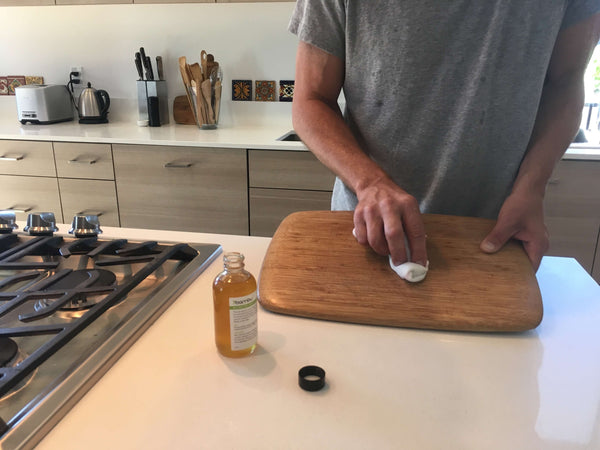
Your bamboo cutting board is more than just a kitchen tool—it’s an investment that deserves the best care. But do you know what oil to use to keep it looking fresh, strong, and resistant to cracks?
Using the wrong oil can dry out your board or even damage it over time. You’ll discover the simple, effective oils that protect your bamboo cutting board and extend its life. Keep reading to find out how a small step can make a big difference for your kitchen favorite.
Choosing The Right Oil
Oiling your bamboo cutting board keeps it strong and clean. The right oil stops cracks and warping.
Not all oils work well on bamboo. Some can spoil the wood or make it unsafe for food.
Food-safe Oils
Use oils safe for kitchen tools. These oils protect wood without harmful effects.
Common food-safe oils include mineral oil, walnut oil, and fractionated coconut oil.
- Mineral oil is odorless and tasteless
- Walnut oil dries hard and seals well
- Fractionated coconut oil resists rancidity
Mineral Oil Benefits
Mineral oil is popular for bamboo boards. It soaks in easily and keeps wood moist.
This oil does not go bad or smell. It helps stop water from damaging the board.
- Safe for food contact
- Dries slowly to protect wood
- Cheap and easy to find
- Does not leave sticky residue
Natural Oils To Avoid
Some natural oils can harm bamboo boards. They may turn sticky or smell bad over time.
Avoid oils like olive oil, vegetable oil, and flaxseed oil for cutting boards.
- Can go rancid and smell unpleasant
- Leave sticky or gummy spots
- Attract bacteria or mold

Credit: cheesegrotto.com
Applying Oil To Your Board
Oiling your bamboo cutting board keeps it strong and looks good. It stops cracks and warping.
Use the right oil and apply it the correct way to protect your board for a long time.
Preparation Steps
Clean your board with warm water and mild soap. Let it dry fully before oiling.
- Remove all food scraps from the surface.
- Wash with gentle soap and warm water.
- Dry the board completely with a towel.
- Let it air dry for a few hours to be sure.
Proper Application Techniques
Use a clean, soft cloth or paper towel to spread the oil evenly. Cover the entire surface.
| Step | Action |
| 1 | Pour a small amount of food-safe oil on the board |
| 2 | Rub oil in circular motions with cloth |
| 3 | Make sure edges and sides get oil too |
| 4 | Let the oil soak in for at least a few hours |
| 5 | Wipe off any extra oil with a dry cloth |
Frequency Of Oiling
Oil your bamboo board regularly to keep it healthy and water-resistant. How often depends on use.
- Oil new boards before first use.
- For daily use, oil once a month.
- If used less, oil every three months.
- Oil again if the board looks dry or dull.
Maintaining Bamboo Boards
Bamboo cutting boards are strong and eco-friendly. Proper care helps them last longer.
Using the right oil protects the board from cracking and drying out. This keeps it safe for food.
Cleaning Tips
Clean your bamboo board right after use. Avoid soaking it in water to stop warping.
Use mild soap and warm water. Rinse and dry with a clean towel quickly.
- Do not put the board in a dishwasher
- Use a soft sponge or cloth to clean
- Air dry standing up or on a rack
Avoiding Damage
Do not cut on your bamboo board with very sharp knives too hard. This can cause deep scratches.
Keep the board away from extreme heat or direct sunlight. This stops warping and cracking.
- Avoid soaking the board in water
- Do not place hot pots or pans on it
- Use both sides to spread wear
Signs Your Board Needs Oil
Your bamboo board needs oil if it looks dry or faded. Small cracks may also appear.
Oiling helps seal the wood and stops it from absorbing water and smells.
- Board feels rough or dry to touch
- Water does not bead on the surface
- Visible cracks or splits on the board

Credit: www.amazon.ca
Comparing Oils For Bamboo
Bamboo cutting boards need regular oiling to stay strong and water-resistant. Choosing the right oil helps protect the board and keeps it looking new.
This guide compares popular oils and treatments for bamboo cutting boards. Learn about mineral oil, coconut oil, beeswax blends, and more.
Mineral Oil Vs. Coconut Oil
Mineral oil is a common choice for bamboo boards. It soaks in well and does not go rancid. Coconut oil is natural and smells nice but can sometimes turn sticky over time.
| Oil Type | Pros | Cons |
| Mineral Oil | Non-toxic, odorless, long-lasting | Needs frequent reapplication |
| Coconut Oil | Natural, pleasant smell, easy to find | Can become sticky or rancid |
Beeswax Blends
Beeswax blends mix oils with beeswax for extra protection. The wax creates a barrier that seals the bamboo against moisture better than oil alone.
- Protects from water and stains
- Gives a smooth, polished finish
- May need warming before application
- Natural and safe for food use
Store-bought Vs. Homemade Oils
Store-bought oils are convenient and tested for safety. Homemade oils let you control ingredients but may need more care.
- Store-bought: Ready to use, consistent quality
- Homemade: Mix oils and waxes yourself
- Homemade oils may separate or spoil
- Store-bought often lasts longer on the board
Common Mistakes To Avoid
Choosing the right oil for your bamboo cutting board is important. Using the wrong oil can damage the board or cause it to smell bad. It is also easy to make mistakes in how you apply the oil or care for the board.
This guide covers common errors to avoid. Following these tips helps your bamboo board last longer and stay safe for food use.
Using Cooking Oils
Many people use cooking oils like olive or vegetable oil on bamboo boards. These oils can go bad and leave a sticky or rancid surface. This harms the board and your food.
- Do not use oils that can spoil easily.
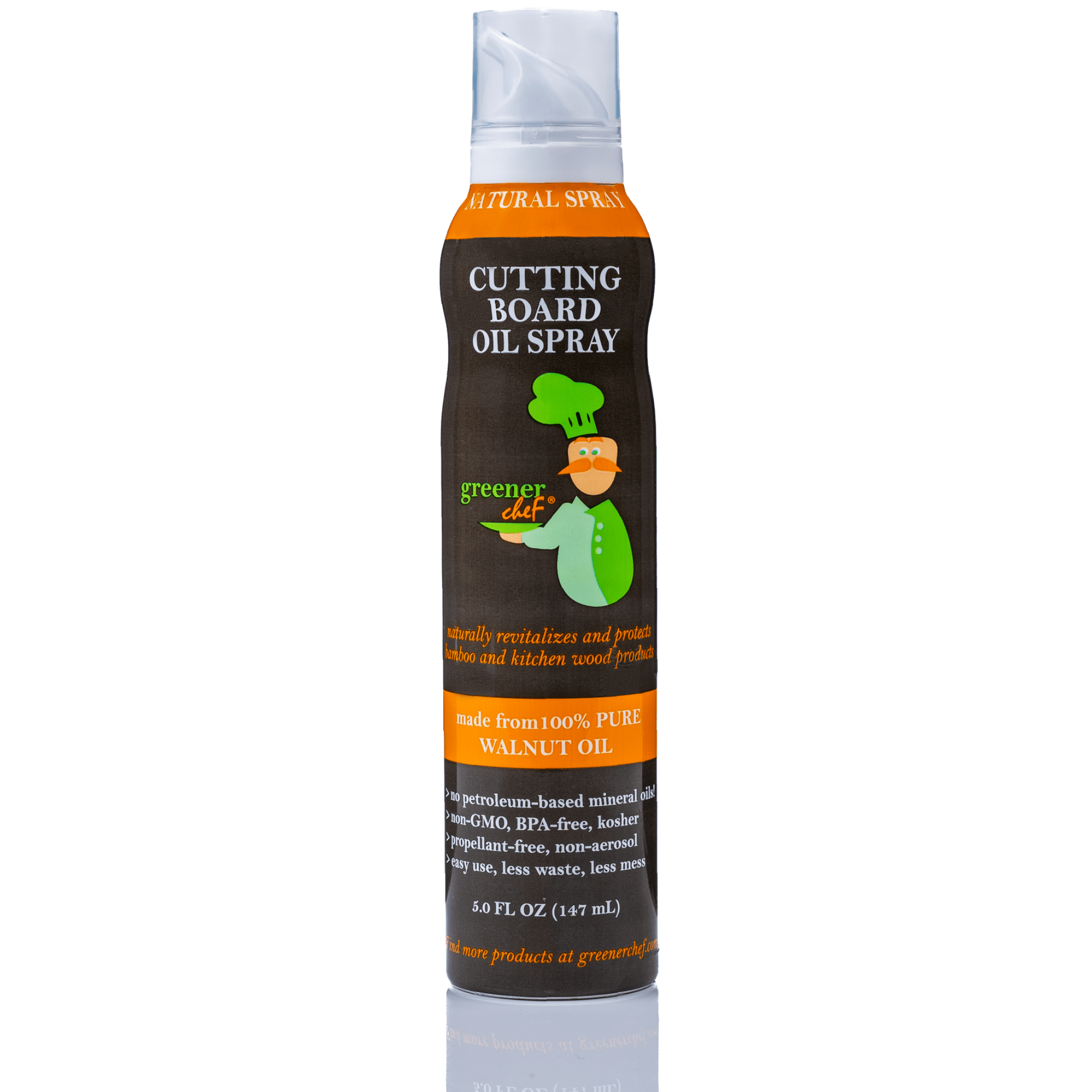
- Choose food-safe oils like mineral oil or beeswax oil.
- Avoid flavored or scented oils as they can transfer taste to food.
Over-oiling
Applying too much oil is a frequent mistake. Over-oiling makes the board sticky and attracts dust and dirt. It also slows drying and can cause the wood to become soft.
| Problem | Effect |
| Too much oil | Sticky surface, attracts dirt |
| Slow drying | Softens bamboo fibers |
| Uneven oiling | Patchy protection, weak spots |
Neglecting Regular Care
Ignoring regular cleaning and oiling reduces your board’s lifespan. Dirt and moisture can cause cracks or mold if not removed. Skipping oiling leaves the bamboo dry and brittle.
Tips for regular care:
- Clean the board with mild soap and water after use.
- Dry it thoroughly to avoid moisture damage.
- Oil the board every 1-2 months or when it looks dry.
- Store the board in a dry place away from direct sunlight.
Credit: greenerchef.com
Frequently Asked Questions
What Oil Is Best For Bamboo Cutting Boards?
Mineral oil is the best choice for bamboo cutting boards. It is food-safe and helps maintain the board’s moisture. Regular application prevents cracking and warping. Avoid using vegetable or olive oils as they can turn rancid over time. Always ensure the oil is FDA-approved for food contact.
Can I Use Coconut Oil On Bamboo Boards?
Coconut oil can be used on bamboo cutting boards. However, it may solidify in cooler temperatures. It’s a natural option and provides a protective barrier. Ensure it’s refined coconut oil to prevent any odor. Regular application keeps the board in good condition and enhances its durability.
How Often Should I Oil My Bamboo Board?
Oil your bamboo cutting board every two to four weeks. Frequency depends on usage and washing frequency. Regular oiling maintains the board’s integrity and prevents it from drying out. Always clean and dry the board before applying oil. This routine extends the board’s lifespan significantly.
Is Olive Oil Suitable For Bamboo Boards?
Olive oil is not recommended for bamboo cutting boards. It can become rancid over time, leading to unpleasant odors. Instead, use mineral oil or specialty cutting board oils. These options are food-safe and prevent the board from cracking. Proper maintenance ensures your board stays hygienic and functional.
Conclusion
Choosing the right oil helps keep your bamboo cutting board strong. Mineral oil is safe, easy to find, and protects wood well. Avoid vegetable oils that can go bad or smell. Regularly oiling your board stops cracks and keeps it smooth.
Clean your board before applying oil for best results. A well-oiled bamboo board lasts longer and works better. Simple care makes a big difference. Your kitchen tool stays fresh and ready to use. Keep it natural, keep it clean.