Have you ever wondered how plants make their own food? Understanding which part of a plant is responsible for this amazing process can change the way you see the green world around you.
Knowing this not only satisfies your curiosity but also helps you appreciate nature’s incredible design. You’ll discover the exact part of a plant that works like a tiny kitchen, turning sunlight into nourishment. Keep reading, and you’ll unlock the secret behind how plants feed themselves and why it matters to you.

Credit: karstennursery.com
Plant Parts Involved In Food Production
Plants make their own food through a process called photosynthesis. Different parts of the plant work together to produce food. Understanding these parts helps us learn how plants grow and survive.
Leaves, stems, and roots each have a special role in making and supporting food production. These parts help plants capture sunlight, take in water, and move nutrients.
Leaves As Food Factories
Leaves are the main site where plants make food. They contain a green pigment called chlorophyll. This pigment captures sunlight needed for photosynthesis.
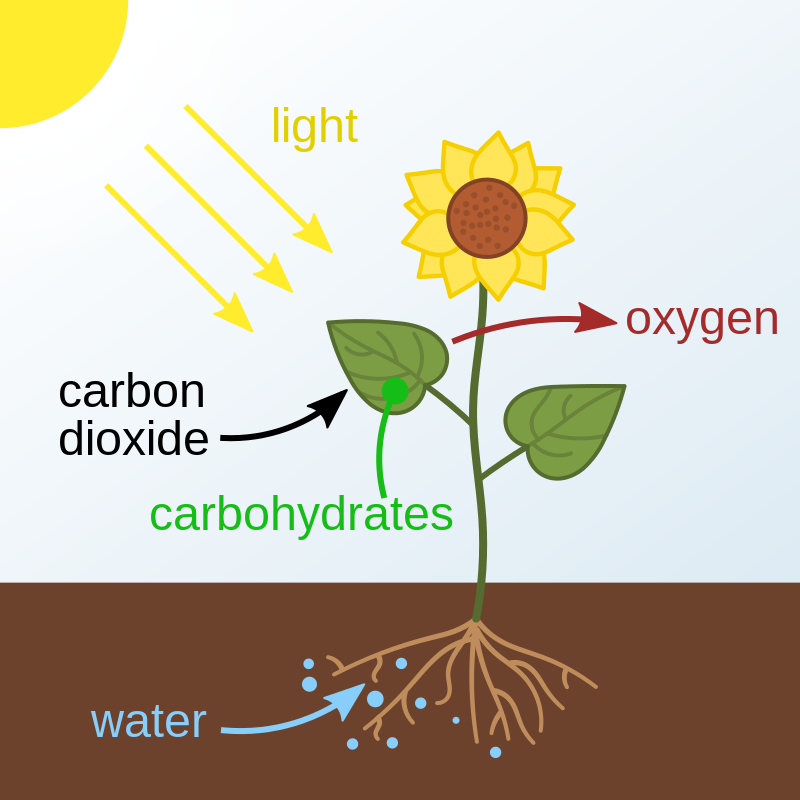
Inside the leaves, carbon dioxide from the air and water from the roots combine to make glucose. Glucose is the food that plants use for energy and growth.
- Leaves capture sunlight
- Chlorophyll helps absorb light
- Leaves take in carbon dioxide
- Glucose is produced for energy
Role Of Stems And Roots
Stems support the plant and act like highways. They carry water and nutrients from the roots to the leaves. They also move food made in the leaves to other parts.
Roots take in water and minerals from the soil. They anchor the plant in the ground and store extra food. Without roots, plants cannot get enough water to make food.
- Stems transport water and food
- Stems support leaves and flowers
- Roots absorb water and minerals
- Roots store extra food

Credit: askabiologist.asu.edu
How Leaves Produce Food
Leaves are the food factories of a plant. They use sunlight, water, and carbon dioxide to make food. This process is essential for the plant’s survival.
The process of making food in leaves is called photosynthesis. It happens in the green parts of the plant.
Chlorophyll And Photosynthesis
Chlorophyll is a green pigment in leaves. It captures sunlight, which is needed for photosynthesis. Without chlorophyll, plants cannot make food.
- Chlorophyll absorbs light energy.
- Energy splits water molecules.
- Oxygen is released as a by-product.
Sunlight Absorption
Leaves have a large surface area to absorb sunlight. Sunlight provides the energy for photosynthesis. This energy is crucial for making food.
Sunlight is captured by chlorophyll in the chloroplasts. This process happens in the daytime.
Carbon Dioxide And Water Use
Plants take in carbon dioxide from the air. They absorb water from the soil through their roots. Both are essential for making glucose, the plant’s food.
| Element | Source |
| Carbon Dioxide | Air |
| Water | Soil |
| Glucose | Produced in leaves |
Photosynthesis Process
Plants make their food using a process called photosynthesis. This happens mainly in the leaves of the plant.
Photosynthesis uses sunlight to turn water and carbon dioxide into food. This food is a type of sugar that plants need to grow.
Light Reactions
Light reactions happen in the chloroplasts of leaf cells. They use sunlight to make energy molecules.
Water is split during light reactions. This releases oxygen and creates energy carriers called ATP and NADPH.
- Sunlight is absorbed by chlorophyll
- Water molecules split into oxygen, protons, and electrons
- Oxygen is released into the air
- Energy carriers ATP and NADPH are made
Calvin Cycle
The Calvin cycle uses ATP and NADPH from the light reactions. It takes carbon dioxide from the air to make sugar.
This process happens in the stroma of chloroplasts. The sugar made is called glucose, which plants use as food.
- Carbon dioxide enters the leaf
- Energy from ATP and NADPH helps build glucose
- Glucose is stored or used for growth
Energy Storage And Transport
Plants make their own food using sunlight. This food is a type of sugar called glucose. Plants store and move this sugar to grow and stay healthy.
The leaves make the sugar, but other parts of the plant need it too. The plant uses special systems to store and carry sugar where it is needed.
Sugar Production
Leaves use sunlight to make sugar through photosynthesis. They turn water and carbon dioxide into glucose and oxygen. Glucose is the plant’s energy source.
Plants use glucose right away or change it into starch to store for later. Starch is a form of stored energy that plants can break down when they need fuel.
Phloem Function
The phloem is a special tissue in plants. It moves sugar from the leaves to other parts like roots and stems. This process is called translocation.
Phloem cells carry sugar in a watery solution. This helps the plant get energy to grow, repair, and store food in roots or fruits.
- Phloem carries glucose and other nutrients
- It moves food to growing parts and storage areas
- Phloem helps the plant stay healthy and strong
Factors Affecting Food Production
Plants make their food using a process called photosynthesis. The leaves play the main role in this process.
Several factors affect how well plants produce food. These factors influence the rate of photosynthesis.
Light Intensity
Light provides energy for photosynthesis. When light is bright, plants make food faster.
If light is too low, photosynthesis slows down. No light means no food production.
- High light intensity increases food production
- Low light intensity decreases food production
- Too much light can harm some plants
Water Availability
Water is essential for photosynthesis. Plants need water to produce glucose.
When there is not enough water, plants close their pores to save it. This slows down food making.
- Plenty of water helps plants make more food
- Water shortage reduces photosynthesis
- Too much water can damage roots
Carbon Dioxide Levels
Carbon dioxide is a key raw material for photosynthesis. Plants take it from the air.
Higher carbon dioxide levels can increase food production. Low levels limit photosynthesis.
- More carbon dioxide boosts food production
- Less carbon dioxide slows down photosynthesis
- Carbon dioxide must be available around leaves
Temperature
Temperature affects how fast chemical reactions happen. Photosynthesis works best in moderate heat.
Too low or too high temperatures slow down food making. Extreme heat can stop photosynthesis completely.
- Optimal temperature increases photosynthesis
- Cold temperatures reduce food production
- Hot temperatures can damage plant cells

Credit: sizzlekidz.com
Common Misconceptions
Many people think all parts of a plant make food. This is not true. Only certain parts create food through photosynthesis.
Understanding which parts make food helps us learn how plants grow and survive.
Roots Making Food
People often believe roots make food for the plant. Roots absorb water and nutrients from the soil. They do not make food.
Roots send water and minerals to the leaves. Leaves then use these to make food using sunlight.
Stems As Food Producers
Some think stems make food because they are green and strong. Stems support the plant and carry water and food.
Stems do not make food but help move food made in the leaves to other parts of the plant.
Frequently Asked Questions
Which Part Of A Plant Makes Its Food?
The leaves are the main part of a plant that makes food. They use sunlight, water, and carbon dioxide to create glucose through photosynthesis.
How Do Leaves Produce Food For Plants?
Leaves contain chlorophyll, which absorbs sunlight. This energy converts water and carbon dioxide into glucose, the plant’s food, releasing oxygen as a byproduct.
Can Other Plant Parts Make Food Besides Leaves?
Primarily, leaves make food, but green stems can also perform photosynthesis. Roots and flowers generally do not produce food.
Why Is Photosynthesis Important For Plant Food Production?
Photosynthesis is vital because it transforms light energy into chemical energy, producing glucose that fuels plant growth and development.
Conclusion
Plants make food in their leaves through a process called photosynthesis. Leaves take sunlight, water, and air to create energy. This energy helps the plant grow and stay healthy. Without leaves, plants cannot make food or survive. Understanding this helps us appreciate how important leaves really are.
Next time you see a plant, remember its leaves are busy making food every day. Simple but powerful!