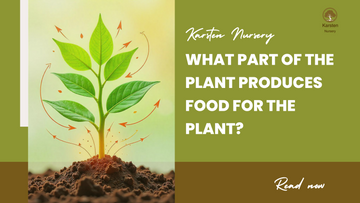
Have you ever wondered how plants feed themselves? You see them growing tall and green, but what part of the plant actually makes food?
Understanding this can change the way you look at every leaf and stem around you. You’ll discover the secret process plants use to create their own food, and why it matters to you and the world. Keep reading, and you’ll unlock the fascinating role that a simple part of the plant plays in nature’s grand design.
Credit: tasweeb.medium.com
Photosynthesis Process
Plants make their own food using sunlight. This process is called photosynthesis. It happens mainly in the leaves.
Photosynthesis changes light energy into food energy. This energy helps plants grow and live.
Role Of Chlorophyll
Chlorophyll is a green pigment in leaves. It helps plants capture sunlight. Without chlorophyll, plants cannot make food.
It absorbs light mostly from the blue and red parts of sunlight. This absorption starts the food-making process.
Light Absorption
Leaves absorb sunlight through tiny cells. The light provides energy for the plant. This energy breaks water molecules into oxygen and hydrogen.
- Sunlight hits the leaf surface.
- Chlorophyll captures the light energy.
- Water is split into oxygen and hydrogen.
- Oxygen is released into the air.
Conversion To Energy
| Stage | Description |
| Light Reaction | Light energy turns into chemical energy (ATP and NADPH). |
| Calvin Cycle | Energy from ATP and NADPH converts carbon dioxide into glucose. |
| Glucose Use | Glucose acts as food for growth and repair in plants. |
Leaves As Food Factories
Leaves are the main parts of plants that make food. They use sunlight to turn water and air into energy. This process is called photosynthesis.
The leaf acts like a factory where food is made. It has special structures that help create and move food throughout the plant.
Structure Of A Leaf
A leaf has several layers that help it make food. The top layer protects the leaf. Inside, cells contain chlorophyll, which captures sunlight.
The middle layer has many cells where photosynthesis happens. The bottom layer has tiny openings called stomata for gas exchange.
- Upper epidermis: protective outer layer
- Mesophyll: contains chlorophyll for photosynthesis
- Lower epidermis: has stomata for gas exchange
Stomata Function
Stomata are small holes on the leaf’s underside. They open and close to let gases in and out. This helps the leaf get carbon dioxide needed for food-making.
Stomata also release oxygen and water vapor. This process helps keep the plant cool and healthy.
- Allow carbon dioxide to enter the leaf
- Release oxygen produced in photosynthesis
- Help control water loss through evaporation
Veins And Nutrient Transport
Veins are inside the leaf and carry water and nutrients. They also move the food made in the leaf to other parts of the plant.
Veins have two main parts: xylem and phloem. Xylem moves water up from the roots. Phloem carries food to where the plant needs it.
- Xylem transports water and minerals to the leaf
- Phloem moves food from the leaf to stems and roots
- Veins support the leaf structure
Other Plant Parts Involved
Plants use different parts to make food and grow. Each part plays a vital role in the process.
Understanding these roles helps us appreciate how plants survive and thrive.
Stem’s Support Role
The stem holds the plant upright and transports nutrients. It acts like a highway for water and food.
- Supports leaves for sunlight exposure
- Transports water from roots to leaves
- Moves nutrients to different parts of the plant
Roots And Water Uptake
Roots anchor the plant and absorb water. They take minerals from the soil for growth.
| Root Function | Description |
| Anchorage | Keeps the plant stable |
| Absorption | Takes in water and minerals |
| Storage | Stores food and nutrients |
Flowers And Reproduction
Flowers are key for plant reproduction. They produce seeds for new plants.

Credit: askabiologist.asu.edu
Environmental Factors
Plants make food through photosynthesis. This process depends on the environment. Different factors like sunlight, water, and air affect food production.
Understanding these factors helps us see how plants grow and stay healthy. Each factor plays a key role in how much food a plant can make.
Sunlight And Temperature
Sunlight provides energy for plants to make food. Without enough light, plants cannot produce enough energy.
Temperature affects how fast plants perform photosynthesis. Too hot or too cold slows down the process.
- Plants need moderate sunlight for best food production.
- Temperatures between 60°F and 80°F work well for most plants.
- Extreme temperatures can damage plant cells.
Water Availability
Water is essential for photosynthesis. It helps transport nutrients and keeps plant cells healthy.
Without enough water, plants wilt and stop making food efficiently.
| Water Level | Effect on Photosynthesis |
| High | Good nutrient transport and food production |
| Moderate | Normal photosynthesis rate |
| Low | Reduced photosynthesis, plant stress |
| None | Photosynthesis stops, plant dies |
Carbon Dioxide Levels
Carbon dioxide (CO₂) is a key ingredient for food making in plants. It enters leaves through tiny openings.
More CO₂ usually means more food production, but only up to a point.
Here are some facts about CO₂ and photosynthesis:
- Plants absorb CO₂ during daylight.
- Too little CO₂ limits food production.
- Too much CO₂ may not increase photosynthesis further.
Importance Of Plant Food Production
Plants make their own food through a process called photosynthesis. This process happens mainly in the leaves. It helps plants grow and gives energy to other living things.
Plant food production is important for life on Earth. It supports animals and humans by providing food and oxygen.
Foundation Of Food Chains
Plants are the base of most food chains. They produce food that animals eat. Without plants, animals would have no energy source.
When animals eat plants, they get energy. Then, other animals eat those animals. This cycle keeps the ecosystem alive.
Oxygen Release
During photosynthesis, plants release oxygen into the air. This oxygen is essential for humans and animals to breathe.
Oxygen from plants helps keep the air clean and supports all life on Earth.
Impact On Ecosystems
Plant food production supports many ecosystems. It provides energy to herbivores and helps maintain balance in nature.
- Plants help soil stay healthy
- They provide homes for insects and animals
- Plants help control air and water quality

Credit: www.teacherspayteachers.com
Frequently Asked Questions
What Part Of The Plant Produces Food?
The leaves are the main food-producing part of a plant. They use sunlight, water, and carbon dioxide to make food through photosynthesis. Chlorophyll in the leaves captures sunlight, turning it into energy and producing glucose, which fuels the plant’s growth and development.
How Do Leaves Make Food For Plants?
Leaves make food by photosynthesis. They absorb sunlight through chlorophyll and take in carbon dioxide from the air. Using water from the roots, leaves convert these into glucose and oxygen. This glucose serves as energy and building material for the plant’s growth.
Why Are Chloroplasts Important In Food Production?
Chloroplasts contain chlorophyll, which captures sunlight for photosynthesis. They are vital because they convert solar energy into chemical energy. Without chloroplasts, plants cannot make food, affecting their survival and growth.
Can Other Plant Parts Make Food Besides Leaves?
While leaves are the primary food makers, some green stems can perform photosynthesis. However, roots and flowers do not make food. Leaves remain the most efficient and critical part for food production.
Conclusion
Plants make their own food mainly in their leaves. Leaves capture sunlight and turn it into energy. This process is called photosynthesis. Water and air help leaves create food for the plant. Without leaves, plants would not grow well. Roots and stems support the plant but do not make food.
Knowing this helps us understand how plants live and grow. Next time you see a plant, think about its leaves working hard. Simple, yet amazing.