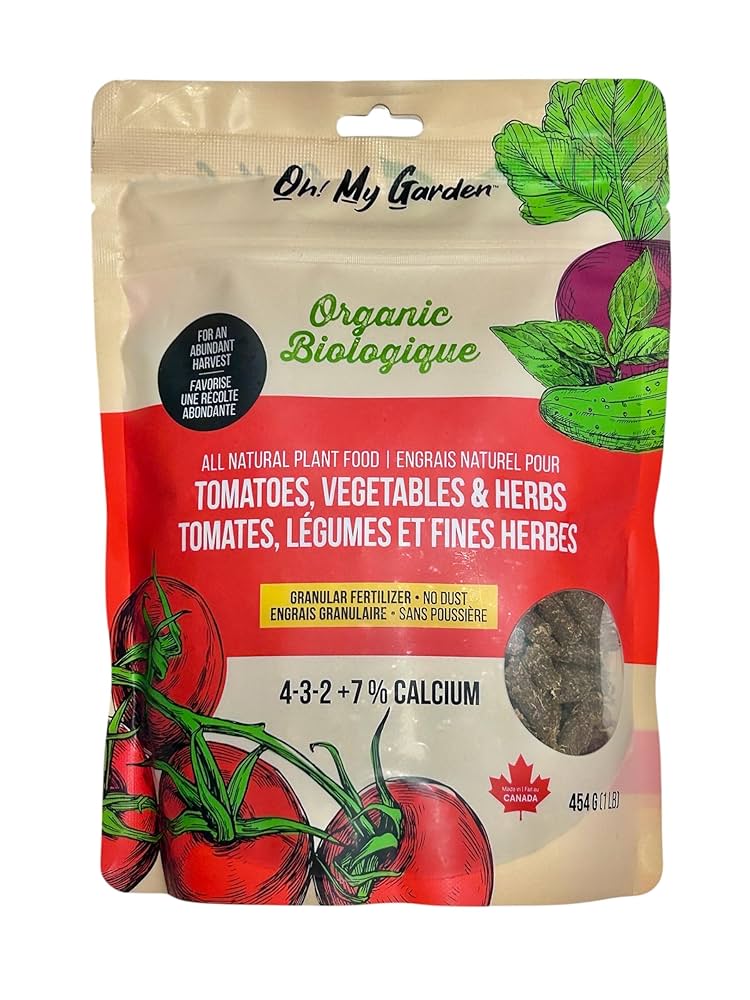
Are you growing tomatoes and wondering what plant food will help your plants thrive? Choosing the right nutrients can make all the difference between a few small fruits and a bountiful harvest.
Your tomatoes need more than just water and sunlight—they need specific food to grow strong, resist disease, and produce juicy, flavorful fruit. You’ll discover exactly what plant food works best for your tomatoes and how to use it to get the most from your garden.
Keep reading to unlock the secret to healthier, tastier tomatoes this season!
Choosing The Right Fertilizer
Tomatoes need the right nutrients to grow well. Choosing the right fertilizer is important for healthy plants.
Understanding different types of fertilizers helps you make the best choice for your tomatoes.
Types Of Fertilizers For Tomatoes
There are many types of fertilizers available. Each type has its own benefits for tomato growth.
- Granular fertilizers are easy to use and last longer.
- Liquid fertilizers provide quick nutrient absorption.
- Slow-release fertilizers offer a steady nutrient supply.
Organic Vs. Synthetic Options
Fertilizers can be organic or synthetic. Each option has different effects on your tomato plants.
- Organic fertilizers improve soil health naturally.
- Synthetic fertilizers provide fast nutrient delivery.
- Consider environmental impact when choosing fertilizers.
Balanced Nutrient Ratios
Tomatoes need a balanced mix of nutrients. The right nutrient ratio is key for healthy plants.
| Nutrient | Importance |
| Nitrogen | Leaf growth |
| Phosphorus | Root and fruit development |
| Potassium | Overall plant health |
Key Nutrients For Tomato Growth
Tomatoes need special nutrients to grow healthy and produce fruit. Good plant food helps tomatoes get these nutrients.
Understanding the key nutrients helps you choose the right fertilizer for your tomato plants.
Importance Of Nitrogen
Nitrogen helps tomato plants grow strong leaves and stems. It is essential for making chlorophyll.
Too little nitrogen makes plants weak. Too much causes leafy plants with few tomatoes.
Role Of Phosphorus
Phosphorus helps roots grow deep and strong. It also supports flowers and fruit development.
Tomatoes need phosphorus especially when they start to bloom and set fruit.
Benefits Of Potassium
Potassium improves tomato fruit size and taste. It helps plants resist diseases and stress.
Good potassium levels make tomatoes firm and help them store longer after harvest.
Micronutrients To Consider
Tomatoes also need small amounts of micronutrients like calcium, magnesium, and iron. These help many plant functions.
- Calcium prevents blossom end rot in tomatoes.
- Magnesium helps with photosynthesis.
- Iron supports healthy leaf color.
- Zinc and manganese aid growth and fruit quality.
When To Feed Tomato Plants
Tomato plants need the right food at the right time. Feeding helps them grow strong and produce many fruits.
Knowing when to feed your tomato plants can improve their health and yield. Different stages need different nutrients.
Feeding During Seedling Stage
Seedlings need gentle feeding to build roots and leaves. Use a weak, balanced fertilizer to avoid burning young plants.
Feed seedlings every 1 to 2 weeks with diluted fertilizer. This helps them grow healthy and strong before transplanting.
- Use a balanced fertilizer like 10-10-10 or 5-5-5
- Dilute fertilizer to half strength
- Feed every 7 to 14 days
Fertilizing At Flowering
When flowers appear, plants need more phosphorus and potassium. These nutrients support flower and fruit formation.
Use a fertilizer higher in phosphorus and potassium at this stage. This encourages more blossoms and healthy fruit set.
- Choose fertilizer with more phosphorus (middle number)
- Examples: 5-10-10 or 8-16-16
- Apply every 2 weeks during flowering
Boosting Fruit Development
Fruits need extra nutrients to grow big and tasty. Feed tomato plants with fertilizers rich in potassium during fruiting.
Potassium helps improve fruit size, color, and taste. Continue feeding every 1 to 2 weeks until harvest for best results.
- Use high potassium fertilizers like 3-5-10 or 2-8-12
- Do not overfeed nitrogen at this stage
- Feed regularly until fruits are ripe

Credit: www.gardenary.com
Application Methods
Feeding tomatoes properly helps them grow strong and produce tasty fruits. There are different ways to apply plant food to tomatoes.
Choosing the right method can improve nutrient absorption and plant health.
Soil Incorporation
Soil incorporation means mixing plant food directly into the soil. This method gives roots easy access to nutrients.
You can work fertilizer into the soil before planting or during the growing season.
- Apply fertilizer evenly around the tomato plants
- Mix it well into the top few inches of soil
- Water the soil after to help nutrients reach roots
Foliar Feeding
Foliar feeding means spraying liquid plant food on tomato leaves. Plants absorb nutrients quickly this way.
This method works best for quick nutrient boosts during growth or stress.
- Use a spray bottle or garden sprayer
- Apply in early morning or late afternoon to avoid sunburn
- Spray leaves evenly but avoid heavy runoff
Using Compost And Mulch
Compost and mulch add nutrients slowly and improve soil health. They feed tomatoes over time.
Spread compost or mulch around the base of tomato plants to keep soil moist and fertile.
- Apply a layer of compost before planting
- Use organic mulch like straw or leaves to cover soil
- Refresh mulch regularly to maintain soil quality
Common Feeding Mistakes
Tomatoes need the right food to grow healthy and produce fruit. Feeding mistakes can cause problems with growth and yield.
Knowing what to avoid helps keep your tomato plants strong and productive. Here are common feeding mistakes to watch out for.
Overfeeding Risks
Too much fertilizer can hurt tomato plants. Overfeeding makes plants grow too fast and weak.
Excess nitrogen causes lots of leaves but fewer tomatoes. It can also burn roots and damage soil life.
- Leafy plants with little fruit
- Yellow or brown leaf edges
- Root damage and poor soil health
Underfeeding Signs
Not feeding enough stops tomatoes from growing well. Plants look weak and do not produce fruit.
Low nutrients cause yellow leaves, slow growth, and small tomatoes. These signs show your plants need more food.
- Yellowing or pale leaves
- Slow or stunted growth
- Few or tiny tomatoes
Avoiding Nutrient Imbalances
Tomatoes need a balance of nutrients to stay healthy. Too much of one nutrient can block others.
Check your fertilizer mix and soil regularly. Balanced feeding helps plants absorb all needed nutrients well.
- Use fertilizers made for tomatoes
- Test soil nutrient levels yearly
- Follow feeding instructions carefully

Credit: hortimed.com
Enhancing Growth Naturally
Tomatoes need the right food to grow strong and healthy. Natural ways help plants get the nutrients they need.
Using natural methods improves tomato growth without chemicals. This supports a healthy garden.
Companion Planting
Planting tomatoes near certain plants helps them grow better. Some companions keep pests away and add nutrients.
- Basil improves tomato flavor and repels insects.
- Marigolds keep nematodes and harmful bugs away.
- Garlic and onions can reduce fungal diseases.
- Carrots loosen soil around tomato roots.
- Chives help deter aphids and other pests.
Improving Soil Health
Healthy soil gives tomatoes the nutrients they need. Adding organic matter helps soil stay rich and loose.
| Soil Additive | Benefit |
| Compost | Provides nutrients and improves soil structure |
| Worm Castings | Enhances soil microbes and nutrient availability |
| Bone Meal | Supplies phosphorus for strong roots |
| Seaweed Extract | Boosts plant immunity and growth hormones |
Watering Tips For Nutrient Uptake
Water helps tomato plants absorb nutrients from soil. Proper watering keeps roots healthy and active.
- Water deeply to reach roots.
- Use mulch to keep soil moist.
- Water early in the day to reduce evaporation.
- Avoid wetting leaves to prevent disease.
- Keep soil evenly moist but not soggy.

Credit: www.amazon.ca
Frequently Asked Questions
What Is The Best Fertilizer For Tomato Plants?
The best fertilizer for tomatoes is one high in phosphorus and potassium. Balanced NPK fertilizers like 5-10-10 support strong roots and fruit development. Organic options such as compost or fish emulsion also improve soil health and boost tomato growth effectively.
How Often Should I Feed Tomato Plants?
Tomato plants should be fed every 2 to 3 weeks during the growing season. Regular feeding ensures consistent nutrient supply for healthy growth and fruit production. Avoid over-fertilizing, which can cause leaf growth but reduce fruit yield.
Can I Use Homemade Plant Food For Tomatoes?
Yes, homemade plant food like compost tea or diluted fish emulsion works well. These natural fertilizers provide essential nutrients and improve soil structure. Homemade options are eco-friendly and safe for tomatoes, promoting better growth without chemical buildup.
Should I Use Liquid Or Granular Fertilizer For Tomatoes?
Both liquid and granular fertilizers work well for tomatoes. Liquid feeds provide quick nutrient absorption, ideal during flowering and fruiting. Granular fertilizers release nutrients slowly, supporting steady growth. Combining both can optimize tomato nutrition throughout the season.
Conclusion
Choosing the right plant food helps tomatoes grow strong and healthy. Balanced nutrients support bright green leaves and tasty fruit. Regular feeding keeps plants from getting weak or sick. Organic options improve soil and feed plants gently. Always follow feeding instructions to avoid overdoing it.
Good care leads to a better tomato harvest. Simple steps make gardening easier and more fun. Healthy plants mean fresh tomatoes on your table. Keep feeding, watering, and watching your garden grow.