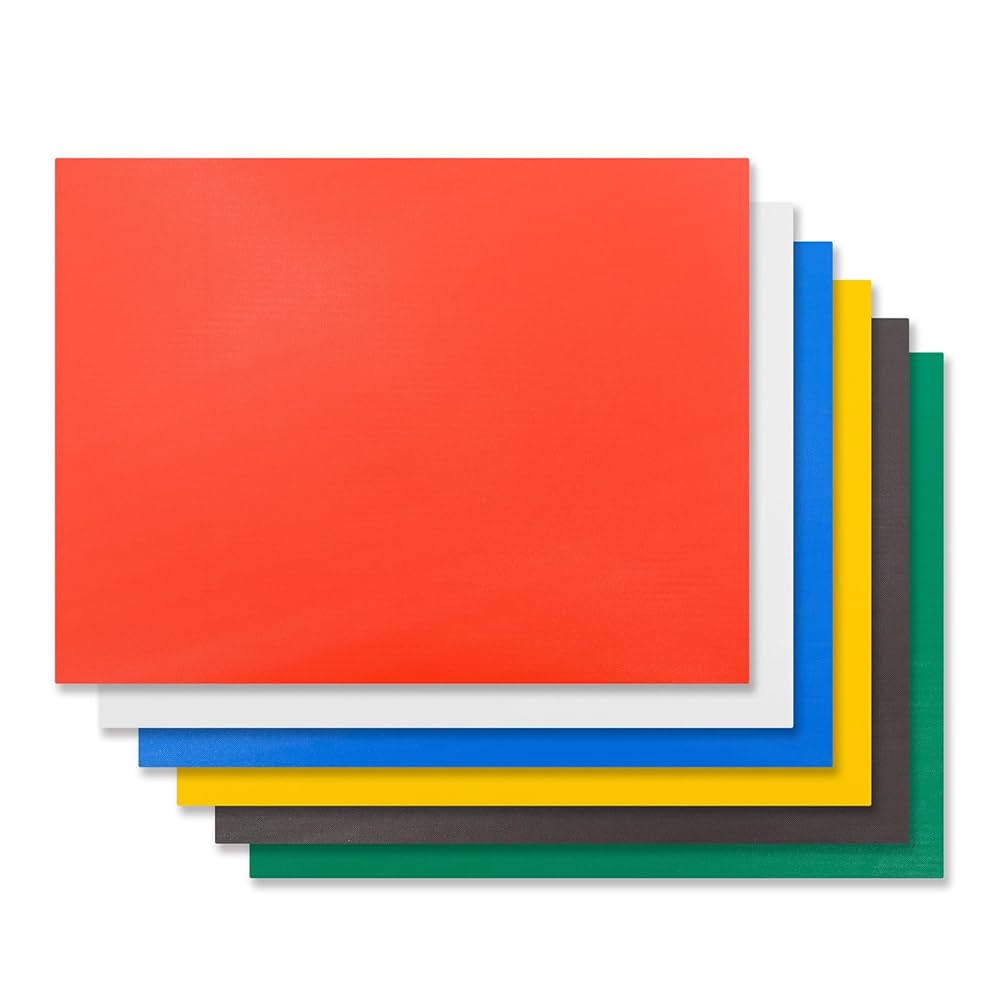
Have you ever wondered what plastic your cutting board is made of? Knowing this can help you choose a safer, more durable option for your kitchen.
The type of plastic affects how your board holds up to knives, resists bacteria, and even how easy it is to clean. You’ll discover the common plastics used in cutting boards and why it matters for your health and cooking experience.
Keep reading—you might be surprised by what’s hiding in your kitchen!
Types Of Plastic Used
Cutting boards come in many plastic types. Each type has unique traits. These plastics affect durability and safety.
Understanding the common plastics helps you choose the right cutting board. Here are the main types used in cutting boards.
Polyethylene Varieties
Polyethylene is the most common plastic for cutting boards. It is safe, strong, and easy to clean. There are two main forms used:
- High-Density Polyethylene (HDPE) – Tough and durable. Resists cuts and stains.
- Low-Density Polyethylene (LDPE) – Softer and more flexible. Used less often for boards.
HDPE is preferred for its hardness and resistance to bacteria. It is FDA-approved for food contact.
Polypropylene Features
Polypropylene is another plastic used in cutting boards. It is slightly harder than polyethylene. This plastic handles heat better.
| Feature | Polypropylene |
| Durability | High |
| Heat Resistance | Up to 100°C (212°F) |
| Flexibility | Moderate |
| Food Safety | FDA-approved |
Polypropylene cutting boards are good for heavy use. They do not absorb water or odors easily.
Other Plastic Materials
Some cutting boards use other plastics like acrylic or nylon. These materials offer unique benefits but are less common.
- Acrylic – Clear and hard, but can scratch easily.
- Nylon – Very tough and resistant to cuts.
- Recycled Plastics – Eco-friendly options with varied properties.
Choosing the right plastic depends on how you use your cutting board. Consider durability, safety, and maintenance.

Credit: www.amazon.com
Properties Affecting Cutting Boards
Cutting boards are essential in kitchens. They come in various materials, including plastic. Plastic cutting boards have unique properties that affect their performance. Understanding these properties helps in choosing the right board.
The type of plastic used in cutting boards impacts their durability, knife friendliness, and resistance to bacteria. Let’s explore these properties further.
Durability And Hardness
Plastic cutting boards are durable and long-lasting. They are often made from high-density polyethylene (HDPE) or polypropylene. These plastics are tough and can withstand heavy use without damage.
Hardness is important in a cutting board. A hard surface resists scratches and dents. This keeps the board smooth and clean over time.
- HDPE is known for its strength and impact resistance
- Polypropylene offers a good balance of hardness and flexibility
Knife Friendliness
Knife friendliness is crucial for cutting boards. A board that is too hard can dull knives quickly. Plastic boards provide a good balance, protecting both the board and the knife.
Plastic boards are gentle on knives. They allow for smooth cutting without chipping the blade. This helps in maintaining the sharpness of knives for a longer time.
- Plastic boards reduce wear on knife edges
- They provide a soft surface for easy cutting
Resistance To Bacteria
Hygiene is vital in food preparation. Plastic cutting boards are designed to resist bacteria. Their non-porous surface prevents bacteria from seeping in.
These boards are easy to clean. A simple wash with soap and water removes most bacteria. Some plastic boards are even dishwasher safe, ensuring thorough cleaning.
- Non-porous surface prevents bacterial growth
- Easy to sanitize and maintain hygiene
- Dishwasher safe options available
Food Safety Considerations
Cutting boards must be safe to use with food. The material they are made from affects health. Knowing about food safety helps prevent illness.
Plastic cutting boards are common. They come in different types of plastic. Each type has rules to keep food safe.
Fda Regulations
The Food and Drug Administration (FDA) sets rules for plastic cutting boards. These rules ensure materials are safe for food contact. Only approved plastics can be used in cutting boards.
- Plastics must not release harmful chemicals
- Materials must resist stains and odors
- Cutting boards must be easy to clean
- The plastic should not crack or peel
Non-toxic Materials
Plastic cutting boards should be made of non-toxic materials. Common plastics include polyethylene and polypropylene. These plastics do not harm food or health.
| Plastic Type | Safety Feature |
| High-Density Polyethylene (HDPE) | Non-porous and easy to clean |
| Polypropylene (PP) | Resistant to chemicals and heat |
| Low-Density Polyethylene (LDPE) | Flexible but less durable |
Avoiding Contamination
Using plastic cutting boards correctly helps avoid contamination. Clean boards prevent bacteria growth. Separate boards for meat and vegetables lower risks.
- Wash boards with hot, soapy water after use
- Replace boards when deep cuts appear
- Use color-coded boards for different foods
- Dry boards completely before storage

Credit: www.ebay.com
Plastic Vs Other Materials
Cutting boards come in many materials. Plastic is one popular choice for kitchens.
Other materials like wood, bamboo, and composites offer different benefits. Knowing the differences helps you pick the best board.
Wooden Vs Plastic Boards
Wooden boards are strong and gentle on knives. They can last a long time if cared for well.
Plastic boards are lighter and easier to clean. They can go in the dishwasher and resist stains.
- Wooden boards absorb juices and need hand washing
- Plastic boards do not absorb liquids and can be sanitized easily
- Wood can dull knives slower than plastic
- Plastic boards may show cuts and wear faster
Bamboo And Composite Options
Bamboo boards are eco-friendly and harder than wood. They resist water but can be rough on knives.
Composite boards mix wood fibers and resin. They are durable and less porous than wood.
- Bamboo grows fast and is renewable
- Composite boards resist stains and cracking
- Bamboo can be harder to maintain than plastic
- Composite boards combine benefits of wood and plastic
Maintaining Plastic Cutting Boards
Plastic cutting boards are common in kitchens. They are durable but need care to last.
Proper maintenance keeps them safe and clean for food preparation.
Cleaning Techniques
Clean plastic cutting boards after every use to avoid bacteria buildup. Use hot, soapy water to wash them well.
- Scrub with a sponge or brush to remove food particles.
- Rinse with clean water to remove soap.
- Sanitize by soaking in a mixture of water and bleach for a few minutes.
- Dry completely before storing to prevent mold.
Avoiding Warping And Cracking
Plastic boards can warp or crack if exposed to heat or rough use. Avoid putting them in the dishwasher if they are not dishwasher safe.
| Cause | Prevention |
| High heat exposure | Hand wash with warm water, avoid hot dishwasher cycles |
| Cutting with sharp knives | Use gentle cutting motions, replace when deep grooves form |
| Dropping or bending | Handle carefully, store flat |
When To Replace
Replace plastic cutting boards if they show deep cuts or cracks. These can trap bacteria and cause food safety issues.
- Check for deep grooves regularly.
- Replace if the board is warped or cracked.
- Consider replacement if it retains odors after cleaning.

Credit: www.amazon.com
Eco-friendly Plastic Choices
Cutting boards are often made from plastic for durability and ease of cleaning. Choosing eco-friendly plastics helps reduce waste and pollution.
There are options that use recycled materials or break down naturally. These choices are better for the environment.
Recycled Plastics
Recycled plastics come from used plastic products. They are melted and formed into new cutting boards.
This process saves resources and reduces landfill waste. Recycled cutting boards are strong and safe for kitchen use.
- Made from post-consumer plastic waste
- Reduces need for new plastic production
- Durable and long-lasting
- Often BPA-free and food safe
Biodegradable Alternatives
Biodegradable plastics break down naturally over time. They are made from plant-based materials like cornstarch or cellulose.
These cutting boards reduce plastic pollution. They are a good choice for eco-conscious consumers.
- Made from renewable resources
- Break down in compost or soil
- Non-toxic and safe for food use
- Help reduce plastic waste in nature
Frequently Asked Questions
What Types Of Plastic Are Cutting Boards Made From?
Cutting boards are commonly made from polyethylene, polypropylene, and sometimes nylon. These plastics are durable, non-porous, and food-safe, making them ideal for kitchen use.
Why Is Polyethylene Popular For Cutting Boards?
Polyethylene is popular because it is tough, resistant to moisture, and easy to clean. It also prevents bacterial growth, ensuring safe food preparation.
Are Plastic Cutting Boards Safer Than Wooden Ones?
Plastic cutting boards are easier to sanitize and dishwasher-safe. However, wooden boards can be naturally antimicrobial but require more care to prevent damage.
Can Plastic Cutting Boards Dull Knives?
Plastic cutting boards are gentle on knives compared to glass or ceramic. They help maintain sharp edges longer during regular kitchen use.
Conclusion
Plastic cutting boards come in different types like polyethylene and polypropylene. These materials are strong and safe for food use. They resist stains and cuts well, making them last longer. Choosing the right plastic helps keep your kitchen clean and healthy.
Remember to clean cutting boards properly after each use. This simple step prevents germs from spreading. Understanding what plastic your cutting board has makes cooking safer and easier. Simple care keeps your cutting board in good shape for years.