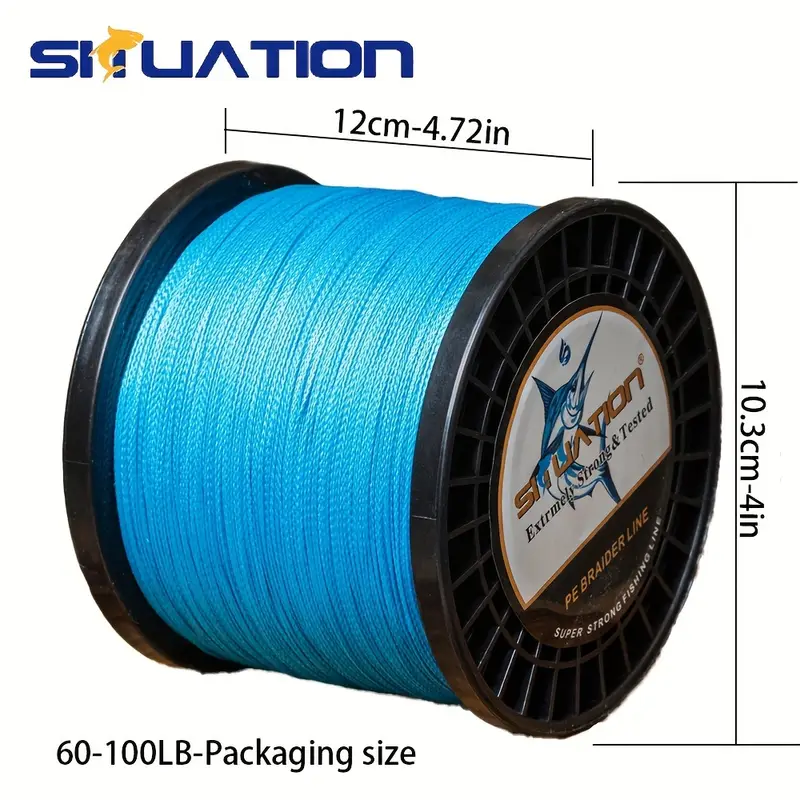
Choosing the right pound test fishing line for saltwater can make all the difference between landing a big catch and losing your prize. You want a line strong enough to handle powerful fish but also smooth and reliable to avoid frustrating breaks.
If you’ve ever felt confused about what pound test to pick or worried about your line snapping at the worst moment, this guide is made just for you. Keep reading, and you’ll discover exactly how to select the perfect pound test fishing line that matches your saltwater fishing needs—so you can focus on reeling in success every time.
Choosing Line Strength
Selecting the right pound fishing line is key for saltwater fishing success. The line strength helps you handle fish and conditions.
Picking the correct line prevents breakage and improves your catch rate. Let’s look at factors that influence your choice.
Factors Influencing Line Selection
Saltwater fishing has many variables. The type of fish, water conditions, and gear all affect the line strength you need.
- Water depth and clarity
- Saltwater corrosion resistance
- Type of fishing rod and reel
- Expected fish size and fight
Fish Species And Size
Different fish need different line strengths. Larger fish need stronger lines to avoid breakage.
| Fish Species | Average Size | Recommended Line Strength (lbs) |
| Redfish | 20-30 lbs | 15-20 |
| Snook | 15-35 lbs | 20-30 |
| Tuna | 30-100 lbs | 50-80 |
| Tarpon | 50-150 lbs | 60-100 |
| Snapper | 10-25 lbs | 12-20 |
Fishing Techniques
Your fishing method changes the line strength you need. Some techniques put more strain on the line.
- Bottom fishing: Use heavier line for rough reefs and structure.
- Live bait fishing: Moderate line strength to handle fish runs.
- Surf fishing: Strong line to cast far and fight strong fish.
- Light tackle: Use lighter line for finesse and clear water.

Credit: rumbointerior.com
Common Pound Test Ranges
Choosing the right pound test for saltwater fishing line is important. It depends on the size of fish you want to catch. Using the correct strength helps avoid losing fish or breaking your line.
This guide covers common pound test ranges. It divides them into lightweight, medium, and heavy duty lines. Each type works best for certain fish sizes and conditions.
Lightweight Lines For Small Fish
Lightweight lines usually range from 4 to 10 pounds test. They suit small fish like snapper, trout, or small mackerel. These lines offer good sensitivity and less drag in the water.
- 4 lb test: Best for very small fish and light tackle setups
- 6 lb test: Good for slightly bigger small fish
- 8 lb test: Handles small fish with some extra strength
- 10 lb test: A strong line for small to medium fish
Medium Strength Lines
Medium strength lines range from 12 to 25 pounds test. They work well for medium-sized fish like redfish, snook, or small tuna. These lines balance strength and flexibility.
| Test Range (lbs) | Typical Fish | Use Case |
|---|---|---|
| 12-15 | Redfish, snook | Light saltwater fishing, inshore |
| 20-25 | Small tuna, larger snook | Nearshore fishing, moderate strength |
Heavy Duty Lines For Big Game
Heavy duty lines range from 30 pounds test and up. They are for big fish like tarpon, shark, or large tuna. These lines have high abrasion resistance and breaking strength.
- 30-50 lbs: Suitable for large inshore and small offshore fish
- 60-80 lbs: Used for big offshore fish and heavy cover fishing
- 100+ lbs: For very large game fish like sharks and giant tuna
Line Materials And Strength
Choosing the right fishing line for saltwater is crucial. It affects your fishing success and equipment durability. Different lines have unique characteristics.
Understanding the materials and their strengths will help you decide. Let’s explore the options available for saltwater fishing.
Monofilament Characteristics
Monofilament lines are popular among saltwater anglers. They are made from a single strand of nylon. This makes them stretchy and flexible.
- Good for beginners due to easy handling
- Offers adequate stretch, reducing line breakage
- Available in various colors for visibility
Braided Line Advantages
Braided lines are known for their strength and sensitivity. They consist of woven fibers, making them durable and resistant to abrasion.
| Feature | Benefit |
| High strength-to-diameter ratio | Allows for longer casts |
| Little to no stretch | Improves sensitivity |
| Excellent for deep-sea fishing | Handles large fish easily |
Fluorocarbon Strengths
Fluorocarbon lines are almost invisible underwater. They are denser than water, which helps them sink quickly. This makes them ideal for saltwater fishing.
Saltwater Conditions Impact
Saltwater fishing demands strong and durable fishing line. The ocean environment affects the line’s strength and lifespan. Choosing the right pound test is key for success.
Saltwater can cause damage that weakens fishing lines quickly. Knowing these effects helps pick the best line for saltwater use.
Saltwater Corrosion Effects
Saltwater is very corrosive to fishing lines. It can break down the fibers or coatings on the line. This damage lowers the line’s strength over time.
Lines made from materials that resist corrosion last longer in saltwater. Regular rinsing with fresh water helps reduce corrosion. Choosing corrosion-resistant lines is important.
Abrasion Resistance Needs
Saltwater fishing often exposes line to rough surfaces like rocks, shells, and coral. Abrasion can cause the line to fray or break. Lines with high abrasion resistance work best.
Stronger abrasion resistance means less chance of line damage during fishing. Thicker or braided lines usually resist abrasion better than thin monofilament.
- Braided lines offer excellent abrasion resistance
- Monofilament lines can weaken quickly from abrasion
- Fluorocarbon lines resist abrasion and are nearly invisible
Line Stretch Considerations
Stretch in fishing line affects sensitivity and control. Saltwater fish often fight hard, so line stretch can help absorb shock. But too much stretch reduces hook-setting power.
Monofilament lines stretch more than braided lines. Braided lines have little stretch, which gives better bite feel but less shock absorption. Pick the right stretch for your fishing style.
- Monofilament: High stretch, good shock absorption
- Fluorocarbon: Moderate stretch, good sensitivity
- Braided: Low stretch, high sensitivity and strength
Matching Line To Rod And Reel
Choosing the right fishing line for saltwater depends on your rod and reel. The line must suit both to work well.
This guide explains how rod power, reel limits, and balance affect your choice of fishing line.
Rod Power And Line Strength
Rod power shows how much weight the rod can handle. A stronger rod needs a stronger line. Using a line too weak can break it easily.
- Light power rods work best with light lines (10-20 lb test).
- Medium power rods suit medium lines (20-30 lb test).
- Heavy power rods need strong lines (30+ lb test).
Reel Capacity Limits
Reels have limits on how much line they hold and the line strength they can handle. Overloading a reel causes problems.
| Reel Size | Line Capacity (Yards) | Recommended Line Strength (lbs) |
| 1000-2000 | 100-150 | 6-12 |
| 3000-4000 | 150-200 | 12-20 |
| 5000-6000 | 200-300 | 20-30 |
| 7000+ | 300+ | 30-50+ |
Balancing Line And Tackle
Balance between line strength and your rod and reel is key. Too strong a line can strain the rod or reel. Too weak a line can break on big fish.
- Match line strength to rod power to avoid damage.
- Check reel limits to prevent overloading.
- Consider the type of fish you want to catch.
- Use line that works well with your fishing style.
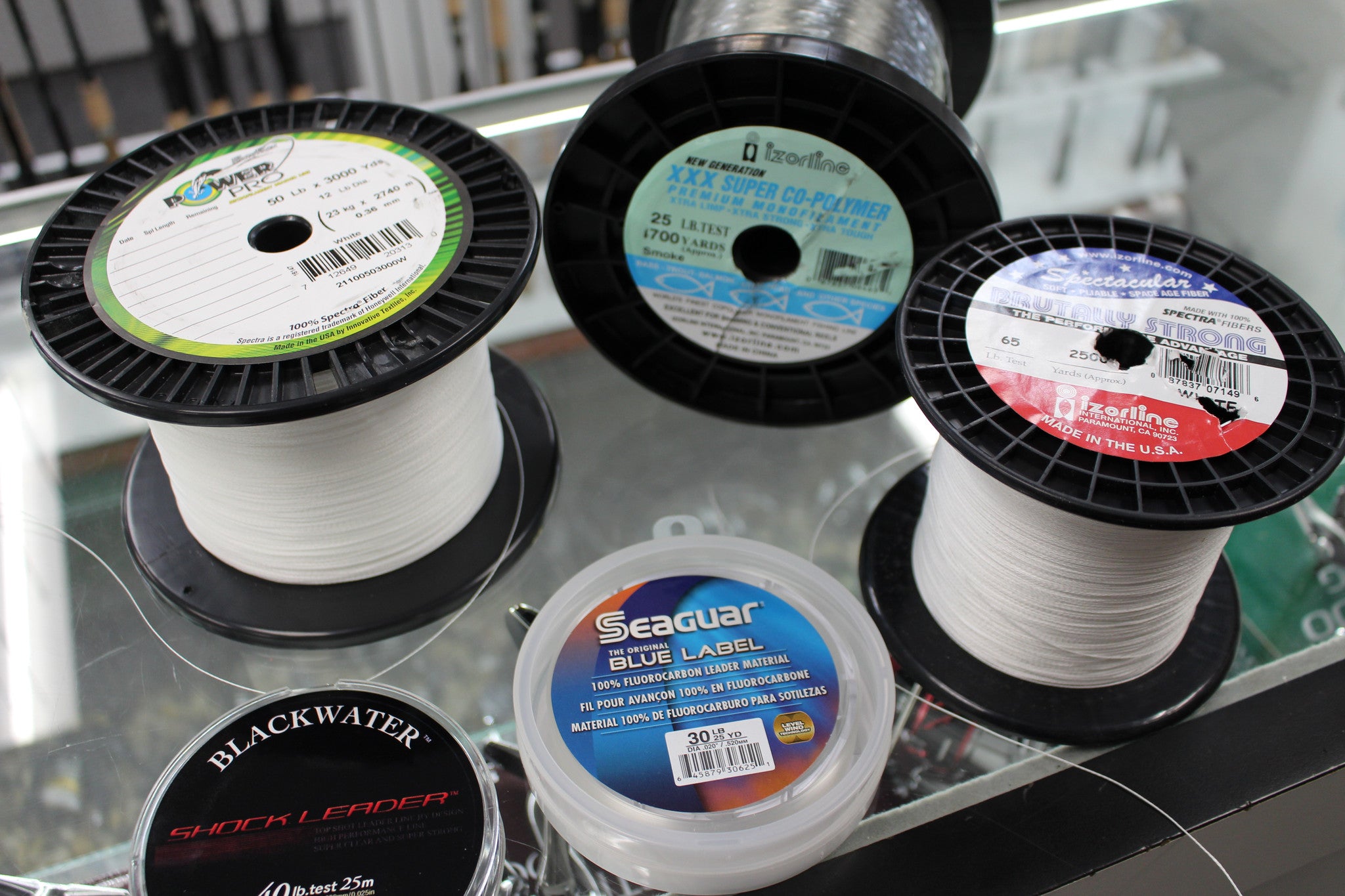
Credit: tackleexpress.com
Tips For Line Maintenance
Choosing the right pound fishing line for saltwater is important. Maintaining the line keeps it strong and lasts longer.
Good care helps avoid line breaks and improves your fishing experience. Follow simple tips to keep your line in top shape.
Storage Practices
Store your fishing line in a cool, dry place away from sunlight. Heat and UV rays weaken the line over time.
Keep the line on the spool and avoid tangles. Use a line holder or spool case to protect it from dirt and damage.
- Avoid direct sunlight exposure
- Keep line away from moisture
- Use spool covers or holders
- Store in a cool, dry area
Regular Line Inspection
Check your fishing line often for signs of wear and tear. Look for nicks, frays, or discoloration.
Inspect the line especially after fishing in saltwater. Salt can cause damage and reduce line strength.
- Look for cuts and abrasions
- Check for stiffness or discoloration
- Feel for rough spots along the line
- Inspect knots and connection points
Replacing Old Line
Replace your fishing line regularly to avoid breaks and lost fish. Old line loses strength over time.
Change the line after heavy use or if it shows damage. Fresh line improves casting and fighting fish.
- Replace line every season or sooner
- Swap line after catching large fish
- Change line if knots slip or break
- Use fresh line for important trips

Credit: www.amazon.ca
Frequently Asked Questions
What Pound Fishing Line Is Best For Saltwater Fishing?
For saltwater fishing, a 20 to 50-pound test line is ideal. It offers strength to handle larger fish and resists abrasion from saltwater conditions.
How To Choose Pound Test For Saltwater Fishing Line?
Choose the pound test based on targeted fish species and fishing conditions. Heavier lines suit big fish, while lighter lines work for smaller species.
Can I Use Freshwater Line For Saltwater Fishing?
Freshwater lines can work but aren’t recommended. Saltwater requires stronger, abrasion-resistant lines to withstand harsh marine environments and larger fish.
What Are Benefits Of High-pound Test Saltwater Lines?
High-pound test lines provide durability, prevent breakage, and handle aggressive saltwater fish. They also resist damage from rocks, coral, and saltwater wear.
Conclusion
Choosing the right pound test fishing line matters for saltwater fishing success. Thicker lines handle bigger fish and rough water better. Lighter lines offer more sensitivity and longer casts. Think about the type of fish and where you will fish.
Balance strength and flexibility to avoid line breakage. Trying different lines helps you find the best fit. Keep your gear ready and check your line often. Good choices lead to more fun and better catches. Simple steps make saltwater fishing easier and more rewarding.