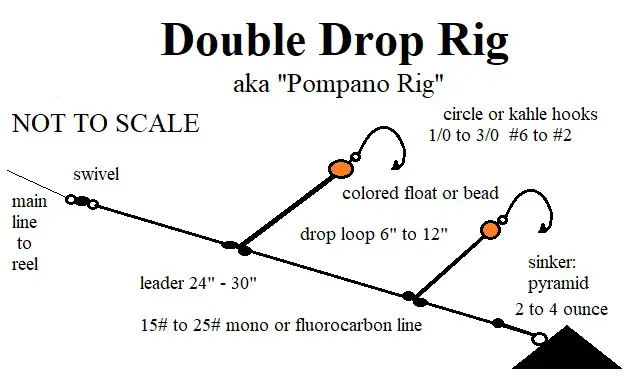
Choosing the right pound line for surf fishing can make all the difference in your catch. If you use a line that’s too weak, you risk losing big fish.
Too heavy, and you might not cast as far or feel the bite as clearly. You want a line that gives you strength, sensitivity, and the perfect balance for your fishing style. You’ll discover exactly what pound test line works best for surf fishing, helping you catch more and fish smarter every time you hit the shore.
Keep reading to find the ideal line that fits your needs and boosts your success.

Credit: www.americanseafishing.com
Choosing The Right Pound Line
Picking the right pound line is key for surf fishing success. The pound line means the line’s strength.
A strong line helps handle big fish and rough waves. Too weak a line may break easily.
Factors Influencing Line Strength
Many things affect the strength you need in your fishing line. Think about fish size and water conditions.
The type of fishing rod and reel also matters. Stronger lines work well with heavy gear.
- Size of the fish you want to catch
- Roughness of waves and water currents
- Type of fishing rod and reel used
- Length of the cast you plan to make
- Wear and tear from rocks and sand
Common Pound Ratings For Surf Fishing
Surf fishing lines usually range between 15 and 30 pounds. This suits most fish caught on shore.
Choosing the right rating depends on your target fish and fishing style. Lighter lines cast further.
| Pound Rating | Best For |
|---|---|
| 15-20 lbs | Small to medium fish like whiting and croaker |
| 20-25 lbs | Medium fish like striped bass and bluefish |
| 25-30 lbs | Large fish like red drum and sharks |
Types Of Fishing Lines
Choosing the right fishing line is important for surf fishing success. Different lines have unique features that fit various fishing needs.
Understanding the common types helps anglers pick the best line for strength, stretch, and invisibility in water.
Monofilament Lines
Monofilament lines are made from a single strand of nylon. They stretch well and absorb shock, which helps when fish fight hard.
This type is easy to handle and knot. It also floats on water, making it good for topwater lures.
Braided Lines
Braided lines have many thin fibers woven together. They do not stretch much, giving better sensitivity to feel bites.
- Very strong for their diameter
- Good for heavy cover or deep water
- Can be visible in clear water
- Needs special knots
Fluorocarbon Lines
Fluorocarbon lines are nearly invisible underwater. They sink faster than other lines, which helps in surf fishing.
| Property | Monofilament | Braided | Fluorocarbon |
| Stretch | High | Low | Low |
| Visibility | Moderate | High | Low |
| Strength | Moderate | High | Moderate |
| Buoyancy | Floats | Sinks | Sinks |
| Best Use | General use, topwater | Heavy cover, deep water | Clear water, long casts |
Matching Line Strength To Target Species
Choosing the right pound test line is key for surf fishing success. The line strength must match the fish you want to catch.
Using too heavy or too light line can cause problems. It affects casting, hook setting, and landing fish.
Light Lines For Small Fish
Light lines usually range from 6 to 12 pounds test. They work well for small species like perch, croaker, and small whiting.
- Cast farther with less effort
- Less visible to wary fish
- Good for clear water conditions
- Use light hooks and small baits
Medium Lines For Versatile Fishing
Medium lines cover 15 to 25 pounds test. They suit a wide range of surf fish, including striped bass, bluefish, and red drum.
| Line Strength (lbs) | Ideal Species |
| 15 | Small to medium bass, croaker |
| 20 | Bluefish, red drum |
| 25 | Larger bass, small sharks |
Heavy Lines For Big Game
Heavy lines from 30 to 50 pounds test handle big game fish like sharks, large rays, and big drum.
Use these tips for heavy lines:
- Strong rods and reels match heavy lines
- Heavy leaders prevent bite-offs
- Big hooks and heavy sinkers help control
- Expect shorter casts but better control

Credit: greatdaysoutdoors.com
Impact Of Surf Conditions On Line Choice
Choosing the right pound line for surf fishing depends on the surf conditions. The strength and movement of the water affect how your line performs. Understanding these conditions helps you pick a line that lasts longer and works better.
Different surf conditions require different strengths and types of fishing lines. This guide covers how strong currents and rough shorelines impact your line choice.
Dealing With Strong Currents
Strong currents pull on your fishing line and can cause breakage. You need a line with enough strength and abrasion resistance. A higher pound test line helps resist the force of fast water.
- Use 20-30 pound test lines for strong currents
- Choose braided lines for better strength and less stretch
- Pick lines with good abrasion resistance
- Consider thicker lines to avoid snapping
Handling Rough Shorelines
Rough shorelines have rocks and shells that can cut your line. You need a line that can handle sharp edges without breaking. A strong and abrasion-resistant line is best.
| Line Type | Strength | Abrasion Resistance |
| Monofilament | Low to Medium | Low |
| Braid | High | High |
| Fluorocarbon | Medium to High | Medium |
Line Durability And Abrasion Resistance
Choosing the right pound line for surf fishing affects how long your line lasts. A strong line resists wear and damage from rough surfaces. This helps you catch more fish without frequent line changes.
Abrasion resistance is key to keeping your line safe from sharp rocks and debris on the shore. Durable lines prevent breaks and maintain strength during tough conditions.
Protecting Against Rocks And Debris
Surf fishing lines often rub against rocks, shells, and debris. This contact can weaken the line quickly. Picking a line with high abrasion resistance reduces damage and line breaks.
- Use braided lines with protective coatings
- Choose thicker pound test lines for rough areas
- Inspect your line regularly for nicks or cuts
- Replace damaged sections immediately
- Avoid dragging your line over sharp rocks
Maintaining Line Integrity
Maintaining your line’s strength helps you catch bigger fish. Proper care prevents weakening and extends the life of your fishing line.
| Care Tip | Benefit |
|---|---|
| Rinse line with fresh water after saltwater use | Removes salt that can degrade the line |
| Store line away from direct sunlight | Prevents UV damage and weakening |
| Check line for abrasions before each trip | Ensures safety and prevents sudden breaks |
| Use line conditioner spray | Improves flexibility and reduces wear |
Tips For Testing Line Strength
Choosing the right pound line is key for surf fishing success. Testing line strength helps avoid breaks during a catch.
Check your fishing line often to keep it strong and reliable. Use simple tests to find weak spots early.
Knots And Their Effect On Strength
Knots can reduce line strength by causing stress points. Some knots keep more strength than others. Always tie knots carefully to keep the line strong.
| Knot Type | Strength Retention |
| Palomar Knot | 90% |
| Uni Knot | 85% |
| Clinch Knot | 75% |
| Improved Clinch Knot | 80% |
Regular Line Inspection
Regularly check your line for cuts, frays, or discoloration. Damaged line can break easily and cause lost fish.
- Look closely for tiny nicks or abrasions
- Run the line through your fingers to feel rough spots
- Replace line after heavy use or exposure to sun
- Keep line dry and stored properly to avoid damage
Balancing Strength And Sensitivity
Surf fishing needs a fishing line that holds strong against big fish. At the same time, it must feel even the smallest bites. Finding the right balance between strength and sensitivity helps catch more fish.
Choosing the right pound line can make a big difference. This guide covers line diameter and bite detection to help you pick the best line.
Choosing The Right Line Diameter
The diameter of the fishing line affects both strength and sensitivity. Thicker lines are stronger but less sensitive. Thinner lines let you feel bites better but may break easily.
| Line Diameter | Strength | Sensitivity |
| Thin (0.10-0.15 mm) | Low | High |
| Medium (0.16-0.25 mm) | Medium | Medium |
| Thick (0.26+ mm) | High | Low |
Pick a line diameter that fits the fish size and water conditions. Medium lines often balance strength and feeling best.
Enhancing Bite Detection
Good bite detection helps catch fish faster. Using the right line pound helps you notice small tugs and pulls.
- Use lighter pound lines for better sensitivity
- Keep your line tight to feel bites clearly
- Choose a line with low stretch to detect small movements
- Check your reel drag setting to avoid masking bites
Tip:Braided lines often offer better sensitivity than monofilament of the same pound test.
Recommended Pound Lines For Popular Surf Fish
Choosing the right pound line helps catch your target surf fish. Different species need different line strengths.
This guide shows which pound lines work best for common surf fish like surfperch, striped bass, and sharks.
Surfperch And Croaker
Surfperch and croaker are smaller fish that do not require heavy lines. A light line offers better casting and sensitivity.
- 6 to 12-pound test monofilament line
- Fluorocarbon lines also work well for clear water
- Use light braided line if you want more casting distance
Striped Bass And Bluefish
These medium-sized fish fight harder, so you need stronger lines. Braided lines help with sensitivity and strength.
| Fish Species | Recommended Line Type | Recommended Pound Test |
| Striped Bass | Braid or Monofilament | 15 to 25 pounds |
| Bluefish | Braid or Monofilament | 20 to 30 pounds |
Sharks And Larger Species
Big sharks and other large fish need very strong and abrasion-resistant lines. Heavy braided lines are best.
- 50 to 100-pound braided line
- Use a strong leader to prevent bite-offs
- Check local regulations for line strength limits

Credit: www.bdoutdoors.com
Frequently Asked Questions
What Pound Line Is Best For Surf Fishing?
For surf fishing, a 15-30 pound test line is ideal. It offers strength and abrasion resistance against rough surf conditions. Choose a line that balances durability and casting distance for best results.
Why Choose A 20-pound Line For Surf Fishing?
A 20-pound line provides a perfect balance between strength and flexibility. It handles larger fish while allowing longer casts in surf conditions. This weight is versatile for most surf fishing scenarios.
Can I Use Lighter Lines For Surf Fishing?
Lighter lines under 15 pounds are less durable in surf fishing. They may break easily against rocks and strong fish. It’s better to use a line with at least 15 pounds test for reliability.
How Does Line Strength Affect Surf Fishing Success?
Stronger lines prevent breakage from heavy fish and rough surf. They improve hook sets and control during fights. Using the right pound line increases catch rates and fishing enjoyment.
Conclusion
Choosing the right pound line is crucial for surf fishing success. Consider the fish size and beach conditions. Always match your line to your fishing rod and reel. A balanced setup helps in better casting and catch. Experiment with different lines to find your favorite.
Don’t forget to check your line for wear after each trip. This ensures safety and performance. With the right line, your surf fishing experience improves. Enjoy the thrill of the catch. Happy fishing!