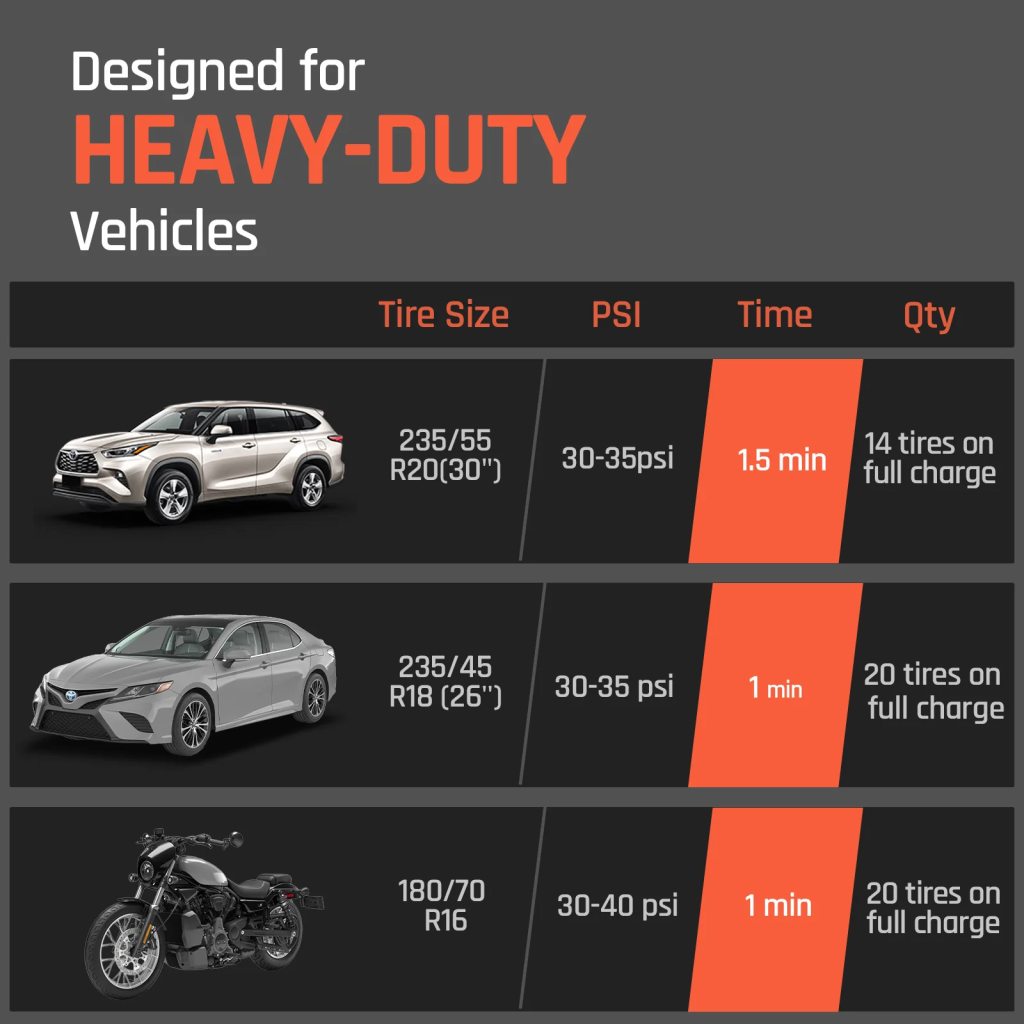
Have you ever wondered what the right psi for your car tires really is? Getting this number right isn’t just about filling your tires with air—it’s about your safety, your car’s performance, and even saving money on fuel.
If your tires are underinflated or overinflated, you could face problems that affect your driving experience and cost you more in the long run. Keep reading to discover how to find the perfect psi for your tires, why it matters, and easy tips to keep your ride smooth and safe every time you hit the road.

Credit: www.reddit.com
Ideal Tire Pressure
Tire pressure is the amount of air inside a car tire. It is measured in pounds per square inch, or PSI.
Having the right tire pressure helps your car drive safely and smoothly. It also saves fuel and extends tire life.
Factors Affecting Tire Psi
Tire pressure changes with temperature and load. Cold weather lowers PSI, while hot weather raises it.
Car weight, speed, and road conditions also affect the best PSI for your tires.
- Temperature changes cause air inside tires to expand or contract
- Heavier loads require higher tire pressure
- Driving fast heats up tires, increasing pressure
- Rough roads can make tires lose air faster
Recommended Psi Ranges
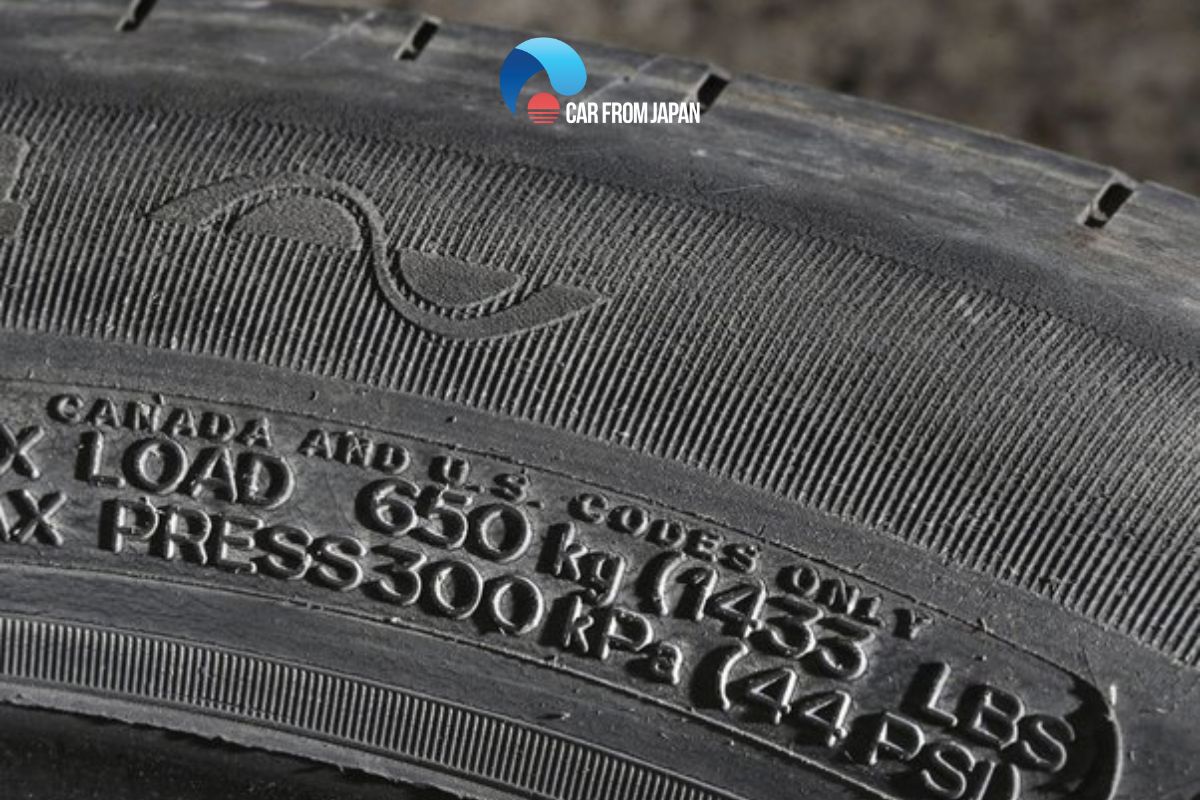
Most passenger cars need tire pressure between 30 and 35 PSI. Check your car’s manual for exact numbers.
Overinflated or underinflated tires can cause uneven wear and reduce safety.
| Vehicle Type | Recommended PSI |
|---|---|
| Small cars | 30 – 35 PSI |
| SUVs and light trucks | 35 – 40 PSI |
| Heavy trucks | 40 – 50 PSI |
Credit: carfromjapan.com
Checking Tire Pressure
Maintaining the right tire pressure helps your car run safely and smoothly.
Checking tire pressure regularly can save fuel and prevent tire damage.
Using A Tire Pressure Gauge
A tire pressure gauge measures the air pressure inside your tires.
- Remove the valve cap from the tire.
- Press the gauge onto the valve stem firmly.
- Read the pressure value shown on the gauge.
- Replace the valve cap after checking.
When To Check Psi
Check tire pressure when tires are cold for the most accurate reading.
| Time to Check | Reason |
|---|---|
| Before driving | Tires are cold and pressure is stable |
| Monthly | Pressure drops naturally over time |
| Before long trips | Ensures safe driving conditions |
| After temperature changes | Cold weather lowers tire pressure |
Effects Of Incorrect Psi
Car tires need the right air pressure to work well. PSI means pounds per square inch and shows tire pressure. Wrong PSI causes many problems for your car.
Keeping tire pressure correct helps save fuel, avoid tire damage, and keep you safe on the road.
Impact On Fuel Efficiency
Low tire pressure makes your car use more fuel. Tires with low PSI have more friction with the road. This friction forces your engine to work harder.
- Under-inflated tires increase fuel consumption by up to 10%.
- Over-inflated tires reduce the tire contact area, causing uneven wear but may slightly improve mileage.
- Correct PSI helps your car run smoothly and saves fuel costs.
Tire Wear And Damage
Wrong PSI damages tires faster. Low pressure makes tires wear on the edges. High pressure causes wear in the center of the tire tread.
| PSI Level | Wear Pattern | Effect |
|---|---|---|
| Low PSI | Edges | Faster wear, heat build-up, risk of blowouts |
| High PSI | Center | Reduced grip, rough ride, uneven wear |
| Correct PSI | Even tread | Longer tire life, better performance |
Safety Concerns
Incorrect PSI affects how your car handles. Low pressure can cause tire blowouts. High pressure reduces the tire’s grip on the road.
- Low PSI increases the chance of tire failure and poor steering control.
- High PSI may cause a harsh ride and less traction on wet or slippery roads.
- Proper tire pressure helps maintain control and braking ability.
Adjusting Tire Pressure
Proper tire pressure helps your car drive safely and saves fuel. It means checking and fixing the air inside your tires.
PSI shows how much air is in your tires. Adjusting PSI keeps tires in good shape and stops problems on the road.
How To Inflate Tires Properly
Check the recommended PSI on your car’s door sticker or manual. Use a tire pressure gauge to see the current pressure.
Add air if the pressure is low. Use an air compressor at a gas station or a portable pump. Inflate slowly and check often.
- Remove the valve cap from the tire
- Press the gauge onto the valve stem
- Read the pressure on the gauge
- Add air if below recommended PSI
- Recheck pressure after adding air
- Replace the valve cap securely
Deflating Overinflated Tires
If your tire pressure is too high, release some air. Overinflated tires can cause poor handling and a rough ride.
Press the small metal pin inside the valve stem with a tool or your nail. Do this carefully to avoid letting out too much air.
- Check the tire pressure with a gauge first
- Press the valve pin to let air out slowly
- Stop and check the pressure often
- Keep the pressure at the recommended PSI
- Put the valve cap back on tightly
Seasonal Psi Adjustments
Car tire pressure changes with the seasons. Cold and hot weather affect PSI differently. Adjusting tire pressure helps keep your car safe and efficient.
Checking and adjusting tire PSI regularly is important. This guide explains what to do in cold and hot weather.
Cold Weather Considerations
Cold air causes tire pressure to drop. For every 10 degrees Fahrenheit drop, PSI can fall by about 1 to 2 pounds. Low tire pressure can reduce traction and increase wear.
- Check tire pressure when tires are cold, before driving.
- Increase PSI slightly above the recommended level if temperatures drop significantly.
- Use a reliable pressure gauge to ensure accuracy.
- Inspect tires for cracks or damage caused by cold weather.
Hot Weather Tips
Heat causes air inside tires to expand. This can increase PSI and risk tire blowouts. High pressure also reduces tire contact with the road, lowering grip.
| Tip | Action |
| Check pressure regularly | Do so during the cooler parts of the day |
| Do not overinflate | Keep PSI within manufacturer’s recommended range |
| Inspect tires | Look for bulges or cracks caused by heat |
| Adjust PSI after long drives | Let tires cool before measuring pressure |
Tire Pressure Monitoring Systems
Tire Pressure Monitoring Systems, or TPMS, help keep track of your car tire pressure. They alert you if the pressure is too low or too high. This helps you drive safely and save fuel.
TPMS uses sensors to measure the air pressure inside each tire. The system sends this information to your car’s dashboard. You can see the pressure levels while driving.
Benefits Of Tpms
TPMS offers many benefits for drivers and vehicles. It helps prevent accidents caused by underinflated tires. It also extends tire life and improves fuel efficiency.
- Improves safety by warning about low tire pressure
- Increases tire lifespan by maintaining correct pressure
- Boosts fuel economy and reduces emissions
- Reduces the risk of tire blowouts
- Saves money on tire repairs and fuel costs
How Tpms Works
TPMS uses small sensors inside the tires to measure pressure. These sensors send data to a receiver in the car. The system alerts you if pressure falls outside the safe range.
| Type of TPMS | How It Works |
| Direct TPMS | Uses sensors inside each tire to measure pressure directly |
| Indirect TPMS | Uses wheel speed sensors to estimate tire pressure changes |
Common Psi Myths
Many drivers have wrong ideas about tire pressure. These myths can cause damage or danger. It is important to know the facts about PSI for car tires.
This article covers common misconceptions about overinflation and risks of underinflation. Understanding these points helps keep tires safe and last longer.
Overinflation Misconceptions
Some people think overinflating tires improves gas mileage or tire life. This is not true. Too much air pressure can hurt the tire and car control.
- Overinflated tires have less grip on the road.
- The ride becomes harsh and uncomfortable.
- Excess pressure can cause uneven tire wear.
- It raises the risk of tire damage from bumps.
Follow the car maker’s recommended PSI. This keeps the tire balanced between safety and performance.
Underinflation Risks
Low tire pressure can cause serious problems. It makes the tire sidewalls flex more than they should. This leads to heat buildup and tire failure.
| Risk | Effect |
| Increased rolling resistance | Lower gas mileage |
| More tire wear | Shorter tire life |
| Poor handling | Less control on road |
| Higher chance of blowouts | Unsafe driving conditions |
Check tire pressure regularly. Use a reliable gauge and fill tires to the recommended level. This keeps your car safe and saves money on fuel and repairs.

Credit: www.reddit.com
Frequently Asked Questions
What Is The Ideal Psi For Car Tires?
The ideal psi varies by vehicle but typically ranges from 30 to 35 psi. Check your car’s manual or tire placard for exact values. Proper psi ensures safety, fuel efficiency, and tire longevity.
How Often Should I Check My Car Tire Psi?
Check your tire psi at least once a month and before long trips. Regular checks prevent underinflation or overinflation, improving safety and tire performance.
What Happens If Car Tires Have Too Low Psi?
Low psi causes poor fuel economy, increased tire wear, and reduced handling. It also raises the risk of tire blowouts and affects overall vehicle safety.
Can Overinflated Tires Damage My Car?
Yes, overinflated tires can cause uneven wear, reduced traction, and a harsher ride. It may also increase the chance of tire damage from road impacts.
Conclusion
Knowing the right tire pressure keeps your car safe and efficient. Check your car’s manual for the exact PSI needed. Too low or too high pressure can cause problems. Tires wear out faster and use more fuel with wrong PSI.
Regularly check your tire pressure with a reliable gauge. Proper PSI helps you drive smoothly and saves money. Keep your tires healthy for better control and comfort. Small steps make a big difference in car maintenance. Stay safe and enjoy a better ride every time.