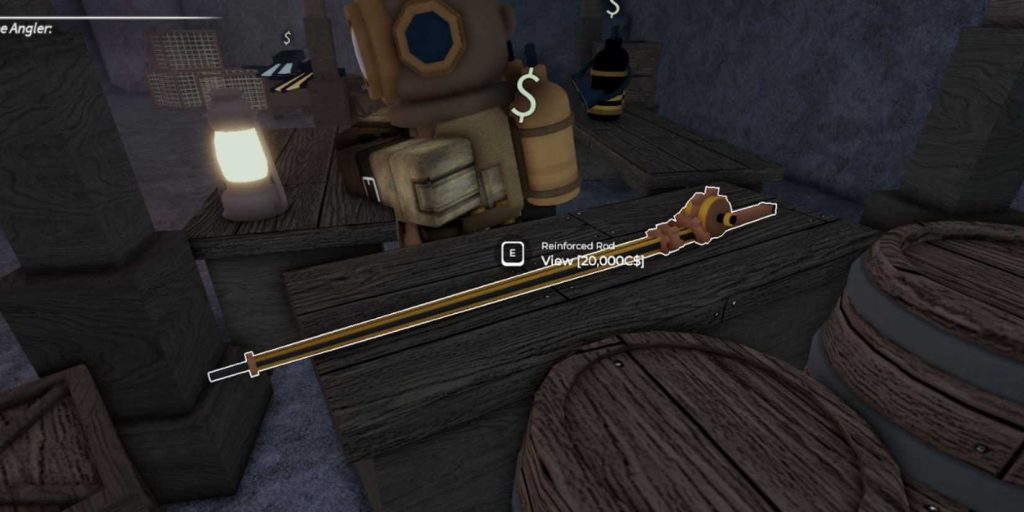
Are you curious about the best fishing rods to use in a brine pool? Choosing the right rod can make all the difference between a frustrating day and a successful catch.
You’ll discover which rods handle the unique conditions of brine pools with ease. Whether you’re a beginner or an experienced angler, knowing what gear works best will boost your confidence and improve your results. Keep reading to find out exactly what rods can help you fish smarter and catch more in brine pools.
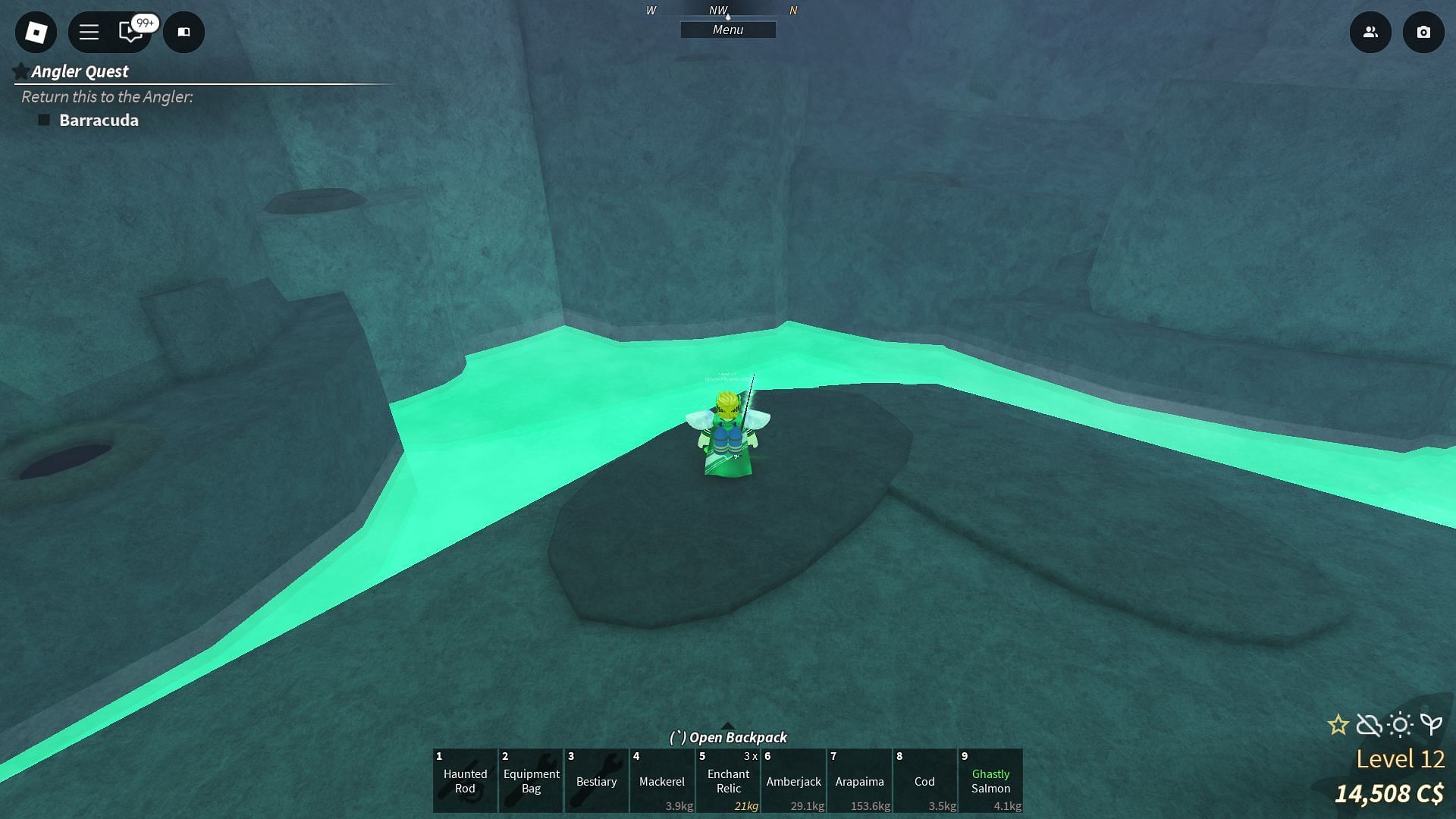
Credit: www.sportskeeda.com
Brine Pool Fishing Basics
Fishing in brine pools is a unique and challenging activity. These pools are found underwater and contain very salty water. They create special conditions for fish and fishing gear.
This guide explains what brine pools are and the challenges you face when fishing in them. It helps you understand what rods work best in these environments.
What Is A Brine Pool?
A brine pool is a body of water with very high salt concentration. It forms on the ocean floor where salt seeps from the ground. The water in these pools is much denser than normal seawater.
- Brine pools look like lakes underwater.
- The water is thick and heavy due to salt.
- They can be harmful to most sea life.
- Some fish live near the edges of these pools.
Unique Challenges Of Brine Pool Fishing
Fishing in brine pools is different from regular fishing. The salt and density affect the fishing rods and equipment. You must use rods that can handle these tough conditions.
| Challenge | Effect on Fishing | Rod Requirement |
| High Salt Concentration | Corrodes metal parts | Corrosion-resistant materials |
| Dense Water | Heavier drag on line | Stronger rod with good backbone |
| Harsh Environment | Wear and tear on gear | Durable and reliable construction |
Key Features Of Effective Rods
Fishing in brine pools requires special rods. These rods need specific features to handle the conditions. Let’s explore these features.
Understanding these features will help you choose the right rod. It ensures a good fishing experience in brine pools.
Material And Durability
Materials matter a lot for fishing rods. Strong materials last longer in salty conditions. Common materials include fiberglass and graphite.
Durability is key for fishing in brine pools. Saltwater can damage weak materials. Choose rods made from corrosion-resistant materials.
- Fiberglass: Good for beginners, very durable
- Graphite: Lightweight and sensitive
- Composite: A mix of both for balanced performance
Rod Length And Flexibility
Rod length affects casting distance. Longer rods cast further and are useful in open waters. Shorter rods are better for precise casting.
Flexibility determines how a rod bends. Flexible rods absorb shocks better. Stiffer rods provide more power for big catches.
- Short rods: Good for close-range casting
- Long rods: Ideal for long-distance casting
- Flexible rods: Better for absorbing fish movements
- Stiff rods: Provide more control and power
Sensitivity And Power
Sensitivity helps detect bites. A sensitive rod lets you feel small fish nibbles. Graphite rods are often more sensitive.
Power is the rod’s strength to handle fish. More power means better for catching larger fish. Choose power based on your target fish size.
- Sensitive rods: Detect small bites easily
- Powerful rods: Handle bigger fish
- Balance sensitivity and power for versatility
Top Rod Picks For Brine Pools
Fishing in brine pools needs the right rod. These rods must handle salty water and strong fish.
Choosing the right rod helps you enjoy your fishing trip. Here are some top rods to consider.
Best Lightweight Rods
Lightweight rods are easy to carry and good for small to medium fish. They reduce arm strain.
These rods are made from graphite or carbon fiber. They offer good sensitivity in brine pools.
- St. Croix Triumph Spinning Rod
- Ugly Stik Elite Spinning Rod
- Shimano Solora 2-Piece Spinning Rod
Heavy-duty Options
Heavy-duty rods handle large fish and tough conditions. They have strong, durable builds.
These rods are often made with fiberglass and have reinforced guides. They last long in salty water.
- Penn Battalion Surf Spinning Rod
- Shimano Terez Casting Rod
- Okuma Cedros Surf Casting Rod
Budget-friendly Choices
Budget rods give good value without high costs. They work well for casual fishing in brine pools.
These rods are usually made from composite materials. They are suitable for beginners and light use.
- Sougayilang Spinning Fishing Rod
- Okuma Celilo Graphite Lightweight Rod
- PLUSINNO Telescopic Fishing Rod

Credit: gamerant.com
Matching Rods With Fish Species
Choosing the right fishing rod is key for fishing in brine pools. Different fish need different rods. This helps catch fish easier and keeps the rod safe.
We will look at rods for small fish and rods for larger fish. Each has its own features to help you fish well in salty water pools.
Rods For Small Brine Pool Fish
Small fish in brine pools need rods that are light and sensitive. These rods help feel small bites and make casting easy.
- Use light action rods for better sensitivity.
- Choose rods 5 to 6 feet long for control.
- Pick rods made from graphite for lightness.
- Match line weight to 4–8 pounds for small fish.
Rods For Larger Species
Big fish need stronger rods. These rods must handle heavy weight and strong pulls from the fish.
| Rod Feature | Recommended Range |
|---|---|
| Rod Length | 7 to 9 feet |
| Rod Power | Medium-heavy to heavy |
| Material | Carbon fiber or composite |
| Line Weight | 15 to 30 pounds |
Additional Gear For Brine Pool Success
Fishing in a brine pool needs special gear to handle unique water conditions. Using the right equipment helps you catch fish easier and protects your tools.
This guide covers reels, line types, and accessories you should bring for a good fishing experience in brine pools.
Recommended Reels
Choose reels that resist saltwater damage and offer strong drag systems. Spinning reels and baitcasting reels work well in brine pools.
Look for reels made with corrosion-resistant materials like stainless steel or anodized aluminum for longer life.
- Spinning reels with sealed bearings
- Baitcasting reels with smooth drag
- Reels with high gear ratios for fast retrieves
- Models designed for saltwater fishing
Line Types And Strength
Strong, durable fishing lines work best in brine pools. Braided lines offer high strength and low stretch, ideal for deep water fishing.
Use lines with at least 20-pound test strength. Fluorocarbon leaders help reduce visibility and resist abrasion from sharp surfaces.
- Braided main line with 20-50 lb test
- Fluorocarbon leaders from 15-30 lb test
- Monofilament for shock absorption
- Check line regularly for wear and damage
Essential Accessories
Bring accessories to help manage your gear and improve fishing success. Tools like pliers and line cutters are must-haves.
Other useful items include bait containers, tackle boxes, and fish grips to handle catches safely.
- Saltwater-resistant pliers
- Line cutters and scissors
- Waterproof tackle box
- Bait containers with lids
- Fish grips or gloves for safe handling
- Rod holders for hands-free fishing

Credit: gamerant.com
Tips For Using Rods In Brine Pools
Fishing in brine pools needs special care. The water’s salty and dense, which affects rods and lines.
Using the right techniques helps protect your gear and catch fish better. Here are some tips for rods in brine pools.
Casting Techniques
Cast gently to avoid snapping your line. The thick water slows the lure, so adjust your force.
Use smooth, controlled casts. Avoid fast, hard flicks that can cause tangles or break rods.
- Check the line for salt buildup before casting
- Use lighter weights to avoid sinking too fast
- Cast shorter distances for better control
- Keep the rod tip low to reduce wind impact
Handling And Maintenance
Rods get salt deposits from brine pools. Clean them after every use to stop damage.
Dry rods fully before storing. Check guides and reel seats for salt and rust.
- Rinse rods with fresh water right after fishing
- Use a soft cloth to wipe off salt and dirt
- Apply light oil on metal parts to stop rust
- Store rods in a cool, dry place away from sunlight
Frequently Asked Questions
What Types Of Rods Are Best For Fishing In Brine Pools?
Fiberglass and graphite rods are best for brine pool fishing. They handle saltwater well and resist corrosion. Medium to heavy action rods provide strength for larger fish found in brine pools. Choose rods with corrosion-resistant guides and reel seats for durability.
Can Saltwater Rods Be Used In Brine Pool Fishing?
Yes, saltwater rods are ideal for brine pool fishing. They are built to withstand harsh saltwater conditions. These rods feature corrosion-resistant materials and strong construction to handle brine pool species. Using saltwater rods increases your gear’s lifespan and fishing success.
Are Lightweight Rods Effective In Brine Pool Fishing?
Lightweight rods can be effective for smaller brine pool fish. They offer better sensitivity and less fatigue during long fishing sessions. However, for larger species, medium to heavy rods are recommended to ensure proper control and strength.
How Does Rod Length Impact Fishing In Brine Pools?
Rod length affects casting distance and control in brine pools. Longer rods (7-9 feet) allow longer casts and better leverage. Shorter rods provide more accuracy and ease of handling in tight spaces. Choose length based on your fishing style and pool size.
Conclusion
Choosing the right rod makes fishing in a brine pool easier and fun. Strong, flexible rods work best to handle slippery fish and salty water. Lightweight rods help you feel every bite clearly. Remember, a good rod matches the fish size and water conditions.
Test different rods to find your perfect match. Enjoy your fishing time with the right gear. Simple choices bring better results. Keep your rods clean after each use to last longer. Happy fishing in the brine pool!