Choosing the right SEER air conditioner can feel overwhelming. You want a unit that keeps your home cool without driving up your energy bills.
But with so many options out there, how do you know which SEER rating fits your needs? You’ll discover exactly what SEER means, why it matters, and how to pick the perfect air conditioner for your space and budget. By the end, you’ll feel confident making a smart choice that saves you money and keeps your home comfortable all year long.
Keep reading to find out which SEER air conditioner you truly need.
Seer Ratings And Energy Efficiency
SEERstands for Seasonal Energy Efficiency Ratio. It shows how well an air conditioner cools using energy. A higher SEER means the AC uses less electricity. This helps lower your cooling bills. Choosing the right SEER can save money over time.
Different SEER levels affect costs:
- 13-14 SEER:Basic models, affordable but less efficient.
- 15-16 SEER:Moderate efficiency, good balance of cost and savings.
- 17+ SEER:High efficiency, best for saving energy long term.
Climate matters when picking SEER:
- Hot climates benefit from higher SEERfor more savings.
- Mild climates may not need very high SEER models.
- Consider your local weather and usage before deciding.
Types Of Seer Air Conditioners
Central Air Systemscool entire homes using ducts. They are best for large spaces. These systems use a big outdoor unit and ducts inside walls. They offer consistent coolingand are quieter inside.
Ductless Mini-Splitsare good for rooms without ducts. They have an outdoor unit and one or more indoor units. Easy to install and save energy by cooling only used rooms.
Window and Portable Unitscool small areas. Window units fit in windows and are affordable. Portable units can move around but need a vent. Both are good for small rooms or apartments.
Sizing Your Air Conditioner
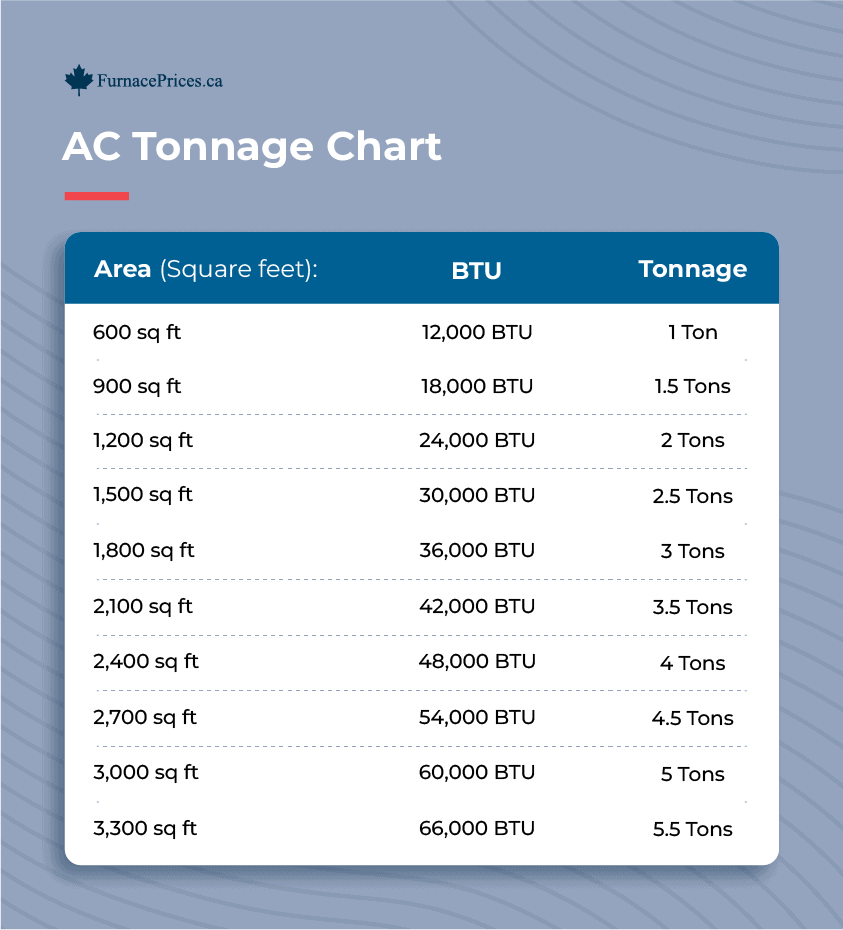
Calculating the cooling loadhelps choose the right air conditioner size. It depends on room size, insulation, and sunlight. Bigger rooms need more BTUs (British Thermal Units). A small room may need 5,000 to 8,000 BTUs, while a large room might need 12,000 or more.
Use this table for quick BTU estimates:
| Room Size (sq ft) | BTU Needed |
|---|---|
| 100 – 300 | 5,000 – 7,000 |
| 300 – 500 | 8,000 – 10,000 |
| 500 – 700 | 12,000 – 14,000 |
| 700 – 1,000 | 15,000 – 18,000 |
Avoid oversized units. They cool too fast and turn off often. This wastes energy and makes rooms feel damp. Choose a unit that fits your room size closely.
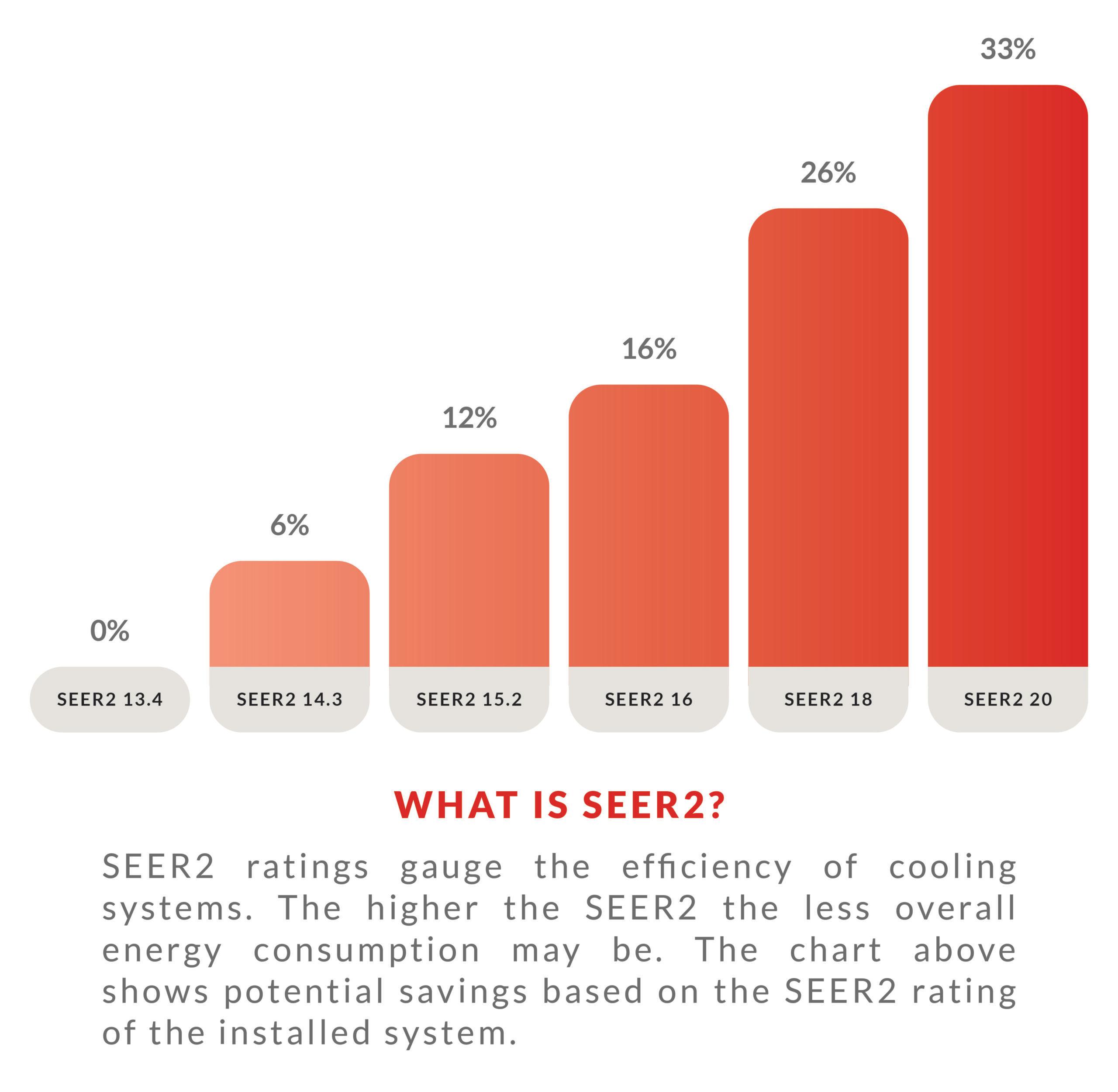
Credit: www.trane.com
Smart Features In Seer Air Conditioners
SEER air conditioners offer Wi-Fi connectivity. This allows you to control the unit from anywhere. You can turn it on or off using your phone. Set the temperature before you get home. Save energy by adjusting settings remotely.
Mobile app controls make managing your air conditioner easy. The app shows current temperature and settings. It can send alerts for maintenance or filter changes. Simple taps can change modes or fan speed.
Voice assistant integration adds hands-free control. Use popular assistants like Alexa or Google Assistant. Just say commands like “turn on the AC” or “set temperature to 72.” Great for when your hands are full.
Installation And Maintenance Tips
Professional installationensures the unit works safely and efficiently. Experts handle wiring and mounting correctly. DIY installationmay save money but risks poor setup and damage.
Regular cleaning keeps the air conditioner running well. Change or clean filters every 1-3 months to avoid dust buildup. Clean the unit’s exterior and vents to improve airflow.
To maximize unit longevity, schedule yearly professional checkups. Keep the area around the unit clear of debris. Use the unit as instructed to avoid wear and tear.

Credit: hvacdirect.com
Cost Considerations And Savings
Upfront costsinclude the price of the air conditioner and installation fees. Higher SEER units usually cost more at first. Long-term costsfocus on how much energy you will use and the bills you pay over time. A unit with a higher SEER rating saves more energy and reduces bills.
Many states and local governments offer incentives and rebatesfor energy-efficient air conditioners. These can lower the upfront cost significantly. Check with your local utility company for available programs.
| SEER Rating | Energy Savings | Typical Rebate |
|---|---|---|
| 13-14 | Standard efficiency | Low or none |
| 15-16 | Moderate savings | Up to $200 |
| 17+ | High savings | Up to $500 or more |
Top Brands And Models To Consider
High SEER central unitsoffer great energy savings for large homes. Brands like Trane, Carrier, and Goodmanhave models with SEER ratings above 16. These units cool quickly and use less power, lowering bills. They work well with existing duct systems and keep the whole house comfortable.
Best ductless optionssuit homes without ducts or for extra rooms. Brands such as Mitsubishiand Daikinprovide easy-to-install mini-split systems. These units have high SEER ratings, are quiet, and allow for zone cooling. Perfect for small spaces or where central AC is not possible.
Affordable window unitsfit well in small rooms or apartments. Brands like Frigidaireand LGoffer models with decent SEER ratings around 12-14. These units are budget-friendly, easy to install, and cool single rooms effectively. Ideal for renters or those needing quick cooling without ductwork.

Credit: thefurnaceoutlet.com
Frequently Asked Questions
What Is Seer In Air Conditioners?
SEER stands for Seasonal Energy Efficiency Ratio. It measures an air conditioner’s cooling efficiency over a season. A higher SEER rating indicates better energy efficiency. Choosing the right SEER helps in saving on electricity bills. It’s crucial to consider when buying a new air conditioner.
How Does Seer Affect Energy Consumption?
A higher SEER rating means the air conditioner uses less energy to cool. This efficiency translates to lower electricity bills. It can also reduce your carbon footprint. Investing in a high SEER unit can lead to long-term savings. It’s a smart choice for energy-conscious homeowners.
Which Seer Rating Is Best For Homes?
For most homes, a SEER rating between 14 and 16 is ideal. It offers a balance between cost and efficiency. Higher SEER ratings are available for those seeking more energy savings. Consider your budget and climate when choosing. Always consult with an HVAC professional for tailored advice.
Is A High Seer Worth The Cost?
Yes, a high SEER air conditioner can save you money over time. The initial cost might be higher. However, the energy savings and efficiency benefits are significant. It reduces monthly utility bills and increases comfort. Consider long-term savings when evaluating the initial expense.
Conclusion
Choosing the right SEER air conditioner saves energy and cuts costs. Check your home size and cooling needs first. Higher SEER means better efficiency but can cost more. Balance price and savings for the best fit. A good unit keeps your home cool and comfortable.
Take time to compare models and features. This helps you make a smart, lasting choice. Cool air, lower bills—sounds like a plan.